
Finding the ideal wabi-sabi desk lamp in Singapore requires balancing raw, organic aesthetics with practical workspace functionality and local electrical safety. The wabi-sabi philosophy celebrates imperfection, simplicity, and natural materials, which can transform a sterile home office or study desk into a calming, mindful environment. However, because desk lamps must also serve as reliable task lights, choosing the right brand involves looking beyond surface-level styling. The most suitable brand for your space is one that aligns with your budget, respects material authenticity, and complies fully with local safety standards.
Defining Authentic Wabi-Sabi Aesthetics in Desk Lamps
To distinguish genuine wabi-sabi design from superficial rustic trends, you must understand how the philosophy manifests in physical lighting. Authentic wabi-sabi lamps embrace asymmetry, organic contours, and tactile, unrefined finishes. Instead of the flawless, symmetrical lines of modern industrial design, these lamps often feature slight irregularities—such as a gently warped ceramic base, an unevenly textured stone pillar, or a hand-folded paper shade. These imperfections are intentional, reflecting the beauty of natural weathering and handcrafting.
Material authenticity is the cornerstone of this aesthetic. Genuine wabi-sabi brands prioritize raw, minimally processed materials like solid wood, travertine stone, coarse clay, unglazed ceramics, and handmade washi paper. In contrast, lower-end imitations often use painted plastics, synthetic resins, or printed wood veneers that mimic these textures from a distance but feel cheap and lifeless to the touch. When evaluating a brand, inspect the tactile quality of the lamp; real stone feels cold and heavy, unglazed ceramic has a gritty, earthy texture, and authentic paper shades exhibit subtle fiber variations when illuminated.
Products mentioned in this guide
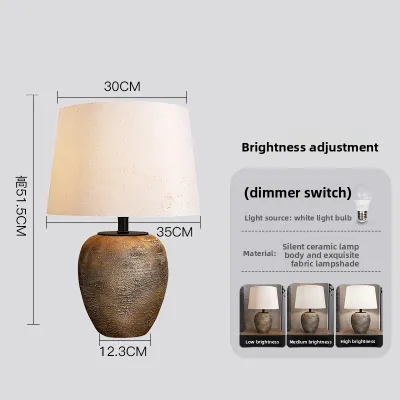
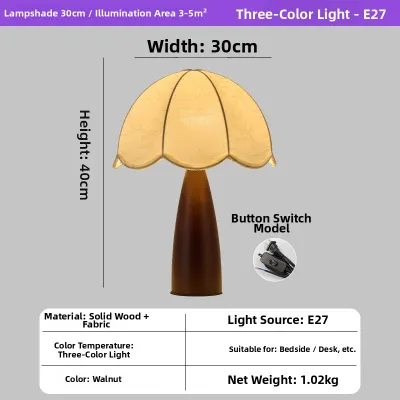
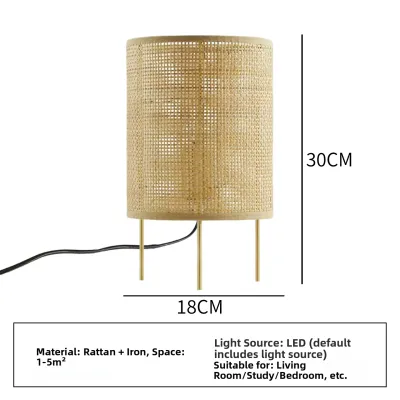
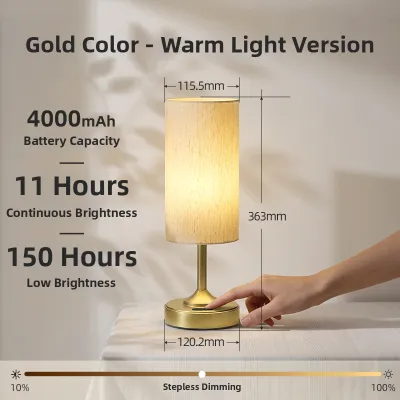
Prices are valid at publication and may change. Please refer to the product page for the latest price.
Furthermore, authentic designs understand the role of negative space and shadow. A wabi-sabi desk lamp is not merely a source of bright, uniform light; it is an object that shapes shadow. The physical structure of the lamp should feel grounded and understated, using organic forms that harmonize with the surrounding desk environment rather than dominating it. The interplay of light and shadow across the textured surfaces of the lamp itself is just as important as the light it casts on your workspace.
Key Dimensions for Comparing Lamp Brands
When comparing different brands offering wabi-sabi lighting in Singapore, you should evaluate several practical and structural dimensions to ensure the lamp is both beautiful and functional. First, examine the craftsmanship and structural integrity. Pay close attention to the joints where different materials meet, such as the connection between a wooden stem and a ceramic base. The base must have sufficient weight to ensure stability on your desk, preventing the lamp from tipping over easily when you adjust your workspace or reach for a book.

Second, consider light quality and diffusion. The material of the shade dictates how light is dispersed. A solid ceramic or stone shade opaque in nature will direct light downward, creating a focused pool of task light ideal for reading or writing, while leaving the rest of the room in soft shadow. Conversely, a linen or handmade paper shade diffuses light outward, casting a warm, gentle glow that softens the entire room. You must decide whether you need the lamp primarily for focused desk work or as an ambient accent to reduce eye strain during late-night screen use.
Finally, assess the balance between minimalist form and ergonomic adjustability. Many authentic wabi-sabi lamps feature rigid, sculptural shapes that cannot be tilted or swiveled. While these fixed forms preserve the clean, artistic silhouette of the lamp, they offer less flexibility for precise glare control. If your work requires highly adjustable task lighting, look for brands that subtly integrate functional hinges or adjustable joints without compromising the organic, understated look of the piece.
Evaluating Quality and Electrical Safety Standards
In Singapore, electrical safety is a critical consideration when purchasing any lighting fixture. Because wabi-sabi lamps often incorporate flammable or delicate natural materials like paper, wood, and fabric, verifying build quality and electrical compliance is essential to prevent fire hazards and electrical faults.
The most important step is checking for the mandatory SAFETY Mark issued by Enterprise Singapore. This mark, which should be clearly visible on the plug, power adapter, or integrated LED driver, indicates that the appliance has been tested and certified safe for local use. Many wabi-sabi lamps sold on international online marketplaces or unverified ecommerce platforms lack this certification, posing a potential risk to your home’s electrical system.
Additionally, ensure the lamp is fully compatible with Singapore’s standard voltage of 230V and comes equipped with a standard Type G three-pin plug. Importing a lamp designed for 110V systems without a proper internal transformer can lead to immediate product failure or dangerous short circuits.
You should also inspect the physical quality of the electrical components. Examine the power cord to ensure it is thick, well-insulated, and securely anchored to the lamp base. The switch mechanism—whether an in-line rocker switch, a base button, or a rotary dimmer—should operate smoothly without sticking. Finally, check how the lamp dissipates heat around the bulb housing. Natural materials like raw wood or delicate paper can degrade, discolor, or even ignite if exposed to excessive heat over long periods, making proper ventilation around the socket a vital safety feature.
Assessing Value: Price Tiers and Material Trade-offs
Wabi-sabi desk lamps in Singapore span a wide range of price points, and understanding what drives these costs will help you set realistic expectations for your budget.
Entry-level options, typically priced under S$80, are common on mass-market ecommerce platforms. At this price tier, lamps are generally mass-produced using synthetic composites, molded resins, or thin ceramic slip-casts designed to mimic natural textures. While they offer an affordable way to introduce the aesthetic into your home, they often feature basic on-off switches, lightweight bases that lack stability, and lower-grade electrical components that may lack local safety certifications.
Mid-range options, ranging from S$80 to S$250, are usually found at established local home decor retailers and lifestyle boutique brands. These lamps offer a significant step up in build quality, often utilizing genuine materials like turned solid wood, thick ceramic bases, and woven linen shades. The electrical components are more robust, typically carrying the necessary safety certifications, and the light diffusion is better engineered to prevent harsh glare.
Premium artisan pieces, priced above S$250 and often reaching several hundred dollars, are sourced from independent design studios or imported heritage brands. These lamps are characterized by handcrafted components, unique mineral glazes, solid stone bases, and high-end electrical fittings, such as integrated step-less dimming or smart-home compatibility. When you invest in this tier, you are paying for material authenticity, design exclusivity, and the assurance of rigorous quality control. A higher price is fully justified when a brand can verify the use of sustainably sourced natural materials and certified safe electrical assemblies.
Building Your Brand Shortlist: A Decision Framework
To narrow down your choices and build a practical brand shortlist, you must align your aesthetic preferences with your functional requirements and safety constraints.
If your primary goal is to own a unique, highly tactile piece of art that serves as a focal point on your desk, prioritize artisan design studios and heritage brands. These brands focus on authentic, natural materials and hand-finished details, ensuring that no two lamps are exactly alike. While they require a larger financial investment, they offer unmatched aesthetic depth and support independent craftsmanship.
If you are working within a specific budget or require a lamp for a high-traffic family desk, look toward accessible lifestyle or home decor brands. These brands offer predictable manufacturing quality, reliable local customer service, and straightforward return policies. While their designs may be more standardized and rely on some engineered materials, they provide a safe, functional, and visually pleasing interpretation of the wabi-sabi style.
Before making a final purchase from any brand, always verify the technical specifications. Check the bulb compatibility—such as standard E27 or E14 screw bases—and strictly adhere to the maximum wattage limits specified by the manufacturer. This is particularly important if you plan to use a traditional incandescent bulb, though energy-efficient LEDs are highly recommended for their low heat output.
Avoid purchasing any lamp if it lacks verifiable local electrical certification, uses non-replaceable integrated LEDs that limit the product’s lifespan, or relies on extremely fragile, unsealed materials that cannot withstand the daily wear and tear of an active workspace. By applying this structured framework, you can confidently select a wabi-sabi desk lamp that brings both serene beauty and safe, reliable illumination to your Singapore home.
Frequently Asked Questions (FAQ)
What type of bulb best complements a wabi-sabi desk lamp?
To enhance the warm, organic textures of a wabi-sabi lamp, select a bulb with a warm color temperature, ideally between 2700K and 3000K. This soft, amber-toned light mimics natural candlelight, highlighting the subtle imperfections of ceramic, wood, or paper shades while creating a cozy, stress-free atmosphere. Always check the lamp’s maximum wattage limit to prevent heat damage to delicate natural materials. If the lamp does not feature a built-in physical dimmer, consider using a smart LED bulb, which allows you to adjust the brightness levels via an app or remote to suit different times of day.
How do I clean and maintain natural materials like unglazed ceramic or raw wood?
Natural, porous materials require gentle care to preserve their unique patina and texture over time. Dust your lamp regularly using a soft, dry microfiber cloth or a static duster to prevent dust from settling into textured crevices. Avoid using harsh chemical cleaners, abrasive scrubs, or excessive water, as these can strip natural oils from wood, cause warping, or permanently stain unglazed ceramic. Always consult the manufacturer’s specific care instructions before applying any protective wood waxes, natural oils, or specialized ceramic sealants to ensure compatibility with the finish.
Community discussion
Share your experience or ask a question. Comments are reviewed before publication.