
In Singapore’s year-round tropical heat, finding ways to stay cool while working or sleeping is a constant challenge. While searching for a water cushion, you will encounter numerous brands on ecommerce platforms and in local department stores, each promising superior cooling performance. However, the effectiveness of a cooling cushion does not depend on a brand name; instead, it relies on the physics of heat transfer, material composition, and how well the product matches your specific environment. To make an informed purchase, you must look past marketing claims and evaluate the underlying technology, fabric breathability, and structural durability of the options available in the Singapore market.
Understanding Water Cushion Cooling Technologies
To choose the right cushion, it is essential to understand how different cooling media operate under typical Singapore household conditions. Traditional water-filled cushions are hollow bladders that you fill manually with tap water. Because water has a high specific heat capacity, these cushions can absorb a significant amount of body heat before warming up. They allow you to adjust the firmness by varying the water volume, but they are heavy, prone to sloshing sounds, and require periodic refilling and draining to prevent internal algae growth.
In contrast, gel-infused cushions utilize a solid or semi-solid polymer gel that remains stable without shifting. These cushions are highly convenient because they require no filling and are completely leak-proof under normal use. The gel absorbs heat quickly upon initial contact, providing an immediate cooling sensation. However, because gel typically has a lower heat capacity than a large volume of water, it tends to reach thermal equilibrium with your body temperature faster, meaning the initial chill may fade more quickly during long sitting sessions.
Products mentioned in this guide
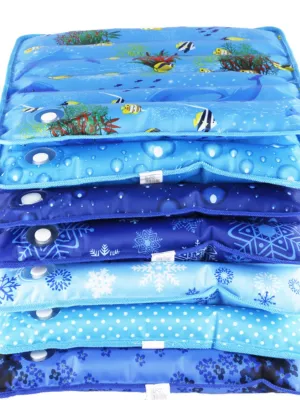
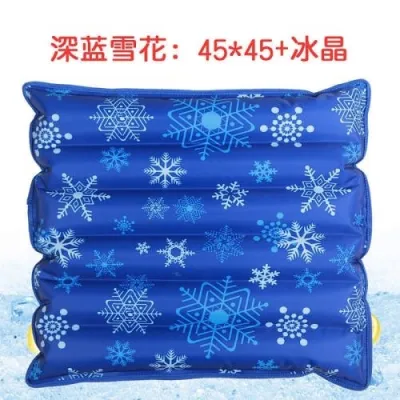
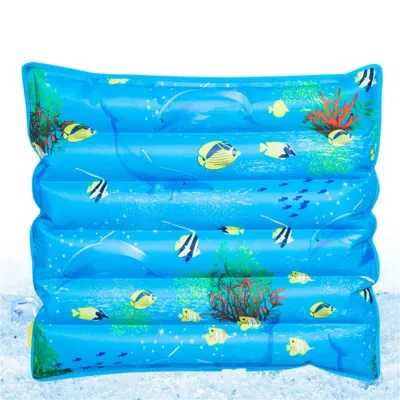
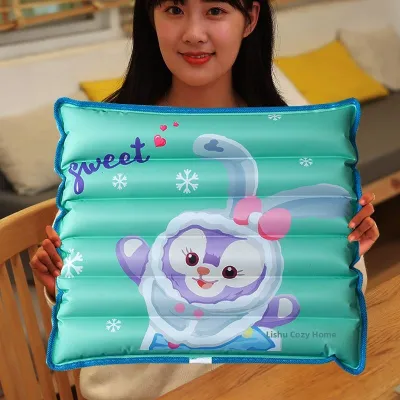
Prices are valid at publication and may change. Please refer to the product page for the latest price.
Phase-change material (PCM) cushions represent a more advanced category. These pads contain specialized compounds that absorb heat by transitioning from a solid to a liquid state at a specific temperature, usually calibrated between 25°C and 28°C. As long as the material is undergoing this phase change, it maintains a constant, cool temperature. Once the PCM has completely melted, however, it stops absorbing heat actively and must be left in a cooler environment—such as an air-conditioned room or cool water—to solidify and reset.
Because these cushions are completely passive and cordless, they require no electrical power, eliminating the voltage, wattage, and electrical safety concerns associated with active cooling pads in humid environments. However, the ambient environment still plays a decisive role in how these passive cooling technologies perform. In a non-air-conditioned Singapore flat, where indoor temperatures can hover around 30°C with high relative humidity, a passive cushion has a limited ability to dissipate heat. Once the cushion absorbs your body heat and reaches thermal equilibrium, it cannot cool down again unless the surrounding air is cooler than the cushion itself. Consequently, using a ceiling fan or standing fan to promote convective airflow around the cushion is necessary to help it shed heat and recover its cooling capacity.
Key Specifications to Evaluate for Effective Cooling
When comparing different brands, you should focus on verifiable technical specifications rather than vague performance promises. The first specification to examine is the outer fabric material. PVC (polyvinyl chloride) is highly durable and waterproof, making it excellent for containing liquids, but it lacks breathability and can feel sticky against bare skin in humid weather. To counter this, look for cushions that feature an outer layer of “ice silk” (a breathable synthetic blend designed to wick moisture) or those that come with a removable, washable cotton-blend cover that enhances tactile comfort.

Weight capacity and internal pressure distribution are equally critical for sustained performance. A high-quality cushion should feature internal baffles, tufting, or a honeycomb grid structure. These design elements prevent the water or gel from being squeezed entirely to the sides when you sit down, ensuring a consistent layer of cooling material remains directly beneath your pressure points. Without these internal supports, your body weight will displace the cooling medium, leaving you sitting on compressed fabric with no cooling benefit.
Thickness and core volume directly correlate with how long the cushion can absorb heat. A thicker cushion containing a larger volume of gel or water will provide a longer-lasting cooling effect, but it will also sit higher on your chair, potentially altering your ergonomic posture. You must balance the desire for extended cooling with the physical dimensions of your office chair or car seat. Additionally, inspect the edge sealing method; high-frequency heat welding is the industry standard for preventing seam splits under pressure.
Finally, always verify safety certifications and material safety data sheets (MSDS) when purchasing online or in-store. Look for labels indicating that the internal gel or plastic materials are non-toxic, phthalate-free, and certified by independent testing bodies such as SGS or OEKO-TEX. This is particularly important if the cushion will be used in households with children or pets, where accidental punctures could lead to skin contact or ingestion of the internal contents.
Matching Cushion Types to Your Daily Needs
Selecting the right cushion requires matching the product’s physical characteristics to the specific user and environment. A cushion designed for a climate-controlled office may perform poorly when used on a balcony or in a pet bed, as different scenarios demand distinct levels of durability, softness, and thermal capacity.
Cushions for Human Use (Office and Sleep)
For office workers and those seeking sleep relief, ergonomic comfort and skin-friendly textures are paramount. When sitting for eight hours a day, a cushion that is excessively cold initially can cause muscle stiffness, while one that warms up within thirty minutes offers little value. The ideal choice is a gel-infused or PCM cushion with a breathable fabric cover that provides a moderate, stable temperature drop. Ensure the cushion fits the dimensions of your chair without sliding, and prioritize models with non-slip rubber backings to maintain proper posture throughout the day.
Cushions for Pet Use
Pet owners must prioritize durability and safety above all else. Dogs and cats regulate their body temperature differently than humans, often seeking out cool surfaces to lie on during hot Singapore afternoons. However, their sharp claws can easily puncture standard human-grade water cushions. When shopping for pets, look for cushions constructed with multi-layered, scratch-resistant nylon or heavy-duty PVC. The internal cooling medium must be explicitly certified as non-toxic, as curious pets may chew on the corners. Additionally, choose a design with a completely waterproof, wipe-clean surface to simplify the cleanup of pet hair, dirt, and occasional accidents.
Maintenance and Safety Checks for Long-Lasting Cooling
Proper maintenance is essential to preserve the cooling efficiency of your cushion and extend its lifespan in Singapore’s humid climate. For cushions with PVC or nylon outer shells, routine cleaning involves wiping the surface with a soft cloth dampened with mild soap and water. Avoid using harsh chemical solvents or abrasive scrubbing pads, which can degrade the waterproof coating and weaken the seams. If your cushion includes a removable fabric cover, wash it weekly in cold water to remove accumulated sweat, body oils, and dust mites.
Regularly inspect your cushion for signs of material degradation. In high-humidity environments, mold and mildew can easily develop in the crevices of the cushion or between the cushion and the chair seat. Lift the cushion daily to allow both the seat and the cushion to air out. For gel cushions, check for gel clumping or hardening, which indicates that the polymer structure has broken down. For water-filled cushions, inspect the fill valve and seams for slow leaks or moisture buildup, which could damage your wooden furniture or office chair fabric.
When storing the cushion during periods of non-use, keep it flat in a cool, dry closet away from direct sunlight. Never fold a gel-infused pad tightly, as creasing can create permanent weak points along the fold lines, leading to eventual leaks. Avoid placing heavy objects on top of the stored cushion, as sustained static pressure can compromise the integrity of the heat-sealed edges over time.
Establish clear stop conditions for your cooling cushion. If you observe any fluid leakage, a persistent chemical odor, visible seam separation, or mold growth that cannot be cleaned, cease using the product immediately. Do not attempt to patch a leaking gel cushion with household tape, as the internal pressure of sitting will inevitably cause the patch to fail. Dispose of the damaged cushion according to local waste guidelines and consult the manufacturer’s warranty instructions if the failure occurs prematurely.
Decision Framework: Choosing the Right Water Cushion
To finalize your choice, use this structured decision framework to match your specific household conditions to the right product type:
- Choose a Gel or PCM Cushion if you require a low-maintenance, ready-to-use solution for an office chair or car seat. These cushions provide immediate, moderate cooling, offer excellent pressure relief, and do not require refilling, making them ideal for professional environments where convenience and ergonomics are key.
- Choose a Traditional Water-Filled Cushion if you prioritize maximum initial heat absorption and want the ability to adjust the cushion's firmness by adding or removing water. This option is highly effective for short-term cooling, provided you are comfortable managing the heavier weight and the routine maintenance of draining and refilling the bladder.
- Verify Pet-Specific Features First if the cushion is intended for a dog or cat. Never use a standard human-grade cushion for pets; instead, verify that the product packaging explicitly states "puncture-resistant," "scratch-proof," and "non-toxic gel formulation."
- Acknowledge Environmental Limits: Keep in mind that passive cooling cushions are not active air conditioners. If your room is hot, humid, and lacks air circulation, any passive cushion will eventually warm up to match your body temperature. For the best results in non-air-conditioned spaces, always pair your cushion with a standing fan or ceiling fan to facilitate heat dissipation.
Frequently Asked Questions (FAQ)
Do water cushions need to be refrigerated to work effectively?
No, water and gel cushions do not require refrigeration to function. They work passively by absorbing heat from your body because their materials have a lower initial temperature and a high capacity to store heat. While placing a cushion in the refrigerator for 10 to 15 minutes can provide an extra chill, you should never place a gel cushion in the freezer. Freezing temperatures can crystallize and permanently damage the internal polymer gel structure, causing it to lose its flexibility and heat-absorbing properties.
How can I prevent a water or gel cushion from leaking?
To prevent leaks, always place the cushion on a smooth, flat surface free of sharp debris, exposed screws, or rough wood grain. Avoid exposing the cushion to direct sunlight, as ultraviolet rays and high heat can degrade the plastic outer shell and weaken the heat-sealed seams. Using a breathable fabric protective cover not only improves comfort but also adds an extra layer of defense against accidental punctures from keys, pens, or clothing zippers. Finally, avoid exceeding the manufacturer’s specified weight limit to prevent seam failure under sudden pressure.
Community discussion
Share your experience or ask a question. Comments are reviewed before publication.