
Selecting the ideal wireless table lamp for studying in Singapore depends on your primary workspace and study habits. If you require a highly portable light source for hot-desking at local cafes, university libraries, or moving between rooms in an HDB flat, a dedicated portable brand prioritizing battery capacity and rugged casing is your best option. Conversely, if your studies are centered at a fixed desk where you need precise eye-care features, high color accuracy, and adjustable color temperatures, a premium smart task lighting brand is superior, even if it requires more frequent charging. For casual reading or secondary lighting on a tight budget, a lifestyle tech brand offers excellent value, provided you verify its local warranty and charging safety standards.
To make an informed decision, you must compare how different brand categories balance light quality, battery longevity, and structural durability. This guide evaluates these critical dimensions to help you choose the right wireless table lamp for your academic or professional needs.
Why Choose a Wireless Table Lamp for Studying in Singapore?
In Singapore’s fast-paced academic and professional landscape, study environments must be highly adaptable. Residential spaces, including Housing & Development Board (HDB) flats, condominiums, and student dormitories, often require multi-functional rooms where a dining table or a compact desk doubles as a workspace. Traditional wired desk lamps limit your setup by tethering you to the nearest wall outlet, which can lead to cluttered extension cords stretching across high-traffic walkways.
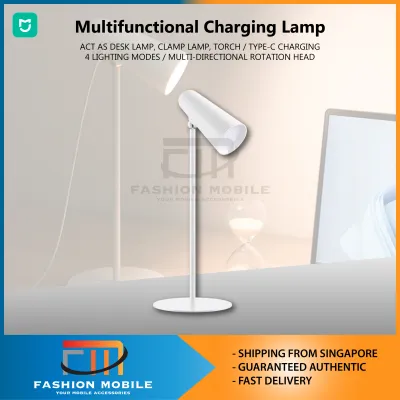
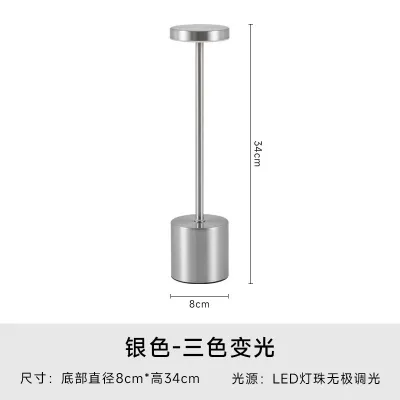
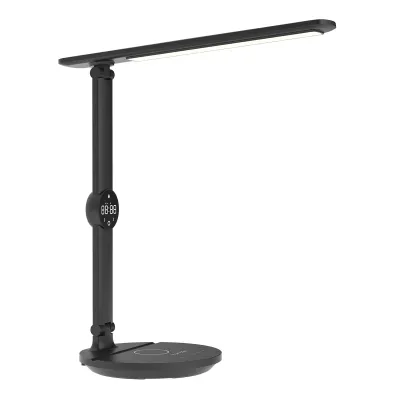
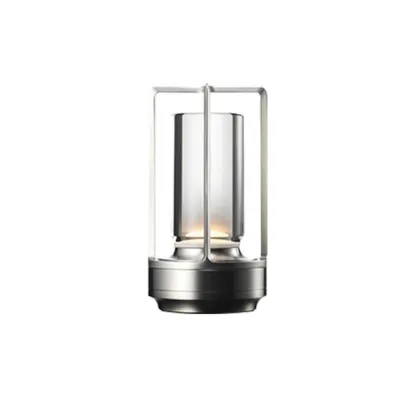
Products mentioned in this guide
![[LUMENA] SPACE ON PLUS | Wireless Table Lamp | Aesthetic Bedside Night Light | 9600mAh Dimmable LED Mood Lamp | Portable Desk Light Home Decor](https://img.lazcdn.com/g/p/0e7bf2ce1e218af57c6e812efcfc1e98.jpg_400x400q80.jpg_.webp)
![[LUMENA] SPACE S | Wireless Mini Portable Lamp | Aesthetic Bedside Night Light | 3 Color Dimmable Mood Lamp | Home Decor Table Light + Charging Cradle](https://img.lazcdn.com/g/p/dab8dbdeda96c7147eb0e1535a39cb4f.jpg_400x400q80.jpg_.webp)
Prices are valid at publication and may change. Please refer to the product page for the latest price.
A wireless table lamp eliminates cable clutter, instantly maximizing the usable surface area of a compact study table. This spatial efficiency is crucial when your desk must accommodate a laptop, textbooks, notebooks, and writing instruments simultaneously. Additionally, a cordless design allows you to transition your study sessions seamlessly from a warm bedroom to a breezy balcony or a shared living room dining table without interrupting your focus.
Furthermore, portable illumination serves as a reliable backup during localized power maintenance or unexpected electrical trips. By removing physical constraints, a high-quality wireless lamp ensures that your study environment is defined by your personal comfort and focus rather than the placement of your home’s electrical sockets.
Core Comparison Dimensions for Study Use
Evaluating a wireless table lamp requires looking beyond aesthetic appeal. To support long hours of reading and writing, a lamp must meet specific performance standards across three core areas: optical quality, battery efficiency, and physical engineering.

Brightness and Eye Comfort for Long Study Sessions
When studying for extended periods, light quality directly impacts cognitive fatigue and eye strain. You must evaluate both light output (measured in lumens) and the actual illuminance on your desk surface (measured in lux). For comfortable reading and writing, a desk surface should ideally receive between 300 and 500 lux of illuminance at a typical working distance. Ensure the manufacturer provides clear specifications for lux levels at specific heights rather than just a generic lumen rating.
Adjustable Correlated Color Temperature (CCT) is another essential feature for study lamps. Color temperature is measured in Kelvin (K), and different settings serve distinct cognitive purposes:
- Cool White Light (4000K to 5000K): Mimics natural daylight, which helps promote alertness, focus, and concentration during intense daytime study sessions or exam preparation.
- Warm White Light (2700K to 3000K): Reduces blue light exposure in the evening, signaling your body to produce melatonin and helping you wind down after a late-night revision session.
In addition to color temperature, prioritize flicker-free technology. Invisible high-frequency flickering from low-quality light-emitting diodes (LEDs) can cause headaches, eye fatigue, and difficulty focusing. Look for lamps that utilize direct current (DC) dimming rather than low-frequency pulse-width modulation (PWM) to control brightness. Finally, check the Color Rendering Index (CRI or Ra) of the lamp. A high CRI rating of Ra 90 or above ensures that colors appear natural and vivid, which is particularly critical for design, architecture, or medical students who study highly detailed, color-coded diagrams.
Battery Life and Real-World Usage
Manufacturers frequently advertise impressive battery runtimes, sometimes claiming up to 40 or 50 hours of continuous use. However, these figures are almost always calculated using the lamp’s lowest brightness setting, which is typically insufficient for active studying. For practical study purposes, you must look for the battery capacity, measured in milliampere-hours (mAh), and the estimated runtime at medium-to-high brightness levels.
A reliable study lamp should provide at least 3 to 6 hours of continuous operation at a comfortable study brightness (approximately 150 to 200 lumens). To achieve this, look for a battery capacity of 2000mAh or higher.
The charging interface is also a vital consideration for daily convenience. USB-C has become the modern standard in Singapore, allowing you to recharge your lamp using the same cables and power banks you use for your smartphone or laptop. Additionally, verify if the lamp supports pass-through charging. This feature allows you to use the lamp safely while it is plugged into a power source, ensuring your study session is not cut short if the battery drains completely.
Build Quality, Stability, and Desk Footprint
Because wireless lamps are designed to be moved frequently, their physical construction must be durable enough to withstand daily handling. The choice of materials plays a major role in both longevity and performance. Aluminum alloys and high-grade polycarbonate are superior to cheap, lightweight plastics, which can become brittle and yellow over time under Singapore’s warm, humid climate.
Metal casings also offer superior heat dissipation. LEDs generate heat at their base, and if this heat is not dissipated efficiently, it can degrade the LED chips and accelerate battery capacity loss over time.
Physical stability is equally important on a busy desk. A stable lamp requires a weighted base or a secure clamp mechanism to prevent it from tipping over when you adjust the angle of the arm. The hinges and joints should be engineered with high-quality tension fittings or magnetic locks. Cheap plastic goosenecks or friction joints often loosen over time, causing the lamp head to droop and misdirect the light. Finally, consider the desk footprint; a compact or folding base ensures the lamp does not consume valuable space that could otherwise hold your study materials.
How Popular Brand Categories Compare
To help you navigate the diverse market of wireless table lamps in Singapore, we can group available options into three distinct brand categories. Each category represents a different design philosophy, prioritizing specific features to suit different user profiles.
Premium Smart and Task Lighting Brands
Premium brands specializing in ergonomic task lighting focus heavily on optical engineering, eye health, and automated convenience. These brands design lamps specifically for demanding academic and professional environments where visual comfort is paramount.
- Optical Precision: These lamps often feature advanced optical designs, such as asymmetric light distribution, which directs light across your desk at an angle to prevent screen glare on laptops and tablets. They regularly achieve high CRI ratings (Ra 95 or higher) and carry strict eye-care certifications, including IEC blue light hazard safety standards.
- Smart Features: Many models in this category include built-in ambient light sensors that automatically adjust the lamp's brightness to maintain a constant, comfortable level of illumination as daylight fades.
- Trade-offs: Premium engineering comes at a higher financial cost, with prices often ranging from S$120 to over S$300. Additionally, because these lamps utilize high-power LEDs to achieve superior brightness and color accuracy, they consume more energy. Consequently, their battery runtimes at maximum brightness are often shorter than those of simpler models, and their heavier, more robust frames make them less suitable for casual travel.
Dedicated Portable and Outdoor Lighting Brands
Brands that originated in the portable, tactical, or outdoor lighting sectors approach desk lamps with a focus on durability, energy efficiency, and long-lasting battery performance. These lamps are built to withstand physical impacts and environmental exposure.
- Durability and Battery Life: These lamps often feature robust, impact-resistant aluminum or heavy-duty polymer bodies. Their battery management systems are highly optimized, utilizing high-density lithium-ion cells that can deliver exceptionally long runtimes—frequently exceeding 10 hours at usable study brightness levels. Some models also carry ingress protection (IP) ratings, making them resistant to dust and moisture, which is beneficial if you enjoy studying on an outdoor patio or balcony.
- Versatile Mounting: Because they are designed for mobile use, these lamps often feature highly flexible designs, including integrated hanging hooks, magnetic bases, or heavy-duty clamps that allow you to secure the light to various surfaces.
- Trade-offs: While highly durable and long-lasting, outdoor-focused brands may offer less precise color temperature adjustments. Their light spectrums are sometimes optimized for general visibility rather than focused reading, meaning they may lack the high CRI ratings or asymmetric glare-reduction features found in dedicated indoor task lights.
Budget-Friendly and Lifestyle Tech Brands
Budget-friendly lifestyle and consumer electronics brands focus on delivering modern aesthetics, basic smart features, and high value for money. These lamps are highly popular among students and young professionals looking for an affordable, stylish addition to their study setups.
- Aesthetics and Value: These brands excel at creating clean, minimalist designs that complement modern home decor. They are highly affordable, with prices typically ranging from S$20 to S$60. Despite the low price point, they often include convenient features such as step-less touch dimming, basic color temperature presets, and standard USB-C charging ports.
- Smart Home Integration: Some lifestyle brands offer basic smart connectivity, allowing you to control the lamp's brightness, schedule timers, or change light profiles via a mobile application on your smartphone.
- Trade-offs: To keep prices low, these manufacturers rely heavily on plastic components, which may feel less sturdy and wear out faster at the hinges. The optical diffusers are often basic, which can lead to slightly uneven light distribution or glare. Furthermore, color rendering is typically lower (around Ra 80), and local warranty coverage can vary significantly depending on whether you purchase from an authorized local distributor or a parallel importer.
Decision Framework: Choosing the Right Brand for Your Setup
To select the best wireless study lamp, you must match your specific study habits and physical environment with the strengths of each brand category.
- The Dedicated Desk Scholar: If you study almost exclusively at a fixed desk in your home, prioritize Premium Smart and Task Lighting Brands. The superior optical comfort, high CRI, and automatic brightness adjustments will protect your eyes during long study sessions. Because you are close to a power outlet, you can easily keep the lamp plugged in or recharge it daily, making its shorter battery life a minor concern.
- The Mobile Academic: If you frequently study in university libraries, hot-desking spaces, or local cafes, select Dedicated Portable Brands. Look for a model with a robust aluminum frame, a folding design that fits easily into a backpack, and a battery capacity of at least 3000mAh. This ensures your lamp can withstand transit and run for an entire day of study without requiring a power outlet.
- The Casual Reader or Budget-Conscious Student: If you need a secondary light source for light reading, have limited desk space, or are working within a strict budget, choose Budget-Friendly and Lifestyle Tech Brands. Opt for a compact, lightweight model with a simple USB-C port so you can power it using your existing laptop charger or a portable power bank.
Regardless of which brand category you choose, always verify the electrical specifications of the charging system. Ensure the lamp’s input voltage matches standard USB power supplies (typically 5V/1A or 5V/2A). If you plan to connect the charging cable directly to a wall outlet, ensure you use a high-quality USB wall adapter that carries the Safety Mark issued by Enterprise Singapore, guaranteeing it has been tested and certified for safe use on Singapore’s 230V/50Hz electrical grid.
What to Verify Before Purchasing Online
Before finalizing your purchase on local e-commerce platforms or online marketplaces, complete a few practical checks to ensure a smooth buying experience and long-term satisfaction.
First, carefully review the warranty terms. Many popular wireless lamps are sold as parallel imports, which may be cheaper but often lack local warranty coverage. Ensure you purchase from an authorized local distributor that offers a clear Singapore-based warranty (ideally 12 to 24 months). This protects you if the internal lithium-ion battery or the LED driver experiences premature failure.
Second, check the exact contents of the product packaging. Some manufacturers omit the wall charger to reduce packaging waste, supplying only a USB cable. If a wall adapter is included, verify that it features a standard Type G three-pin plug suitable for Singapore outlets.
Finally, read customer reviews specifically regarding light quality and hinge durability. Look for feedback from users who have tested the lamp over several months to confirm that the joints remain stiff and that the light does not produce noticeable eye strain or headaches during extended study sessions.
Community discussion
Share your experience or ask a question. Comments are reviewed before publication.