
Quick Answer: Which Cooling Material Works Best?
Selecting the ideal cooling seat cushion is not a matter of finding a single, universally superior material. Instead, the right choice depends entirely on your personal comfort priorities, sitting habits, and whether you require physical pressure relief or moisture management. Passive cooling cushions do not act as active refrigeration units; rather, they function by delaying heat buildup, wicking away moisture, and facilitating natural airflow to prevent warmth from trapping against your body.
For those seeking an immediate, refreshing sensation of coolness upon sitting, solid gel cushions with a honeycomb or grid structure are highly effective. If your primary concern is physical discomfort, tailbone pressure, or lower back pain, a specially engineered cooling memory foam cushion provides unmatched ergonomic contouring while utilizing ventilation channels or gel infusions to mitigate heat retention. For individuals struggling with sweat, humidity, and skin stickiness in warm environments, bamboo fiber and bamboo charcoal cushions excel at managing moisture and promoting breathability rather than providing an icy surface feel.
How Gel, Memory Foam, and Bamboo Manage Heat
To understand how these materials perform, it is essential to examine the physical mechanisms they use to regulate temperature and manage moisture. Each material interacts differently with body heat and the surrounding atmosphere, which determines how long they remain comfortable during extended sitting sessions.
Products mentioned in this guide
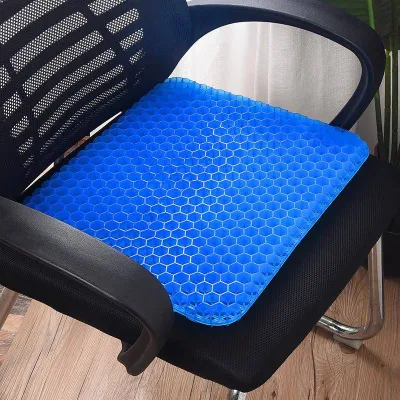
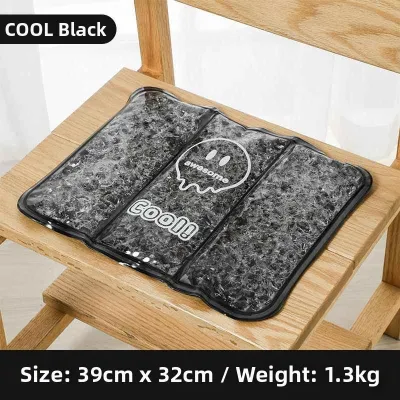
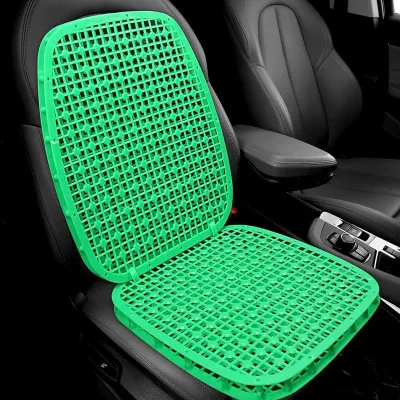
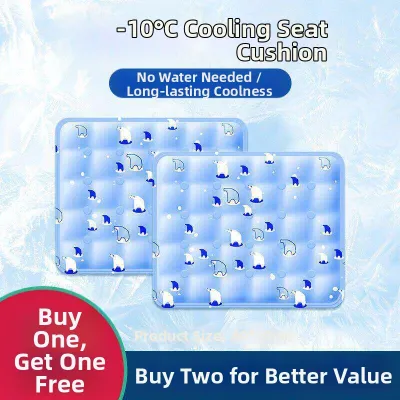
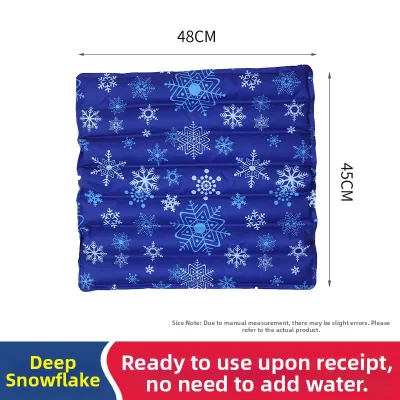
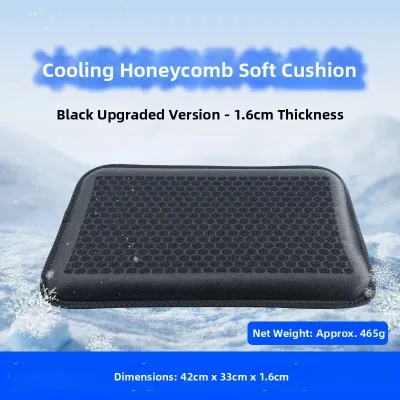
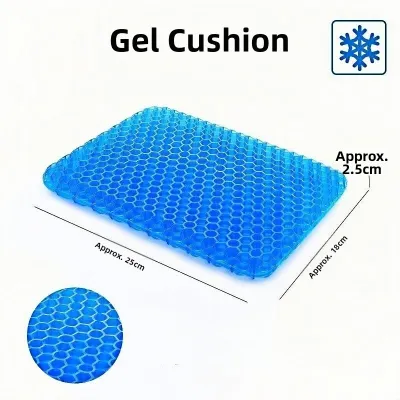
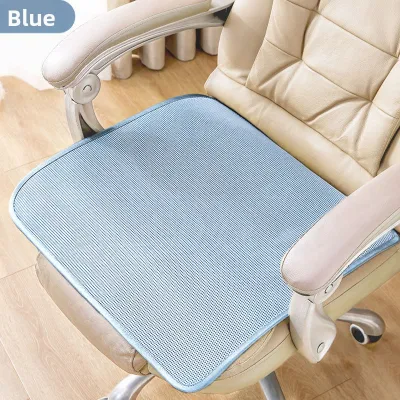
Prices are valid at publication and may change. Please refer to the product page for the latest price.

Solid gel materials operate primarily on the principle of thermal conductivity and heat capacity. Gel has a high thermal mass, meaning it can absorb a significant amount of heat from your body before its own temperature rises. When you first sit on a gel cushion, heat quickly transfers from your skin to the cooler gel, creating an instant cooling sensation. However, because gel is a dense material, solid blocks of it can eventually saturate with heat. To counteract this, manufacturers design gel cushions with open honeycomb or grid structures, which use physical air columns to allow heat to escape via convection rather than trapping it within the material.
Traditional memory foam, or viscoelastic polyurethane foam, is naturally dense and consists of millions of tiny, closed cells. This structure makes it an excellent insulator, which is why standard memory foam is notorious for trapping body heat and warming up over time. To address this limitation, modern cooling memory foam incorporates open-cell formulations that allow air to pass through the material more freely. Additionally, manufacturers often infuse the foam with conductive gel micro-particles or design physical ventilation channels through the core to break up the dense, heat-trapping cell structure.
Bamboo cushions approach heat management through breathability and moisture control rather than direct thermal absorption. Bamboo fiber, which is typically woven into the cushion’s cover, features microscopic gaps and holes that pull moisture away from the skin through capillary action, allowing sweat to evaporate rapidly. Bamboo charcoal, which is often infused into the foam core or used as a loose filling, is created by pyrolyzing bamboo at high temperatures. This process creates an ultra-porous structure that acts as a natural desiccant, adsorbing moisture vapor and neutralizing odors.
In a tropical climate like Singapore, managing humidity and sweat is just as critical as managing direct body heat. High ambient humidity prevents sweat from evaporating efficiently from your skin, leading to a sticky, uncomfortable boundary layer of air between your body and the seat. A material that excels at moisture-wicking and airflow, such as bamboo or a highly ventilated gel grid, is essential for maintaining comfort in these conditions.
Material Breakdown: Pros, Cons, and Comfort Profiles
Gel Cushions (Solid and Gel-Infused)
Solid gel cushions, particularly those featuring a hyper-elastic polymer grid, offer a unique sitting experience characterized by high elasticity and immediate cooling. The primary appeal of a solid gel grid is its ability to maintain open air channels directly beneath the user, allowing continuous ventilation that prevents heat from building up. Because the polymer does not compress into a solid mass like foam, air can circulate freely with every movement.
The initial cool-to-the-touch sensation of solid gel is unmatched by foam materials. However, users should be aware of the thermal saturation point. After approximately 30 to 45 minutes of continuous contact, the gel will eventually absorb enough body heat to reach thermal equilibrium, at which point the active cooling sensation diminishes. Once you stand up, the gel quickly dissipates this heat and resets to its cool state.
In terms of support, solid gel grids provide a firm, springy feel. They distribute weight evenly by buckling under high-pressure areas, such as the sit bones, while supporting the surrounding tissue. A notable drawback of solid gel cushions is their weight; they are significantly heavier than foam or bamboo options, making them less convenient to carry around. Additionally, some users find the rubbery texture unusual if used without a fabric cover.
Gel-infused foam cushions represent a hybrid category. Instead of a solid polymer grid, these cushions consist of memory foam mixed with liquid gel or gel beads. While the gel beads help absorb initial heat, the overall cooling performance is generally lower than that of a solid gel grid, as the underlying foam structure still restricts overall airflow.
Memory Foam (Traditional vs. Cooling Variants)
Traditional memory foam is highly valued for its pressure-relieving properties, as it responds to body heat and weight to contour precisely to your shape. However, this contouring effect increases the surface area of contact between your body and the cushion, which further traps heat and can lead to a warm, sweaty seating experience.
To resolve this issue, cooling variants employ several design modifications. Ventilated memory foam features physical holes drilled vertically or horizontally through the cushion to establish clear pathways for air circulation. Some premium models also incorporate phase-change materials (PCMs) in the cover or upper layer. These materials absorb, store, and release heat as they transition from a solid to a liquid state at a microscopic level, helping to maintain a consistent, comfortable surface temperature.
For users dealing with chronic back pain, sciatica, or tailbone discomfort, a contoured cooling memory foam cushion is often the most supportive option. The material cradles the pelvic region, reduces pressure on the coccyx, and promotes proper spinal alignment. The trade-off is that even the most advanced cooling memory foam will generally feel warmer over time than an open-structure gel grid, as the material relies on ambient air movement to dissipate the heat it absorbs.
Bamboo Charcoal and Bamboo Fiber Cushions
Bamboo-based cushions are highly favored for their natural, lightweight, and exceptionally breathable characteristics. It is important to distinguish between the two primary ways bamboo is utilized in seat cushions: bamboo fiber covers and bamboo charcoal-infused fillings.
Bamboo fiber is processed into a soft, silky viscose fabric that is exceptionally gentle on the skin. It possesses natural moisture-wicking properties, drawing sweat away from your body and allowing it to evaporate quickly. This makes bamboo fiber covers an excellent choice for keeping your skin dry and preventing the sticky feeling that often occurs when sitting on synthetic polyester covers in warm weather.
Bamboo charcoal is integrated directly into the cushion’s core, either infused into a polyurethane foam base or packed as loose, treated charcoal particles. The highly porous nature of bamboo charcoal allows it to act as a natural filter, absorbing excess moisture from the air and preventing the growth of mold, mildew, and bacteria. Furthermore, bamboo charcoal is highly effective at neutralizing odors, making these cushions ideal for long-term use in humid environments or in vehicles where stale air can accumulate.
While bamboo cushions excel at moisture control and breathability, they do not provide the distinct, icy sensation of gel. Instead, they maintain a neutral, dry, and comfortable temperature. From a support perspective, bamboo charcoal foam cushions offer a slightly firmer feel than traditional memory foam, while shredded or particle-filled bamboo cushions provide a soft, moldable support profile similar to a traditional pillow.
Quick Comparison: Cooling Performance and Support
To help you quickly evaluate the differences between these three materials, the table below summarizes their performance across key comfort and usability dimensions.
| Material | Initial Cooling Feel | Long-Term Heat Management | Pressure Relief | Best Use Case |
|---|---|---|---|---|
| Solid Gel Grid | High / Immediate Cool | Moderate (Saturates over time) | Moderate to Firm | Short-to-medium sitting, high-airflow needs, hot car seats |
| Cooling Memory Foam | Moderate | Moderate (Relies on ventilation) | Excellent | Long office hours, posture support, tailbone pain relief |
| Bamboo Fiber / Charcoal | Neutral to Mild | High (Excellent moisture wicking) | Low to Moderate | Humid environments, sweat prevention, lightweight travel |
While this table provides a general baseline for each material type, individual product implementations can vary significantly. Always check the manufacturer’s specific product details, as high-quality construction and specialized cover designs can enhance a cushion’s performance beyond these standard material characteristics.
Decision Framework: Choose the Right Cushion for Your Needs
Choose Gel If…
You should opt for a solid gel cushion if you prioritize an immediate, refreshing cooling sensation and frequently sit in warm environments without air conditioning. Gel grids are particularly beneficial for car seats, especially after a vehicle has been parked in the sun, as they quickly draw heat away from your body. Gel is also the ideal choice if you prefer a highly elastic, springy support profile that does not sink too deeply, or if you need a heavy-duty cushion that will not lose its shape or compress flat over months of continuous use.
Choose Memory Foam If…
A cooling memory foam cushion is the best choice if your primary goal is ergonomic support, pressure relief, and pain management during long hours of desk work. If you sit for six or more hours a day and suffer from lower back stiffness or coccyx pain, the contouring properties of memory foam are essential. To ensure you do not overheat, select a model that explicitly features ventilation holes, a gel-infused core, or a specialized breathable cover to facilitate air movement.
Choose Bamboo If…
Select a bamboo fiber or bamboo charcoal cushion if your main comfort challenge is sweat, humidity, and skin stickiness rather than severe physical pain. Bamboo is ideal for those who prefer natural, eco-friendly materials and want a lightweight, portable cushion that can easily be moved between an office chair, a dining chair, and a vehicle. It is also the perfect option if you live in a highly humid area and want a cushion that naturally resists odors and remains fresh over long-term use.
Verify First: Checking Product Specifications
Before finalizing your purchase, it is crucial to verify several key specifications to ensure the cushion is compatible with your seating setup and physical needs. First, measure your chair’s dimensions and compare them to the cushion’s width and depth. A cushion that is too large may hang over the edges of your seat, while one that is too thick can raise your seating height excessively, altering your ergonomic posture and forcing your knees or wrists into uncomfortable angles.
Next, check the weight capacity specified by the manufacturer. Both gel and memory foam have limits; exceeding these limits will cause the cushion to bottom out, eliminating both its support and its cooling benefits. Additionally, ensure the cushion features a high-quality, non-slip bottom surface or an integrated strap system to prevent it from sliding on smooth leather, wood, or plastic chairs.
Finally, confirm that the cushion has a fully removable and machine-washable cover. Regular washing is essential for maintaining hygiene and preserving the cooling properties of the fabric, especially when using the cushion in warm, humid climates.
Maintaining Your Cooling Seat Cushion
Proper care and maintenance are vital to preserving both the structural integrity and the cooling performance of your seat cushion over time. Neglecting care guidelines can damage the materials, reduce their supportive properties, and lead to hygiene issues.
For solid gel cushions, the most important rule is to keep the gel core out of direct, prolonged sunlight. UV exposure and extreme heat can degrade the polymer material, causing it to warp, melt, lose its elasticity, or become sticky. If the gel grid itself requires cleaning, remove the cover and gently rinse the gel with cool water and a mild soap. Avoid using harsh chemical solvents, and allow the gel grid to air dry completely in a shaded, well-ventilated area before replacing the cover.
For memory foam cushions, never submerge the foam core in water or place it in a washing machine. Water can easily degrade the delicate cellular structure of polyurethane foam, causing it to crumble, lose its shape, and trap moisture internally, which can lead to mold growth. Instead, spot clean any spills or stains on the foam core using a damp cloth and a mild detergent. Always wash the removable cover separately, and ensure the foam core is 100% dry before putting the cover back on.
For bamboo cushions, air out the bamboo charcoal core or insert regularly in a shaded, outdoor area to allow trapped moisture to escape and to reactivate the charcoal’s odor-adsorbing properties. Wash the removable bamboo fiber cover on a gentle, cool cycle in your washing machine, and avoid using fabric softeners, which can coat the fibers and reduce their natural moisture-wicking capabilities.
Always refer to the specific care and washing instructions provided on your product’s label, as manufacturers may use proprietary material blends that require specialized care.
Frequently Asked Questions (FAQ)
Do cooling seat cushions actually lower your body temperature?
No, passive cooling seat cushions cannot actively reduce your core body temperature. Instead, they work by absorbing initial body heat, improving airflow to dissipate warmth, and wicking away sweat. This process delays the buildup of heat and humidity, creating a significantly cooler and more comfortable seating surface compared to standard upholstery fabrics or dense leather seats.
Can I use a heavy gel cushion on a mesh office chair?
Yes, you can use a gel cushion on a mesh chair, but you should do so with caution. Solid gel cushions are heavier than foam or bamboo options, and this concentrated weight can stretch or alter the tension of the mesh suspension over time. If you choose to use a gel cushion on a mesh seat, ensure the cushion has an effective non-slip backing to prevent sliding, and verify that the combined weight of your body and the cushion does not exceed the chair’s maximum weight capacity.
Community discussion
Share your experience or ask a question. Comments are reviewed before publication.