
Choosing between copper and bronze sculptures for your home decor comes down to balancing visual warmth, structural weight, and how you want the piece to age. While both metals share a rich heritage, they serve different design purposes. Copper offers a bright, reddish-orange glow and a lighter physical profile, making it highly suitable for modern interiors and delicate wall mountings. Bronze, an alloy known for its exceptional strength and weight, delivers a classic, deep golden-brown aesthetic that anchors traditional or formal spaces. Understanding how these materials behave under different environmental conditions—such as high indoor humidity—will ensure your investment remains a stunning focal point for decades.
Core Material Differences: Pure Copper vs Bronze Alloy
To make an informed choice, it is essential to understand what these metals are at a molecular level. Pure copper is an elemental metal, prized for its high ductility and malleability. Because it is relatively soft in its unalloyed state, artists often work with copper by hammering, spinning, or bending sheets into organic, flowing shapes. This malleability allows for beautiful, hand-crafted textures but limits the metal’s ability to support immense weight or hold extremely fine, self-supporting structural details without warping.
Bronze, by contrast, is a copper-based alloy, historically created by melting copper and combining it with tin, though modern variations may include silicon, manganese, or aluminum. This alloying process dramatically alters the physical properties of the metal. Bronze is significantly harder, denser, and heavier than pure copper. Its high fluidity when molten makes it the premier choice for the lost-wax casting method, allowing sculptors to capture incredibly intricate details, from the fine lines of a figurine’s hair to the delicate folds of cast drapery.
Products mentioned in this guide
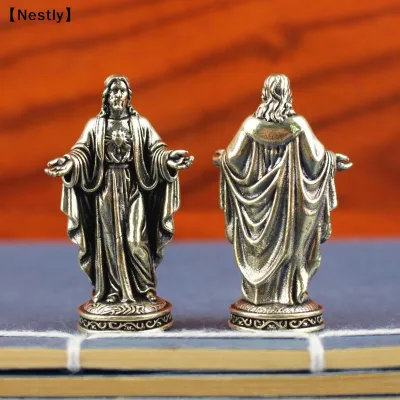
Prices are valid at publication and may change. Please refer to the product page for the latest price.
These physical differences directly dictate where and how you can display the sculpture in your home. A solid bronze sculpture of moderate size can easily weigh several kilograms, requiring a sturdy pedestal, a solid wood console, or a reinforced floor space. Placing a heavy bronze piece on a lightweight floating shelf or a plasterboard partition wall common in modern apartments can pose a serious structural hazard. Copper sculptures, often constructed from hollow sheets or thinner wire frames, exert much less load, making them safer candidates for elevated shelving, glass-fronted cabinets, or delicate wall-mounted art installations.
Aesthetic Styles and Patina Evolution
The visual impact of a sculpture is defined not only by its initial finish but also by how it interacts with light and air over time. Newly finished copper displays a bright, reflective, reddish-gold surface that radiates warmth. This vibrant tone makes copper an excellent match for contemporary, industrial, or minimalist interiors, where it can serve as a striking accent against cool concrete, matte black fixtures, or neutral color palettes. Over time, however, copper reacts with oxygen and moisture in the air. In humid environments, this oxidation process is accelerated, gradually transforming the bright metal into a deep, matte brown before eventually developing a powdery, pale-green crust known as verdigris.

Bronze begins its life with a more subdued, complex color profile. Depending on the specific alloy mix and the initial chemical patina applied by the foundry, bronze sculptures range from warm golden-brown and deep chocolate to near-black hues. This depth of color gives bronze an inherent sense of weight, history, and permanence, aligning beautifully with classical, traditional, mid-century modern, or eclectic gallery-style decor. The metal absorbs light rather than reflecting it sharply, allowing the shadows in its cast details to create a sense of three-dimensional depth.
The aging process of bronze is generally more subtle and controlled than that of copper. Instead of turning bright green quickly, indoor bronze sculptures typically develop a rich, dark patina that highlights the raised surfaces through handling while deepening the recessed areas. If your home experiences high indoor humidity or is located near coastal areas, both metals will oxidize more rapidly. Understanding this evolutionary trait is crucial: if you prefer a pristine, unchanging metallic sheen, you will need to commit to protective coatings, whereas if you appreciate a living, changing piece of art, the natural patina of either metal will offer endless visual interest.
Maintenance Routines and Care Boundaries
Preserving the beauty of a metal sculpture requires a clear understanding of safe cleaning boundaries, as improper care can permanently damage the surface finish or strip away a valuable patina. For everyday upkeep, both copper and bronze sculptures require very little effort. Regular dusting with a clean, dry, ultra-soft microfiber cloth or a soft-bristled makeup brush is usually sufficient to prevent dust from settling into intricate crevices. Dust can attract moisture, which in turn accelerates localized corrosion, making routine dusting the most effective preventive maintenance step.
When deeper cleaning is necessary to remove fingerprints or surface grime, simplicity is key. A mild, pH-neutral dish soap diluted in distilled water is the safest cleaning agent. Dampen a soft cloth with the soapy water, gently wipe the surface, and immediately rinse with a separate cloth dampened with clean distilled water. The most critical step in this process is drying; use a fresh, dry cloth to remove every trace of moisture, as standing water can leave unsightly mineral spots or trigger rapid, uneven oxidation.
You must establish strict boundaries when dealing with tarnish or patina. Never use harsh chemical polishes, abrasive scouring pads, steel wool, or unverified home remedies like vinegar, lemon juice, or baking soda paste on high-quality sculptures. These acidic or abrasive substances can strip away the protective wax coatings applied by the artist, scratch the soft metal, or dissolve the intentional patina that gives the piece its character. If a copper sculpture has lost its luster and you wish to restore its bright shine, use only specialized, non-abrasive metal polishes formulated specifically for copper, testing it first on an inconspicuous area like the underside of the base. For valuable, antique, or highly detailed bronze pieces, avoid all DIY restoration attempts and consult a professional conservator to clean or re-wax the sculpture.
Evaluating Cost Drivers and Long-Term Value
When budgeting for a metal sculpture, understanding the underlying cost drivers will help you evaluate whether a piece is priced fairly. While the raw material cost of copper and tin plays a role, it is rarely the primary factor determining the retail price. Instead, the complexity of the fabrication process and the level of craftsmanship involved are the true drivers of value. Bronze sculptures created via the traditional lost-wax casting method require an immense amount of skilled labor, involving mold making, metal pouring, chasing, welding, and hand-applying chemical patinas. This labor-intensive process, combined with the limited-edition runs typical of fine art bronzes, justifies a higher price point, often ranging from several hundred to many thousands of S$.
Copper sculptures, while still requiring significant skill, are often fabricated using less time-consuming methods, such as hammering sheets (repoussé) or welding pre-formed components. This makes copper art generally more accessible, though highly detailed, one-of-a-kind artisan copper pieces can still command premium prices. Additionally, you must factor in the secondary costs associated with the sculpture’s physical properties. A heavy bronze piece may incur substantial shipping and handling fees, and might require you to invest in professional installation or reinforced mounting hardware to ensure it is safely secured to your wall or floor.
To protect your investment, always perform a thorough verification check before purchasing from an online marketplace, antique shop, or physical gallery. Look for maker’s marks, foundry stamps, or signatures etched into the metal, which indicate authenticity and origin. Be particularly cautious of terms like “cold cast bronze” or “bonded bronze.” These are industry terms for a mixture of bronze powder and synthetic resin; while they can look remarkably like solid metal and are highly affordable, they lack the weight, structural durability, metallic ring, and long-term value of genuine, hot-cast bronze.
Final Decision Framework for Your Space
To finalize your choice, evaluate your home’s physical environment alongside your personal aesthetic goals. Choose copper if you are drawn to vibrant, warm, reddish-orange tones that complement modern or industrial decor, and if you require a lighter piece that can safely sit on floating shelves, glass cabinets, or plasterboard walls without structural reinforcement. Copper is also ideal if you enjoy hand-hammered, organic textures and are comfortable with either maintaining its bright shine or letting it transition into a rustic, green-hued verdigris over time.
Choose bronze if you prefer a classic, timeless aesthetic with deep, rich golden-brown or chocolate tones, and if you appreciate highly detailed, intricate figurative work that requires structural rigidity. Bronze is the superior choice for heavy, ground-level displays, sturdy pedestals, or solid wood furniture where its substantial weight can be safely supported. Keep in mind that bronze will develop a subtle, dark patina over time, which enhances its historical character and requires minimal intervention to preserve.
Before making any purchase, always verify the weight limits of your intended display surface and assess the humidity levels of the room. If you are buying online, review the seller’s material disclosures and return policies carefully to protect yourself against mislabeled resin imitations, ensuring your new sculpture brings genuine beauty and value to your living space.
Frequently Asked Questions (FAQ)
Can copper or bronze sculptures be displayed outdoors?
While both metals are highly durable, displaying indoor-rated sculptures outdoors carries significant risks of rapid degradation. Outdoor environments expose the metal to rain, direct sunlight, temperature swings, and high humidity, which will drastically accelerate the oxidation process. An indoor copper sculpture will quickly lose its bright finish and turn a mottled green, while an indoor bronze piece may develop uneven black streaks or powdery green spots. Furthermore, indoor sculptures often lack the specialized, weather-resistant protective sealants and heavy-duty mounting hardware required to withstand wind or prevent theft. To avoid ruining a beautiful piece of art, never place a sculpture outdoors unless the manufacturer or artist has explicitly rated it for exterior use and applied an outdoor-grade protective lacquer or wax.
How do I check if a sculpture is solid metal or plated?
Verifying whether a sculpture is solid copper or bronze rather than plated base metal or resin can be done through a few simple, non-destructive checks. First, assess the weight and temperature of the piece; solid metal feels heavy for its size and cold to the touch, warming up slowly in your hand, whereas resin imitations feel relatively light and warm up almost instantly. Next, inspect the underside or crevices for seam lines from plastic molds, or look for areas where the surface coating might have worn away, revealing a different base metal underneath. You can also perform a simple magnet test: pure copper and bronze are non-magnetic, so if a magnet clings tightly to the sculpture, it is likely made of iron or steel with a thin copper or bronze plating. For high-value acquisitions, always request a certificate of authenticity from the seller or consult a professional appraiser to verify the material composition.
Community discussion
Share your experience or ask a question. Comments are reviewed before publication.