
Selecting a cordless LED table lamp requires matching specific battery capacities and build materials to your intended usage, rather than relying on generic brand promises. Since standardized third-party testing is rarely available across all models, verifying manufacturer specifications, comparing material durability, and applying a practical decision framework is the most reliable way to find the right balance of performance and longevity for your home in Singapore. High relative humidity and warm tropical temperatures can accelerate battery degradation and affect material finishes, making careful evaluation essential before purchasing.
Key Metrics for Evaluating Cordless LED Table Lamps
To objectively compare different brands and models, you must first establish a baseline of technical criteria. The most critical performance metric is the relationship between battery capacity, measured in milliampere-hours (mAh), and the power consumption of the LED, measured in watts (W). A higher mAh rating generally indicates a larger energy reservoir, but the actual runtime depends entirely on the lamp’s active brightness level and wattage draw. For example, a lamp with a 4000 mAh battery operating a 2W LED at maximum brightness will deplete its charge much faster than when operating a 0.5W low-power ambient light setting.
Build quality is another essential pillar of evaluation, directly affecting the physical lifespan of the lamp. High-quality construction is characterized by material density, joint stability in adjustable models, and proper base weight distribution. A stable lamp requires a low center of gravity, typically achieved through a weighted base, to prevent accidental tipping on bedside tables or outdoor dining setups. Furthermore, any moving parts, such as hinges or swivels, must exhibit sufficient friction to prevent the lamp head from drooping over time.
Products mentioned in this guide
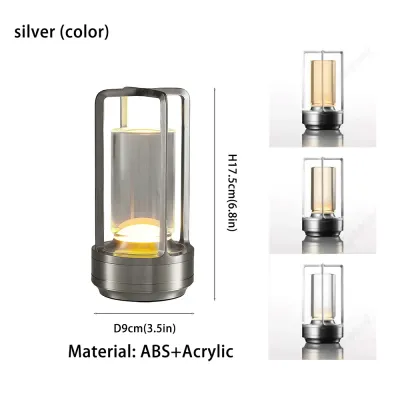
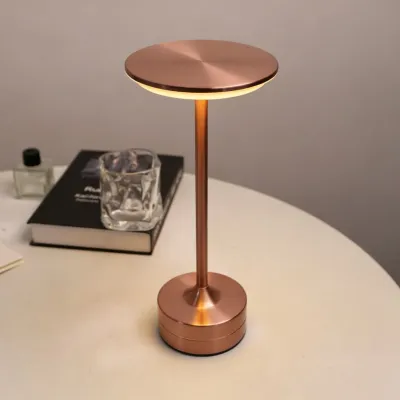

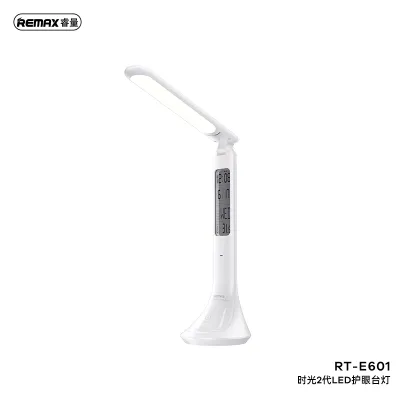
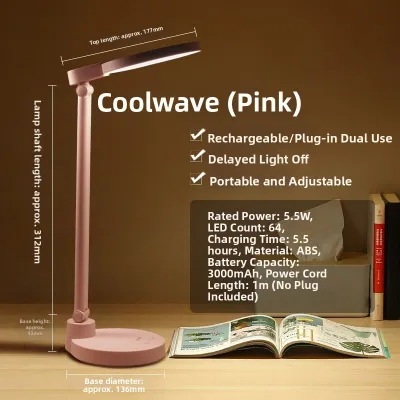
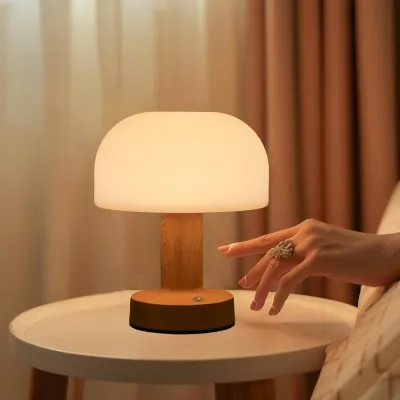
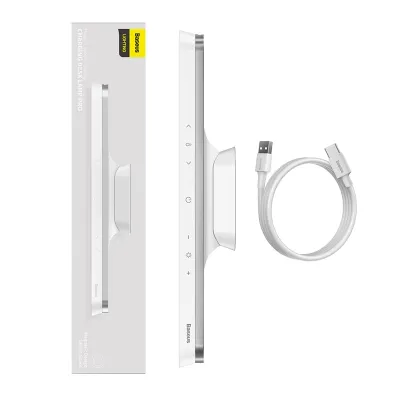
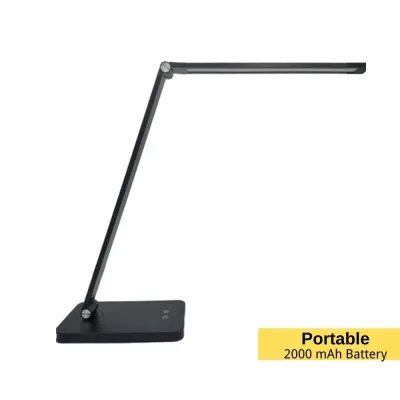
Prices are valid at publication and may change. Please refer to the product page for the latest price.
Finally, always verify manufacturer labels for electrical safety and compatibility. While cordless lamps operate on low-voltage direct current, the USB wall adapters used to charge them must comply with local safety standards. In Singapore, ensure that any accompanying charger or power adapter carries the local Safety Mark, indicating it has been tested against short circuits and electrical hazards. Always check that the input voltage requirements, typically 5V DC, match your existing charging accessories to avoid damaging the internal circuitry.
Battery Performance: Capacity, Runtime, and Charging
Most modern cordless table lamps utilize rechargeable Lithium-ion (Li-ion) or Lithium-polymer (Li-po) batteries due to their high energy density and lightweight profiles. However, real-world runtime often differs from advertised specifications because manufacturers typically calculate maximum battery life using the lowest, dimmest light setting. To estimate realistic high-brightness performance, look for the watt-hour (Wh) rating on the specification sheet, or calculate it by multiplying the battery voltage (usually 3.7V for internal cells) by the Ah rating.

The charging interface is a key factor in daily convenience and long-term usability. USB-C has become the industry standard, offering robust physical connections and broad compatibility with standard household chargers. Some premium designs utilize proprietary magnetic charging docks, which offer a clean aesthetic but can be difficult and costly to replace if damaged. Additionally, pay attention to charging speeds; while fast-charging protocols reduce downtime, they can generate excess heat, which accelerates battery degradation in warm tropical climates. Standard 5V/1A or 5V/2A charging is generally safer for preserving battery health over multiple years.
Over time, all rechargeable batteries experience natural capacity loss, but certain signs indicate premature degradation or failure. If a lamp’s runtime drops significantly within a few months, or if the unit only functions when permanently connected to a power source, the battery cells may be failing. Physical swelling of the lamp base, excessive heat generation during charging, or a loose, unresponsive charging port are serious issues. Because damaged lithium batteries pose safety risks, do not attempt to open the sealed compartment; instead, contact the manufacturer or dispose of the unit at an authorized e-waste recycling point.
Build Quality and Materials: Durability vs. Aesthetics
The choice of housing material directly influences both the durability and the heat management of a cordless lamp. Anodized aluminum is highly favored for premium models because of its excellent heat dissipation properties, which help keep the LED chips cool and extend their operational lifespan. Aluminum is also highly resistant to corrosion, making it suitable for humid indoor environments or covered balconies, though it can show scratches if dropped. ABS plastic is a lightweight, impact-resistant alternative that is highly practical for family homes, though it lacks the premium tactile feel of metal. Silicone is another common material, valued for its flexibility and shatterproof nature in child-friendly designs.
If you plan to use your cordless lamp on an outdoor balcony, patio, or near open windows, Ingress Protection (IP) ratings are a critical specification to verify. Singapore’s sudden rain showers and high atmospheric humidity can easily damage unrated electronics. A lamp rated IP44 or IP54 offers certified protection against dust ingress and water splashes from any direction, ensuring the internal circuitry remains dry and functional. Unrated lamps should be kept strictly indoors and away from damp areas like bathrooms or kitchens.
Before finalizing a purchase, perform a few physical checks to assess structural integrity. Test the tactile feedback of the controls; touch-sensitive dimmers should respond promptly without requiring excessive pressure, while physical buttons should have a distinct, solid click. Examine the hinges and joints of adjustable arms to ensure they hold their position firmly under the weight of the lamp head. A well-engineered base should also feature a non-slip rubber or silicone pad to protect furniture surfaces and provide extra grip on smooth tabletops.
How to Choose the Right Cordless Lamp for Your Space
Selecting the right cordless lamp depends on matching its technical specifications to your specific daily routines and environment. Choose a heavy, anodized aluminum lamp with an IP54 rating and a large battery capacity (4000 mAh or higher) if you need a versatile centerpiece that moves frequently between an indoor dining table and an outdoor balcony. The heavy metal construction prevents wind from tipping the lamp over, while the IP rating protects it from humidity. Conversely, choose a lightweight, ABS plastic lamp with a warm, dimmable light output and a standard USB-C interface if you need a dedicated bedside reading light or a portable lamp for a child’s study desk.
Before purchasing, always verify the warranty terms and after-sales support offered by the retailer. Reliable brands typically provide at least a one-year warranty covering battery defects and electronic failures. Purchasing from official brand stores or authorized online retailers ensures you receive genuine products and have access to reliable customer service if you need replacement parts or charging cables.
Safety must always remain your primary consideration when operating battery-powered lighting. If you encounter conflicting product specifications, notice the lamp becoming unusually hot during use, or find that the charging port is loose or damaged, stop using the device immediately. Consult the manufacturer’s official support channels or a qualified electrical professional rather than attempting DIY repairs on integrated lithium-ion systems.
Frequently Asked Questions (FAQ)
Can I leave my cordless LED table lamp plugged in all the time?
Most high-quality cordless LED lamps feature built-in overcharge protection circuits designed to stop drawing current once the battery reaches full capacity. You can verify this feature by checking the technical specifications in the user manual. However, keeping a lithium-ion battery constantly at 100% charge while exposed to the heat generated by an active LED can accelerate capacity loss over time. To prolong battery health, it is recommended to unplug the lamp once fully charged, avoid exposing it to direct sunlight or confined, unventilated spaces, and prevent the battery from completely discharging to 0% before plugging it back in.
Are cordless LED table lamps safe for children's rooms?
Yes, cordless LED table lamps are generally much safer for children’s rooms than traditional corded models because they operate on low-voltage direct current (typically 5V) and eliminate the risk of trip hazards or electrical shocks from mains power. However, you must perform basic physical safety checks before placing one in a child’s room. Ensure the battery compartment is completely sealed and cannot be opened without tools, and verify that the lamp does not have small, detachable parts that could pose a choking hazard. Additionally, choose models made from shatterproof materials like ABS plastic or silicone rather than glass or heavy metal.
Community discussion
Share your experience or ask a question. Comments are reviewed before publication.