
Choosing the best fabric for your flower cushions depends entirely on your lifestyle, maintenance preferences, and the specific environment of your living space. If you require a highly durable, machine-washable option that withstands daily family use, cotton is often the most practical choice. For a relaxed, organic aesthetic that remains cool in warm climates, linen offers unmatched breathability and texture. If your goal is to introduce visual depth, rich color saturation, and a luxurious tactile experience to a formal seating area, velvet is the ideal candidate.
To make the right decision, you must evaluate key variables such as daily wear and tear, exposure to direct sunlight, and the overall design theme of your room. Before purchasing any flower cushion, it is essential to perform baseline quality checks. These include verifying the weave density, inspecting the closure types—such as hidden zippers—and checking for reinforced seams on the product specifications.
Defining Your Priorities for Flower Cushion Fabrics
Before diving into specific material characteristics, establishing your household’s primary needs will streamline your selection process. Flower cushions serve both functional and decorative purposes, meaning their placement directly influences how well a fabric performs over time. A cushion placed on a high-traffic living room sofa requires a different level of resilience than one used purely as an accent piece in a quiet reading corner or bedroom.
Products mentioned in this guide
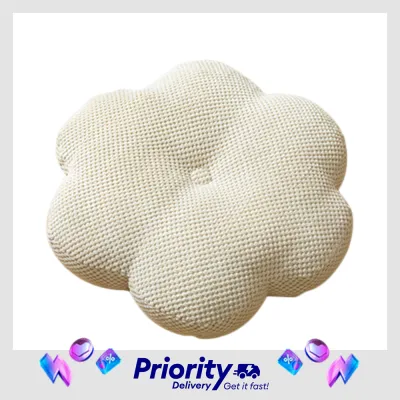
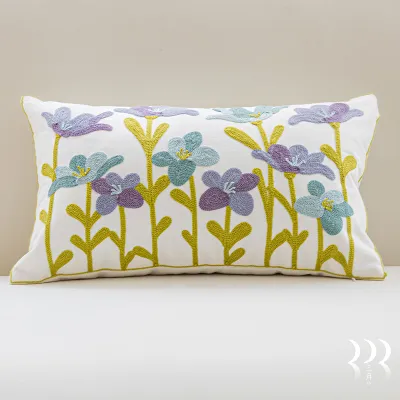
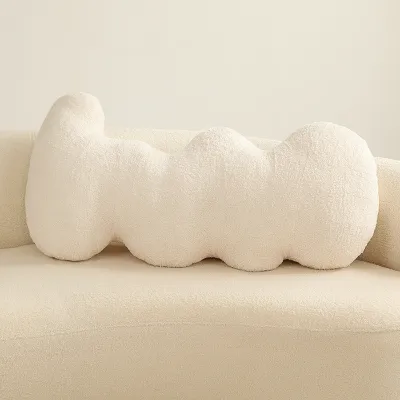
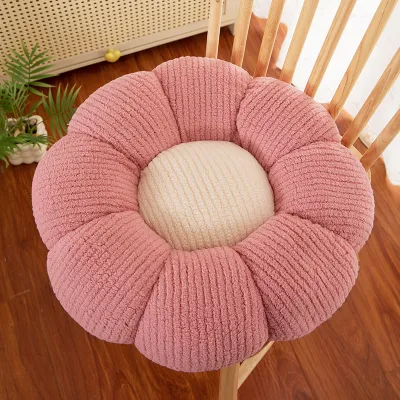
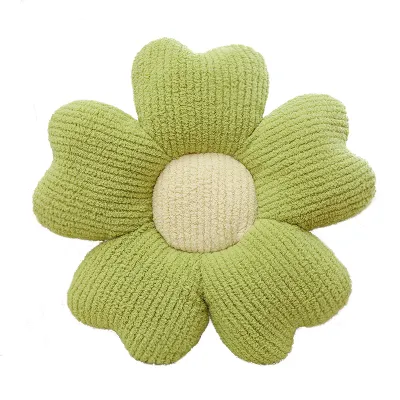
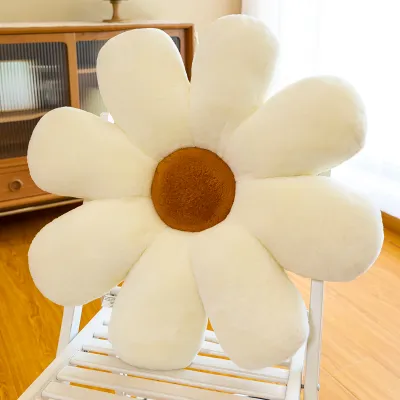
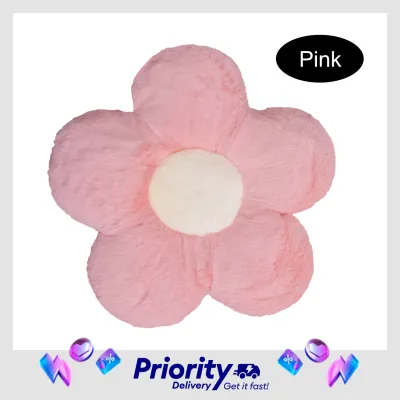
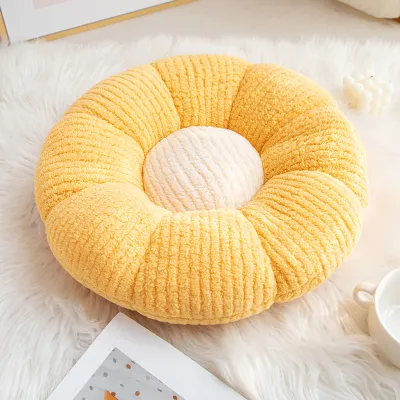
Prices are valid at publication and may change. Please refer to the product page for the latest price.
Aesthetic preferences play a major role in this decision, but they must be balanced with practical durability. For instance, homes with young children or pets will benefit from fabrics that resist snagging and are easy to spot-clean or machine-wash. Conversely, adult-only spaces or formal reception areas can accommodate delicate or high-maintenance textures without the risk of rapid wear.
Environmental factors are equally critical, particularly in tropical climates like Singapore, where high humidity and ambient warmth are constant considerations. Fabrics that trap heat or moisture can quickly become uncomfortable to lean against, making breathability a key comfort factor. Additionally, if your seating area is positioned near a large window, the level of direct sunlight exposure will dictate whether you need UV-resistant properties or lighter fabric shades that resist noticeable fading.
Finally, always review the baseline construction details of any cushion cover before committing to a purchase. High-quality flower cushions typically feature robust seam stitching to prevent fraying along the curved petals, secure zipper enclosures that do not catch on the fabric, and a dense weave that prevents the inner cushion insert from poking through. Checking these physical specifications on product listings ensures that your chosen material will maintain its shape and structural integrity.
Cotton: Everyday Comfort and Easy Care
Cotton remains a staple choice for home textiles due to its exceptional versatility, softness, and straightforward maintenance. When selecting a cotton flower cushion, the specific weave type indicated on the product label will tell you a great deal about its tactile feel and long-term durability. Canvas and duck weaves offer a heavier, more structured feel that holds the distinct petal shapes of a flower cushion exceptionally well, while twill weaves provide a softer, slightly diagonal texture that feels comfortable against the skin.

One of the primary advantages of cotton is its ease of cleaning, making it highly suitable for busy households. However, you should always verify the manufacturer’s washing instructions and colorfastness ratings before buying. While many cotton covers are machine-washable, some dyed or printed cotton fabrics may bleed or fade if washed at high temperatures or with harsh detergents. Checking the product specifications for pre-shrunk cotton or colorfast guarantees can save you from unexpected shrinkage or dullness after the first wash.
Cotton flower cushions are ideal for casual living rooms, children’s play areas, and high-use seating zones where spills and dirt are inevitable. Because cotton fibers are naturally strong, they can endure frequent laundering and daily handling without losing their structural integrity. To prevent disappointment, look closely at the manufacturer’s specifications for any warnings regarding potential wrinkling or minor shrinkage, and consider choosing cotton-polyester blends if you prefer a completely wrinkle-free appearance.
Linen: Breathable Texture and Relaxed Aesthetics
Linen is highly regarded for its distinct slubbed texture, which features slight irregularities in the yarn that create a highly organic, relaxed aesthetic. This natural variation gives flower cushions a sophisticated yet casual look that pairs beautifully with minimalist, Scandinavian, or coastal interior styles. When evaluating linen, it is important to check the fabric weight and weave density on the product label to ensure the material is robust enough to handle the tension of a shaped cushion.
In warm and humid environments like Singapore, linen’s natural breathability is a significant advantage. The fibers allow air to flow freely and can absorb moisture without feeling damp, making linen flower cushions incredibly comfortable to lean against during warm afternoons. To find a high-quality option, look for specifications indicating medium-to-heavyweight linen, which offers the necessary body to support the cushion’s decorative contours while retaining its signature cooling properties.
While linen is highly durable and actually softens with each wash, it does require mindful care to maintain its appearance. Pure linen is prone to creasing, which is part of its relaxed charm but may not appeal to those who prefer a perfectly smooth look. Always read the specific washing instructions on the label; many linen cushion covers require gentle machine cycles, cold water, or even dry cleaning to prevent severe shrinkage and fiber breakdown.
Velvet: Plush Feel and Formal Elegance
Velvet brings an immediate sense of luxury, warmth, and sophistication to any interior space. Its unique pile structure—where short, dense fibers stand upright—creates a soft, plush surface that feels incredibly indulgent to the touch. This pile also interacts beautifully with light, reflecting and absorbing it to produce rich color depth and subtle sheen variations that highlight the dimensional curves of a flower-shaped cushion. When shopping, check the fabric composition on the label, as velvet can be woven from natural silk, cotton, or synthetic fibers like polyester, each offering different levels of sheen and durability.
While velvet is visually striking, its durability depends heavily on its construction and pile density. To ensure your velvet flower cushion can withstand regular use, look for crush-resistance specifications and high-density pile indicators on the product details. It is also worth noting that velvet can act as a magnet for pet hair and dust due to its textured surface; if you have pets, check for anti-static treatments or consider synthetic velvet blends, which are often easier to brush clean.
Because of its formal aesthetic and delicate texture, velvet is best suited for low-to-medium traffic areas, such as formal dining rooms, master bedrooms, or accent chairs. When it comes to maintenance, velvet requires a gentle touch. Always interpret the spot-cleaning codes on the product label before attempting to remove stains; many velvet fabrics require specialized dry-cleaning solvents or gentle brushing with a soft-bristled brush to restore the pile after a spill.
Comparing Cotton, Linen, and Velvet for Your Space
To help you decide which material best suits your home, it is helpful to compare their core characteristics side by side. The following matrix outlines how cotton, linen, and velvet perform across key categories:
| Fabric Material | Tactile Feel | Visual Style | Maintenance Effort | Ideal Room Placement |
|---|---|---|---|---|
| Cotton | Soft, smooth, and familiar | Casual, clean, and versatile | Low (usually machine-washable) | Living rooms, playrooms, high-traffic areas |
| Linen | Textured, crisp, and airy | Organic, relaxed, and rustic | Medium (requires gentle washing) | Sunrooms, bright living spaces, bedrooms |
| Velvet | Plush, thick, and luxurious | Elegant, formal, and dramatic | High (requires spot-cleaning or dry cleaning) | Bedrooms, formal lounges, accent chairs |
To narrow down your choice, apply this simple decision framework based on your lifestyle and design goals:
- Choose Cotton if you have a busy household with kids or pets, need a cushion that can be thrown into the washing machine regularly, and prefer a clean, casual look that blends seamlessly with everyday decor.
- Choose Linen if you live in a warm climate, appreciate natural textures with organic imperfections, and want to create a breezy, relaxed atmosphere in a well-ventilated room.
- Choose Velvet if you want to make a bold design statement, desire a rich and soft texture for a cozy reading nook or formal seating area, and do not mind performing occasional specialized maintenance.
When shopping online or in-store, always use a systematic checklist to verify the quality of the cushion cover. First, check the fabric composition label to confirm the exact fiber percentages. Second, look for reinforced seams and double-stitching along the petal edges to ensure the cushion holds its shape under pressure. Finally, inspect the zipper quality; a high-quality, concealed metal or heavy-duty nylon zipper is essential for easy cover removal and long-term durability.
Verifying Fabric Quality and Care Requirements
To ensure your flower cushions stand the test of time, you must know how to read and interpret product specifications. When browsing digital listings or physical tags, look for key indicators such as fabric weight, which is often measured in grams per square meter (GSM). A higher GSM generally indicates a thicker, more durable fabric that will resist wear. For cotton and linen, checking the thread count or weave density can also provide clues about the material’s longevity and resistance to tearing.
Understanding manufacturer care symbols is another crucial step in protecting your investment. These symbols provide clear instructions on washing temperatures, bleaching restrictions, drying methods, and ironing limits. Ignoring these guidelines can lead to irreversible damage, such as fabric shrinkage, color bleeding, or a ruined pile texture on velvet cushions.
If you encounter conflicting care instructions—such as a label that recommends machine washing but also warns against water exposure—or if the recommended cleaning method is something you cannot easily perform at home, stop and consult the manufacturer or a professional dry cleaner. Taking this precautionary step before washing your cushion covers will help preserve their shape, color, and texture for years to come.
Frequently Asked Questions (FAQ)
Can I mix different fabric materials for flower cushions on the same sofa?
Yes, mixing different fabric materials is an excellent way to add visual interest and depth to your sofa. To create a cohesive look, balance the visual weight of the fabrics by pairing matte textures like linen or cotton with reflective surfaces like velvet. You can coordinate the arrangement by keeping the color palette consistent while varying the textures, ensuring that the different materials complement rather than compete with one another.
Are blended fabrics better than 100% natural fibers for cushion covers?
Blended fabrics are not universally better, but they offer distinct practical advantages over pure natural fibers. By combining natural fibers like cotton or linen with synthetic fibers like polyester, manufacturers can create cushion covers that offer improved wrinkle resistance, enhanced durability, and easier maintenance while retaining a natural feel. Always read the blend ratio labels to understand the trade-offs; a higher synthetic percentage typically increases durability but may slightly reduce the natural breathability of the fabric.
Community discussion
Share your experience or ask a question. Comments are reviewed before publication.