
Quick Guide: Which Cotton is Best for Your Baby?
Selecting the perfect baby cotton blanket for your little one can quickly become a confusing task. With terms like organic, muslin, combed, and Pima scattered across product labels, it is easy to assume these represent entirely different, mutually exclusive materials. In reality, they describe different aspects of the textile—ranging from how the cotton plant was grown to how the fibers were spun and woven. There is no single “best” type of cotton; rather, the ideal choice depends on your baby’s skin sensitivity, the specific setting, and whether you prioritize maximum breathability or plush warmth.
In Singapore’s warm and humid tropical climate, temperature regulation is a primary concern for parents. The constant high humidity and outdoor temperatures averaging above 30°C demand fabrics that allow heat to escape and prevent sweat from pooling on delicate skin. Conversely, heavily air-conditioned nurseries, shopping malls, and vehicles require a layer that provides gentle insulation without causing overheating. This dual-climate reality makes highly breathable, open-weave options like cotton muslin indispensable for everyday outdoor use and swaddling, while denser combed or Pima cotton weaves offer the perfect, silky softness needed to keep your baby cozy in chilled indoor environments.
Decoding Cotton Labels: Understanding Weave, Process, and Variety
Navigating the world of baby textiles requires a basic understanding of how manufacturers label their products. When you see a label that reads “100% organic Pima cotton muslin,” it is not a marketing gimmick; it is a description of four distinct dimensions of the fabric. Understanding these categories allows you to look past surface-level branding and evaluate the physical properties of the blanket.
Products mentioned in this guide
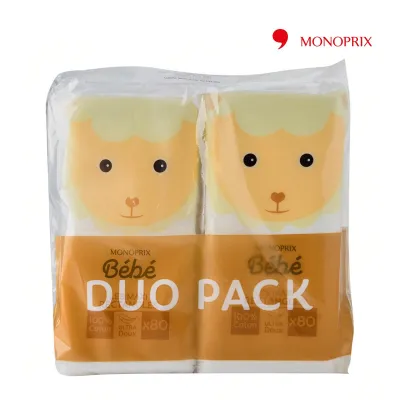
Prices are valid at publication and may change. Please refer to the product page for the latest price.

- Weave (e.g., Muslin): This refers to how the cotton yarns are interlaced. Muslin is a plain, open weave where the threads cross over and under each other in a loose grid. This specific structure directly determines the blanket's breathability, weight, drape, and overall texture. Other common weaves for baby blankets include jersey knit (stretchy and t-shirt-like) and waffle weave (textured and highly absorbent).
- Process (e.g., Combed): This describes how the raw cotton fibers are treated mechanically before they are spun into yarn. Combing is an optional manufacturing step that uses fine brushes to discard short, weak fibers and align the remaining long fibers. This step drastically improves the smoothness and durability of the finished yarn, making it less prone to pilling and fraying.
- Variety (e.g., Pima): This refers to the specific species of the cotton plant from which the fibers were harvested. Pima cotton is grown from the Gossypium barbadense plant, which is prized for producing extra-long staple (ELS) fibers. These naturally long fibers yield a yarn that is significantly softer, stronger, and more lustrous than standard short-staple cotton varieties.
- Certification (e.g., Organic): This indicates the farming and agricultural practices used to grow the cotton. Organic cotton is cultivated without synthetic pesticides, herbicides, or chemical fertilizers. It focuses on ecological balance and soil health, ensuring the raw material is free from harmful chemical residues right from the start.
To make an informed purchase, always look for combinations of these attributes on product labels. A blanket that combines a high-quality variety with a meticulous process and a certified organic origin offers the ultimate in safety and comfort. However, do not rely solely on bold marketing text on the front of the packaging. Always locate the physical, sewn-in textile tag on the blanket to verify the exact fiber content and search for recognized certification logos to confirm organic claims.
Comparing Baby Cotton Types: Muslin, Combed, Pima, and Organic
To choose the right blanket, it is essential to understand how these four common cotton terms translate into physical comfort, durability, and daily usability. Each type serves a distinct purpose in your baby’s layette.
Muslin Cotton: The Breathable Everyday Essential
Muslin is characterized by its exceptionally loose, plain weave. This open-grid structure allows air to flow freely through the fabric, making it one of the most breathable materials available for infants. Because it does not trap body heat, muslin is highly effective at regulating a baby’s temperature, significantly reducing the risk of overheating—a critical safety consideration for newborns.
One of the unique characteristics of muslin is how it reacts to laundering. With each wash, the loose cotton fibers relax, causing the blanket to crinkle slightly and become progressively softer. It is incredibly lightweight and has a natural drape that conforms gently to a baby’s body, making it the gold standard for swaddling.
However, the open weave does come with a practical trade-off. Muslin is inherently more delicate than denser weaves, making it susceptible to snagging on sharp objects, rough toys, or the Velcro fasteners of sleep sacks and diapers. It is best reserved for swaddling, stroller covers, nursing shields, and managing comfort in warm, humid outdoor settings.
Combed Cotton: The Soft and Durable Standard
Combed cotton undergoes a mechanical refinement process that sets it apart from standard carded cotton. After the cotton is harvested and cleaned, it is carded to untangle the fibers. Combed cotton goes through an additional step where fine-toothed metal combs brush the fibers, removing short, brittle staples and any remaining impurities. Only the longest, strongest, and most resilient fibers are left behind to be spun into yarn.
This process results in a yarn that is remarkably smooth and uniform. Because there are fewer short fiber ends sticking out of the yarn, combed cotton is highly resistant to pilling—the annoying fuzzballs that often develop on cheap fabrics after a few washes. It also boasts superior tensile strength, meaning it can withstand frequent stretching, pulling, and laundering without losing its shape or tearing.
Combed cotton represents the ideal balance of reliable softness and rugged durability. It is the perfect choice for heavy-use items that require constant washing, such as everyday crib sheets, play mats, and travel blankets that frequently end up on the floor or in the diaper bag.
Pima Cotton: The Premium, Ultra-Soft Choice
Pima cotton is widely regarded as one of the finest cotton varieties in the world. Its secret lies in its extra-long staple (ELS) fibers, which are nearly twice the length of standard cotton fibers. When these exceptionally long fibers are spun into yarn, they require fewer joins, resulting in an incredibly smooth, continuous thread that naturally resists pilling, fraying, and fading over time.
The physical sensation of Pima cotton is distinctly luxurious, offering a silky, plush feel that is incredibly gentle on a baby’s highly sensitive skin. It is naturally breathable yet offers a denser, more substantial weight than muslin, providing excellent warmth without trapping excess moisture.
The primary trade-off with Pima cotton is its premium cost. Blankets made from genuine Pima cotton typically command a higher price point, often ranging from S$40 to over S$80 in local boutiques. Additionally, to preserve its exquisite, silk-like texture and prevent shrinkage, Pima cotton requires gentle care, such as washing on cold cycles and avoiding high heat in the dryer. It is an exceptional choice for newborns with highly sensitive skin, eczema, or as a treasured heirloom gift.
Organic Cotton: The Eco-Conscious and Sensitive-Skin Option
Organic cotton is defined entirely by its agricultural origin. It is grown using methods and materials that have a low impact on the environment, relying on natural pest control and organic fertilizers rather than synthetic chemicals. This meticulous farming process ensures that the raw cotton fibers do not contain residues of toxic pesticides or heavy metals, which can sometimes linger in conventionally grown cotton.
For eco-conscious parents and babies prone to severe skin sensitivities, contact dermatitis, or eczema, organic cotton offers peace of mind. It minimizes the risk of chemical irritants coming into contact with your baby’s thin, highly absorbent skin.
It is vital to remember that “organic” describes how the cotton was grown, not how it feels. An organic cotton blanket can be woven into a light, airy muslin, a sturdy combed knit, or a luxurious Pima fabric. To ensure you are getting genuine organic material, verify that the product carries a recognized independent textile certification, such as the Global Organic Textile Standard (GOTS) or OEKO-TEX Standard 100. These certifications guarantee that strict environmental and social criteria have been met throughout the entire manufacturing process, including the dyes and finishes used.
How to Match the Cotton Type to Your Baby's Needs and Climate
Choosing the right baby blanket requires mapping these material properties to your daily routine, your baby’s specific skin needs, and the local climate.
- For Hot and Humid Outdoor Use: When navigating Singapore's outdoor heat, prioritize single-layer or double-layer cotton muslin. The open weave maximizes airflow, allowing your baby's skin to breathe and preventing heat rash or excessive sweating. These lightweight blankets are also ideal for draping over a stroller to provide shade without trapping hot air inside.
- For Air-Conditioned Rooms and Nighttime Sleep: In cool, air-conditioned nurseries or when visiting shopping malls, opt for multi-layer muslin (such as 4-layer or 6-layer) or a denser combed or Pima cotton knit. These fabrics provide cozy warmth and shield your baby from drafts while maintaining cotton's natural breathability to prevent sweat buildup.
- For Sensitive Skin or Eczema: If your baby has highly sensitive skin or eczema, choose certified organic cotton or high-grade Pima cotton. The lack of chemical residues in organic cotton, combined with the ultra-smooth, long-staple fibers of Pima, minimizes friction and reduces the risk of skin irritation.
- For Travel and Multi-Use: For a versatile, low-maintenance blanket that can handle the rigors of daily travel, select combed cotton. Its exceptional durability and resistance to pilling mean it will look and feel great even after being stuffed into diaper bags, spread on park grass, and washed dozens of times.
Before finalizing your purchase, always check the blanket’s weight, measured in grams per square meter (GSM), and its physical dimensions. For safe sleep, infants under 12 months should not sleep with loose blankets in their cribs; instead, use lightweight swaddles or sleeping sacks. If you are swaddling, ensure the blanket is large enough (typically 110cm x 110cm or 120cm x 120cm) to wrap securely around your baby without coming loose, yet lightweight enough to avoid creating thick, suffocating folds near their face.
Care and Maintenance to Keep Cotton Blankets Soft and Safe
Proper care is essential to maintain the softness, structural integrity, and safety of your baby’s cotton blankets. Before laundering any new blanket, always check the manufacturer’s care label and the treated item’s manufacturer instructions first.
When washing, use a mild, hypoallergenic, baby-safe liquid detergent. Wash in cold or warm water (30°C to 40°C) on a gentle cycle to preserve the cotton fibers. Crucially, avoid using chemical fabric softeners or dryer sheets. While they may seem like a good way to keep blankets soft, they leave a thin chemical coating over the fibers. This coating clogs the natural pores of the cotton, drastically reducing its breathability and moisture-wicking capabilities, while also posing a risk of irritating your baby’s sensitive skin.
For drying, tumble dry on a low heat setting or line dry in the shade to prevent excessive shrinkage and fiber damage. Keep in mind that cotton muslin will naturally shrink and crinkle slightly after its first wash; this is a normal characteristic of the weave and actually enhances its signature softness. Combed and Pima cotton are more dimensionally stable but can still experience minor shrinkage if exposed to high heat.
Safety should always be your top priority. Regularly inspect your baby’s blankets for loose threads, unravelling seams, or frayed edges. This is particularly important for open-weave muslin, which can catch on toys or zippers. Loose threads pose a serious tourniquet hazard if they wrap around a baby’s tiny fingers or toes. Trim any loose threads immediately with sharp scissors, and retire any blanket that shows significant structural wear or unraveling.
Frequently Asked Questions (FAQ)
Is bamboo or cotton better for baby blankets?
Bamboo-derived fabrics (typically rayon or viscose) are exceptionally silky, cool to the touch, and drape beautifully, making them popular for hot climates. However, they are chemically intensive to manufacture, can lose strength when wet, and require delicate washing. Cotton is more physically durable, easier to sanitize at higher temperatures, holds its shape better over time, and remains highly breathable, making it the more practical and resilient everyday choice for most parents.
How many layers of muslin should a baby blanket have?
For outdoor use or swaddling in warm weather, a 2-layer muslin blanket is ideal as it is incredibly lightweight and breathable. For air-conditioned rooms (typically kept around 22°C to 24°C), a 4-layer muslin offers a comfortable balance of gentle warmth and airflow. A 6-layer muslin behaves more like a traditional quilt, providing cozy insulation for cooler nights or heavily air-conditioned spaces. Always monitor your baby’s temperature by checking the back of their neck or chest.
Why does my cotton baby blanket feel rough after washing?
Stiffness in cotton blankets is usually caused by hard water mineral buildup, detergent residue, or the accumulation of fabric softeners. To restore natural softness, wash the blanket with a gentle detergent and add half a cup of white vinegar to the rinse cycle to strip away mineral and soap buildup. Tumble dry on low heat with clean wool dryer balls to naturally fluff the cotton fibers without using irritating chemicals.
Community discussion
Share your experience or ask a question. Comments are reviewed before publication.