
Finding the right sleep sack for your baby is a balancing act between physical comfort, reliable temperature regulation, and ease of daily maintenance. In Singapore’s tropical climate, where relative humidity consistently exceeds 80% and indoor environments range from naturally ventilated rooms to heavily air-conditioned bedrooms, the fabric of your baby’s sleeping garment plays a critical role in their sleep quality and overall safety. There is no single universal material that suits every infant; instead, the ideal choice depends on your baby’s skin sensitivity, your household’s cooling preferences, and how much time you can dedicate to fabric care.
Quick Answer: Choosing the Right Sleep Sack Material
To make an immediate decision, consider your baby’s specific sleeping environment and skin needs. Muslin, with its exceptionally loose and open plain weave, excels in warm, non-air-conditioned rooms by maximizing airflow and preventing heat retention. Bamboo-derived fabrics (typically viscose or rayon from bamboo) offer an incredibly soft, silky, and low-friction texture that is highly suited for babies with sensitive skin sleeping in air-conditioned environments where moisture-wicking is essential. Standard cotton remains the most durable and low-maintenance option, offering excellent structural stability, reliable breathability, and the ability to withstand frequent high-temperature washes. Whichever material you choose, it must be paired with the correct Thermal Overall Grade (TOG) rating to match your nursery’s specific overnight temperature.
Understanding Cotton, Bamboo, and Muslin Fabrics
To choose the most appropriate sleeping garment, it is helpful to understand the underlying textile characteristics of cotton, bamboo, and muslin. Each material behaves differently when exposed to moisture, friction, heat, and repeated laundering.
Products mentioned in this guide
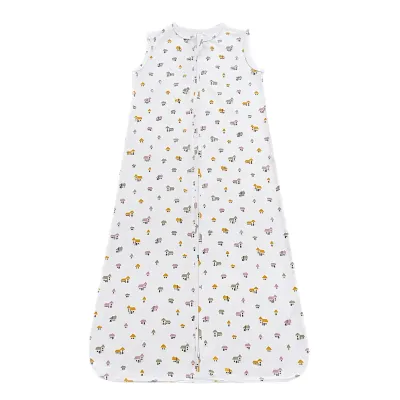
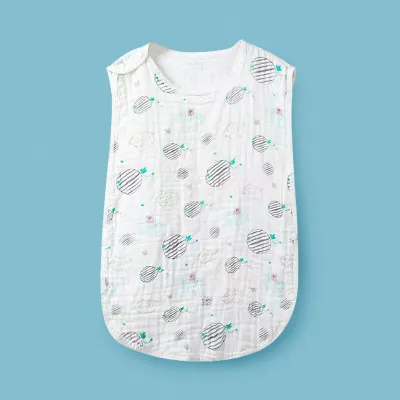
![[LIL BUBBA] PREMIUM BAMBOO BABY KIDS SLEEPSACK SLEEPING BAG 1.0 TOG DOUBLE LAYER WEARABLE BLANKET](https://img.lazcdn.com/g/ff/kf/S795cbb0d6b8d430f97a5728c9442fed3p.jpg_400x400q80.jpg_.webp)
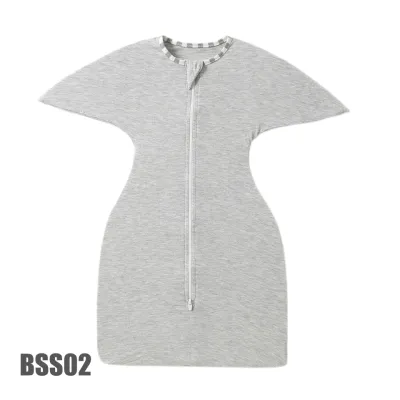
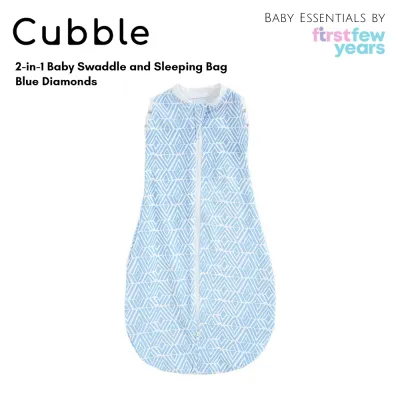
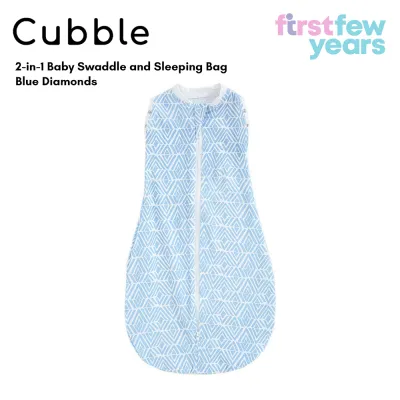
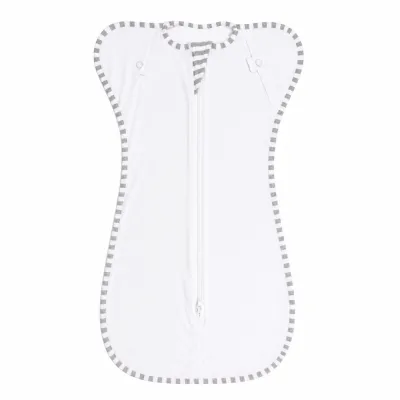
Prices are valid at publication and may change. Please refer to the product page for the latest price.

Cotton Sleep Sacks
Cotton is a natural, plant-based fiber that has been the cornerstone of infant bedding for generations. Its molecular structure consists of pure cellulose, which provides excellent tensile strength and durability. One of the primary advantages of standard cotton is its resilience; it can withstand rigorous machine washing, high-temperature sanitization, and heavy tumble drying without losing its structural integrity. This makes it highly practical for managing the frequent spit-ups, diaper leaks, and stains that are inevitable during infancy.
In terms of comfort, cotton is naturally breathable and soft, though its exact feel and weight depend heavily on the weave. For example, a lightweight cotton jersey offers a stretchy, t-shirt-like feel, while cotton interlock is thicker and more structured. Cotton is highly absorbent, meaning it can hold a significant amount of water before feeling wet. However, this high absorbency comes with a trade-off: cotton fibers tend to retain moisture rather than wick it away rapidly. If your baby sweats heavily during the night, a standard cotton sleep sack may remain damp against their skin for an extended period, which can cause them to feel clammy or chilled when the air conditioning cycles.
Bamboo Sleep Sacks
Bamboo fabrics used in baby sleep sacks are semi-synthetic textiles, typically labeled as bamboo viscose or rayon from bamboo. The manufacturing process involves dissolving natural bamboo cellulose in a chemical solution to create a spinning dope, which is then extruded into fine, smooth fibers. This chemical restructuring results in a fiber that is exceptionally round and smooth, giving bamboo fabric its characteristic silky, liquid-like drape and luxurious softness.
For infants with highly sensitive skin, dry skin patches, or mild eczema, bamboo is often the preferred choice. The smooth, round fibers minimize physical friction against the skin barrier, reducing the risk of chafing and mechanical irritation. Furthermore, bamboo viscose has excellent moisture-wicking capabilities. Its microscopic fiber structure features tiny gaps that allow it to absorb moisture rapidly and pull it away from the baby’s body, facilitating quicker evaporation. This helps keep the baby dry and comfortable.
However, these benefits come with specific care requirements. Bamboo fibers lose a significant portion of their tensile strength when wet, making them highly susceptible to warping, stretching, and pilling if washed aggressively. To maintain the structural integrity and silky texture of a bamboo sleep sack, you must use gentle wash cycles, mild detergents, and avoid high-heat drying, which can cause the fabric to break down or shrink prematurely.
Muslin Sleep Sacks
It is important to clarify a common textile misconception: muslin is not a raw fiber, but rather a specific type of open, plain weave. A muslin sleep sack can be woven from 100% cotton threads, 100% bamboo viscose threads, or a blend of both. The defining feature of muslin is its loose, lightweight construction, where the warp and weft threads cross over each other in a simple checkerboard pattern with noticeable spaces between them.
This open weave provides exceptional airflow. Air can pass through the fabric with minimal resistance, making muslin the most breathable option available. When a baby wears a muslin sleep sack, body heat is not trapped close to the skin; instead, it dissipates easily into the surrounding environment. This makes muslin highly effective at preventing overheating, which is a key risk factor associated with Sudden Infant Death Syndrome (SIDS).
While muslin may feel slightly stiff or textured when brand new, it possesses a unique physical property: the loose fibers relax and soften significantly with repeated washing. However, because of its open structure, a single-layer muslin sleep sack offers virtually no thermal insulation. While multi-layered muslin sacks are available to provide more warmth, a standard single- or double-layer muslin sack is designed almost exclusively for warm environments and offers very little protection against cold drafts in heavily air-conditioned rooms unless layered with appropriate undergarments.
Performance in Singapore's Tropical Climate
Operating in Singapore’s year-round hot and humid climate requires careful consideration of how these fabrics interact with the local environment. With average outdoor temperatures hovering around 30°C and relative humidity often exceeding 80%, the microclimate inside your baby’s nursery can vary dramatically depending on whether you rely on natural ventilation or air conditioning.
In naturally ventilated bedrooms—common in many HDB flats and condominiums that utilize ceiling fans and open windows—the indoor temperature rarely drops below 27°C at night, and the humidity remains high. In these conditions, the body’s primary mechanism for cooling down is the evaporation of sweat. However, high ambient humidity slows down evaporation. If a baby is dressed in a heavy or tightly woven fabric, sweat becomes trapped against the skin, leading to blocked sweat ducts and the development of prickly heat (miliaria rubra). For naturally ventilated rooms, a single-layer cotton muslin or an ultra-thin bamboo sleep sack is highly recommended. The open weave of muslin allows the gentle breeze from a fan to reach the skin, assisting in evaporative cooling and keeping the baby dry.
Conversely, in air-conditioned bedrooms, which are typically kept between 22°C and 25°C, the environmental dynamics change. Air conditioners act as natural dehumidifiers, stripping moisture from the air and creating a dry, cool indoor climate. While this prevents sweating, the cool drafts can cause a baby’s body temperature to drop if they are under-dressed. Additionally, the dry air can exacerbate dry skin conditions. In an air-conditioned nursery, a slightly thicker standard cotton sleep sack or a multi-layered bamboo sleep sack is ideal. Bamboo’s silky texture prevents friction on skin that may be dried out by the air-con, while its moisture-wicking properties ensure that if the baby does sweat slightly during initial sleep phases, the moisture is cleared away before it can cool down and cause a chill.
To help you evaluate these materials side-by-side, the table below outlines their general performance characteristics based on standard textile properties:
| Fabric Type | Breathability | Initial Softness | Durability & Wash Care | Moisture Management |
|---|---|---|---|---|
| Standard Cotton | Moderate to High | Moderate (Softens over time) | Excellent (Withstands frequent hot washes) | High absorption, but retains dampness longer |
| Bamboo Viscose | High | Extremely High (Silky from the start) | Delicate (Requires gentle cycle, air drying) | Excellent (Wicks moisture away rapidly) |
| Muslin (Cotton/Bamboo) | Outstanding (Maximum airflow) | Moderate to High (Improves with washing) | Moderate (Loose weave can snag easily) | High breathability prevents sweat accumulation |
How to Choose Based on Your Baby's Needs
Selecting the right sleep sack material requires assessing your daily routine, your baby’s physical comfort, and your nursery setup. Use the following conditional framework to guide your decision.
Choose Muslin if:
- Your nursery is naturally ventilated: If you do not use air conditioning overnight and rely on fans, muslin's open weave provides the necessary airflow to prevent your baby from overheating.
- Your baby runs hot: If your infant frequently wakes up with a damp neck, sweats during active sleep phases, or is prone to heat rashes, muslin offers the most breathable barrier.
- You need quick-drying laundry: Muslin's lightweight, open structure means it dries exceptionally fast on indoor drying racks, which is highly convenient during Singapore's rainy monsoon seasons.
Choose Bamboo if:
- Your baby has highly sensitive skin: If your child suffers from dry skin, sensory sensitivities, or mild eczema, the frictionless, silky texture of bamboo viscose minimizes physical irritation.
- The room is consistently air-conditioned: If you keep your nursery cool (around 22°C to 24°C), bamboo provides a cozy, temperature-regulating layer that keeps your baby warm without trapping excess heat.
- You prioritize immediate softness: If you want a fabric that feels incredibly luxurious and soft from the very first use without requiring multiple wash cycles to break in.
Choose Cotton if:
- You want maximum durability and easy care: If you prefer a sleep sack that can be thrown into a standard machine wash with the rest of the family's laundry, washed at high temperatures for hygiene, and dried in a tumble dryer without worry.
- You want a versatile, structured fit: Cotton fabrics maintain their shape well and do not sag or stretch out of proportion over time, ensuring a consistent fit around the neck and armholes.
- You are looking for a cost-effective option: Standard cotton sleep sacks are widely available across various price points, making them highly accessible for families looking to purchase multiple backup sacks.
Verify first if:
- Your baby has active eczema or medical skin conditions: While bamboo and organic cotton are generally gentler on sensitive skin, certain dyes, finishes, or fabric blends can still trigger reactions. If your baby has a diagnosed skin condition or severe allergies, always consult a pediatrician or pediatric dermatologist before introducing new sleep sack materials.
Beyond Material: Checking TOG Ratings and Safety Labels
While selecting the right fabric is important, the material itself does not solely dictate how warm or safe a sleep sack is. To ensure a safe and comfortable sleep environment, you must understand TOG ratings and fundamental infant sleep safety guidelines.
TOG, which stands for Thermal Overall Grade, is a scientific measure of a textile’s thermal insulation. A higher TOG rating indicates a warmer sleep sack, regardless of whether it is made from cotton, bamboo, or muslin. When choosing a sleep sack in Singapore, you must match the TOG rating to your nursery’s actual overnight temperature rather than the outdoor climate:
- 0.2 TOG to 0.5 TOG: These are ultra-lightweight, unpadded sleep sacks. They are ideal for room temperatures between 24°C and 27°C (and above), making them the safest choice for naturally ventilated rooms or lightly cooled nurseries in Singapore.
- 1.0 TOG: These are lightly padded or double-layered sleep sacks. They are designed for room temperatures between 20°C and 24°C, which aligns perfectly with typical air-conditioned bedrooms.
- 2.5 TOG and above: These are heavily padded sacks meant for cold climates (below 20°C). They are generally unsafe for use in Singapore unless the room is kept exceptionally cold, as they carry a high risk of causing your baby to overheat.
Beyond thermal ratings, proper fit is the most critical safety factor when choosing a sleep sack. A sleep sack must fit your baby’s current size; never buy a larger size for your baby to “grow into.” If the neck opening is too large, the baby’s head can slip down inside the sack, which poses a severe suffocation hazard. Conversely, if the neck opening is too tight, it can cause discomfort or restrict breathing. The armholes must also be snug enough to prevent the baby from pulling their arms inside the sack.
Before purchasing, always check the product label for safety compliance certifications (such as Oeko-Tex Standard 100, which ensures the fabric is free from harmful levels of toxic chemicals). Ensure the sleep sack is free from hoods, loose strings, or decorative elements that could detach and become choking hazards. Always place your baby to sleep on their back on a firm, flat mattress, and ensure the sleep sack is the only bedding used—no additional blankets, pillows, or cot bumpers should be present in the crib.
Frequently Asked Questions (FAQ)
Can I use a bamboo sleep sack for a newborn?
Yes, you can use a bamboo sleep sack for a newborn, provided it is designed specifically for their weight and developmental stage. The safety of any sleep sack depends on its fit and TOG rating rather than the fabric type. Ensure the neck and armholes fit snugly so the fabric cannot slide up over your baby’s face. Always check the manufacturer’s label for the minimum weight and age requirements before use.
How do I wash muslin sleep sacks to keep them soft?
To keep muslin sleep sacks soft and preserve their open weave, wash them on a cold or warm gentle cycle using a mild, baby-safe detergent. Avoid fabric softeners, as they can leave a residue that reduces the fabric’s natural absorbency and breathability. Line dry the sleep sack in the shade to prevent fiber damage from direct sunlight, or tumble dry on a low-heat setting if the manufacturer’s care label allows. Always verify the specific care instructions on the product’s tag before washing.
Community discussion
Share your experience or ask a question. Comments are reviewed before publication.