
There is no single “best” fabric for a cute cat pillow case; the ideal choice depends on whether you prioritize everyday softness, vibrant and durable prints, or a structured, natural texture. Selecting the right material involves balancing how you plan to use the cushion—whether as a soft companion for afternoon naps or a sharp, colorful accent piece on your living room sofa. By understanding how cotton, polyester, and linen handle dyes, wear, and washing, you can select a cover that keeps its charming feline design looking fresh for years.
In many homes, decorative cushions serve as the ultimate canvas for personal expression, and cat-themed designs bring a playful, comforting energy to any room. However, a pillow case that looks stunning on a screen might feel scratchy against your skin, or a beautifully soft cover might lose its detailed print after just a few washes. Evaluating the core characteristics of common textiles ensures your new decor piece remains both functional and visually appealing.
Defining Your Priorities for Cat-Themed Cushions
Before comparing specific fabrics, it is essential to define how the cushion will function in your living space. A pillow case intended for a cozy reading nook or a bed requires a very different material profile than one meant solely to sit upright on an entryway bench. Identifying whether your priority is tactile comfort or visual impact will guide your material selection from the start.
Products mentioned in this guide
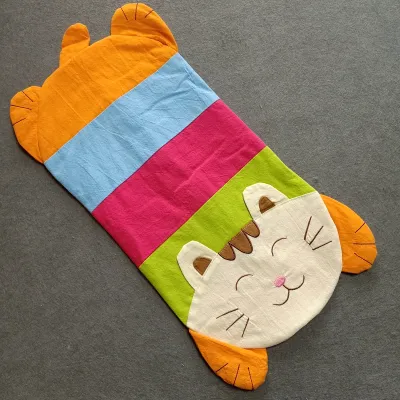
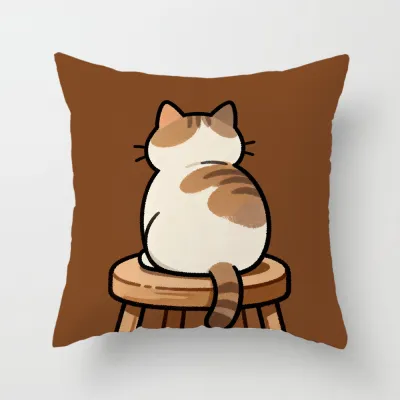
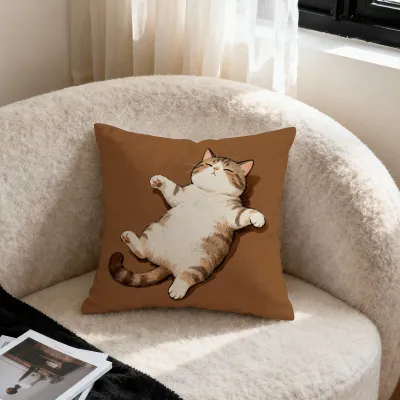
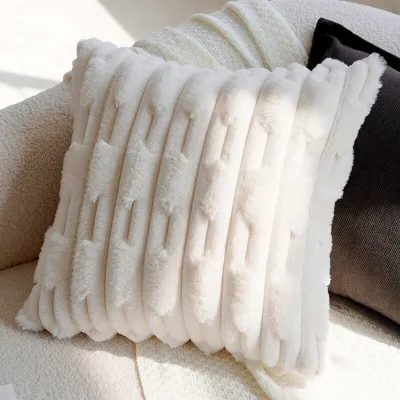
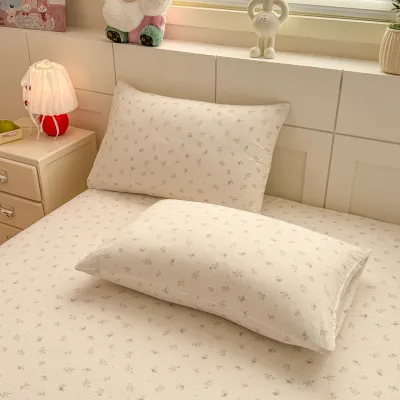
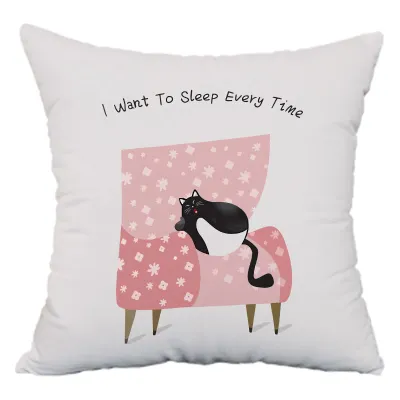
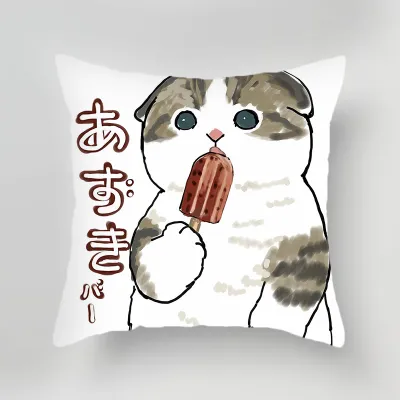
Prices are valid at publication and may change. Please refer to the product page for the latest price.
For daily lounging, softness and breathability are paramount, especially in warm or humid climates where heavy, heat-trapping fabrics can quickly become uncomfortable. If the pillow is destined to be leaned on, hugged, or rested upon during daily relaxation, the feel of the fiber against your skin is just as important as the design itself. Conversely, purely decorative accent pieces can prioritize structured fabrics that hold their shape over long periods of sitting untouched.
Durability and print quality are the twin pillars of long-term satisfaction when it comes to patterned home decor. Detailed cat illustrations, whether they are minimalist line art or vibrant, multi-colored cartoon prints, rely heavily on how well a fabric accepts and retains ink. A highly durable fabric resists pilling and thinning from friction, ensuring that the whimsical cat face does not wear away after a season of use.
Finally, practical construction details should never be overlooked when browsing for new cushion covers. Beyond the fabric type, you should check the manufacturer’s care labels for specific washing instructions, as well as the weave density and closure mechanisms. A sturdy, hidden zipper closure is generally preferred for decorative pillows, as it keeps the insert securely tucked away while maintaining a clean, seamless silhouette that does not distract from the cute design.
Cotton: Prioritizing Softness and Breathability
Cotton remains a classic choice for home textiles due to its exceptional natural softness and familiar, inviting texture. Derived from the fluffy fibers of the cotton plant, this material offers a gentle touch that makes it highly suitable for cushions that see direct physical contact. If your cat-themed pillow is meant to be cuddled during movie nights or used as an extra headrest on the sofa, cotton provides a comforting, skin-friendly surface.

The breathability of cotton is another significant advantage, particularly in tropical environments or during warmer seasons. Natural cotton fibers allow air to circulate freely, preventing heat buildup and keeping the surface cool to the touch. This makes cotton pillow cases highly comfortable for extended lounging, as they do not trap sweat or moisture like some synthetic alternatives can.
When it comes to visual design, cotton fibers absorb liquid dyes deeply, resulting in a soft, matte finish that looks organic and warm. However, because cotton is a natural fiber, these dyes sit within the organic structure of the threads, making them susceptible to gradual fading over time. Frequent washing, exposure to harsh detergents, and direct sunlight can cause the rich colors of a printed cat design to lose their initial intensity, giving the pillow a more vintage, lived-in appearance.
Maintaining cotton pillow cases requires a bit of regular attention to keep them looking their best. While cotton is generally machine washable, it is prone to shrinking if exposed to high water temperatures or high heat in a tumble dryer. Additionally, cotton fabric wrinkles easily, meaning you may need to iron the cover on a medium setting after washing to restore its smooth, crisp look. Checking the specific weave type, such as a durable canvas weave or a smooth sateen, can help you balance softness with structural integrity.
Polyester: Maximizing Print Vibrancy and Durability
Polyester is a synthetic powerhouse that excels in color reproduction and physical resilience, making it an incredibly popular choice for modern decorative pillows. Because polyester fibers are engineered rather than grown, they can be woven into exceptionally tight, smooth surfaces that act as an ideal canvas for complex digital printing. If your chosen cat pillow case features intricate illustrations, fine lines, or a wide spectrum of bright, saturated colors, polyester will showcase these details with remarkable clarity.
The colorfastness of polyester is unmatched by natural fibers. The dyes used on synthetic materials are typically bonded at a molecular level during the printing process, meaning they resist fading even after numerous trips through the washing machine. This makes polyester the go-to option for high-traffic living rooms, playrooms, or homes with active pets and children, where the cushion covers will need frequent cleaning to remove dust, pet hair, or spills.
In terms of physical durability, polyester is highly resistant to stretching, shrinking, and wrinkling. It retains its shape exceptionally well, ensuring that the corners of your cushion cover remain sharp and filled out rather than sagging over time. After washing, a polyester cover typically dries quickly and requires virtually no ironing, allowing you to slip it back onto the pillow insert immediately without worrying about unsightly creases.
The primary trade-off with polyester lies in its tactile feel and heat retention. While modern manufacturing can produce incredibly soft polyester finishes, such as brushed microfiber or faux suede, it generally lacks the natural, airy breathability of cotton or linen. In warm rooms without air conditioning, a polyester cushion can sometimes feel slightly warm or synthetic against bare skin. However, for purely decorative purposes or in temperature-controlled spaces, its unmatched durability and vibrant print quality make it an outstandingly practical choice.
Linen: Embracing Natural Texture and Structure
Linen offers a sophisticated, rustic charm that appeals to those who appreciate a more organic and textured aesthetic in their home decor. Made from the fibers of the flax plant, linen is celebrated for its distinct, slightly uneven weave, often characterized by visible “slubs” or small knots in the yarn. This natural texture adds depth and character to a room, making a linen cat pillow case feel like a curated, artisanal piece rather than a mass-produced item.
The unique texture of linen has a direct impact on how printed designs appear on its surface. Rather than the razor-sharp, glossy finish seen on polyester, prints on linen have a softer, slightly diffused look. The ink settles into the textured valleys of the weave, creating a beautifully muted, vintage effect that pairs wonderfully with minimalist, watercolor, or line-art cat illustrations. This makes linen ideal for neutral color palettes and understated, elegant decor styles.
When you first receive a linen pillow case, you may notice that the fabric feels somewhat stiff or crisp to the touch. This is a natural characteristic of flax fibers, which possess high structural strength. Over time, however, linen undergoes a beautiful transformation; with repeated use and regular washing, the fibers loosen and soften significantly, developing a supple, inviting texture without losing their inherent strength.
Linen is also highly breathable and moisture-wicking, making it exceptionally comfortable for warm climates. However, it is a material that requires you to embrace a relaxed lifestyle, as it is highly prone to wrinkling. Rather than fighting the creases, linen enthusiasts appreciate these natural folds as part of the fabric’s casual, lived-in elegance. If you prefer a perfectly smooth, pristine look, linen will require frequent steam ironing, but if you love a cozy, effortless aesthetic, its natural drape is unmatched.
Comparing Fabric Traits for Your Decor
To help you visualize how these three popular materials stack up against one another, the table below summarizes their performance across key everyday categories.
| Material | Softness | Print Clarity | Durability | Wrinkle Resistance | Care Effort | Best Suited For |
|---|---|---|---|---|---|---|
| Cotton | High | Medium | Medium | Low | Medium | Everyday lounging, cozy bedrooms, and skin-friendly comfort |
| Polyester | Medium | High | High | High | Low | Vibrant designs, high-traffic family areas, and low-maintenance care |
| Linen | Medium (softens over time) | Medium (textured/muted) | High | Low | High | Rustic or minimalist decor, textured accents, and relaxed aesthetics |
While these general categories provide a reliable baseline, it is important to remember that fabric blends can alter these characteristics. For example, a cotton-polyester blend often combines the breathable softness of cotton with the wrinkle resistance and durability of polyester. Always check the specific product specifications and fabric composition labels to understand exactly how your chosen cushion cover will behave in your home.
How to Choose the Right Material for Your Space
Selecting the perfect fabric for your cute cat pillow case ultimately comes down to matching the material’s natural strengths with your household’s lifestyle and design preferences. By evaluating how you interact with your decor, you can make an informed decision that balances beauty with practicality.
Choose Cotton if:
- You prioritize a soft, gentle feel against your skin for daily lounging and napping.
- You prefer natural, breathable materials that stay cool in warm indoor environments.
- You enjoy a classic, matte finish and do not mind occasional light ironing to keep fabrics looking crisp.
Choose Polyester if:
- You want the printed cat design to feature incredibly bright, sharp, and detailed colors that will not fade.
- The cushion will be placed in a high-use area prone to spills, pet hair, or frequent handling.
- You prefer a low-maintenance home decor routine where covers can be machine washed and dried without wrinkling.
Choose Linen if:
- You love a textured, organic look that adds depth and a rustic or high-end feel to your sofa.
- You prefer muted, artistic, or vintage-style cat illustrations over bright, glossy prints.
- You appreciate a material that ages gracefully, softening over time, and you embrace a relaxed, naturally creased aesthetic.
Before finalizing your purchase, take a moment to review the product’s care instructions, the exact material percentages, and the retailer’s return policy. This ensures that your new decorative cushion cover fits seamlessly into your cleaning routine and brings long-lasting joy to your living space.
Frequently Asked Questions (FAQ)
Can I mix different fabric pillow cases on the same sofa?
Yes, mixing different fabric textures is an excellent way to create visual depth and interest on your sofa. Combining a smooth polyester print, a soft cotton cover, and a highly textured linen cushion prevents your seating arrangement from looking flat or overly matching. To keep the arrangement cohesive, try to maintain a unified color palette or a consistent theme, such as matching the background tones of your cat motifs across the different materials.
How do I prevent printed cat designs from fading?
To preserve the color vibrancy and sharp details of your printed cat designs, always wash the cushion covers inside out in cold water on a gentle cycle. Avoid using harsh detergents or bleach, which can break down both natural and synthetic fibers. When drying, air drying the covers in a shaded area away from direct sunlight is highly recommended, as UV rays can rapidly fade printed inks over time. Always refer to the manufacturer’s care label for specific temperature limits and ironing guidelines.
Community discussion
Share your experience or ask a question. Comments are reviewed before publication.