
Selecting the right swing chair cushion requires balancing where you plan to hang your chair with how much effort you want to put into maintaining it. While a plush cushion makes a hanging chair highly inviting, choosing a material that cannot withstand its environment leads to rapid fading, flat padding, or mold. There is no single material that excels in every scenario; instead, the right choice depends on matching the fabric’s natural properties to your specific living space.
For indoor reading nooks, cotton provides excellent breathability and a soft touch against the skin. If your swing chair sits on a sheltered balcony or a covered patio, standard polyester offers a practical, resilient, and cost-effective middle ground. For open gardens, poolside decks, or areas completely exposed to the elements, specialized outdoor fabrics are essential to prevent water logging and sun damage.
Assessing Your Swing Chair Environment
Before comparing fabric swatches, you must evaluate the exact environmental conditions where your swing chair will hang. A chair placed in a fully indoor, air-conditioned living room faces very different stressors than one hanging on an open-air balcony. Indoors, your primary concerns are dust, occasional spills, and general wear from daily use, making comfort the absolute priority.
Products mentioned in this guide
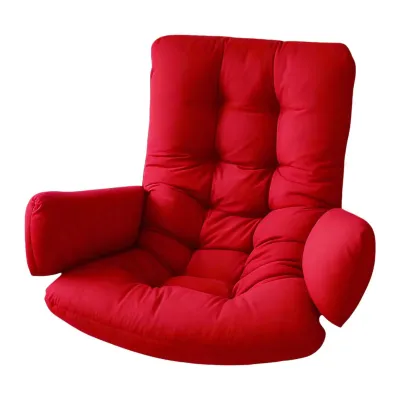
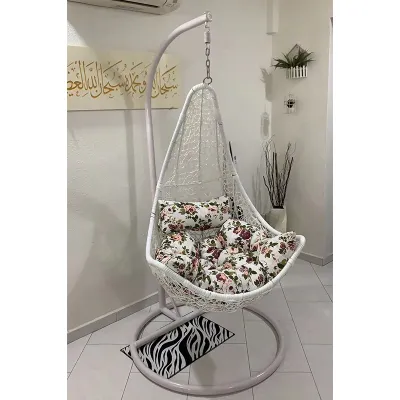
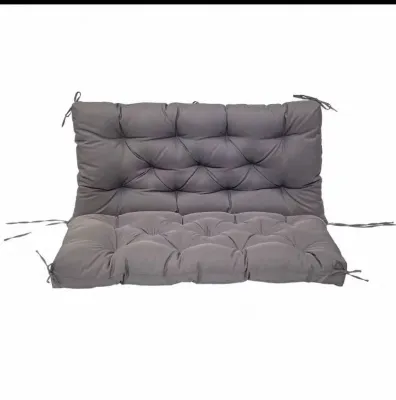
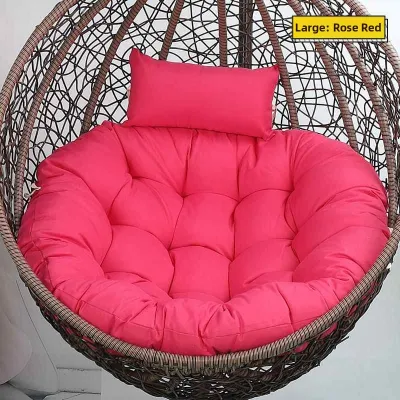
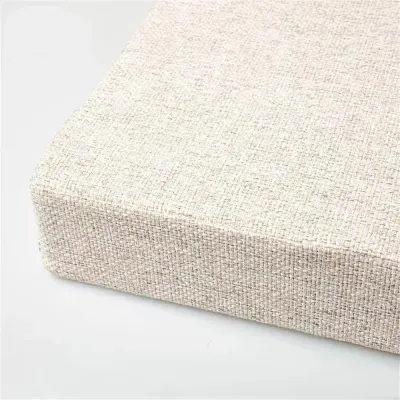
Prices are valid at publication and may change. Please refer to the product page for the latest price.
Semi-outdoor spaces, such as covered patios, verandas, or deeply recessed balconies, introduce transitional challenges. These areas shield your swing chair cushion from direct rainfall but still expose it to ambient humidity, blowing dust, and indirect sunlight. In tropical climates like Singapore, high humidity levels can cause moisture to settle deep within cushion fibers, creating a breeding ground for mildew even if the fabric never gets wet from rain.
Fully exposed outdoor zones, such as open lawns, rooftop terraces, or poolside decks, subject cushions to the harshest elements. Here, the fabric must endure intense ultraviolet (UV) radiation, which breaks down fibers and fades colors, alongside sudden downpours that can saturate the cushion fill. If you do not have a dry, covered storage box nearby or the patience to bring cushions inside before every storm, choosing a highly weather-resistant fabric is necessary.
Your personal maintenance habits also play a major role in this decision. Ask yourself honestly how much time you are willing to spend cleaning, vacuuming, or storing your cushions. If you prefer a low-maintenance setup that you can leave unattended for weeks, you will need a very different material than someone who enjoys performing regular fabric care and seasonal storage.
Material Breakdown: Comfort, Durability, and Care
To find the right balance for your home, it helps to understand how natural, synthetic, and engineered performance fabrics behave over time. Each material class has distinct physical properties that dictate how it handles friction, moisture, and sunlight.

While general material characteristics provide a helpful starting point, always remember that individual manufacturing processes vary. The care label and specification tag sewn onto the cushion remain the ultimate authority for washing instructions, weight limits, and specific fabric treatments.
Cotton: Softness and Breathability
Cotton is highly valued for its exceptional softness and natural, inviting texture. Because it is a natural fiber, it offers excellent breathability, allowing air to circulate freely and preventing that sticky, sweaty feeling during warm afternoons. This makes cotton cushions comfortable for long reading sessions in climate-controlled indoor spaces.
However, cotton is highly hygroscopic, meaning it readily absorbs moisture from the surrounding air. In humid environments, this high absorption rate becomes a major liability, as damp cotton fibers hold onto water and quickly develop musty odors or mold spots. If a cotton cushion gets caught in a sudden rain shower, it will take a long time to dry completely, risking damage to both the cover and the inner filling.
Additionally, natural cotton fibers are highly susceptible to UV degradation. When exposed to direct sunlight, the dyes in cotton fade rapidly, and the fibers themselves can become brittle and weaken over time. Cotton is also prone to shrinking when washed in hot water, so you must carefully check the manufacturer’s care label for specific laundering instructions, often requiring cold-water delicate cycles and air-drying.
Polyester: Everyday Durability and Easy Maintenance
Standard polyester is a synthetic powerhouse that serves as a highly versatile option for everyday use. Thanks to its resilient polymer structure, polyester naturally resists wrinkling, stretching, and shrinking, allowing the cushion to maintain its original shape even after months of regular sitting. It is generally more affordable than specialized performance fabrics, making it a popular choice for budget-conscious homeowners.
The primary trade-off with standard polyester is its breathability. Because synthetic fibers do not absorb moisture or allow air to flow as freely as natural cotton, polyester cushions can sometimes trap body heat, feeling slightly warm or sticky in hot, humid weather. However, this lack of absorption also means polyester dries much faster than cotton when exposed to dampness.
Polyester offers moderate inherent resistance to mildew and fading, making it highly suitable for covered outdoor areas like sheltered balconies. While it handles indirect sunlight and ambient humidity well, standard polyester can still fade and degrade if left under intense, direct UV rays for extended periods. The exact performance of a polyester cushion often depends on the density of its weave and whether the manufacturer applied any protective post-treatments.
Outdoor Fabrics: Weather Resistance and Specialized Care
Specialized outdoor fabrics, such as solution-dyed acrylics, olefin, or heavy-duty treated polyesters, are engineered specifically to survive harsh environmental conditions. Unlike standard fabrics where color is applied to the surface of the yarn, solution-dyed fabrics have pigments mixed directly into the liquid polymer before the fibers are extruded. This process ensures the color runs all the way through the fiber, providing exceptional resistance to UV fading even under intense, direct sunlight.
These performance textiles are typically treated with water-repellent and antimicrobial coatings that cause rainwater to bead up and roll off the surface. This engineered barrier prevents water from penetrating the inner fill, drastically reducing the risk of mold, mildew, and rot. To ensure you are getting these benefits, always verify the specific weather-resistance ratings and material composition on the product’s specification tag before purchasing.
The main trade-off with high-performance outdoor fabrics is their tactile feel. Because they are designed for rugged durability, they can feel stiffer, rougher, or less plush than natural cotton or soft polyester. Additionally, these advanced materials require a higher initial investment in S$, though they often save money over time by outlasting cheaper alternatives that require frequent replacement. Cleaning is usually straightforward, often requiring nothing more than a quick wipe-down with mild soap and lukewarm water.
Decision Framework: Matching Material to Your Needs
To help you finalize your choice, the following comparison table outlines how these three materials perform across key categories.
| Material | Best Environment | Comfort Level | Weather Resistance | Maintenance Effort |
|---|---|---|---|---|
| Cotton | Strictly Indoors | High (Soft & Breathable) | Low (Absorbs Moisture) | High (Requires Dry Conditions) |
| Polyester | Covered Balconies / Patios | Medium (Durable, Warm) | Moderate (Quick-Drying) | Low (Easy Spot-Cleaning) |
| Outdoor Fabric | Fully Exposed Gardens / Decks | Medium-Low (Stiffer Feel) | High (UV & Water Resistant) | Very Low (Wipe-Clean) |
When applying this framework to your home, use these conditional guidelines to make your final decision:
- Choose Cotton if your swing chair is located strictly indoors, such as in a bedroom or living room nook, where you prioritize softness, breathability, and a cozy tactile experience above all else.
- Choose Polyester if your chair is placed in a covered, semi-outdoor space like a sheltered balcony or veranda, and you want a durable, easy-to-clean balance of comfort and cost-effectiveness.
- Choose Outdoor Fabric if your swing chair sits in an open garden, patio, or poolside area fully exposed to rain and sun, and you prioritize long-term durability, fade resistance, and minimal maintenance over plushness.
- Verify First: Before making any purchase, always check the manufacturer's warranty terms and specific care instructions to ensure the cushion's ratings align with your intended placement.
Essential Checks Before Purchasing a Swing Chair Cushion
Once you have selected the right fabric material, you must perform several practical checks to ensure the cushion is physically compatible with your specific swing chair model.
- Dimensions and Fit: Carefully measure the inner width, depth, and backrest height of your swing chair frame. A cushion that is too small will slide around and leave uncomfortable gaps, while an oversized cushion will bunch up, putting unnecessary strain on the seams and reducing sitting comfort. Check if your chair's design requires a contoured, multi-panel cushion or a simple flat pad.
- Securing Mechanisms: Because swing chairs move, cushions can easily slip out of place. Look for cushions equipped with sturdy, built-in tie-down straps or non-slip backing material. If your swing chair has a smooth metal or wicker frame, having secure ties is essential to keep the cushion safely anchored during use.
- Fill Material: The cushion's interior is just as important as its cover. High-density foam inserts provide firm, structured support that holds its shape over time, whereas polyester fiberfill offers a softer, cloud-like feel but may flatten out faster with heavy use. If the cushion is intended for outdoor use, ensure the fill is made of quick-drying reticulated foam or polyester fibers that do not trap water.
- Cover Design: Prioritize cushions that feature zippered, removable covers. Being able to unzip the cover makes laundering and spot-cleaning significantly easier than dealing with a fully sealed cushion. While inspecting the cover, check the quality of the zipper track and look for reinforced, double-stitched seams that can withstand the tension of regular sitting and swinging.
- Suspended Load Safety: Because swing chairs are suspended furniture pieces, adding heavy cushions or changing the seating dynamic can affect the overall balance. Always verify your swing chair's maximum weight capacity as specified by the manufacturer. Ensure that the ceiling hooks, stand, chains, and carabiners are in excellent condition and rated for suspended loads before installing your new cushion and using the chair.
Frequently Asked Questions (FAQ)
Can I leave my swing chair cushion outside all year round?
Even high-quality, specialized outdoor fabrics will eventually degrade if left exposed to extreme weather conditions indefinitely. Continuous exposure to intense UV rays, heavy tropical downpours, and organic debris will gradually break down protective coatings and fade colors. To maximize the lifespan of your swing chair cushion, store it indoors or inside a dry, well-ventilated deck box during monsoon seasons, periods of prolonged non-use, or severe weather events. Always refer to the manufacturer’s care label for specific storage recommendations and environmental limits.
How do I safely clean stains from different cushion materials?
To safely clean stains without damaging your cushion, always start by blotting spills immediately with a clean, dry cloth rather than rubbing them, which can push the stain deeper into the fibers. For general cleaning, use a soft sponge dampened with a mixture of lukewarm water and a mild, pH-neutral detergent. Before applying any cleaning solution, check the manufacturer’s care tag to ensure it is safe for your specific fabric. Avoid using harsh chemical bleaches or abrasive scrubbers, as these can strip away water-resistant coatings on outdoor fabrics or weaken natural cotton fibers.
Community discussion
Share your experience or ask a question. Comments are reviewed before publication.