
A cotton wick is the physical engine of a scented candle, acting as the conduit that transforms solid wax and fragrance oil into an aromatic vapor. Its primary role is to draw liquefied wax upward through capillary action to fuel the flame, which in turn heats the surrounding wax to create a liquid pool. The size, depth, and temperature of this melt pool directly dictate the candle’s scent throw—the strength and reach of the fragrance dispersed into your living space. Choosing the right cotton wick construction ensures that the candle burns cleanly while releasing its aromatic notes at an optimal rate, preventing the fragrance from being trapped in unmelted wax or scorched by excessive heat.
What Is a Cotton Wick?
At its core, a cotton wick is a bundle of natural cotton fibers woven together to form a highly absorbent cord. When you light a candle, the heat of the flame melts the wax immediately surrounding the wick. This liquid wax is drawn upward through the tiny spaces between the cotton fibers via capillary action. Once the liquid wax reaches the top of the wick, the intense heat of the flame vaporizes it, allowing the hydrocarbons in the wax and the fragrance oils to combust and sustain the flame.
The physical construction of the cotton fibers determines how efficiently this capillary action occurs. Braided cotton wicks are the most common in modern candle-making, typically categorized into flat braids, square braids, and round braids. Flat braids are designed to curl slightly as they burn, which directs the tip of the wick into the hottest part of the flame for self-trimming behavior. Square braids are thicker and more robust, often used for larger pillar candles or viscous waxes, while round braids offer a sturdy structure that resists bending.
Products mentioned in this guide
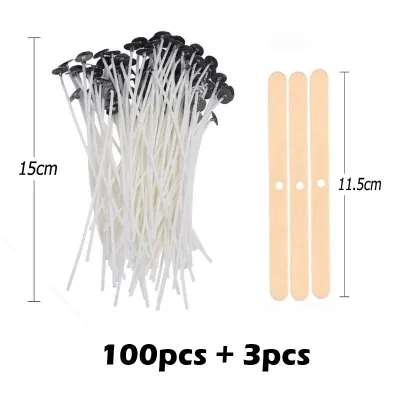
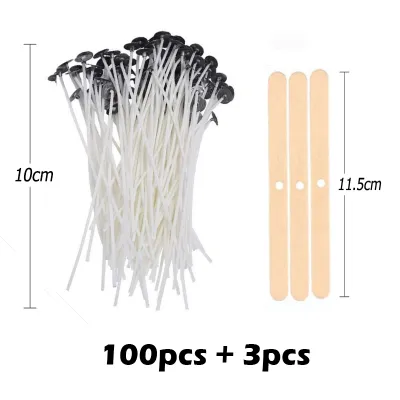
Prices are valid at publication and may change. Please refer to the product page for the latest price.
Knitted and twisted cotton wicks represent alternative construction methods. Twisted wicks are softer and tend to burn more rapidly, making them suitable for specific novelty candles but less predictable for complex scented formulations. Knitted wicks offer a looser structure that can accommodate rapid wax flow, though they require careful calibration to prevent the flame from becoming too large or unstable.
Beyond pure cotton, many manufacturers utilize blended or reinforced cotton wicks to improve structural integrity. Some wicks feature paper threads interwoven with the cotton, which increases rigidity and helps the wick stand upright in deep melt pools. Others contain a supportive core made of zinc, tin, or paper. While metal-core wicks remain upright during long burns, they are increasingly replaced by paper-core or high-tensile paper-and-cotton blends to ensure a clean burn that complies with modern indoor air quality preferences.
How Cotton Wicks Influence Scent Throw
Scent throw is divided into two categories: cold throw, which is the aroma a candle emits while unlit, and hot throw, which is the fragrance dispersed while the candle burns. The hot throw is almost entirely dependent on the formation of a liquid wax melt pool. As the cotton wick burns, it radiates heat downward, melting the top layer of wax. This liquid pool acts as a volatile surface from which the fragrance oils can evaporate into the surrounding air.

The diameter and depth of this melt pool are governed by the wick’s size and burn temperature. A properly sized cotton wick will heat the wax evenly, creating a pool that reaches the edges of the container within a few hours. This wide surface area maximizes the evaporation of fragrance oils, allowing the scent to fill a room efficiently. In tropical climates or air-conditioned spaces common in Singapore, maintaining a stable ambient temperature around the candle helps the melt pool form consistently without cooling too quickly at the edges.
If the cotton wick is too small for the container, it cannot generate enough heat to melt the wax to the outer edges. This leads to a phenomenon known as tunneling, where the flame burns a narrow path straight down the center of the candle, leaving a hard ring of wax along the walls. Because the surface area of the liquid wax is severely restricted, the hot throw becomes weak and localized, wasting a significant portion of the fragrance oils trapped in the unmelted wax.
Conversely, an oversized cotton wick creates an excessively large flame and generates too much heat. This rapid heating causes the melt pool to become too deep too quickly, which can scorch the fragrance oils. High temperatures break down the delicate top and middle notes of the perfume before they can disperse naturally, resulting in a burnt or chemical aroma rather than the intended scent profile. Additionally, an oversized wick consumes wax faster than it can cleanly combust, leading to soot production and a flickering, unstable flame.
Evaluating Cotton Wicks When Buying or Making Candles
When purchasing scented candles, discerning consumers can look for specific indicators of wick quality. High-quality candle labels often specify the use of lead-free, natural cotton wicks, sometimes noting if they are reinforced with paper or linen. When evaluating a candle in a retail store or on an online marketplace, inspect the centering of the wick; an off-center wick will cause uneven melting and poor scent distribution. On the first burn, observe whether the wax melts evenly across the surface within two to three hours, which indicates a well-matched wick.
For those engaged in candle-making, selecting the correct cotton wick requires a systematic approach. Because candle performance is a complex chemical system, a wick cannot be chosen in isolation. The wax type—whether soy, coconut, beeswax, or paraffin—has a unique melting point and viscosity. For instance, natural soy wax is denser and requires a larger or more tightly braided cotton wick than paraffin wax to achieve the same melt pool diameter.
Fragrance load also plays a critical role in wick selection. Scented candles typically contain between 6% and 10% fragrance oil by weight. These oils alter the combustion properties of the wax, often acting as additional fuel or, in some cases, clogging the capillary pathways of the cotton fibers. Candle makers must conduct rigorous burn tests, observing the candle at hourly intervals to measure the melt pool depth, flame height, and scent throw before finalizing a product design.
Ultimately, a successful candle relies on the harmony between the wick, the wax blend, and the fragrance formulation. Whether you are investing in a premium S$50 artisanal candle or sourcing raw materials to craft your own, testing different wick series allows you to find the precise configuration that balances clean combustion with maximum scent dispersion. A wick that performs beautifully in a plain soy wax pillar may fail entirely when saturated with a heavy, complex fragrance oil in a glass jar.
Troubleshooting Burn and Scent Issues
Even high-quality cotton wicks can exhibit burning issues if environmental conditions or maintenance habits are suboptimal. One common visual cue of a mismatched or poorly maintained wick is “mushrooming,” where carbon buildup accumulates at the tip of the wick, forming a shape resembling a small mushroom. This occurs when the wick draws up more wax and fragrance oil than the flame can fully consume. Mushrooming leads to an unstable, oversized flame that produces dark soot and can prematurely burn off the candle’s scent.
To prevent these issues, regular maintenance is essential. Always trim the cotton wick to approximately 5 millimeters before lighting the candle. This simple step limits the initial flame size, ensures a controlled burn rate, and minimizes the release of carbon soot into your indoor air. Additionally, place the candle on a stable, heat-resistant surface away from drafts, open windows, or air conditioning vents, as moving air can cause the flame to flicker wildly, leading to uneven heating and a compromised scent throw.
If you observe a “drowning” wick—where the flame is tiny and struggles to stay lit because it is submerged in a deep pool of melted wax—the wick may be too small or may have been trimmed too short. You can sometimes remedy this by safely absorbing some of the liquid wax with a paper towel while the candle is unlit, allowing the wick to breathe. However, if a candle consistently produces heavy black smoke, soot on the container walls, or fails to maintain a safe flame despite proper trimming, stop using it immediately and consult the manufacturer for guidance.
Frequently Asked Questions (FAQ)
Do cotton wicks produce less soot than other materials?
Soot production is not solely determined by the wick material itself. While pure cotton is a clean-burning natural fiber, soot is primarily a byproduct of incomplete combustion. This occurs when the flame is starved of oxygen, disrupted by drafts, or fueled by an oversized wick that draws up too much wax. Wood wicks or synthetic wicks can also burn cleanly under optimal conditions. To minimize soot with a cotton wick, ensure it is trimmed regularly and burned in a draft-free environment.
Can I replace a poorly performing cotton wick in a finished candle?
Attempting to dig out and replace a wick in a fully cured, finished candle is highly discouraged. Doing so can damage the structural integrity of the wax, create air pockets, and lead to unpredictable burning behavior that poses a fire hazard. If a candle suffers from severe tunneling or a broken wick, a safer alternative is to scoop out the remaining wax and use it in a dedicated wax melt warmer. This allows you to enjoy the fragrance safely without relying on a compromised wick system.

Community discussion
Share your experience or ask a question. Comments are reviewed before publication.