
Using outdoor fairy lights is an effective way to transform balconies, gardens, and patios into inviting, well-lit spaces. Whether you want to create a quiet retreat for daily relaxation or design a vibrant backdrop for festive celebrations, these versatile lighting options add depth and warmth to any outdoor area. Achieving a successful setup requires selecting the right weather-resistant fixtures, planning appropriate layouts, and adhering to safe installation practices.
Selecting Weather-Resistant Fairy Lights for Outdoor Use
Before purchasing any outdoor lighting, it is crucial to verify that the fixtures are engineered to withstand environmental exposure. This is particularly important in tropical climates characterized by high humidity, intense heat, and sudden, heavy downpours.
Start by checking the product packaging or manufacturer specifications for an Ingress Protection (IP) rating. The IP rating indicates how well the light fixture resists solids and liquids. For outdoor use, select lights with a minimum rating of IP44, which protects against splashing water from any direction. For areas completely exposed to the elements without overhead cover, opt for IP65 or higher to ensure protection against heavy rain.
Products mentioned in this guide
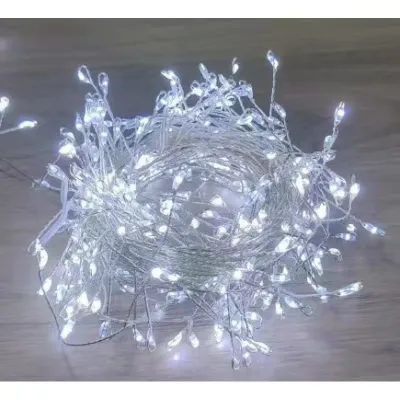
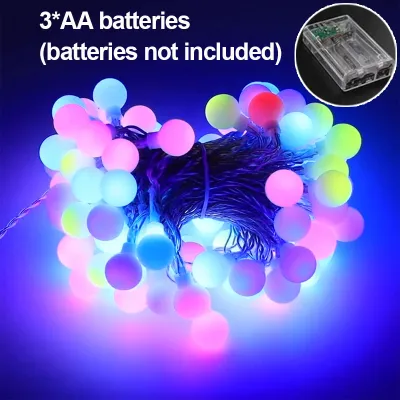
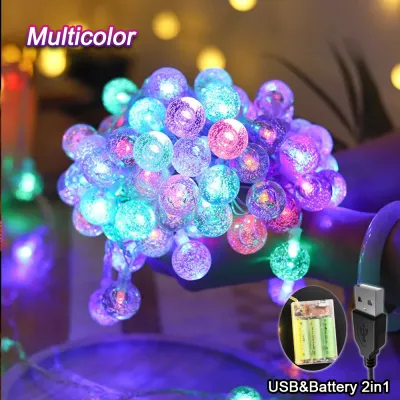
![[SG SELLER Ready Stock]10M 100LED Fairy Light 220V Plug Fairy String Light Indoor Outdoor Garden Christmas Tree Wedding Birthday Lighting Decoration](https://img.lazcdn.com/g/p/d2780906cda95b4d8a0b91168f414ba9.jpg_400x400q80.jpg_.webp)
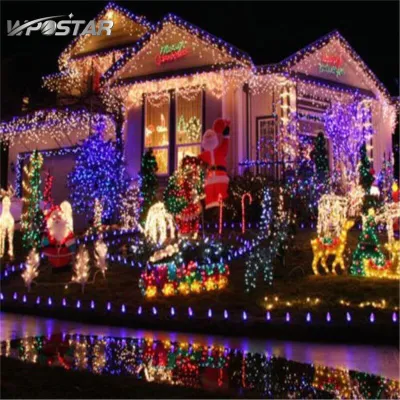
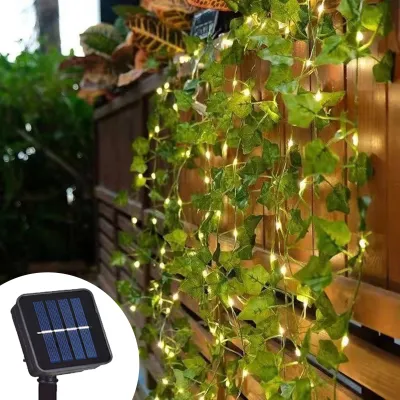
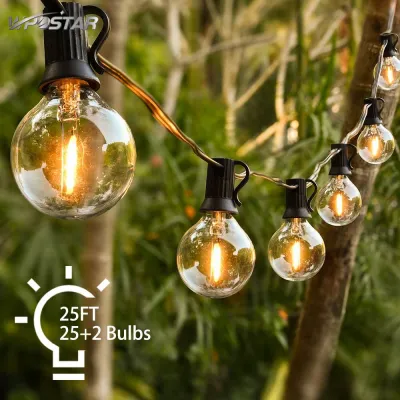
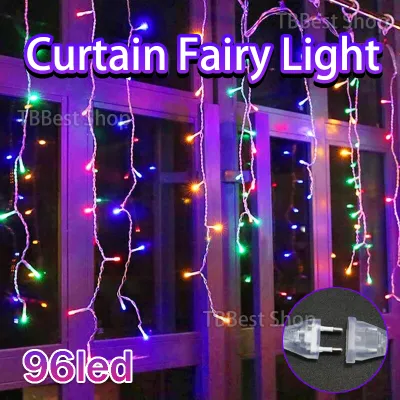
Prices are valid at publication and may change. Please refer to the product page for the latest price.
Next, evaluate the power source compatibility and electrical specifications. Outdoor fairy lights are generally available in solar, battery-operated, or plug-in models. If you choose plug-in lights, verify that they match the local electrical standard of 230V and 50Hz. Ensure that any extension cords or adapters are explicitly rated for outdoor use, featuring heavy-duty, weather-resistant insulation.
Always check for recognized electrical safety certification marks on the packaging before buying. These marks indicate that the product has undergone rigorous testing for electrical safety, reducing the risk of short circuits, shocks, or electrical fires.
Finally, review the manufacturer’s guidelines regarding the maximum continuous run length and wattage limits. If you plan to connect multiple strands together to cover a larger area, exceeding these limits can overload the circuit, cause significant voltage drops that dim the lights, or damage the wiring insulation.
Everyday Ambiance: Subtle Styling for Relaxation
For daily use, the goal of outdoor lighting is to create a calm, inviting atmosphere. Soft, warm-white tones are highly popular for this purpose, though the exact color temperature and spatial effect remain a matter of personal preference.

Balcony Retreats
In compact spaces such as high-rise HDB or condominium balconies, maximizing vertical space and railings is key to creating an open feel.
Weaving warm-white fairy lights along balcony railings or privacy screens provides a gentle, low-glare perimeter glow. This highlights the boundaries of your outdoor space without obstructing the natural evening breeze or the view.
Another effective technique is draping lights inside large potted plants or wrapping them around the base of balcony planters. This directional lighting accentuates the textures of the foliage and casts soft shadows, making a small balcony feel more dynamic and integrated with nature.
To complete the cozy corner, pair this subtle illumination with comfortable outdoor cushions, a small side table, and weather-resistant textiles. This setup creates a dedicated space perfect for winding down after a busy day.
Patio and Garden Pathways
In larger patios or open garden areas, low-height lighting helps define walkways and transition zones while maintaining a relaxed environment.
Lining patio edges or garden pathways with stake-mounted or heavy-base fairy lights serves a practical purpose. It guides footsteps safely through the dark while highlighting the structural layout of your garden.
For a portable lighting solution, place battery-operated fairy lights inside weather-resistant glass jars or lanterns. These can be used as decorative table centerpieces that you can easily move around depending on where your guests are seated.
When setting up daily lighting, choose steady-glow modes or use a compatible dimmer switch. Keeping the lights on a low, constant setting prevents visual distraction, ensuring a peaceful environment suitable for quiet conversations or evening reading.
Special Occasions: Statement Lighting for Celebrations
Special events, family gatherings, and festive holidays call for a more dramatic approach to outdoor lighting. Adjusting your layout and using dynamic lighting modes can turn your outdoor space into a festive venue.
Garden Parties and Outdoor Dining
Hosting an al fresco dinner or a garden gathering is an excellent opportunity to implement high-impact lighting layouts.
To create an intimate, cozy atmosphere, design a “canopy” or “tent” effect. You can achieve this by draping multiple strands of fairy lights from a central high point, such as a pergola, gazebo, or a sturdy tree branch, out to the edges of your seating area. This structure encloses the space in a warm, glowing ceiling.
Wrapping tree trunks and lower branches is another effective styling choice. This technique draws the eyes upward, expanding the perceived vertical space of your garden and highlighting its natural landscape features.
For dining tables, try weaving fairy lights down the center of the table runner. Ensure the wires are arranged neatly so they do not interfere with food platters, hot dishes, or glassware, and make sure all trailing cords are secured to prevent tripping hazards.
Festive and Holiday Decor
Fairy lights can be easily integrated with traditional seasonal decorations to enhance cultural celebrations and holiday themes.
Weave light strands through festive wreaths, wrap them around decorative lanterns, or combine them with fabric drapes along entryways. This integration adds depth to your traditional decor, making the festive elements stand out after dark.
Utilizing dynamic lighting modes, such as gentle twinkling or slow fading, can introduce energy and movement to your celebration. However, it is often best to switch back to a steady, non-flashing mode during dinner so guests can dine comfortably without visual fatigue.
If you want to customize your color schemes, check the manufacturer’s specifications for colored bulbs or smart controllers. Smart fairy lights allow you to adjust colors and patterns via mobile apps, but make sure any external controllers are kept in a dry, weatherproof enclosure.
Layout Patterns and Safe Installation Practices
Executing your lighting design safely requires understanding common layout patterns and adhering to proper installation techniques, especially when working in outdoor environments.
There are three primary layout patterns to consider:
- Zigzag Pattern: Excellent for covering wide rectangular areas like patios or open decks. Stringing lights back and forth between parallel supports creates an even blanket of overhead light.
- Perimeter Wrapping: Best for defining clean edges. Run the lights along the exact boundary of a fence, roofline, or balcony railing to highlight the architectural shape of the structure.
- Spiral Pattern: Ideal for vertical elements. Wrap the light strands tightly around poles, columns, or tree trunks, keeping the spacing between loops consistent for a clean, professional appearance.
When hanging your lights, always use outdoor-rated hooks, mounting clips, or UV-resistant zip ties. Never use metal nails, staples, or tacks to secure light strands. These sharp metal fasteners can easily pierce the protective wire insulation, exposing live copper wires and creating severe shock or fire hazards, particularly in damp outdoor conditions.
Safety must remain your top priority during installation. Always turn off the power at the main source before hanging, adjusting, or replacing any plug-in lights.
Strict professional boundaries apply to more complex setups. If your installation plan involves fixed electrical wiring, working at significant heights, handling heavy suspended loads, or drilling into weatherproofed building surfaces, pause the project. Consult a qualified professional or refer to your property management guidelines to ensure compliance with local safety standards and building codes.
Routine Maintenance and Weatherproofing Checks
To prolong the lifespan of your outdoor fairy lights in a humid, tropical climate, regular maintenance and proper care are essential.
Establish a routine visual inspection checklist to perform regularly, especially after heavy storms or periods of high wind. Check the entire length of the light strands for frayed wires, cracked bulb casings, or exposed copper. If you detect any damage to the insulation or the bulbs, discontinue use immediately and replace the affected strand.
Over time, dust, pollen, and environmental grime can accumulate on the bulbs, reducing their brightness. Gently wipe down the bulbs and wires with a dry or slightly damp cloth. Always ensure the lights are completely unplugged and dry before cleaning, and let them dry fully before reconnecting them to a power source.
Proper storage is equally important for preventing internal wire damage. When packing your lights away, avoid bundling them into a tight ball, which causes severe tangling and can break the delicate internal copper wires. Instead, wrap the strands neatly around a sturdy piece of rectangular cardboard or use dedicated plastic light spools. Store the wrapped lights in a dry, cool place inside a sealed plastic container to protect them from moisture, dust, and pests.
Frequently Asked Questions (FAQ)
Can I leave outdoor fairy lights on all night?
While many modern LED fairy lights are designed for long-term use and emit very little heat, you should always verify the manufacturer’s maximum continuous operating hours on the product packaging. To save energy, reduce wear on the components, and prolong the lifespan of your lights, use built-in timers or smart plugs to automatically turn them off late at night.
How do I prevent fairy lights from tangling when storing them?
To prevent tangling, wrap the light strand neatly around a sturdy piece of rectangular cardboard, securing the start and end of the strand with tape or small cut notches. Store the wrapped cardboard insert in a dry, cool place inside a sealed container to protect the wiring from moisture and pests.
Community discussion
Share your experience or ask a question. Comments are reviewed before publication.