
Crucifix vs. Cross: The Short Answer
Deciding on the right Christian symbol for your home often comes down to a fundamental distinction in design and theology. The primary visual difference is straightforward: a crucifix features the corpus, which is the physical representation of Jesus Christ on the cross, whereas an empty cross consists solely of the intersecting beams without any figure.
This distinction shapes how each symbol is perceived and used. Choosing between them is not merely a matter of interior design; it is deeply connected to your denominational tradition, theological focus, and personal aesthetic preferences. While one person may find comfort in the daily reminder of Christ’s sacrifice through a crucifix, another may prefer the empty cross as a symbol of the resurrection and hope.
Generally, those from Catholic and Eastern Orthodox backgrounds tend to display the crucifix, while those from Protestant traditions typically prefer the empty cross. However, modern homes often blend these traditions based on personal spiritual journeys, making both symbols meaningful choices for contemporary living spaces.
Products mentioned in this guide
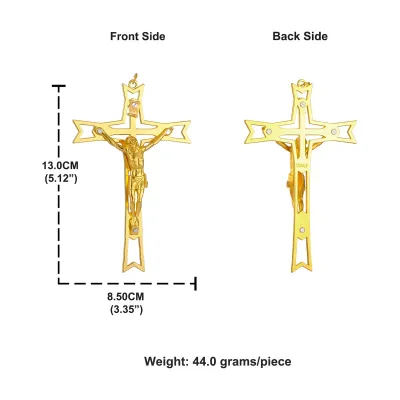
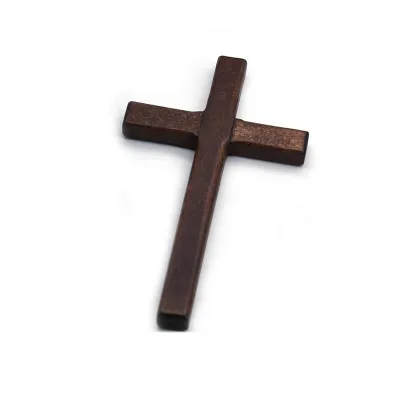
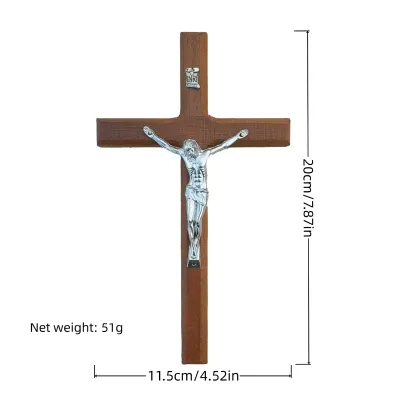
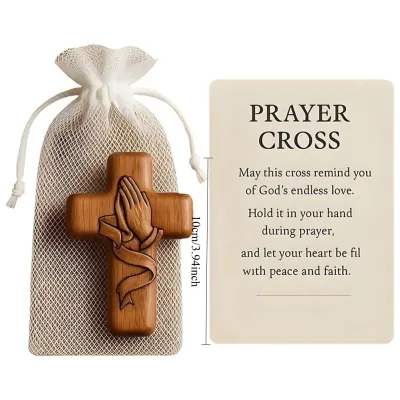
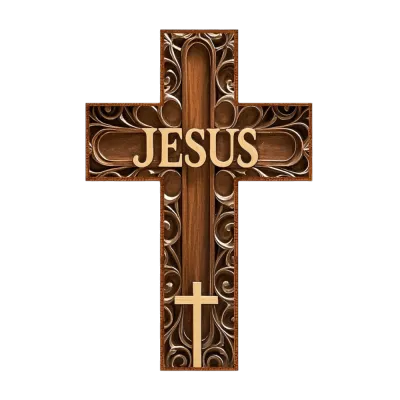
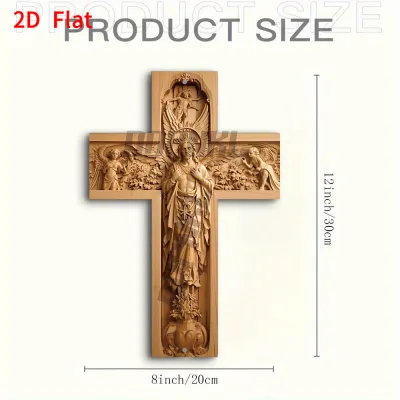
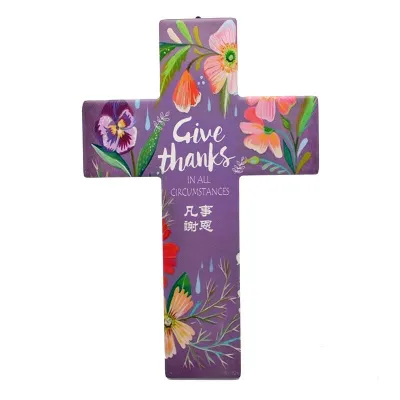
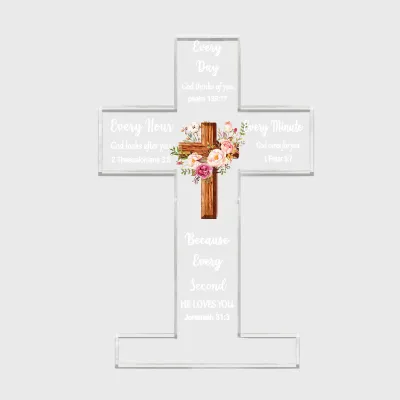
Prices are valid at publication and may change. Please refer to the product page for the latest price.
Key Differences Between a Crucifix and a Cross
To make an informed choice, it is helpful to understand the structural, visual, and symbolic definitions of both symbols. While they share the same basic geometric foundation, their theological emphasis and visual weight differ significantly.

The empty cross, most commonly represented as the Latin cross with a longer vertical beam and a shorter horizontal crossbar, is one of the most widely recognized symbols in the world. Symbolically, the absence of the figure of Christ is intentional. It represents the resurrection, serving as a powerful reminder that Christ rose from the dead and is no longer on the cross. For many, this symbol conveys triumph over death, hope for the future, and the promise of eternal life. Visually, its clean lines and geometric simplicity make it highly versatile, allowing it to blend seamlessly into various architectural and interior design styles.
In contrast, a crucifix is a cross that specifically includes the three-dimensional figure of Jesus, known as the corpus. This symbol focuses heavily on the passion, crucifixion, and sacrificial love of Christ. It serves as a visual representation of the historical event of the crucifixion and the price paid for humanity’s redemption. The presence of the corpus adds a profound layer of emotional and spiritual weight to the piece. It invites contemplation, repentance, and deep personal reflection on the suffering and love of Christ.
The visual impact of these two symbols on your home decor is distinct. An empty cross often acts as a subtle, minimalist statement of faith, drawing the eye to its clean silhouette and the material from which it is crafted. A crucifix, however, is inherently sculptural and detailed. It commands attention as a dramatic focal point, requiring viewers to engage directly with the human figure and the narrative of the passion. The choice between them alters the atmosphere of a room, shifting the tone from quiet, hopeful simplicity to solemn, reverent contemplation.
How Christian Denominations View the Cross and Crucifix
Understanding how different Christian traditions view these symbols can help you align your home decor with your personal faith or family heritage. While there is no universal rule dictating what an individual must display at home, denominational customs provide valuable context.
In Catholic and Eastern Orthodox traditions, the crucifix holds a central place in both public liturgy and private devotion. For Catholics, the crucifix is a mandatory element in churches near the altar, and this practice naturally extends to the home. Catholic households frequently establish a home altar or prayer space centered around a crucifix, using it as a visual aid for prayer, meditation, and the Rosary. Eastern Orthodox Christians also revere the crucifix, though their representations may feature distinct iconographic styles, such as the three-bar Orthodox cross. This variation includes a short top bar representing the inscription ‘INRI’ and a slanted bottom bar representing the footrest, symbolizing the two thieves crucified alongside Jesus.
Protestant traditions, including Anglican, Methodist, Baptist, Lutheran, and Presbyterian denominations, generally prefer the empty cross. During the Reformation, many Protestant reformers sought to distance their worship spaces from what they viewed as overly ornate or potentially idolatrous imagery. They chose the empty cross to emphasize the ‘living Christ’ who has conquered death. For Protestant believers, displaying an empty cross in the home is a declaration of faith in the resurrection and the ongoing work of the Holy Spirit, rather than a focus on the physical suffering of the crucifixion.
Despite these traditional boundaries, personal faith expression is highly individual. Many modern believers choose symbols based on their current spiritual focus rather than strict denominational lines. A Protestant believer might choose a crucifix to deepen their meditation on Christ’s sacrifice during Lent, while a Catholic might display an empty cross in a modern living room for its clean, hopeful aesthetic. Ultimately, the symbol you choose should resonate with your personal relationship with God and the spiritual atmosphere you wish to cultivate in your home.
How to Choose the Right Christian Symbol for Your Home Decor
Integrating a sacred symbol into your living space requires balancing spiritual reverence with practical interior design principles. Whether you select a crucifix or an empty cross, several factors will influence how the piece fits into your home.
Placement and Scale The size of the symbol should be proportionate to the wall or surface where it will be displayed. A tiny cross on a vast, empty wall can look lost and insignificant, while an oversized crucifix can overwhelm a small room, making the space feel cramped. For a prominent living room wall or above a mantel, a medium-to-large piece (approximately 30 to 50 centimeters in height) works well as a focal point. For smaller spaces, such as a study, bedroom, or dedicated prayer corner, a smaller, more intimate piece (15 to 25 centimeters) is often more appropriate.
Material and Finish The material of the cross or crucifix plays a significant role in its aesthetic and durability. Natural wood, such as olive wood, oak, or walnut, brings warmth, texture, and a sense of organic tradition to a space, making it ideal for rustic, traditional, or Scandinavian-style interiors. Metal options, including brass, bronze, or wrought iron, offer a more structured, classic, or industrial look. Resin and stone composites allow for highly detailed sculptural work, which is particularly beneficial for the intricate details of a crucifix’s corpus. Ensure the finish complements your existing furniture and hardware to create a cohesive look.
Lighting and Environment Proper lighting can enhance the beauty of your display. Soft, warm ambient light can highlight the textures of a wooden cross or the sculptural details of a crucifix. However, avoid placing delicate materials, especially painted wood or resin, in direct, harsh sunlight, as UV rays can cause colors to fade or materials to warp over time. If you plan to install dedicated accent lighting, such as a picture light or a backlit display, ensure all electrical components are safe. For any fixed electrical installations or wiring behind walls, always consult a qualified professional to ensure compliance with local electrical safety standards.
Reverence and Safety A sacred symbol should be displayed with respect, which means choosing a location where it is safe from accidental damage. Avoid high-traffic areas where people might bump into it, or low shelves where pets or young children could knock it over. When hanging a heavy cross or crucifix on the wall, prioritize secure mounting. Use appropriate wall anchors, screws, or brackets rated for the weight of the piece, and whenever possible, secure the mount directly into a wall stud. Working at heights to mount a piece high on a wall requires a stable ladder and careful handling to prevent falls or damage to your home.
Final Decision Guide: Which One Should You Display?
To help you make the final choice for your home, consider this practical decision framework based on your theological priorities, design preferences, and the purpose of the display.
Choose a Crucifix if:
- Your spiritual practice centers on contemplation of Christ's sacrifice, grace, and the depth of redemption.
- You practice Catholic or Eastern Orthodox traditions and wish to maintain a traditional home altar or prayer space.
- You appreciate highly detailed, classical, or historical art and want a sculptural focal point with deep emotional resonance.
Choose an Empty Cross if:
- Your faith focus is centered on the resurrection, the living Christ, and the hope of eternal life.
- You belong to a Protestant denomination or prefer a theological emphasis on the empty tomb.
- Your home decor leans toward modern, minimalist, or contemporary styles, where clean geometric lines and simple materials fit best.
Verify First if:
- You are purchasing the item as a gift for a friend or family member. It is essential to verify their specific denominational background or personal preferences beforehand. A well-intentioned gift can sometimes cause quiet discomfort if it does not align with the recipient's theological beliefs or church traditions.
Frequently Asked Questions (FAQ)
Can I display both a crucifix and an empty cross in my home?
Yes, many Christian households choose to display both symbols in different areas of their home. This approach allows you to honor different aspects of your faith depending on the room’s function. For example, you might place a highly detailed crucifix in a quiet bedroom or a dedicated prayer corner to facilitate deep, personal meditation and evening prayers. Meanwhile, an empty cross can be displayed in the living room or entryway as a welcoming, public statement of hope and resurrection that greets guests as they enter.
Where is the most appropriate place to hang or display it?
The most traditional and respectful locations for displaying a Christian symbol include above the main entryway or front door, over a bed, or on a prominent wall in the living room. Creating a dedicated prayer corner or home altar with a small table, a Bible, and the cross or crucifix is also a popular option. It is best to avoid placing these sacred symbols in bathrooms, near utility areas, or on the floor, as these locations do not reflect the reverence typically associated with symbols of faith.
Does the material or color of the cross matter?
The material and color do not alter the spiritual validity of the symbol, but they do affect how it integrates into your home environment. Natural wood conveys a sense of warmth, humility, and connection to the historical context of the cross. Metal finishes like brass or bronze offer durability and a classic, timeless appeal, while painted or modern finishes can help the symbol blend into contemporary color schemes. Choose materials and colors that harmonize with your space, ensuring the symbol remains a peaceful and respectful addition to your decor.
Community discussion
Share your experience or ask a question. Comments are reviewed before publication.