
Selecting the right crystal ball depends on how you plan to use it and what qualities you value most in a decorative or functional object. While the term “crystal” is often used broadly in home decor, these spheres are typically made from three distinct materials: natural quartz, optical glass, or synthetic resins. Each material offers a different balance of optical clarity, weight, durability, and cost. By understanding the physical characteristics of these options, you can choose a sphere that ideally suits your needs, whether you are capturing refracted landscapes in outdoor photography, adding an elegant accent to a living room, or using the piece for personal meditation.
Understanding the Main Types of Crystal Balls
To make an informed choice, it is essential to understand the physical and visual differences between the three primary materials used to create these spheres.
Natural quartz spheres are carved directly from genuine mineral deposits mined from the earth. Because they are formed over millions of years, natural quartz balls are rarely flawless. They typically feature unique internal inclusions, such as tiny fractures, veil-like clouds, wisps, and cooling lines. These natural variations mean that no two genuine quartz spheres are ever identical. Tactilely, natural quartz has a distinct, heavy feel and remains notably cool to the touch, taking much longer to absorb body heat than glass or plastic.
Products mentioned in this guide
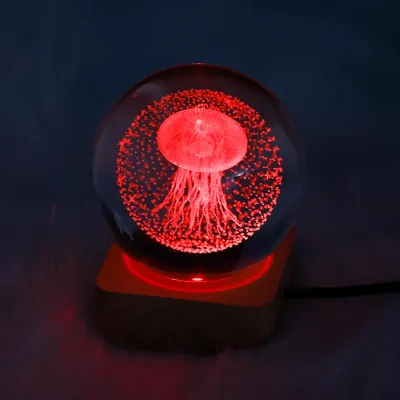
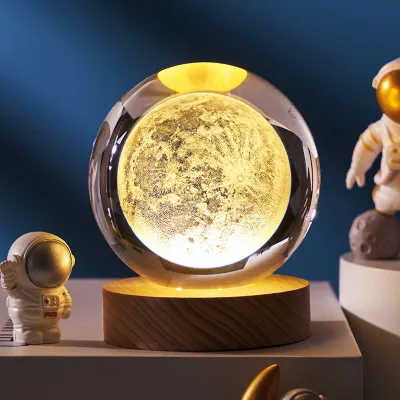
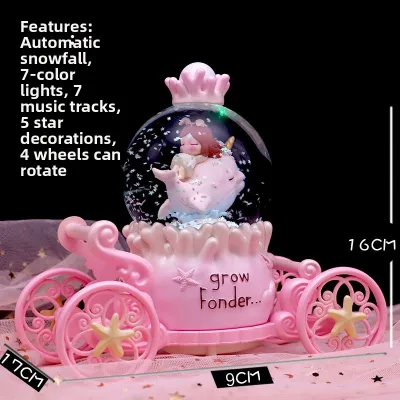
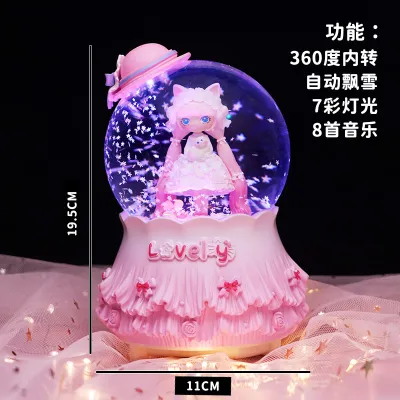
Prices are valid at publication and may change. Please refer to the product page for the latest price.
Optical glass, often marketed as K9 crystal or borosilicate glass, is an engineered material designed specifically for high light transmission and clarity. Unlike natural stone, optical glass is manufactured under controlled conditions to eliminate internal bubbles, streaks, and structural flaws. This results in a highly uniform, highly transparent sphere that refracts light with exceptional consistency. It offers the classic, pristine look that many associate with crystal, but at a more accessible price point than flawless natural quartz.
Synthetic materials, such as acrylic and polyester resin, represent the third category. These spheres are molded from lightweight polymers, making them highly shatter-resistant and safe for high-traffic areas. While high-quality acrylic can mimic the appearance of glass at a glance, synthetic spheres generally have lower optical clarity and are highly susceptible to surface scratching. Over time, prolonged exposure to sunlight can also cause synthetic resins to yellow or degrade, making them better suited for temporary displays or child-friendly environments.
How to Match the Material to Your Purpose
Matching the material of your sphere to its intended function ensures you get the best performance and visual appeal from your investment.

For lensball photography, optical glass is almost always the preferred choice. Photographers rely on the sphere to act as an external lens element, bending light to capture a sharp, inverted image of the surrounding landscape. Because optical glass is free from internal inclusions and structural distortions, it allows light to pass through cleanly, ensuring the flipped image inside the ball remains crisp and detailed. While high-grade, flawless natural quartz can also be used, its high cost and potential for subtle, unseen internal refractions make optical glass the practical standard for outdoor shoots.
For home decor and display, the choice of material depends on your personal aesthetic, budget, and placement. A large, flawless optical glass sphere placed on a sideboard can create a striking, modern focal point, reflecting and scattering ambient light throughout the room. On the other hand, a natural quartz sphere, with its organic veils and earthy inclusions, fits beautifully into rustic, bohemian, or minimalist interiors, offering a touch of natural texture. If you have a busy household with pets or young children, a lightweight acrylic sphere displayed on a secure shelf provides the look of crystal without the risk of heavy, sharp shards if it is accidentally knocked over.
For meditation, scrying, and personal reflection, practitioners generally favor natural quartz. The unique internal landscapes of genuine quartz—its veils, fractures, and occasional rainbow reflections—provide rich, organic focal points for deep concentration. The physical weight and cool temperature of natural stone also offer a grounding tactile experience during handling. For these practices, the minor imperfections that would ruin a photography session are actually celebrated as signs of authenticity and natural character.
Key Factors to Check Before Buying
Before purchasing a crystal ball, performing a few basic quality and compatibility checks will help you avoid common buying pitfalls.
First, conduct a thorough visual inspection. If you are buying in person, hold the sphere up to a neutral light source to check for distracting surface scratches, deep scuffs, or uneven polishing. For optical glass, look closely for tiny air bubbles; while a few microscopic bubbles are acceptable in cheap glass, high-quality optical glass should be completely clear. For natural quartz, inspect the internal fractures to ensure they do not reach the outer surface, as deep external cracks can compromise the structural integrity of the sphere.
Second, evaluate the polish and surface finish. A well-made sphere should have a highly smooth, uniform curve. Run your fingers across the entire surface to feel for flat spots, ripples, or rough patches. Any irregularity in the polish will distort light passing through the sphere and can make cleaning more difficult, as dust and oils tend to collect in unpolished crevices.
Third, verify the stability and compatibility of the display stand. Because of their weight and highly spherical shape, crystal balls present a significant rolling hazard. Ensure the included stand has a deep, secure recess lined with a non-slip material or shaped to cradle the sphere safely. If you plan to use an illuminated LED base to highlight the sphere’s internal features, verify the voltage compatibility, USB or plug interface, and ensure it carries recognized electrical safety certifications before plugging it into your home outlets.
Finally, read seller descriptions carefully when shopping on an online marketplace. Terms like “crystal glass,” “K9 crystal,” and “reconstituted quartz” can be confusing. “K9 crystal” is a high-quality glass, not a natural mineral. If you are looking for genuine natural quartz, look for listings that explicitly state “natural quartz” and expect to pay a premium, with prices often starting around S$50 for small spheres and rising significantly for larger, clearer specimens. Always check the seller’s return policy, as natural stones will always vary in pattern and color from the online product photos.
Care, Safety, and Maintenance by Material
Proper care and handling will keep your crystal ball looking pristine while preventing potential safety hazards in your home.
The most critical safety rule for any solid glass or crystal sphere is sunlight safety. Because these spheres are thick, curved, and transparent, they act as powerful magnifying lenses. If a crystal ball is left in direct sunlight—such as on a sunny windowsill or an outdoor table—it can focus the sun’s rays into an intense, hot beam. This focused light can easily scorch wooden furniture, melt plastics, or ignite nearby flammable materials like curtains, paper, or upholstery. To prevent fire hazards, always store your sphere away from direct sunlight, or cover it with an opaque, heat-resistant cloth when it is not in use.
When it comes to cleaning, different materials require different approaches. For optical glass and natural quartz, a clean, dry microfiber cloth is usually sufficient to remove fingerprints and dust. For stubborn smudges, you can use a slightly damp cloth with a drop of mild dish soap, followed by a thorough dry with a clean microfiber towel. Avoid using harsh chemical solvents, abrasive scrubbers, or ammonia-based glass cleaners on synthetic acrylic or resin spheres, as these chemicals can permanently cloud, scratch, or dissolve the plastic surface.
Proper handling and storage are also essential to prevent physical damage. When transporting your sphere, always place it in a padded pouch or a dedicated carrying case to protect it from impacts. Never let two crystal balls roll against each other, as this can cause chipping and deep scratches. When displaying the sphere, ensure the stand is placed on a flat, stable surface away from the edges of tables or shelves where it could be easily bumped.
Frequently Asked Questions (FAQ)
How can I tell if a crystal ball is real quartz or glass?
You can differentiate natural quartz from glass using a few simple, non-destructive tests. First, check the temperature; genuine quartz feels noticeably cold to the touch and takes much longer to warm up in your hand than glass. Second, look for internal inclusions under a bright light; glass often contains tiny, highly spherical air bubbles, whereas natural quartz features irregular, flat, or thread-like inclusions. Finally, you can perform a simple refraction test: draw a single straight line on a piece of paper and look at it through the sphere. If you rotate a natural quartz sphere, the line will often appear doubled due to the stone’s natural double refraction, whereas glass will show a single, continuous line.
What size crystal ball is best for photography?
For lensball photography, a sphere with a diameter of 80mm is generally considered the practical balance between portability and image quality. An 80mm sphere is large enough to capture a detailed, clear inverted image with minimal edge distortion, yet it remains light enough to hold steady in one hand or carry in a camera bag. Smaller spheres, such as those measuring 60mm, are highly portable and lightweight, but they can be difficult to focus on and capture a much wider, more distorted background. Larger spheres, such as 100mm or more, offer stunningly clear image areas but are heavy and cumbersome to handle during long outdoor shoots.
Community discussion
Share your experience or ask a question. Comments are reviewed before publication.