
Choosing a money tree sculpture involves evaluating how different materials align with your home’s aesthetic, your tactile preferences, and traditional symbolic practices. Crystal, jade, and brass money trees represent three distinct approaches to decorative styling. While they all serve as popular focal points in residential and commercial spaces, their physical properties, maintenance requirements, and cultural associations differ significantly. Understanding these differences allows you to select a piece that not only enhances your interior design but also suits your daily environment and lifestyle.
Visual and Tactile Differences: How Each Material Looks and Feels
The visual and tactile presence of a money tree sculpture defines how it interacts with your room’s lighting and furniture. Selecting the right material requires looking beyond mere color to examine how light behaves on the surface, how much physical weight the object carries, and how it feels when handled or moved during cleaning.
Crystal: Brilliance and Light Refraction
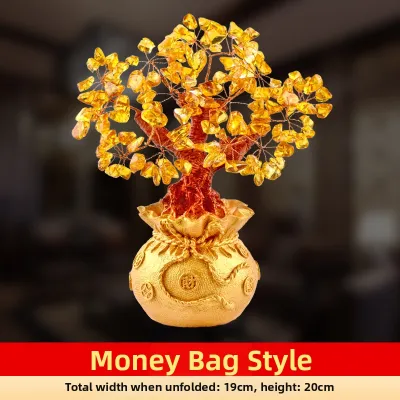
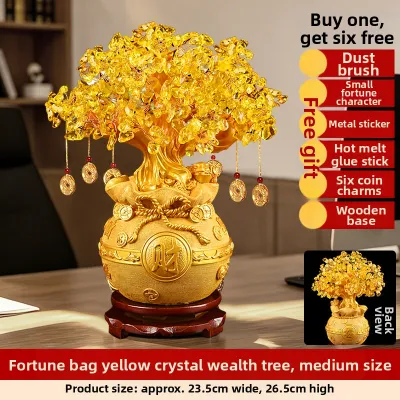
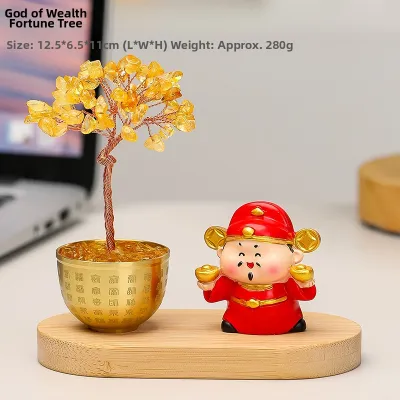
Crystal money trees are celebrated for their high transparency and brilliant light-catching capabilities. These sculptures typically feature delicate wire branches adorned with faceted crystal beads or raw, tumbled mineral chips such as amethyst, citrine, or clear quartz. When placed near a window or under direct spotlighting, the faceted surfaces split incoming light into vibrant patterns, creating a dynamic sense of movement and brightness.
Products mentioned in this guide
Prices are valid at publication and may change. Please refer to the product page for the latest price.
In terms of tactile feedback, crystal leaves feel smooth, glassy, and distinctly cool to the touch. The overall weight of a crystal money tree can vary; while the individual crystal pieces are relatively light, the sculpture is often anchored by a heavier base made of raw geode, wood, or resin. This combination offers a balanced physical presence, making it easy to reposition on delicate glass side tables or floating shelves without risking structural strain.
Jade: Natural Tones and Polished Weight
Jade money trees offer a completely different visual experience, defined by organic depth and rich, natural tones. Rather than refracting light, polished jade absorbs and softly diffuses it, displaying a characteristic waxy or greasy luster. The color palette ranges from deep forest greens and pale celadon to milky whites and lavender hues, often accented by subtle organic veining and natural color gradients that ensure no two sculptures are identical.
When you lift a jade money tree, the primary sensation is one of density and substance. Jade is a naturally heavy stone, giving even moderately sized sculptures a grounding, solid feel in the hand. The polished surfaces feel incredibly smooth and retain a cool temperature for longer periods than synthetic materials, conveying a sense of permanent, enduring craftsmanship that commands attention on a sturdy console table or mantlepiece.
Brass: Metallic Luster and Solid Presence
Brass money trees introduce a warm, metallic element to your decor, characterized by a golden-yellow shine that can range from highly polished mirror finishes to muted, antique patinas. Because brass is a highly malleable alloy, artisans can cast it into intricate, highly detailed shapes. This allows for realistic depictions of twisted bark, delicate leaf veins, and traditional coins hanging from the branches, offering a level of sculptural detail that stone and crystal cannot easily replicate.
Tactilely, brass is rigid, unyielding, and heavy. It feels solid and cool initially, but quickly conducts and adapts to the ambient temperature of the room. The physical weight of a solid brass sculpture provides excellent stability, making it highly resistant to tipping. Whether finished with a bright, modern polish or a darkened, brushed texture, brass sculptures possess a striking physical gravity that works well as a centerpiece.
Feng Shui Symbolism: Traditional Meanings and Placement
In traditional Feng Shui practices, decorative objects are believed to influence the flow of symbolic energy, or chi, within a living or working environment. The material of a sculpture is associated with specific elements among the Five Elements (Wu Xing)—Wood, Fire, Earth, Metal, and Water. While these associations are rooted in cultural beliefs rather than physical science, understanding their traditional meanings can help you place your money tree in a way that aligns with your personal intentions.

Crystal for Energy Amplification and Clarity
In Feng Shui philosophy, natural crystals are regarded as powerful earth elements that possess the ability to purify, focus, and amplify energy. Clear quartz is traditionally linked to mental clarity and the dispersal of stagnant energy, while yellow citrine is widely associated with wealth and abundance. The sparkling nature of crystal is believed to stimulate active, vibrant energy, making it a popular choice for revitalizing quiet or dark corners of a home.
Based on these traditional beliefs, the ideal placement for a crystal money tree is in areas dedicated to mental activity, decision-making, and professional growth. Placing a crystal tree on your home office desk, study table, or creative workspace is thought to support concentration and clear thinking. It serves as a visual reminder of focus and clarity, helping to maintain an alert and productive atmosphere during long working hours.
Jade for Harmony, Health, and Protection
Jade holds a revered status in East Asian cultures, where it has been treasured for thousands of years as a symbol of purity, moral integrity, and emotional balance. In Feng Shui, jade is associated with the Earth element and is believed to emit a gentle, nurturing energy that promotes harmony, physical well-being, and emotional healing. It is historically viewed as a protective stone that guards the household against negative influences and fosters peaceful relationships among family members.
To align with these traditional qualities, jade money trees are best suited for communal spaces where family members gather. Placing a jade sculpture in the living room, dining area, or main entryway symbolizes a wish for family harmony, health, and mutual support. Its soothing green hues and organic presence help create a serene, welcoming environment that encourages relaxation and mutual understanding.
Brass for Grounding and Wealth Attraction
Brass represents the Metal element in the Feng Shui system, which is traditionally associated with precision, mental sharpness, organization, and material wealth. Metal is believed to help consolidate and ground energy, preventing valuable resources from slipping away. Because brass money trees often feature designs incorporating traditional wealth symbols, such as Chinese coins or gold ingots, they are highly favored for their direct association with financial prosperity and business success.
The traditional placement for a brass money tree is in the wealth corner of your home or office, which is typically identified as the southeast sector of the space or the far-left corner from the main entrance of a room. Additionally, placing a brass sculpture near financial documents, home safes, or cash registers in commercial settings is believed to activate and protect financial assets, reinforcing a sense of stability and security.
Durability and Care: Maintaining Your Money Tree Sculpture
To preserve the beauty and structural integrity of your money tree sculpture, regular and appropriate maintenance is essential. Different materials react uniquely to environmental factors such as dust, ambient moisture, and cleaning agents. Implementing a careful, material-specific care routine ensures your decorative piece remains a vibrant and pristine addition to your home for years to come.
Dusting and Cleaning Crystal and Jade
Both crystal and jade are relatively durable stones, but their polished surfaces and intricate designs require a gentle touch. For regular maintenance, a soft, dry microfiber cloth is the safest tool to remove accumulated dust without scratching the polished surfaces. Avoid using harsh household chemical cleaners, abrasive scrubbing pads, or ultrasonic jewelry cleaners, as these can strip away protective polishes, dull the natural luster of jade, or damage the delicate facets of crystal leaves.
If a deeper clean is necessary to remove stubborn grime, use a slightly damp cloth with mild, diluted dish soap, ensuring you wipe the sculpture dry immediately afterward. It is also crucial to inspect the construction of the tree during cleaning. Many crystal and jade money trees feature leaves attached by thin copper or brass wires wrapped around a central resin or wood trunk. Avoid putting excessive pressure on these wires, as repeated bending can cause them to fatigue and break, detaching the stone leaves.
Preventing Tarnish on Brass in Humid Climates
Brass is an alloy of copper and zinc, which naturally reacts with oxygen and moisture in the air to form a dark layer of oxidation, commonly known as a patina. In humid tropical climates like Singapore, this tarnishing process can occur much more rapidly. While some collectors appreciate the vintage, weathered look of a natural patina, others prefer to maintain the bright, golden shine of polished brass.
To minimize tarnishing, wipe your brass money tree regularly with a clean, dry cloth to remove fingerprints, oils, and atmospheric moisture. Avoid placing the sculpture in areas with high humidity or direct exposure to outdoor air currents. Before applying any commercial brass polishes or chemical tarnish removers, always check the manufacturer’s care instructions and the product label. Many modern brass sculptures are finished with a thin, protective lacquer coating to prevent oxidation; applying harsh chemical polishes can strip this lacquer away, leading to rapid, uneven tarnishing that is difficult to correct. If instructions conflict, the item is unidentified, or the use is not covered, stop and consult the manufacturer or a qualified professional.
Space Matching: Choosing the Right Material for Your Room
Selecting the ideal money tree sculpture involves evaluating how the physical and aesthetic properties of each material interact with your specific room conditions. By analyzing your existing decor, lighting, and furniture strength, you can choose a piece that integrates seamlessly into your living space.
First, consider the lighting conditions of the intended room. Crystal money trees thrive in spaces with abundant natural light or targeted accent lighting, where their faceted surfaces can actively catch and scatter light. If your room relies primarily on soft, ambient, or indirect lighting, a jade or brass sculpture may be more appropriate. Jade’s rich, deep tones and brass’s warm metallic gleam do not require intense light to look luxurious, maintaining their visual appeal even in dimmer environments.
Next, match the material to your interior design style. Crystal sculptures, with their clean lines and sparkling modern look, complement minimalist, contemporary, or Scandinavian interiors beautifully. Jade, with its organic textures and traditional heritage, fits perfectly within Zen-inspired, classic Asian, or rustic bohemian decors. Brass money trees are highly versatile, bringing a touch of warmth to industrial lofts, vintage-inspired spaces, or classic, high-end luxury interiors.
Finally, assess the physical constraints of your furniture. Sturdy, solid wood shelves, heavy console tables, or stone mantelpieces are required to safely support the substantial weight of solid jade or heavy brass sculptures. If you plan to place your money tree on a delicate glass-topped desk, a slender floating shelf, or a small bedside table, a lighter crystal tree with a compact base is a much safer option. By balancing these practical factors with your aesthetic goals, you can find a money tree that feels perfectly at home in your space.
Frequently Asked Questions (FAQ)
Can I place a brass money tree in a humid room like a bathroom?
It is generally not recommended to place a brass money tree in a bathroom or any other room with high humidity and frequent temperature fluctuations. The constant exposure to moisture and steam will rapidly accelerate the oxidation process, causing the brass to tarnish, discolor, or develop green corrosion spots. To preserve the metallic finish, keep your brass sculpture in dry, well-ventilated living areas, offices, or entryways. If you must place it in a damp environment, ensure the manufacturer explicitly states that the item has a fully sealed, moisture-resistant protective coating.
Do crystal money trees require direct sunlight to maintain their appearance?
No, crystal money trees do not require direct sunlight to maintain their beauty, and prolonged exposure can actually be counterproductive. While direct sunlight creates beautiful light patterns, intense ultraviolet (UV) rays can fade the color of certain natural or dyed crystals over time. Additionally, the heat from direct sunlight can degrade the adhesives or resin used to secure the crystal leaves to the branches. Placing your crystal tree in a bright room with indirect sunlight or under warm LED spotlighting is the safest way to showcase its sparkle without risking damage.
How can I verify if a jade money tree is made of natural stone?
To verify the authenticity of a jade money tree, start by examining the stone’s physical characteristics. Natural jade typically exhibits subtle color variations, organic veining, and tiny internal imperfections, whereas synthetic imitations often look perfectly uniform. Natural jade also feels distinctly cool to the touch and takes time to warm up in your hand. For definitive verification, avoid aggressive at-home scratch or heat tests, which can permanently damage the sculpture. Instead, check the manufacturer’s product specifications, review the retailer’s material certifications, or request a professional gemological report from a reputable seller.
Community discussion
Share your experience or ask a question. Comments are reviewed before publication.