
Refreshing a living room does not require a complete furniture overhaul or an expensive renovation. Swapping out your cushion case cover is one of the fastest, most cost-effective ways to transform the visual tone of your space while protecting your underlying furniture investments. By selecting fabrics that suit your household’s daily habits and coordinating design styles with your existing decor, you can achieve a polished, designer-level look on a practical budget.
In tropical climates like Singapore, choosing the right cushion cover also involves practical considerations such as humidity resistance, breathability, and ease of maintenance. A well-chosen cover balances tactile comfort with structural durability, ensuring that your seating area remains inviting and easy to clean throughout the year. This guide provides a systematic approach to evaluating sizes, styles, materials, and retail options so you can build a reliable shortlist for your home.
How to Choose the Right Cushion Case Cover for Your Living Room
Before browsing colors and patterns, you must establish a clear set of physical criteria based on your existing living room setup. The first step is to measure your current cushions and sofa dimensions. In compact urban living rooms, spatial proportions are critical; oversized cushions can crowd a modest two-seater sofa, while tiny cushions can look lost on a deep, modular sectional. Standard square sizes like 45×45 cm or 50×50 cm are highly versatile, but incorporating a rectangular lumbar cushion (such as 30×50 cm) can break up visual monotony and provide targeted lower-back support.
Products mentioned in this guide
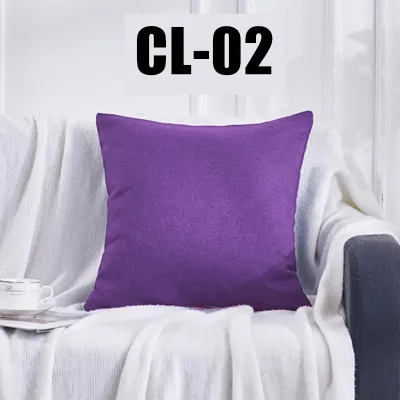
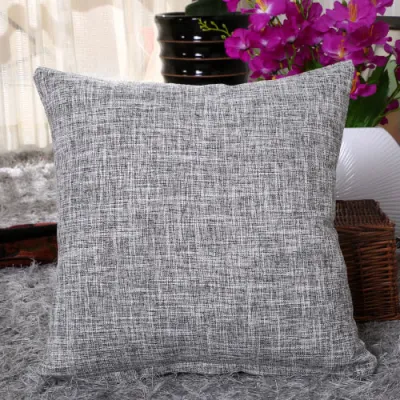
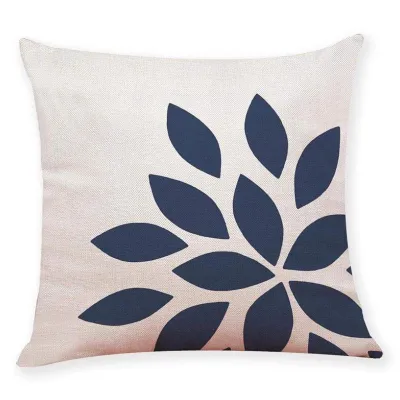
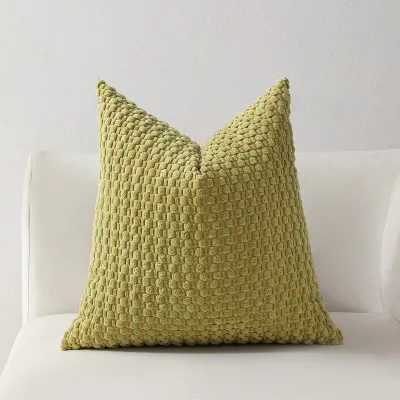
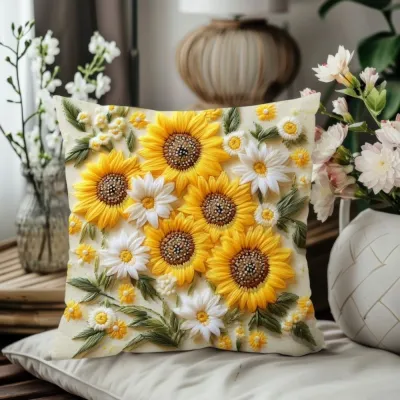
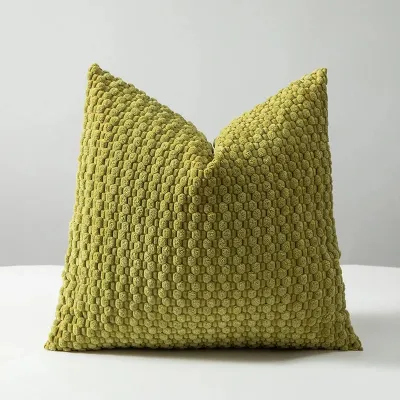
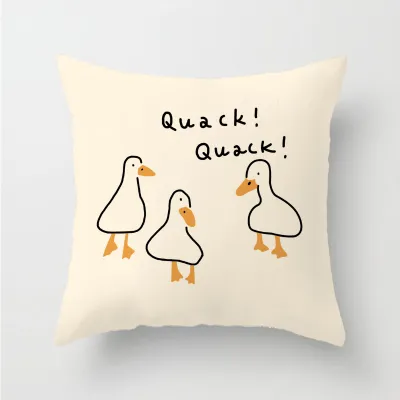
Prices are valid at publication and may change. Please refer to the product page for the latest price.
Next, evaluate the closure mechanisms of the covers you are considering. The two most common designs are hidden zippers and envelope closures. Hidden zippers are sewn along the bottom seam, offering a sleek, seamless appearance that keeps the insert fully enclosed. However, they require sturdy, reinforced stitching at the zipper ends to prevent tearing when you insert or remove plump cushions. Envelope closures, which feature overlapping fabric flaps on the back, eliminate metal hardware entirely, making them an excellent choice for delicate leather sofas that might otherwise be scratched by exposed zipper pulls.
Household dynamics should heavily influence your fabric selection. If your living room is shared with young children or pets, prioritize high-durability fabrics that can withstand frequent friction, claws, and spills. Look for materials that explicitly state they are machine-washable and resistant to pilling. For households with allergy sufferers, tightly woven fabrics that do not trap dust mites or pet dander easily are preferable. Establishing these practical boundaries early prevents you from buying delicate, high-maintenance covers that do not align with your lifestyle.
Finally, consider how the cushion covers will interact with your sofa’s upholstery material. Smooth leather sofas often cause lightweight, slippery cushion covers to slide out of place, meaning heavier, textured fabrics like chenille, thick cotton canvas, or covers with non-slip backings are more suitable. Conversely, fabric sofas offer excellent grip, allowing you to experiment with lighter materials like linen blends or silk-like synthetics without worrying about constant displacement.
Popular Cushion Cover Styles to Refresh Your Space
Selecting a design style is a highly personal decision, but understanding the core characteristics of mainstream decor styles can help you create a cohesive look rather than a cluttered mix of patterns. Minimalist and modern styles focus on clean lines, solid textures, and a restrained color palette. To make a minimalist setup feel warm and inviting rather than sterile, focus on tactile variation. Pair solid-colored covers in different textures—such as a chunky waffle weave alongside a smooth matte cotton—using neutral tones like charcoal, soft beige, cream, or muted slate blue.

If you prefer a warmer, more organic aesthetic, natural and bohemian styles offer excellent depth. This style relies on rich textures, earthy color palettes (such as terracotta, olive green, mustard yellow, and warm rust), and artisanal details. Look for cushion covers featuring tassels, tufted embroidery, fringe, or woven macramé panels. When styling bohemian cushions, keep the base sofa neutral so the rich textures can stand out without overwhelming the room. Be mindful that heavily textured or fringed covers require gentler handling and are best placed on accent chairs rather than high-traffic lounging spots.
For formal living rooms or traditional interiors, classic styles bring a sense of timeless elegance. This aesthetic often incorporates rich floral patterns, damasks, or solid jewel tones in luxurious fabrics like velvet and jacquard. To prevent a traditional arrangement from looking dated, balance patterned covers with solid-colored coordinates. For example, if you have two highly detailed floral covers, flank them with solid velvet covers in a matching accent tone. This creates a structured, symmetrical arrangement that feels balanced and sophisticated.
Evaluating Brands and Materials for Durability and Comfort
When comparing different brands and product lines, understanding material composition is key to predicting how a cushion case cover will perform over time. Cotton-linen blends are highly popular for their natural, relaxed appearance and excellent breathability, making them comfortable for warm climates. However, pure linen wrinkles easily; a blend that incorporates cotton or a small percentage of polyester will retain the organic texture of linen while offering improved wrinkle resistance and structural stability.
Polyester mixes and synthetic microfibers are engineered for high durability and budget-friendly maintenance. Modern, high-quality polyester blends can mimic the feel of natural linen or soft cotton while offering superior stain resistance and color retention. They are less prone to shrinking in the wash and dry quickly, which is highly convenient for busy households. The trade-off is that low-grade synthetics can sometimes feel static-prone or trap body heat, so it is wise to check customer reviews regarding the softness and breathability of the specific weave.
Velvet covers offer unmatched softness and deep, rich color saturation, making them excellent accent pieces. When evaluating velvet, check whether it is made from cotton or synthetic polyester fibers. Polyester velvet is generally more durable, easier to spot-clean, and less prone to crushing or bruising than cotton velvet. Regardless of the material, always inspect the manufacturer’s care labels. Look for indications of pre-shrunk fabrics and colorfastness ratings, which ensure that dark or vibrant dyes will not bleed onto your sofa during use or transfer in the washing machine.
Beyond the fabric itself, examine the construction details that distinguish premium craftsmanship from low-quality alternatives. Turn the cover inside out to inspect the seams; high-quality covers feature overlocked edges to prevent the fabric from fraying over time. Check the zipper quality—reputable brands use smooth-gliding, color-matched zippers with reinforced stitching at the stress points. If the cover features a geometric or striped pattern, check if the pattern aligns seamlessly across the seams, as misaligned patterns are a common sign of rushed, low-quality manufacturing.
Building Your Shortlist: Where to Shop and What to Verify
To build a practical purchase list, you must decide where to source your cushion covers. Specialized home decor retailers and boutique brands often offer highly curated collections with unique designs, premium fabrics, and reliable quality control. While they carry a higher price point, they typically provide detailed material specifications and clear return policies. Brand official stores are excellent for sourcing matching sets or coordinating collections designed by professional stylists, ensuring a cohesive look.
Comprehensive online marketplaces and ecommerce platforms offer an incredibly vast selection of designs at highly competitive prices. When shopping on these platforms, it is crucial to read customer reviews carefully, paying close attention to user-uploaded photos to verify color accuracy and fabric thickness. Check the seller’s return policy, as return shipping fees for international sellers can sometimes exceed the value of the cushion cover itself.
Before finalizing your purchase, double-check the product specifications on the listing page. A common mistake is assuming that a product listing includes the inner cushion insert; most online listings are for the cushion case cover only. Verify the exact dimensions and compare them to your existing inserts. For a plump, professional look, many decorators recommend using an insert that is 5 cm larger than the cover (for example, placing a 50×50 cm insert inside a 45×45 cm cover), provided the cover fabric has enough give and the zipper is sturdy.
Finally, plan your budget allocation in S$ to maximize value. You do not need to spend the same amount on every cushion. Consider investing more (perhaps S$30 to S$50 per cover) on two or three high-quality, durable, and highly tactile covers that will occupy the main seating areas and experience the most physical contact. You can then balance the look with budget-friendly, simpler covers (ranging from S$10 to S$20) for background layering or purely decorative side chairs, allowing you to achieve a premium aesthetic while keeping overall costs manageable.
Frequently Asked Questions (FAQ)
How do I wash and maintain different cushion cover materials?
Always refer to the manufacturer’s care label sewn inside the cover before cleaning. As a general rule, cotton, linen, and polyester covers can be machine-washed on a gentle cycle using cold water and a mild detergent to prevent shrinkage and color fading. Turn the covers inside out and zip them closed before washing to protect the zipper mechanism and prevent the fabric face from rubbing against the machine drum. Delicate fabrics like silk, wool, or heavily embellished covers with beads or long tassels should be hand-washed or dry-cleaned. Always air-dry your cushion covers flat or hang them in a shaded area; avoid direct, intense sunlight, which can degrade fabric fibers and cause colors to fade prematurely.
Can I use outdoor cushion covers indoors?
Yes, you can use outdoor cushion covers indoors, but you should be aware of the tactile trade-offs. Outdoor covers are typically treated with specialized water-resistant, UV-resistant, and mold-resistant coatings, making them incredibly durable and easy to wipe clean. This makes them highly practical for high-spill indoor areas like dining banquettes, playrooms, or sunny window seats. However, these protective coatings often give the fabric a stiffer, rougher texture and reduce breathability compared to standard indoor fabrics. If you prioritize cozy comfort for lounging on a main living room sofa, indoor-specific fabrics like cotton-linen blends or soft polyester mixes are much more suitable.
Community discussion
Share your experience or ask a question. Comments are reviewed before publication.