
Refreshing your living space does not require a complete furniture overhaul. Introducing a cute cushion cover is one of the most effective, budget-friendly ways to inject personality, warmth, and comfort into your home. In Singapore, where urban apartments often feature neutral walls and clean layouts, decorative accents play a vital role in defining a room’s character. Whether you are drawn to the playful charm of Japanese-inspired kawaii designs, the understated elegance of minimalist cute patterns, or the nostalgic warmth of vintage florals, selecting the right cover involves balancing your personal aesthetic with practical considerations like fabric durability and climate suitability.
By understanding the core design elements of each aesthetic and knowing how to navigate local retail channels, you can easily find high-quality cushion covers that elevate your decor. This guide will walk you through the defining traits of popular cute aesthetics, help you locate reliable brands in Singapore, and provide essential tips on evaluating fabric quality, styling your arrangements, and maintaining your covers to ensure they remain vibrant and cozy for years to come.
Defining Your Cute Aesthetic: Kawaii, Minimalist, or Vintage?
Before embarking on your shopping journey, it is essential to identify the specific design language that resonates with your home’s existing decor. “Cute” is not a one-size-fits-all term; it spans several distinct design movements, each bringing a unique energy and visual weight to a room. Pinpointing your preferred style helps narrow down your search and ensures your new cushion covers harmonize with your furniture, wall colors, and lighting.
Products mentioned in this guide
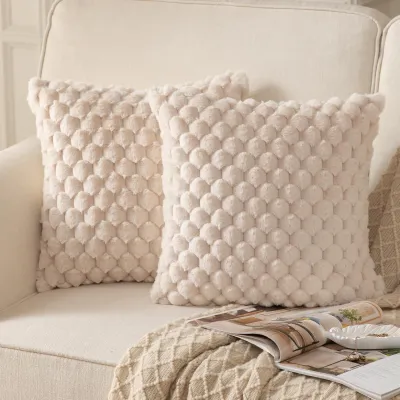
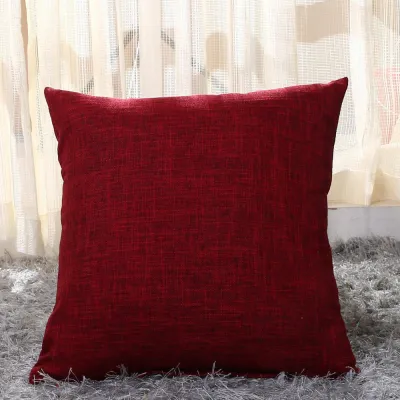
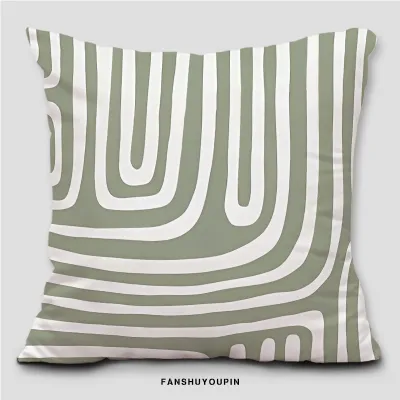
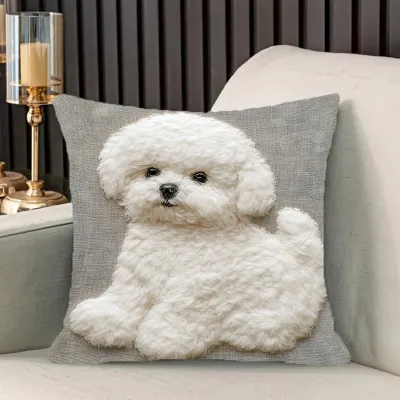
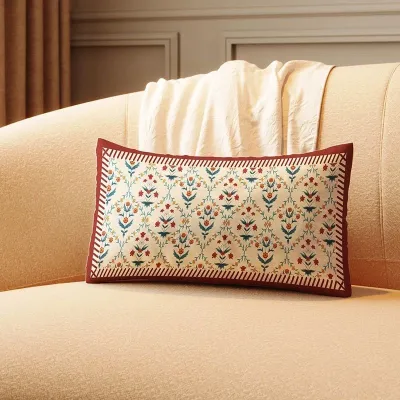
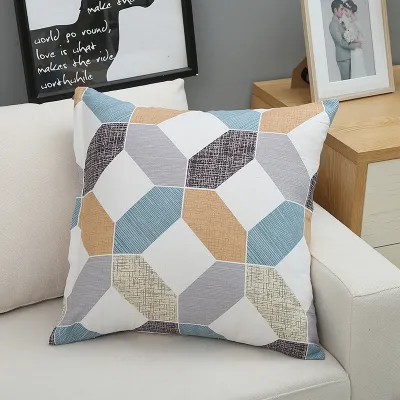
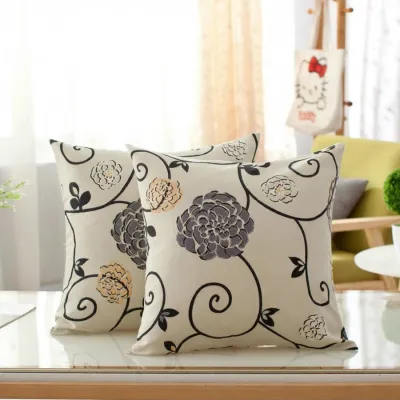
Prices are valid at publication and may change. Please refer to the product page for the latest price.
The Kawaii aesthetic is deeply rooted in Japanese pop culture, celebrating playfulness and comfort. Visually, this style is defined by soft pastel color palettes—such as baby pink, lavender, mint green, and sky blue—often paired with rounded shapes and cheerful character motifs. In a typical Singaporean home, Kawaii cushion covers thrive in bright, airy spaces with light-colored wood furniture, such as rubberwood or light oak. To complement this look, use warm-white ambient lighting (around 2700K to 3000K) to enhance the soft, inviting atmosphere and make the pastel tones pop.
If you prefer a more subtle approach, the Minimalist Cute aesthetic offers a perfect balance between playfulness and modern sophistication. This style strips away busy details, focusing instead on simplified line art, abstract animal illustrations, or understated geometric patterns with a whimsical twist. The color palette is grounded in muted, earthy tones like warm beige, cream, soft terracotta, and sage green. Minimalist cute cushion covers are highly versatile and pair beautifully with contemporary Scandinavian or Japandi-style interiors. They look exceptionally striking on neutral-colored sofas—such as charcoal grey, beige, or cream—surrounded by indoor houseplants and natural sunlight.
For those who love character and nostalgia, the Vintage Cute aesthetic draws inspiration from mid-century design, retro floral patterns, classic gingham, and delicate embroidery. This style features richer, slightly desaturated tones such as dusty rose, olive green, mustard yellow, and rust. Vintage cute cushion covers add a sense of history and warmth to a room, making them ideal companions for dark wood furniture like teak or walnut. To highlight the intricate textures and patterns of vintage designs, pair them with brass or matte black metal accents and layered accent lighting, such as a warm brass floor lamp or ceramic table lamps.
| Aesthetic | Visual Focus | Mood | Typical Fabric Preferences |
|---|---|---|---|
| Kawaii | Character motifs, pastel colors, rounded shapes | Playful, comforting, cheerful | Soft plush, faux fur, brushed cotton |
| Minimalist Cute | Abstract line art, muted tones, subtle patterns | Serene, clean, understated | Linen blends, organic cotton, canvas |
| Vintage Cute | Retro florals, gingham, embroidered details | Nostalgic, warm, cozy | Velvet, heavy cotton canvas, corduroy |
Where to Discover Reliable Cushion Cover Brands in Singapore
Finding high-quality cute cushion covers in Singapore requires knowing where to look. While mass-produced options are widely available, sourcing from reliable brands ensures better fabric quality, durable stitching, and unique designs that stand out. Depending on your preferred aesthetic and shopping habits, several retail channels offer excellent options.

Local home decor boutiques and lifestyle concept stores are treasure troves for curated minimalist cute and vintage designs. Exploring physical boutiques in design-centric neighborhoods like Tiong Bahru or Haji Lane allows you to feel the fabric weight, inspect the zipper quality, and see the true colors under natural light. Many of these independent stores collaborate with local or regional designers, offering exclusive, limited-run cushion covers that add a unique touch to your home.
If you are searching for licensed Kawaii designs or specific character-driven brands, official storefronts on general online marketplaces and ecommerce platforms are highly convenient. Many established Japanese and regional lifestyle brands maintain official digital flagship stores. When shopping online, look for verification badges such as “Official Store” or “Mall” status to guarantee you are purchasing authentic, licensed products rather than low-quality counterfeits.
Regardless of the channel you choose, performing a few essential reliability checks before making a purchase is crucial. When shopping online, read customer reviews thoroughly, paying close attention to uploaded photos that show the fabric texture and zipper construction in real-world settings. Check the seller’s overall rating and response rate to gauge their customer service. Additionally, verify the store’s return and exchange policies; reliable brands in Singapore typically offer a clear window (often 7 to 15 days) to return items with manufacturing defects, ensuring a risk-free shopping experience.
How to Evaluate Cushion Cover Quality, Fit, and Comfort
A cushion cover’s appeal goes beyond its visual design; it must also feel comfortable, fit your existing inserts perfectly, and withstand daily use. Equipping yourself with a practical evaluation checklist ensures you select covers that are both beautiful and highly functional.
Achieving a plump, professional look starts with precise measurements. To avoid a loose, wrinkled appearance, choose a cushion cover that matches your insert size exactly, or is slightly smaller for an extra-firm look. For example, a standard 50cm x 50cm polyester insert fits comfortably in a 50cm x 50cm cover, while a 45cm x 45cm cover creates a denser, plumper cushion. To measure your insert, lay it flat and measure from seam to seam across the center.
Fabric composition is another critical factor, especially given Singapore’s warm and humid tropical climate. Different materials offer distinct advantages:
- Cotton: Highly breathable, soft, and hypoallergenic. Cotton is an excellent choice for everyday living room cushions, as it remains cool to the touch and is easy to machine-wash.
- Linen: Offers a relaxed, textured aesthetic with exceptional durability. Linen wicks moisture efficiently, making it highly suitable for non-air-conditioned spaces.
- Velvet and Corduroy: Provide a luxurious, tactile depth that enhances vintage cute designs. While incredibly soft, these heavier fabrics are best suited for air-conditioned bedrooms or study rooms, as they can retain heat in warmer environments.
- Polyester Blends: Highly resistant to wrinkling, shrinking, and fading. Polyester blends are practical for high-traffic family sofas or homes with pets, though they may offer less breathability than natural fibers.
Finally, inspect the functional construction details of the cover. The closure mechanism is a key indicator of quality. Hidden zippers (also known as invisible zippers) are sewn flush into the bottom seam, providing a clean, uninterrupted silhouette and preventing the metal pull from scratching your leather sofa or irritating your skin. Alternatively, envelope closures use overlapping fabric flaps on the back; while highly durable due to the absence of moving parts, ensure the overlap is deep enough (at least 10cm) to prevent the white insert from peeking out. Always check the inner seams for reinforced double-stitching or overlocked edges, which prevent the fabric from fraying during washing cycles.
Styling Tips to Arrange Your Cute Cushions Perfectly
Once you have selected your cute cushion covers, the way you arrange and layer them can transform your sofa from simple seating into a beautifully styled focal point. Applying basic interior design principles allows you to showcase your cute covers while maintaining a balanced, cohesive look.
A classic styling technique is the rule of odd numbers. Arranging cushions in groups of three or five creates a more natural, visually appealing composition than symmetrical pairs. To add depth, vary the sizes and shapes of your cushions. For a standard three-seater sofa, you might place two large 50cm square neutral cushions at the back corners, layer two 45cm patterned covers in front of them, and place a single small round or character-shaped cute cushion directly in the center. This layered approach guides the eye across the arrangement and makes the space feel cozy and curated.
If you love bold, vibrant Kawaii designs, balance is key to avoiding visual clutter. Too many busy patterns in one space can make the room feel chaotic. To prevent this, use solid-colored, minimalist cushion covers in neutral tones—such as cream, soft grey, or beige—as a calming background. Place your highly detailed character or patterned cushion in front of these solid backdrops. This contrast allows your favorite cute statement pieces to stand out as clear focal points while keeping the overall aesthetic clean and sophisticated.
For a vintage cute look, focus on layering rich textures and coordinating complementary patterns. Instead of matching everything perfectly, mix different fabric types and subtle prints that share a common color story. For instance, you can pair a mustard-yellow corduroy cover with a cream-and-rust gingham pattern and a dusty-rose embroidered floral cover. Because the colors share a warm, earthy undertone, the different textures and patterns work together harmoniously, creating a nostalgic, lived-in charm that feels incredibly welcoming.
How to Wash and Maintain Your Cute Cushion Covers
To preserve the soft textures, vibrant colors, and delicate prints of your cute cushion covers over time, establishing a proper care routine is essential. Singapore’s humid climate also means regular washing is necessary to prevent dust mite buildup and keep your living space fresh.
Always begin by reading the care label sewn inside the cover. Different materials require specific washing methods to avoid damage. Delicate fabrics—such as velvet, covers with intricate embroidery, or those featuring 3D plush elements like ears or tails—often require hand-washing or professional dry-cleaning. Standard cotton, linen, and polyester blend covers are typically safe for machine washing, but they should always be washed on a gentle or delicate cycle to minimize friction and stress on the seams.
When washing printed or embroidered cushion covers, turn them inside out to protect the design from friction, preventing print cracking and color fading. Use cold water (30°C or below) and a mild, color-safe liquid detergent. Avoid bleach or harsh fabric softeners, which break down natural fibers and dull bright pastel colors. Reshape the covers while damp and air-dry them flat in a shaded, well-ventilated indoor area. Avoid direct sunlight and high-heat tumble dryers, which can shrink natural cotton and linen fibers.
Proper storage is equally important when rotating your cushion covers seasonally or for a style refresh. Before storing, ensure the covers are completely dry; any lingering moisture can lead to mold, mildew, and unpleasant musty odors in Singapore’s humid air. Fold the covers gently to avoid sharp creases and store them in a breathable fabric storage bag or a clean drawer. Placing a few silica gel packets alongside your stored covers will help absorb excess moisture and keep them smelling fresh until their next rotation.
Frequently Asked Questions (FAQ)
Do I need to buy new cushion inserts when changing covers?
You do not necessarily need to purchase new cushion inserts every time you update your covers. If your current inserts are still fluffy, resilient, and free of odors, you can easily reuse them with your new cute cushion covers. To assess their condition, give them a firm pat; if they bounce back to their original shape and provide adequate support, they are perfectly fine to keep. However, if the inserts have become permanently flat, lumpy, yellowed, or have developed a musty smell due to humidity, upgrading to fresh inserts will ensure your new covers look plump and feel comfortable.
How can I prevent my cushion covers from fading in sunlight?
Direct sunlight streaming through windows can cause vibrant prints and delicate pastel dyes to fade over time. To protect your cushion covers from UV damage, try to position your sofa and chairs away from direct window paths where sunlight is most intense. If your seating arrangement cannot be moved, using sheer curtains, blinds, or applying UV-blocking window films can significantly reduce the harshness of the sunlight while still keeping your room bright and airy. Additionally, establish a regular rotation routine—flipping and swapping the positions of your cushions every few weeks—to ensure any light exposure is distributed evenly, minimizing noticeable fading on any single cover.
Community discussion
Share your experience or ask a question. Comments are reviewed before publication.