
A cute penguin figurine can add a touch of charm to a workspace, elevate a living room shelf, or serve as a thoughtful gift. However, selecting the right piece requires more than just picking a favorite design. By evaluating your available space, the intended environment, and the material properties, you can find a penguin sculpture that fits beautifully and lasts for years. This guide will help you match the ideal size, style, and finish to your specific display needs.
How to Size Your Penguin Figurine for the Perfect Fit
Before purchasing a decorative sculpture, measuring the physical dimensions of your intended display area is essential. For compact spaces like floating shelves or study desks, a figurine that is too large can overwhelm the surrounding decor and make the area feel cluttered. Conversely, a tiny figurine placed on a wide console table or a deep bookshelf can easily get lost visually, losing its impact as a decorative accent.
To find the right balance, measure the depth of your shelf and the vertical clearance of the space. A good rule of thumb is to leave at least one-third of the vertical space above the figurine empty to allow the piece to breathe. Additionally, consider the visual weight of the figurine; solid, dark-colored materials like cast iron or dark stone look heavier than glass or light-colored ceramic of the same size, meaning they require more open space around them to avoid looking cramped.
Products mentioned in this guide
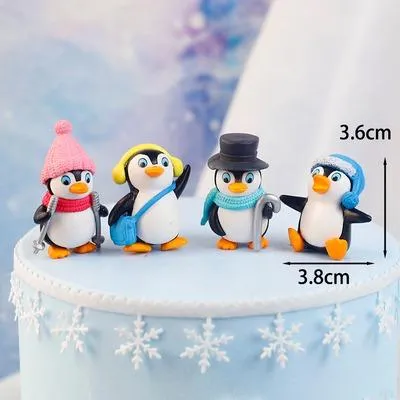
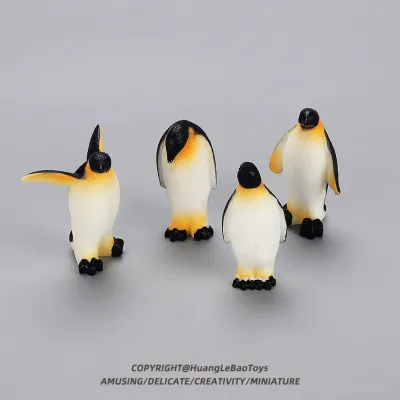
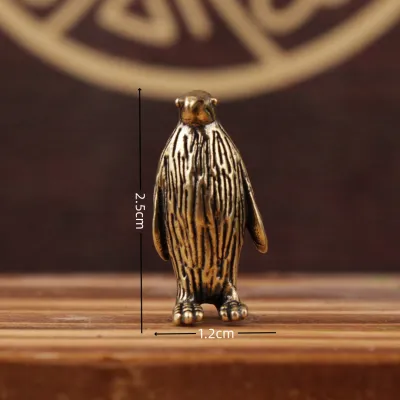
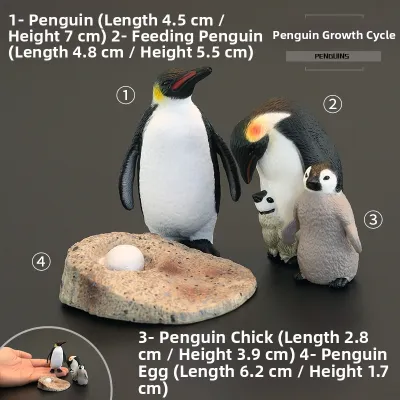
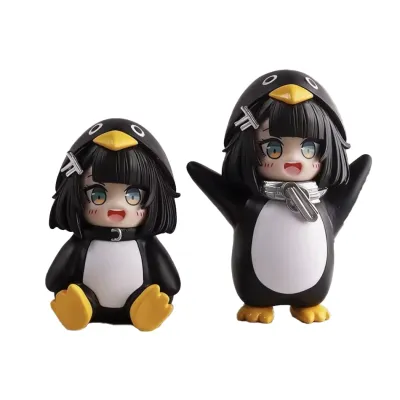
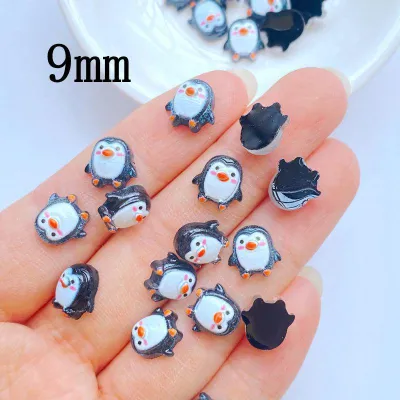

Prices are valid at publication and may change. Please refer to the product page for the latest price.
When shopping on online marketplaces, always check the exact product dimensions listed in the specifications rather than relying solely on product photos. Photos can often be misleading due to close-up angles or forced perspective. Comparing the listed height, width, and depth against your measured space ensures the figurine will sit comfortably without hanging over edges or blocking nearby items.
Matching Figurine Styles to Your Space
The artistic style of a penguin figurine should harmonize with the existing design theme of the room. Whether your home leans toward a sleek modern look, a cozy rustic vibe, or a playful eclectic aesthetic, choosing a complementary figurine style creates a cohesive and intentional look.

Office Desks and Workspaces
For professional environments, a desk figurine should personalize your workspace without creating visual clutter or distraction. Compact, minimalist designs with clean lines or subtle, stylized shapes work exceptionally well in these settings. A simple wooden or matte ceramic penguin can add personality to your desk while maintaining a professional atmosphere.
It is also practical to avoid overly fragile, top-heavy, or easily tipped pieces in high-traffic work areas. Desks are prone to sudden movements, shifting papers, and accidental bumps, so a sturdy figurine with a low center of gravity is a safer choice. Additionally, choosing a matte or satin finish over a highly reflective gloss finish helps reduce glare from bright overhead office lights or computer screens.
Living Room Shelves and Home Decor
Living rooms and common areas offer more freedom to experiment with larger, more detailed, or artistically expressive penguin sculptures. On a spacious bookshelf, a console table, or a mantelpiece, you can opt for detailed resin figurines, hand-painted ceramics, or abstract metal sculptures that serve as conversation starters.
When integrating these pieces into your home decor, coordinate their colors and textures with your existing theme. For instance, a smooth, white ceramic penguin fits beautifully into a minimalist or Scandinavian-style living room, while a rustic wooden carving complements a farmhouse or coastal aesthetic. Grouping multiple figurines of varying heights can also create an appealing visual narrative, provided you leave enough negative space between them to prevent a cluttered appearance.
Choosing the Right Material and Finish
The material of your penguin figurine affects not only its appearance but also its durability, weight, and maintenance requirements. Common materials include resin, ceramic, wood, and metal, each offering distinct advantages and limitations depending on where they are displayed.
Resin is highly popular for detailed and whimsical designs because it can be molded into intricate shapes and painted with precise detail. It is generally lightweight and less fragile than ceramic, making it a practical choice for households with active pets or children. Ceramic and porcelain offer a classic, elegant look with smooth, reflective glazes, but they are highly fragile and can chip or shatter easily if dropped.
Wooden figurines bring warmth and organic texture to a room, but they require protection from extreme environmental conditions. In tropical climates or high-humidity areas, untreated wood can warp or develop mold, while direct exposure to dry heat can cause cracking. Metal figurines, such as those made of brass or cast iron, are exceptionally durable and heavy, making them excellent paperweights or sturdy shelf accents, though they may require occasional polishing to prevent tarnishing.
Always check the manufacturer’s care labels and product specifications for guidelines on dusting, moisture resistance, and sunlight exposure. Avoid placing delicate materials near direct heat sources, air conditioning vents, or high-humidity zones like bathrooms unless the maker’s instructions explicitly state they are suitable for those environments.
How to Choose a Penguin Figurine as a Gift
A cute penguin figurine makes a charming gift for housewarmings, birthdays, or holidays, but selecting the right one requires considering the recipient’s personal taste and living situation. Before choosing a style, think about their existing home decor. If their home features neutral tones and modern furniture, a brightly colored, cartoonish figurine might clash with their aesthetic, whereas a sleek, minimalist design would be a safer and more appreciated choice.
Thematic designs can add a personal touch to your gift. For example, a pair of penguins or a small family group of figurines can be a meaningful gift for an anniversary, wedding, or a growing family. If the recipient is a collector, look for unique textures or handcrafted details that stand out from mass-produced items.
When purchasing gifts from online retailers, pay close attention to the packaging quality to ensure the item arrives undamaged. It is also wise to review the seller’s return or exchange policies in case the recipient needs to swap the item for a different size or style. Opting for sellers that offer secure, foam-lined gift boxes can save you the hassle of repackaging the delicate item yourself.
Display Stability and Basic Care
Ensuring your figurine is stable is crucial for preventing accidental damage, especially on smooth or elevated surfaces. For figurines placed on glass shelves, polished wood, or slightly slanted surfaces, applying a small amount of removable museum wax or placing a thin, non-slip silicone pad underneath the base can secure the piece in place without damaging the furniture’s finish.
Regular maintenance keeps your figurine looking pristine. Always follow the manufacturer’s specific cleaning instructions, as different finishes require different care. For intricate figurines with deep crevices, using a soft-bristled makeup brush or a dry microfiber cloth is an effective way to remove dust without scratching the surface.
Lastly, safety should always be a priority when positioning your decor. Keep small or fragile figurines out of reach of pets and young children, particularly if the design includes small, detachable parts or delicate limbs that could break off and present a choking hazard.
Frequently Asked Questions (FAQ)
How do I clean a textured or highly detailed penguin figurine?
To clean intricate surfaces, use a soft-bristled brush, such as a clean makeup brush or a soft paintbrush, to gently sweep dust out of crevices. For stubborn dust, a can of compressed air held at a safe distance can blow away particles without physical contact. Avoid using harsh chemical cleaners, abrasive cloths, or submerging the figurine in water unless the manufacturer’s instructions explicitly state it is safe to do so, as moisture can damage painted finishes or seep into porous materials.
Can I display a painted figurine in direct sunlight?
It is generally not recommended to display painted or dyed figurines in direct sunlight. Prolonged exposure to ultraviolet (UV) rays can cause paint colors to fade, yellow clear resin finishes, and degrade certain materials over time. To preserve the vibrant colors and integrity of your figurine, place it on shaded shelves, in areas with indirect natural light, or use UV-filtering window treatments in rooms that receive heavy sunlight.
Community discussion
Share your experience or ask a question. Comments are reviewed before publication.