
To create comfortable ambient light with LED bulbs, you need to look for a low lumen output distributed across multiple fixtures and a warm colour temperature between 2700K and 3000K. Ambient lighting is designed to mimic the soft, glare-free glow of twilight, which helps your eyes relax after a long day. By focusing on these two core specifications, you can transform a harsh, sterile room into a cozy and inviting sanctuary.
Selecting the right bulb involves more than just picking a brand off the shelf. You must also consider how the light spreads through your space and how accurately it reveals the true colours of your furniture and decor. Understanding these technical details ensures you buy the correct bulb the first time, saving you from the frustration of returning incompatible or overly bright lighting.
How to Gauge Lumens for a Soft, Diffused Glow
When shopping for modern LED bulbs, you must look at lumens rather than watts to determine how bright the light will be. Watts measure the amount of electrical energy a bulb consumes, whereas lumens measure the actual volume of visible light emitted. Because LEDs are highly energy-efficient, they produce far more light using significantly less power than older incandescent bulbs, making wattage an unreliable indicator of brightness.
Products mentioned in this guide
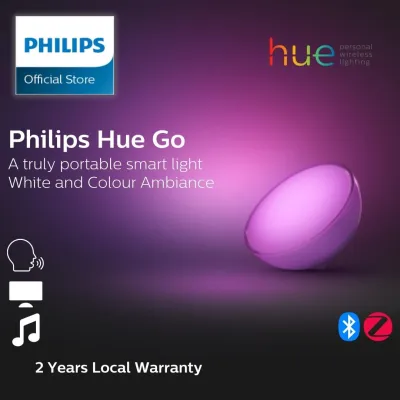
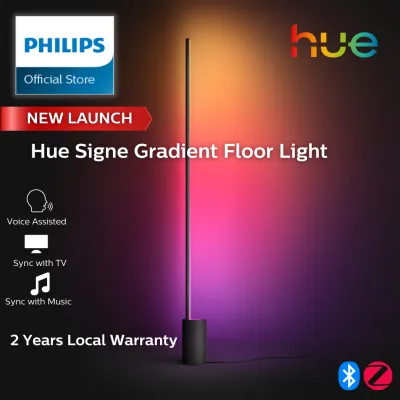
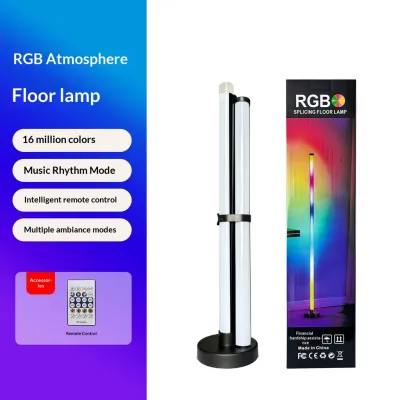
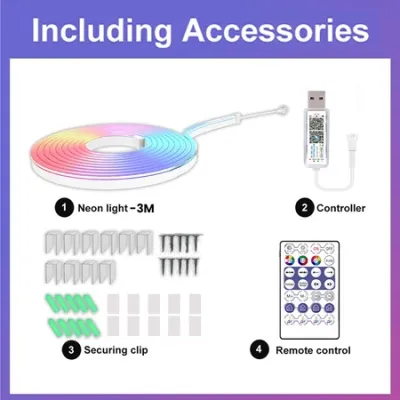

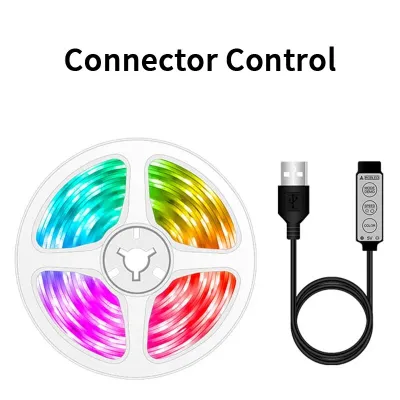
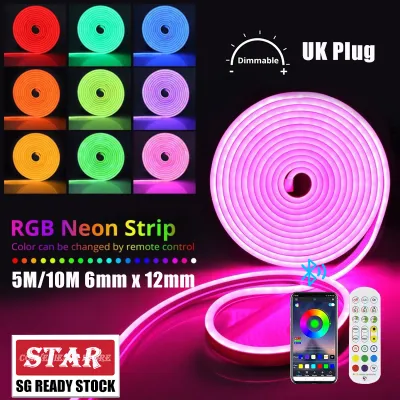
![[FREE GIFT] 5M/10M LED Neon Rope Light USB Bluetooth & Remote LED Strip Lights with Music Sync DIY RGBIC Dream color Chasing Strip Tape for Home Decor Lighting](https://img.lazcdn.com/g/p/6bc32ec7191bb2c19ee45c35cd547006.png_400x400q80.png_.webp)
Prices are valid at publication and may change. Please refer to the product page for the latest price.
To establish a relaxing ambient atmosphere, you want to avoid a single, intense source of light that casts harsh shadows. Instead, aim for a lower, evenly distributed total lumen count across the entire room. For general ambient purposes, a common approach is to target roughly 100 to 200 lumens per square metre of floor space, though this can be adjusted based on your personal comfort.
You can easily find the lumen rating printed on the product packaging, usually accompanied by an energy label. To achieve a soft glow, consider installing several low-lumen bulbs in different fixtures, such as table lamps, wall sconces, and floor lamps, rather than relying on one high-lumen ceiling light. This distribution scatters the light source, reducing glare and allowing you to control the mood of the room more effectively.
Choosing the Right Colour Temperature for a Relaxing Mood
Colour temperature is measured on the Kelvin (K) scale and determines whether the light feels warm and cozy or cool and clinical. For ambient lighting in living rooms, bedrooms, and dining areas, bulbs rated around 2700K to 3000K, often labeled as Warm White, are the standard choice. This range emits a gentle, golden hue that mimics traditional incandescent lighting and promotes relaxation.

In contrast, cool white or daylight bulbs, which range from 4000K to 6500K, produce a bright blue-white light. While these higher colour temperatures are excellent for task-oriented spaces like home offices, kitchens, or vanity mirrors where high visibility is crucial, they can feel overly stimulating and cold in an ambient setting. Using cool light in a relaxation space can disrupt your natural sleep-wake cycle and make the environment feel less welcoming.
When purchasing bulbs, always check the packaging for the exact Kelvin rating rather than relying solely on descriptive terms like “warm” or “soft,” which can vary between manufacturers. If you are lighting an open-plan living space, ensure that all the bulbs in that area share the same Kelvin rating. Mixing different colour temperatures in the same visual field can cause eye strain and create an inconsistent, unappealing aesthetic.
Why Beam Angle and CRI Matter for Ambient Quality
Beyond lumens and colour temperature, the Colour Rendering Index (CRI) plays a vital role in how comfortable a room feels. CRI is a scale from 0 to 100 that measures how accurately a light source reveals the true colours of objects compared to natural sunlight. For ambient spaces, selecting bulbs with a CRI of 80 or higher ensures that your furniture, paint colours, and fabrics look vibrant and natural rather than dull or washed out.
The beam angle of the bulb also dictates how the light diffuses throughout your room. A narrow beam angle concentrates light into a tight spotlight, which is ideal for highlighting artwork but poor for general ambient lighting. For a soft, shadow-free environment, look for bulbs with a wide beam angle, typically 120 degrees or greater, which helps scatter the light evenly across walls and ceilings.
Many manufacturers print the CRI and beam angle on the side or back of the packaging, sometimes represented by a cone diagram or a simple index number. When comparing similar LED bulbs, using these secondary specifications as a tie-breaker can help you select a bulb that offers better light diffusion and visual comfort.
Your Pre-Purchase Checklist for Ambient LED Bulbs
Before heading to a physical store or browsing an online marketplace, compiling a quick verification checklist will save you time and prevent compatibility issues. First, confirm your target lumen range and ensure the colour temperature matches your existing setup, ideally staying within the warm 2700K to 3000K range. Next, identify the correct base type required for your fixture, such as an E27 screw base or a B22 bayonet cap, to ensure a proper physical fit.
If you plan to use a dimmer switch to adjust your ambient light levels, you must verify that the LED bulb is explicitly labeled as dimmable. Standard LED bulbs can flicker, buzz, or fail prematurely if paired with incompatible dimmer switches. Additionally, check the maximum wattage limit printed on your light fixture and ensure the physical dimensions of the new LED bulb allow for adequate clearance and airflow to prevent overheating.
Finally, if you are installing bulbs in damp environments like bathrooms or semi-outdoor patios, check the IP (Ingress Protection) rating on the packaging to ensure moisture resistance. For any complex installations involving fixed wiring, work at height, or compatibility with older dimming systems, always isolate the power at the main distribution board and consult a qualified professional to ensure a safe setup.
Frequently Asked Questions (FAQ)
Can I use smart bulbs to adjust ambient lighting?
Yes, smart LED bulbs are highly effective for ambient lighting because they allow you to adjust both brightness and colour temperature dynamically. Through a smartphone application or voice commands, you can transition from a bright warm white for reading to a very dim, golden glow for watching movies. Before purchasing, check the product specifications to see if the smart bulb connects directly to your home Wi-Fi network or if it requires a dedicated smart hub or bridge to function.
Does the bulb finish affect the ambient light quality?
Yes, the physical finish of the bulb glass significantly influences how light is diffused. Frosted, opal, or coated glass bulbs scatter the light as it passes through, which softens shadows and reduces direct glare, making them ideal for ambient fixtures where the bulb is partially visible. Clear glass bulbs, on the other hand, show the bright LED filaments directly, which can cast sharp shadows and cause visual discomfort unless they are housed inside a shaded fixture that diffuses the light for you.
Community discussion
Share your experience or ask a question. Comments are reviewed before publication.