
Finding the perfect Demon Slayer (Kimetsu no Yaiba) poster involves navigating a rich variety of artistic styles, ranging from traditional Japanese woodblock aesthetics to high-octane modern battle scenes. Authentic, high-quality prints are primarily produced by core Japanese licensing giants like Aniplex, ufotable, and Shueisha, alongside authorized global distributors such as Trends International and Great Eastern Entertainment. Choosing the right poster requires balancing your personal aesthetic preferences with a clear understanding of print quality, licensing authenticity, and how the artwork will integrate into your home decor.
By exploring the distinct art styles available and identifying verified publishers, you can select a piece of wall art that not only celebrates your favorite characters but also elevates your living space. Whether you prefer the subtle elegance of minimalist portraits or the dynamic energy of elemental breathing techniques, there is a style tailored to your interior design goals.
Popular Demon Slayer Poster Art Styles Explained
Ukiyo-e and Traditional Japanese Styles
The visual identity of Demon Slayer is deeply rooted in the Taisho era (1912–1926), making traditional Japanese art styles a natural fit for the series’ merchandise. Many official promotional posters and special collaboration prints utilize the ukiyo-e (woodblock print) aesthetic. This style is characterized by bold, clean outlines, flat planes of color, and stylized natural elements such as swirling waves, stylized clouds, and cherry blossoms.
Products mentioned in this guide


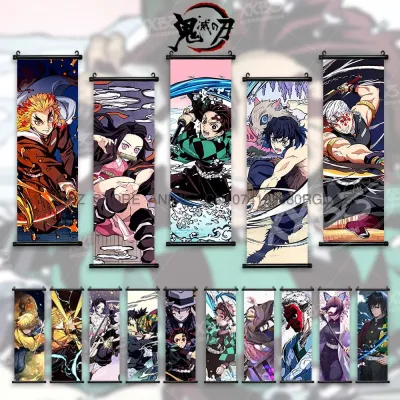
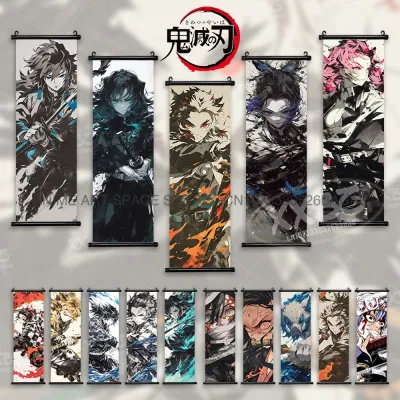
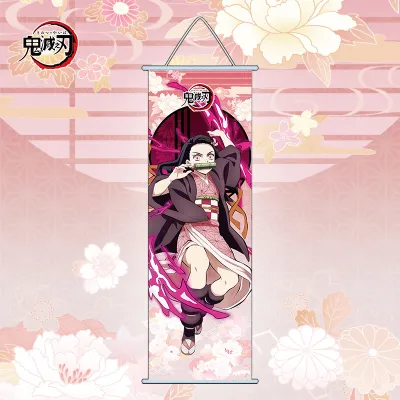
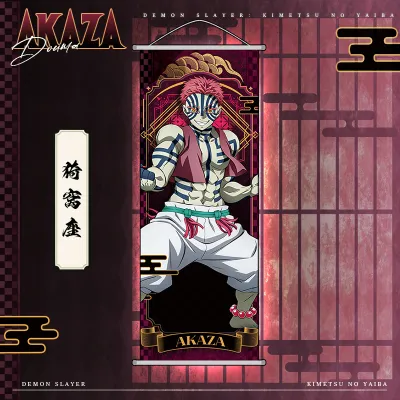
Prices are valid at publication and may change. Please refer to the product page for the latest price.
These posters often mimic the texture of traditional washi paper, giving them an antique, hand-crafted appearance. The iconic depiction of Tanjiro Kamado’s Water Breathing technique, heavily inspired by Katsushika Hokusai’s famous woodblock print The Great Wave off Kanagawa, is a prime example of this style. Ukiyo-e style posters offer a sophisticated, historic feel that appeals to fans who appreciate traditional Japanese art history alongside modern anime culture.
Dynamic Battle Scenes
For fans who want to capture the intense energy of the anime, dynamic battle scene posters are the premier choice. These compositions focus on high-action moments, featuring characters mid-strike with their signature breathing techniques fully unleashed. The artwork relies on high-contrast lighting, dramatic perspective shifts, and vivid elemental effects—such as the bright blues of Water Breathing, the fiery oranges of Flame Breathing, or the jagged yellow streaks of Thunder Breathing.
These posters are designed to draw the eye immediately, utilizing diagonal composition lines to create a sense of rapid movement and urgency. Popular scenes often depict major confrontations, such as Kyojuro Rengoku battling Akaza or Tanjiro unleashing the Hinokami Kagura against Rui. The intense color saturation and cinematic framing make these prints highly engaging focal points in any room.
Character Portraits and Minimalist Designs
If you prefer a cleaner, more understated look, character portraits and minimalist designs offer a subtle way to showcase your fandom. Minimalist posters often focus on a single character or a key symbolic element, such as Tanjiro’s hanafuda earrings, Zenitsu’s yellow triangle pattern, or the distinct butterfly motif associated with Shinobu Kocho. These designs frequently use solid, muted color palettes and negative space to create a modern, graphic-design-forward look.
Character portraits, on the other hand, focus on detailed close-ups of the main cast or the Hashira. These prints emphasize character personality and emotional depth rather than action, often showcasing the intricate patterns of their traditional haori jackets. Chibi-style posters also fall into this category, offering a playful, lighthearted aesthetic with simplified, cute versions of the characters that work well in casual spaces.
Scenic and Atmospheric Art
Scenic and atmospheric prints shift the focus from individual characters to the breathtaking environments created by animation studio ufotable. These posters emphasize mood, lighting, and environmental storytelling, featuring iconic locations from the series. The deep purples of the wisteria-covered Mount Fujikasane, the surreal, gravity-defying wooden architecture of the Infinity Castle, and the nostalgic, steam-filled platform of the Mugen Train are popular subjects.
These prints often use a wide aspect ratio and a rich color palette to establish a specific emotional tone, such as mystery, serenity, or impending danger. Atmospheric posters are ideal for fans who want their wall decor to feel like a window into another world, prioritizing beautiful landscape design over prominent character placement.
Official Publishers and Authorized Merchandisers
Core Licensing Publishers
To ensure you are purchasing authentic, high-resolution artwork that supports the original creators, it is helpful to understand the core licensing structure behind Demon Slayer. The primary rights holders are Shueisha (the publisher of the original manga by Koyoharu Gotouge), Aniplex (the anime production and distribution company), and ufotable (the animation studio). These companies directly control the production of official promotional posters, limited-edition art prints, and theatrical release merchandise.

Official prints from these core publishers are typically sold at licensed events, official pop-up shops, or through their proprietary online storefronts. These items are produced using the original digital master files, ensuring absolute color accuracy, crisp line work, and high-grade paper stock that resists fading over time.
Authorized Global and Regional Merchandisers
Outside of Japan, official licensing agreements allow regional manufacturers to produce and distribute verified Demon Slayer wall art. Companies like Trends International, Great Eastern Entertainment, and ABYstyle are prominent licensed publishers in Western and global markets. In Singapore, official merchandise can be sourced through authorized anime retailers, specialized pop-culture hobby shops (such as those located in major shopping hubs like Plaza Singapura or Orchard Road), and official brand webshops.
When shopping on online marketplaces or at local specialty stores, always verify that the seller is an authorized dealer. Authorized merchandise features clear licensing declarations on the product listings and physical packaging. Purchasing from these sources guarantees that the artwork is legally produced and printed at a professional standard, avoiding the blurry, low-contrast results common with bootleg copies.
Independent Artists and Fan Art
Independent artists frequently create unique, stylized interpretations of Demon Slayer characters and scenes, offering creative alternatives to official merchandise. These prints are commonly sold at local conventions, such as Anime Festival Asia (AFA) in Singapore, or through independent creator platforms. Supporting independent artists allows you to own highly original, hand-drawn designs that you won’t find in mass-market retail stores.
However, it is important to distinguish independent fan art from unlicensed, mass-produced bootlegs. Legitimate fan artists sell their own original drawings and paintings, whereas bootleg manufacturers simply steal official promotional images, upscale them poorly, and print them without permission. When buying fan-made prints, purchase directly from the artist’s official store or booth to ensure your money directly supports the creator.
How to Verify Authenticity and Print Quality
Identifying Official Marks
Verifying the authenticity of a Demon Slayer poster is straightforward once you know what details to examine on the print or packaging. Every piece of officially licensed merchandise must display standard copyright text, typically printed in small, clean lettering along the bottom edge of the poster. Look for the official copyright line: ©Koyoharu Gotouge/Shueisha, Aniplex, ufotable.
In addition to the text, official Japanese imports and high-end regional releases often feature a holographic licensing sticker or a specific publisher logo (such as the Aniplex or ShoPro seal) on the protective plastic sleeve or backing board. The absence of these copyright marks, or the presence of blurry, misspelled text, is a primary indicator of an unauthorized, low-quality counterfeit.
Evaluating Print Materials
The material on which a poster is printed dramatically affects its visual appeal, color depth, and longevity. Standard commercial posters are typically printed on thin, glossy paper (around 100 to 135 GSM), which offers bright colors but is highly susceptible to creasing, tearing, and glare under room lighting. For a more premium look, seek out prints on heavy matte or satin paper (170 to 300 GSM), which minimizes reflections and provides a smooth, elegant texture.
For archival-quality displays, canvas prints and giclée prints represent the highest standard. Giclée printing uses specialized pigment-based inks rather than standard dye-based inks, resulting in exceptional color accuracy and resistance to fading. Canvas prints offer a textured, painterly feel that is highly durable and can be stretched over wooden frames, eliminating the need for protective glass.
Sizing and Resolution
To avoid the disappointment of a blurry, pixelated image, pay close attention to the poster’s dimensions and image resolution before buying. Large-format prints, such as A1 (594 x 841 mm) or standard movie poster sizes (24 x 36 inches), require high-resolution source files to remain sharp. If a seller does not list the print resolution or if the preview image looks slightly soft, the final physical product is likely to be pixelated.
Additionally, consider standard framing sizes to make displaying your art as simple as possible. Standard international paper sizes like A2 (420 x 594 mm) and A3 (297 x 420 mm) are incredibly easy to find pre-made frames for in local home decor stores. Choosing posters that adhere to these standard aspect ratios (such as 2:3 or 3:4) ensures you can easily frame your new art without needing expensive custom framing or having to crop out important details of the artwork.
Matching Poster Styles to Your Interior Decor
Minimalist and Modern Spaces
Integrating anime artwork into a modern, sophisticated home decor scheme requires a thoughtful approach to color and framing. Traditional ukiyo-e style prints and minimalist character designs are highly compatible with contemporary interior styles, such as Japandi (a blend of Japanese minimalism and Scandinavian functionality). These art styles utilize restrained color palettes and clean lines that do not overwhelm a room.
To maintain a clean, uncluttered aesthetic, mount these posters in thin, simple frames made of natural wood, matte black metal, or white composite wood. Using a wide mat board (a cardboard border inside the frame) surrounds the artwork with clean white space, instantly elevating the poster from a casual print to a gallery-worthy art piece.
Entertainment and Gaming Rooms
For dedicated entertainment spaces, gaming rooms, or home theaters, vibrant battle scenes and highly saturated character group posters are excellent choices. These dynamic prints contribute to an energetic, immersive atmosphere that celebrates the excitement of the series. You can use a large-format battle scene poster as a bold focal point on a primary accent wall.
To enhance the visual impact, consider pairing your posters with accent lighting, such as low-voltage LED light strips mounted behind the frame to create a dramatic halo effect. When installing any electrical accents, ensure you use certified low-voltage (5V or 12V DC) LED systems, keep all wiring neatly organized, and position light sources so they do not cast harsh, direct glare across the poster face.
Framing and Display Tips
Proper display techniques are essential for protecting your investment, especially in tropical climates like Singapore’s, where high relative humidity (frequently exceeding 80%) and strong ambient sunlight can quickly damage paper. High humidity causes unprotected paper to absorb moisture, leading to warping, sagging, or the development of unsightly brown spots known as foxing. To prevent this, always frame your posters rather than pinning them directly to the wall.
When framing, use an acid-free backing board and a mat board to prevent the surface of the print from directly touching the glass or acrylic, which can cause the ink to stick and peel over time. Seal the back of the frame with moisture-resistant framing tape to create a barrier against humid air. Additionally, select frames equipped with UV-protective acrylic or glass; this specialized glazing filters out harmful ultraviolet rays, preventing the vibrant colors of your Demon Slayer prints from fading under bright indoor lighting or indirect sunlight.
Frequently Asked Questions (FAQ)
Are official Demon Slayer posters available in limited editions?
Yes, official publishers and production partners frequently release limited-edition prints to mark major milestones, such as theatrical movie premieres, seasonal anime releases, or special exhibition events. These exclusive prints are often individually numbered, feature high-end finishes like metallic foil stamping, and are sold only through official channels like the ufotable webshop or at event venues. To secure these rare releases, fans should monitor official social media channels and production blogs for pre-order announcements, as limited runs typically sell out quickly and are rarely reprinted.
How should I clean and maintain framed anime posters?
To clean framed posters safely, use a dry, high-quality microfiber cloth to gently wipe away dust from the frame and the protective glass or acrylic surface. Never spray liquid glass cleaners or harsh chemical solvents directly onto the frame, as liquid can seep behind the edges and permanently stain the paper print. If the acrylic cover requires a damp clean, apply a tiny amount of water or specialized acrylic cleaner to the microfiber cloth first, wipe gently, and dry immediately with a separate cloth. Always display your framed posters away from direct heat sources, air conditioning vents, and areas of extreme humidity.
What is the difference between a promotional poster and an art print?
Promotional posters are commercial marketing materials designed for temporary display in theaters or retail shops, typically mass-produced on thin, lightweight paper with a high-gloss finish that is prone to glare and creasing. In contrast, art prints are high-quality decorative items created specifically for long-term home display. Art prints are printed on significantly heavier, archival-grade matte or textured paper stocks using superior pigment-based inks, offering richer color depth, finer detail resolution, and excellent resistance to fading and environmental degradation over time.
Community discussion
Share your experience or ask a question. Comments are reviewed before publication.