
A well-chosen desktop decoration does more than fill empty space on a desk; it anchors the visual environment, provides a mental break during intense focus sessions, and reflects personal style. Whether working from a high-rise office in the Central Business District or a dedicated home study, the items placed within the immediate line of sight influence daily productivity and mood. Selecting the right sculpture or figurine requires balancing personal taste with the physical constraints of the workspace.
By aligning decorative choices with the existing layout, lighting, and workflow, a desk can be transformed from a purely functional surface into an inspiring, curated environment. The key is to select pieces that complement, rather than clutter, the daily workspace. This guide explores how to evaluate your desk aesthetic, choose the right materials, and select pieces that enhance your productivity.
Define Your Workspace Aesthetic and Decor Goals
Before purchasing any desktop decoration, it is essential to evaluate the existing design language of the workspace. A mismatch between the style of a figurine and the overall room aesthetic can create visual friction, making the desk feel disorganized rather than curated. Identifying whether the environment is minimalist, corporate, or creative provides a clear starting point for selecting compatible decor.
Products mentioned in this guide
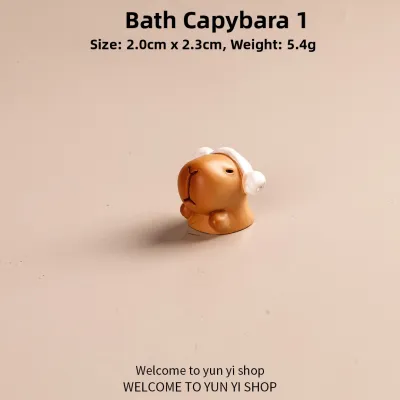
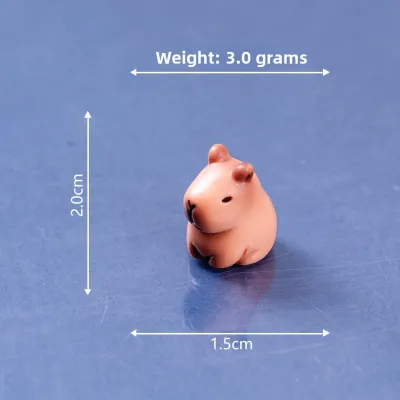





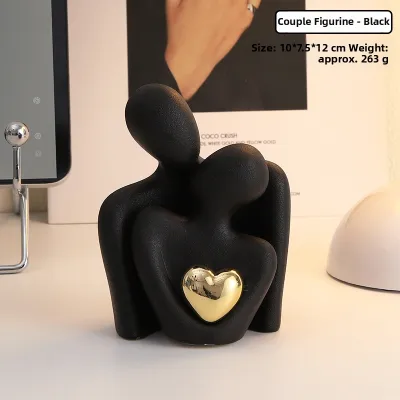
Prices are valid at publication and may change. Please refer to the product page for the latest price.
Minimalist workspaces thrive on simplicity, clean lines, and a lack of unnecessary distractions. In these setups, a single, carefully chosen sculpture with a subtle profile works best. The goal is to enhance the sense of calm and order without introducing visual noise that competes with the tasks at hand. A simple geometric shape or a flowing abstract line can provide a resting point for the eyes during long screen sessions.
Corporate and professional environments often benefit from decor that conveys stability, focus, and quiet authority. Classic materials, structured geometric shapes, and muted tones fit seamlessly into these settings. The chosen pieces should look intentional and polished, projecting professionalism during in-person meetings or video calls. They should complement professional tools like leather desk pads and high-end writing instruments.
Creative and eclectic workspaces offer the freedom to experiment with bold shapes, vibrant colors, and unconventional materials. In these offices, desktop sculptures can serve as direct sources of inspiration or playful conversation starters. The primary goal here is to stimulate the imagination and inject energy into the daily routine, allowing personal interests and artistic tastes to shine through.
Beyond style, the physical characteristics of the desk must be assessed. Consider the dominant color palette of the desk surface, the surrounding walls, and the quality of light in the room. A dark wood desk may require lighter, reflective materials to stand out, while a white minimalist desk can beautifully frame a dark, matte sculptural piece. Understanding how natural light shifts across your desk throughout the day will also help you choose materials that do not create uncomfortable glare.
Core Selection Criteria for Desktop Sculptures
Selecting a desktop decoration involves more than finding an appealing design; the physical properties of the piece must suit a working environment. A sculpture that is too large can crowd essential equipment, while one that is too light might easily tip over when cables are moved or the desk is bumped.

Scale and proportion are the most critical factors to consider relative to the monitor, keyboard, and overall desk depth. A massive sculpture next to a compact laptop can look overwhelming, while a tiny figurine beside a dual-monitor setup may get lost in the background. Ideally, the decoration should occupy a distinct zone on the desk that does not interfere with natural hand movements or screen visibility.
Material selection directly impacts the visual weight, durability, and maintenance requirements of the piece. Different materials convey distinct textures and moods, as outlined in the comparison below:
| Material | Visual Weight | Maintenance Needs | Best Style Compatibility |
|---|---|---|---|
| Metal (Brass, Steel) | Heavy and reflective | Occasional polishing to prevent tarnish | Industrial, Professional, Modern |
| Ceramic & Porcelain | Medium and organic | Regular dusting; fragile if dropped | Minimalist, Scandinavian, Japandi |
| Clear Acrylic | Light and modern | Wipe with microfiber; prone to scratches | Ultra-modern, High-tech, Minimalist |
| Polished Stone | Heavy and solid | Minimal; wipe with a damp cloth | Corporate, Classic, Brutalist |
| Cast Resin | Light to medium | Easy dusting; avoid prolonged direct sun | Creative, Eclectic, Pop Culture |
Base stability and footprint are vital safety considerations, especially on height-adjustable desks or in busy household environments. A sculpture with a wide, weighted base is less likely to tip over when the desk transitions between sitting and standing positions. For added security, look for pieces with non-slip felt or rubber pads on the bottom to protect the desk surface from scratches. If a preferred figurine lacks a protective base, adding small adhesive silicone pads is a simple and effective DIY solution.
Curating Minimalist and Professional Desk Setups
For clean, structured workspaces, the guiding principle for desktop decoration is restraint. The objective is to select pieces that feel integrated into the architecture of the desk rather than placed on top of it as an afterthought. This is achieved by focusing on geometric forms, monochromatic color schemes, and refined finishes.
Geometric sculptures, such as spheres, pyramids, or abstract continuous loops, work exceptionally well in professional settings. These shapes offer clean lines that align naturally with the rectangular forms of monitors, keyboards, and desk pads. Matte black, brushed brass, or satin silver finishes add a touch of sophistication without reflecting distracting glare from overhead office lights.
Materials like solid metal, clear acrylic, and polished marble or granite are highly recommended for corporate desks. A heavy brass paperweight sculpture or a carved marble geometric block conveys permanence and quality. Clear acrylic pieces can capture and refract natural light beautifully, adding visual interest without adding physical or visual bulk to the desk.
To maintain a professional atmosphere, it is crucial to utilize negative space effectively. Limit the desktop to one or two high-quality decorative items, leaving ample open space around them. This deliberate placement ensures that each piece has room to breathe, highlighting its design while keeping the workspace organized and free of clutter. A single, well-placed sculpture on a desk pad corner often looks far more impactful than a collection of smaller trinkets scattered across the surface.
Curating Creative and Dynamic Desk Setups
Creative studios, home offices, and artistic workspaces allow for a more expressive approach to desktop decoration. Here, sculptures and figurines can be dynamic, colorful, and deeply personal, serving as visual anchors that spark curiosity and break up the monotony of long working hours.
Abstract shapes, organic curves, and mixed-media figurines are excellent choices for creative setups. These pieces do not conform to rigid geometric rules, offering a softer, more fluid aesthetic that can help reduce stress. Vibrant colors, hand-painted details, or combinations of wood and metal can add warmth and personality to the desk, making the workspace feel more inviting.
When decorating a creative workspace, a bold sculptural piece can be used as a central focal point. Placing a larger, eye-catching figurine on a side shelf or at the corner of the desk can draw the eye and set the tone for the entire room. These pieces can act as mental reset points, giving the eyes a pleasant place to rest when taking a break from looking at screens.
While creative setups encourage self-expression, it is important to balance decorative items with functional desk organizers. To prevent the workspace from becoming chaotic, pair expressive figurines with structured trays, pen cups, or document holders. This combination ensures that the desk remains highly usable for daily tasks while still showcasing your unique personal style. For instance, a whimsical character figurine can sit alongside a sleek, minimalist pen tray to create a balanced, functional vignette.
Pre-Purchase Checks for Desk Compatibility and Care
Before finalizing the purchase of a new desktop sculpture, performing a few practical checks can prevent common placement issues and ensure the longevity of the piece. Taking the time to measure and assess the environment helps guarantee that the decoration integrates smoothly into your daily workflow.
First, verify the exact dimensions of the sculpture against the available space on your desk. Use a measuring tape to map out the footprint of the piece, keeping in mind the clearance needed for monitor stands, mouse movement, and cable routing. Ensure that the height of the sculpture does not block the lower edge of your computer screen or obstruct your line of sight to secondary displays.
Next, review the manufacturer care instructions to ensure the material is suitable for your specific office conditions. If your desk is positioned near a window with strong afternoon sun, avoid materials like low-grade plastics or certain painted resins that may fade or warp over time. Similarly, delicate unglazed ceramics may absorb ink or oils from your hands and require specialized cleaning.
Finally, evaluate the weight of the sculpture in relation to your desk material. Heavy stone or solid metal pieces are excellent for stability, but they can put stress on tempered glass desktops or lightweight hollow-core wooden desks. If you use a glass desk, ensure the sculpture has a soft protective base, or consider lighter materials like acrylic or wood to prevent accidental cracking or scratching.
Frequently Asked Questions (FAQ)
How do I clean delicate resin or ceramic figurines?
To clean delicate resin or ceramic desktop decorations, use a soft, dry microfiber cloth or a clean, soft-bristled makeup brush to gently remove dust from crevices. Avoid using harsh chemical cleaners, abrasive pads, or excessive moisture, as these can strip paint, damage protective glazes, or degrade the material over time. If a deeper clean is necessary, check the manufacturer instructions to see if a lightly damp cloth with mild soap is safe for the specific finish.
Can desktop sculptures interfere with wireless charging or monitors?
Yes, certain desktop decorations can interfere with electronics if placed too close. Sculptures made of solid metal or those containing strong magnets should be kept away from wireless charging pads, external hard drives, and computer towers to prevent interference or data disruption. Additionally, ensure that taller or wider sculptures do not block the ventilation grates of your monitor or restrict the movement of adjustable monitor arms.
What is the ideal height for a desk sculpture?
For standard desk setups, the ideal height for a desktop sculpture is generally under 15 cm, or low enough to sit comfortably below the bottom bezel of your computer monitor. Keeping the height within this range ensures the piece does not obstruct your view or clutter your primary workspace. Larger statement pieces that exceed this height are often better suited for adjacent bookshelves, filing cabinets, or side tables where they can be appreciated without impacting your direct workflow.
Community discussion
Share your experience or ask a question. Comments are reviewed before publication.