
To transform a completed diamond painting from a casual craft project into a sophisticated piece of wall art, you must align its visual characteristics with your home’s interior design. The key lies in selecting a design, color palette, and drill type that complement, rather than compete with, the existing decor of your living space. When chosen thoughtfully, the unique three-dimensional texture and light-catching properties of these pieces can serve as a stunning focal point, adding depth and personality to any room.
Integrating these textured artworks into a home requires an understanding of how light, color, and scale interact with your walls. A piece that looks brilliant under a crafting lamp might feel overwhelming in a softly lit bedroom or out of place in a sleek, minimalist dining room. By evaluating the physical elements of the canvas and matching them to specific design movements, you can curate a gallery-worthy display that enhances your home’s overall atmosphere.
Evaluating Diamond Painting Elements for Wall Display
Before selecting a design, it is essential to understand how the physical components of a diamond painting kit influence its final appearance on your wall. The choice between round and square drills is the most fundamental decision affecting the finished texture. Round drills are easier to place and leave tiny gaps of canvas visible between each facet, creating a softer, more glittering effect that catches light from multiple angles. This makes them highly suitable for casual, whimsical, or abstract designs where a high-sparkle finish is desired.
Products mentioned in this guide

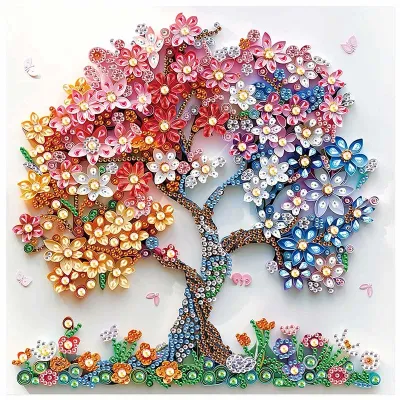



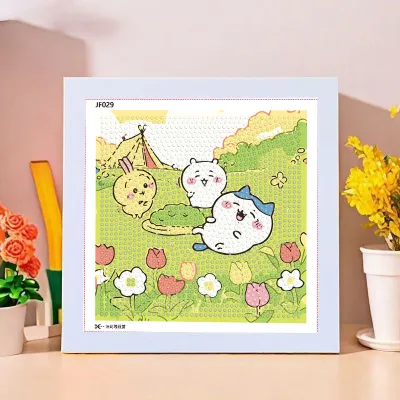

Prices are valid at publication and may change. Please refer to the product page for the latest price.
In contrast, square drills fit snugly against one another with no visible gaps, creating a solid, mosaic-like surface. This complete coverage results in a sharper, more cohesive image with clean lines, making square drills the ideal choice for detailed designs, realistic portraits, and classical art reproductions. The light reflection from square drills is more uniform and subtle, mimicking the textured brushstrokes of a traditional oil painting rather than a high-glitter mosaic.
Specialty drills, such as Aurora Borealis (AB) drills, feature an iridescent coating that mimics the northern lights, casting a rainbow-like shimmer when viewed from different angles. While these can add a magical touch to specific focal points, they should be used sparingly in wall art to prevent the piece from looking overly busy. Other variations, like glow-in-the-dark or metallic drills, can alter the room’s ambiance dramatically at night, making them fun additions for children’s rooms or creative studio spaces, though they are rarely suited for formal living areas.
The longevity of your wall display also depends heavily on the quality of the canvas and adhesive. A heavy, lint-free canvas with a poured-glue adhesive layer is crucial for preventing drill loss over time, especially in humid climates like Singapore where moisture can degrade lower-quality double-sided tape adhesives. High-definition printing on the canvas ensures that the symbols are easy to read during assembly and that the background colors blend seamlessly with the placed drills, preventing any distracting white spaces or misaligned patterns from ruining the final display.
Matching Diamond Painting Styles to Interior Aesthetics
The reflective nature of diamond paintings means they interact dynamically with the lighting in your home. Natural sunlight streaming through a window will make the drills sparkle intensely, while warm, recessed ceiling lights will create a more subdued, elegant glow. Understanding this relationship allows you to match specific art styles and color schemes to the unique aesthetic of each room, ensuring the finished piece feels like an intentional design choice rather than an afterthought.

Modern Minimalist and Contemporary Spaces
Modern minimalist and contemporary interiors prioritize clean lines, open spaces, and a restrained color palette. To complement this aesthetic, look for diamond paintings featuring abstract geometric patterns, monochromatic color schemes, botanical line art, or architectural silhouettes. These designs maintain the calm, uncluttered feel of the room while introducing a subtle, tactile texture that prevents the space from feeling cold or sterile.
When selecting drills for a minimalist space, standard round or square drills in matte or satin finishes are preferable to highly reflective or iridescent options. Excessive glare can disrupt the clean visual flow of a contemporary room, so a more subdued shimmer is ideal. A single, large-scale canvas or a balanced diptych works best in these environments, serving as a singular focal point that anchors the room without creating visual clutter.
Framing is equally important in contemporary settings. Opt for ultra-slim, matte black, white, or natural wood frames with clean edges. Avoiding ornate details or wide mats keeps the focus entirely on the artwork’s clean lines and subtle texture, allowing it to integrate seamlessly with minimalist furniture and neutral wall colors.
Bohemian and Eclectic Interiors
Bohemian and eclectic spaces thrive on rich textures, layered patterns, and a sense of global adventure. This aesthetic is highly forgiving and welcomes the vibrant, playful nature of diamond painting. Ideal themes include intricate mandalas, celestial maps, lush botanical scenes, and rich, jewel-toned landscapes featuring deep emeralds, warm terracotta, and vibrant sapphires.
This is the perfect environment to experiment with AB drills and other specialty facets. The dynamic, shifting light catches of iridescent drills complement the whimsical, free-spirited vibe of a boho room, especially when placed near natural light sources or surrounded by hanging indoor plants. The sparkle adds an extra layer of sensory richness to an already textured space.
Instead of a single massive piece, consider creating a curated gallery wall using multiple small to medium-sized diamond paintings. Mix these textured canvases with woven wall hangings, framed photographs, and botanical prints. This layered approach creates a collected, lived-in look that defines the eclectic style, making the diamond paintings feel like treasures gathered over time.
Traditional and Classic Decor
Traditional and classic interiors are characterized by symmetry, refined elegance, and a rich sense of history. To match this formal aesthetic, select diamond paintings that reproduce classical fine art, detailed floral still lifes, or sweeping historical landscapes. The color palette should lean toward deep, muted, and earthy tones, such as burgundy, navy, forest green, and warm gold, which harmonize with dark wood furniture and classic upholstery.
For traditional spaces, high-density square drills are almost always the superior choice. The seamless, gapless fit of square drills allows for the precise color gradients and fine details necessary to mimic the brushstrokes of classic oil paintings. From a distance, a well-executed square-drill piece can easily pass for a traditional mosaic or a richly textured tapestry, maintaining the formal dignity of the room.
To elevate the finished piece to fine art status, invest in a high-quality frame. Ornate, gilded wood frames or deep mahogany frames with wide, acid-free mat boards add a sense of importance and history to the artwork. The mat board is particularly useful here, as it provides a visual buffer between the sparkling texture of the drills and the detailed frame, ensuring the final presentation looks polished and professional.
Selection Criteria for Display-Ready Diamond Painting Kits
To ensure your finished project is durable enough for permanent wall display, you must evaluate the quality of the kit before you begin crafting. Start by assessing the canvas material. Look for kits that use heavy-duty, waterproof canvas with finished, serged edges that resist fraying. The printing must be exceptionally sharp; blurry symbols lead to placement errors, which become highly visible once the piece is framed and hung under direct lighting.
The adhesive method is another critical factor for long-term display. Poured glue is widely considered the gold standard for diamond painting canvases. Unlike double-sided adhesive tape, which can dry out, bubble, or lose its stickiness over time, poured glue remains highly adhesive for years and allows you to slide drills easily into place during assembly. This ensures a tighter, more uniform fit that prevents drills from popping off when the canvas is hung vertically.
A high-quality kit should also include premium resin drills rather than cheap acrylic ones. Resin drills are more uniform in size and shape, have fewer manufacturing defects, and feature sharper facets that reflect light more cleanly. They are also less prone to fading or yellowing when exposed to ambient light. Ensure the kit provides a generous surplus of drills—typically 20% to 30% extra—to account for any damaged pieces and to guarantee you can complete the canvas without running out of key colors.
Finally, verify the manufacturer’s customer service policies regarding missing or defective parts. Reputable brands often offer a “missing drill guarantee,” promising to ship replacement drills free of charge if you run short. This peace of mind is invaluable when working on large, complex canvases destined for your living room wall, as a single missing color block can stall your project indefinitely or leave an unsightly gap in your finished display.
Framing, Sealing, and Hanging Your Finished Artwork
Once the final drill is placed, proper finishing techniques are essential to protect your hard work and prepare it for safe wall mounting. Sealing the canvas is a highly recommended first step for any piece intended for long-term display. A high-quality, non-yellowing acrylic sealer—available in both brush-on and spray formulas—locks the drills firmly onto the canvas, fills the microscopic gaps between them, and prevents dust from settling into the adhesive. Opt for a gloss finish to preserve the natural sparkle of the drills, or a satin finish if you want to reduce glare in a brightly lit room.
When it comes to framing, you have several distinct options depending on your budget and aesthetic goals. Standard frames are the most accessible choice; however, framing a diamond painting behind standard glass can flatten its unique three-dimensional texture and create double reflections that obscure the design. If you prefer to use glass for dust protection, select museum-grade, non-reflective glass. Alternatively, you can frame the piece without glass entirely, provided you have sealed the canvas thoroughly to protect it from environmental dust and moisture.
For a modern, clean look, professional canvas stretching is an excellent alternative. This process involves wrapping the finished canvas around a wooden stretcher bar frame, similar to a traditional gallery canvas. This method highlights the texture of the drills right up to the very edge of the piece and works beautifully in contemporary or minimalist spaces. Floating frames, which hold the stretched canvas within a thin outer border, can also add a sophisticated, high-end gallery feel.
Hanging a fully drilled diamond painting requires careful attention to weight and safety. Because thousands of resin drills add significant weight to a canvas, a finished piece can be surprisingly heavy, especially when paired with a solid wood frame. Always weigh your framed artwork before choosing hanging hardware. Use sturdy wall anchors, heavy-duty picture wire, or screw-in D-rings rather than simple adhesive strips, which can fail under the constant downward pull of a heavy frame. For exceptionally large pieces, ensure the mounting hardware is anchored directly into a wall stud to prevent damage to your walls and your artwork.
Frequently Asked Questions (FAQ)
Can diamond paintings be framed without glass?
Yes, framing a diamond painting without glass is highly popular because it preserves the unique three-dimensional texture and maximizes the light-reflecting properties of the drills. When you omit the glass, the facets can catch the light naturally from all angles, creating a much more vibrant and dynamic display. However, displaying a piece without glass means it will be exposed to dust, pet hair, and household humidity.
To protect a glassless display, you must apply a high-quality, clear acrylic sealant over the completed canvas before framing. This sealer locks the drills in place and creates a smooth, protective barrier that can be easily cleaned. For maintenance, use a soft, dry microfiber cloth or a feather duster to gently remove surface dust once a week, avoiding any harsh chemical cleaners or wet cloths that could compromise the sealant.
How do I fix a diamond painting with misaligned drills?
Misaligned drills can disrupt the clean lines of your finished artwork, but they are easy to correct before you apply a final sealant or frame the piece. If you notice a crooked drill while working, use a pair of fine-tipped metal tweezers or a specialized alignment tool to gently nudge the drill back into its correct position. If the drill is severely misplaced, slide the tweezers under the edge of the facet, lift it straight up off the canvas, and press it back down in the correct spot.
If the canvas adhesive has dried out or become less sticky during the correction process, you can apply a tiny drop of clear, slow-drying craft glue or specialized diamond painting adhesive to the spot before replacing the drill. Once the corrections are made, place a heavy book or a clean rolling pin over the area for a few hours to ensure the repositioned drills are pressed firmly into the adhesive layer and sit completely flat with the surrounding pieces.

Community discussion
Share your experience or ask a question. Comments are reviewed before publication.