
Choosing between a diffuser stone and a traditional reed diffuser comes down to how you prefer to experience fragrance and the specific layout of your living space. While reed diffusers generally provide a more continuous, room-filling scent that can last for weeks at a time, diffuser stones offer a highly localized, customizable, and spill-safe alternative that excels in smaller zones. Understanding how each medium interacts with fragrance oils, airflow, and room humidity will help you select the ideal option for your home decor and lifestyle.
Both methods operate without electricity or heat, making them popular choices for passive home fragrancing. However, their physical designs create very different sensory experiences. A reed diffuser is designed to be a constant, background presence in a room, while a diffuser stone acts as a personal scent companion that you can refresh on demand. By evaluating your daily routine, safety priorities, and the size of the room you wish to scent, you can make an informed decision that enhances your home environment.
How Diffuser Stones and Reed Diffusers Release Fragrance
To understand why these two methods perform differently, it is helpful to look at the physical mechanisms they use to disperse scent. Reed diffusers rely on capillary action, a process where liquid is drawn upward through a porous material against gravity. The diffuser sticks, typically made of natural rattan or engineered synthetic fibers, contain tiny open channels that act like microscopic straws. As the bottom of the reed sits in the fragrance oil, the liquid climbs up the channels until it reaches the exposed portion of the stick. Once the oil reaches the top, it evaporates into the surrounding air, creating a continuous cycle of scent release as long as there is liquid left in the vessel.
Products mentioned in this guide

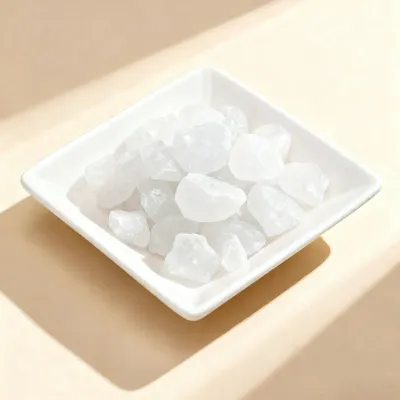
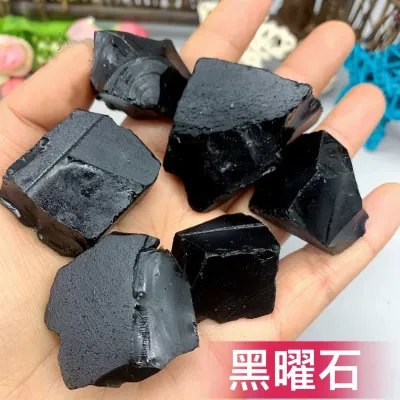
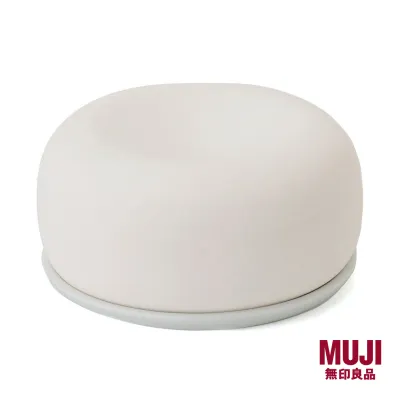
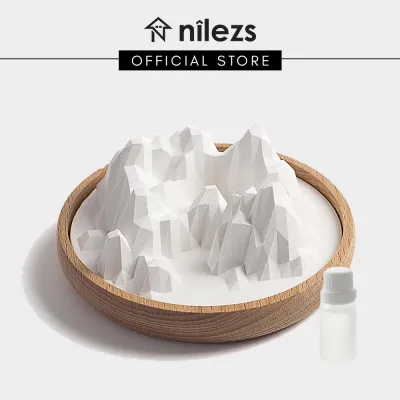
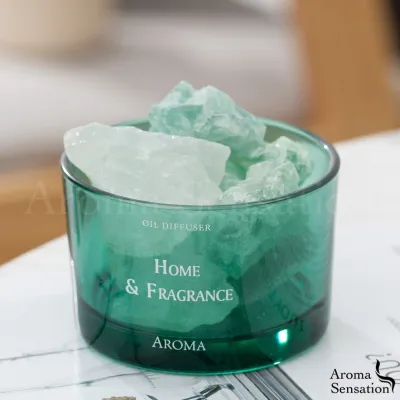
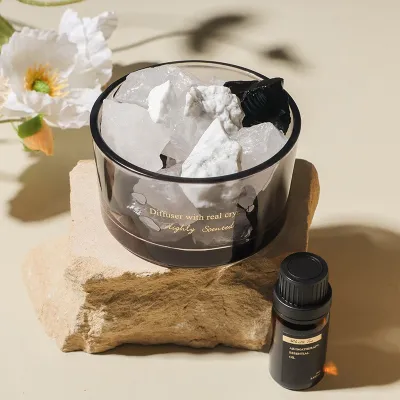
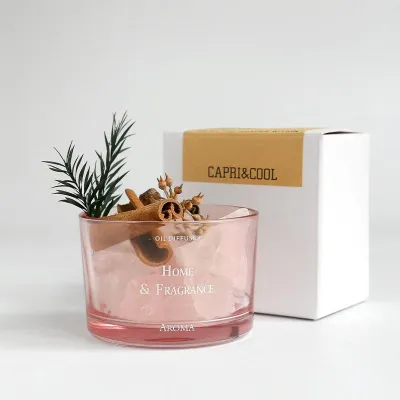
Prices are valid at publication and may change. Please refer to the product page for the latest price.
In contrast, diffuser stones utilize absorption and slow surface evaporation. These stones are crafted from highly porous, unglazed materials such as ceramic, gypsum, clay, or volcanic rock. Instead of drawing oil from a reservoir, you apply a few drops of essential or fragrance oil directly onto the dry surface of the stone. The material quickly drinks in the liquid, storing it within its microscopic pores. The fragrance then slowly evaporates from the stone’s surface over time. Because there is no continuous supply of liquid from a reservoir, the scent release starts with a noticeable burst and gradually tapers off as the absorbed oil evaporates completely.
The physical structure of each medium dictates this difference in delivery. The reed diffuser maintains a constant wet surface area because the capillary action is continuous, ensuring a steady, unchanging level of evaporation. The diffuser stone, however, relies entirely on the initial volume of oil applied to its surface. This means the stone’s scent throw is inherently dynamic, peaking shortly after application and requiring manual replenishment to maintain the fragrance level.
Scent Longevity and Throw: What to Expect
When comparing scent longevity and throw, the two methods serve very different purposes. Reed diffusers are engineered for a stronger, more continuous room-filling throw. Because multiple reeds are exposed to the air simultaneously, they present a large surface area for evaporation. This makes reed diffusers highly effective at scenting medium-to-large spaces, such as living rooms, hallways, or open-plan dining areas. However, this continuous performance comes at the cost of steady oil consumption. The rate at which the oil evaporates is directly tied to the number of reeds used and how often you flip them; more reeds and frequent flipping will exhaust the oil reservoir much faster.
Diffuser stones, on the other hand, provide a much subtler, localized scent throw. The fragrance is typically confined to a small scent bubble immediately surrounding the stone, making it less effective for large, open spaces but highly efficient for personal areas. Because you control exactly how many drops of oil you apply, you can manage your oil consumption very precisely. A few drops can provide a delicate fragrance for a desk, bedside table, or closet without overwhelming the senses or wasting oil on unoccupied areas of the home.
Environmental variables also play a significant role in how long the fragrance lasts for both setups. Ambient room temperature, humidity levels, and direct airflow can all accelerate or decelerate the evaporation process. In tropical climates with high ambient humidity, such as Singapore, the moisture in the air can interact with how synthetic or natural reeds draw up oils. Furthermore, the frequent switching between humid outdoor air and dry, air-conditioned indoor environments in modern apartments can alter the evaporation rate significantly. Placing either diffuser near an air conditioning unit, a ceiling fan, or an open window will increase airflow, which draws the scent further into the room but also causes the oil to evaporate much more quickly.
Maintenance, Refills, and Ongoing Upkeep
Evaluating the daily and long-term effort required for each method is essential for finding a solution that fits your lifestyle. Reed diffusers are largely hands-off, but they do require periodic maintenance to keep them functioning optimally. To maintain a fresh scent throw, you will need to flip the reeds occasionally, which carries a small risk of dripping oil onto your fingers or nearby surfaces. Over time, the microscopic channels in the reeds can become clogged with airborne dust or saturated with heavier fragrance molecules, which stops the capillary action. When this occurs, simply adding more oil will not help; you must replace the old reeds with fresh ones to restore the scent flow.
Diffuser stone care involves a different set of tasks. Because there is no liquid reservoir, you must actively refresh the stone with new oil drops every few days, or whenever you want to enjoy the fragrance. Over time, the stone can accumulate a buildup of residue from the carrier oils or essential oils, especially if you frequently switch between different scents. To maintain the stone’s absorption capacity, you will need to clean it periodically. This typically involves gently wiping the surface with a damp cloth or washing it according to the manufacturer’s instructions to remove any oily residue that might block the pores.
Comparing the two, reed diffusers offer a convenient setup but require careful handling during installation and reed flipping to avoid spills. Diffuser stones require more frequent, active interaction to keep them scented, but they eliminate the risk of major liquid spills and do not require you to purchase replacement parts like reeds on a regular basis.
Aesthetic, Safety, and Placement Considerations
Beyond performance and maintenance, the visual footprint and safety profiles of these diffusers should influence your choice. Reed diffusers present a classic, traditional silhouette with their glass or ceramic vessels and vertical sticks. They often serve as a prominent decor element on console tables, mantels, or shelves. However, because they contain an open pool of liquid fragrance oil, they present a distinct spill risk. If knocked over by a pet, a child, or an accidental bump, the oil can spill onto surfaces, potentially damaging wood finishes, staining fabrics, or creating a slipping hazard.
Diffuser stones offer a highly versatile, minimalist aesthetic. Because they can be molded into various shapes, sizes, and textures—ranging from sleek geometric blocks to delicate floral designs—they can blend seamlessly into modern, Scandinavian, or minimalist interiors. From a safety perspective, diffuser stones are exceptionally secure. Once the oil drops are applied, the liquid is completely absorbed into the stone within minutes, leaving no standing liquid to spill. This makes them an excellent choice for high-traffic areas, low shelves, or households with active pets and young children.
When planning your placement zones, match the diffuser type to the spatial dynamics of the room. Reed diffusers are ideal for open areas where natural foot traffic and air currents can help disperse the continuous scent plume. Diffuser stones are best reserved for small, enclosed spaces or personal zones. For those living in compact high-rise apartments or condominiums, space on console tables is often at a premium. Placing a diffuser stone on your office desk, inside a wardrobe, or in a small powder room allows you to enjoy a gentle, non-intrusive fragrance exactly where you need it most, without overwhelming the entire room.
Decision Framework: Which One Should You Choose?
To finalize your decision, consider how each option aligns with your specific spatial needs and daily habits. Choose a reed diffuser if you prefer a continuous, hands-off fragrance experience that can fill a medium-to-large room, and you appreciate the classic look of decorative vessels and reeds. This option is perfect for living rooms, entryways, and dining spaces where a steady background scent creates an inviting atmosphere.
Choose a diffuser stone if you want a subtle, localized fragrance that you can easily customize or change from day to day. The stone is ideal if you have limited surface space, want to avoid the risk of liquid spills, or need a safe scenting option for a child’s room, a pet-friendly household, or a busy workspace. It is also a highly economical choice if you prefer to use precious essential oils sparingly, as you only apply what you need for immediate use.
Before making your purchase, always verify the compatibility of your chosen fragrance or essential oils with the diffuser medium. Highly viscous or thick oils, such as vetiver or sandalwood, may struggle to travel up traditional reeds and can leave a heavy, hard-to-clean residue on diffuser stones. Always check the manufacturer’s instructions for both the diffuser and the oil to ensure safe usage, proper dilution guidelines, and to avoid placing any diffuser near direct heat sources or sensitive electrical equipment.
Frequently Asked Questions (FAQ)
Can I use the same fragrance oil for both a diffuser stone and a reed diffuser?
Yes, many standard fragrance and essential oils can be used for both mediums, but viscosity plays a critical role in performance. Reed diffusers require relatively thin, free-flowing oils mixed with a suitable carrier base to travel effectively up the reeds without clogging the channels. Diffuser stones are more forgiving of thicker oils, but highly viscous oils may still leave a heavy residue on the surface that reduces future absorption. Always check the oil manufacturer’s recommended usage and dilution guidelines to ensure compatibility with your specific diffuser type.
How do I know when my diffuser stone needs to be replaced?
A diffuser stone does not have a strict expiration date, but physical signs will indicate when it is reaching the end of its useful life or needs deep cleaning. Look for permanent discoloration that does not fade after drying, a lingering mixture of old scents that distorts new oils, or a crusty surface residue that prevents new drops from absorbing quickly. If the stone no longer drinks in the oil within a few minutes, it may be fully saturated or clogged. In such cases, consult the product label or manufacturer’s care instructions to see if the stone can be washed, or if it is time to replace it.
Community discussion
Share your experience or ask a question. Comments are reviewed before publication.