
Choosing the right alarm clock for your child is more than just selecting a device to wake them up in the morning; it is an important step toward building independence, time-management skills, and a healthy sleep routine. The choice between a digital and an analog display depends primarily on your child’s developmental stage, their current reading level, and your specific learning goals for them. While some families prioritize quick, stress-free morning routines, others look for opportunities to reinforce cognitive development and school readiness.
Digital alarm clocks offer instant numerical readability, making them highly practical for quick checks during busy school mornings. On the other hand, analog dials provide a physical, spatial representation of time that helps children visualize the passage of hours and minutes as physical segments. To make an informed decision for your child’s bedroom, you will need to evaluate several key factors, including their familiarity with numbers, their sensitivity to light and sound in their sleeping environment, and how the clock’s power requirements fit into their room layout.
Digital Alarm Clocks: When to Choose a Screen Display
Digital alarm clocks can serve as practical tools for children who need clear, immediate, and unambiguous time recognition. For younger children who are still learning to identify numbers but have not yet mastered the relationship between the hands on a clock face, a digital screen provides instant clarity. This immediate readability reduces morning frustration, allowing children to take ownership of their wake-up routines without needing constant parental confirmation.
Products mentioned in this guide

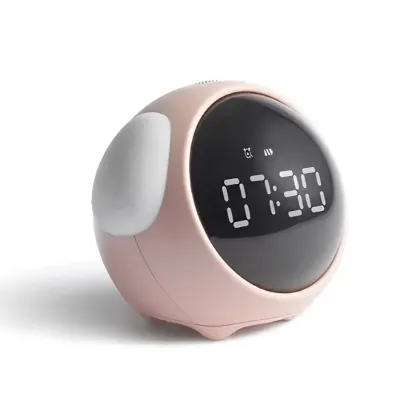

![[MQLITTLESHOP] Smart Digital Electronic Snooze Alarm Table Desk Clock Home Decor LED Small for Kids Living Room Bedroom with light loud](https://img.lazcdn.com/g/p/7815b8f88795162fe07300ad7b776d7b.jpg_400x400q80.jpg_.webp)
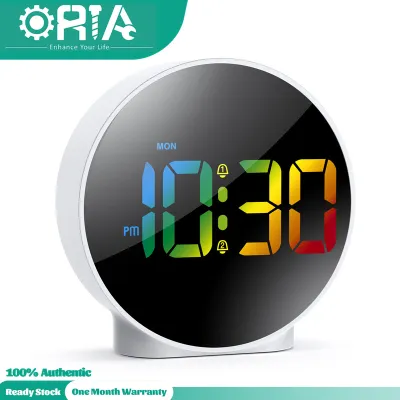
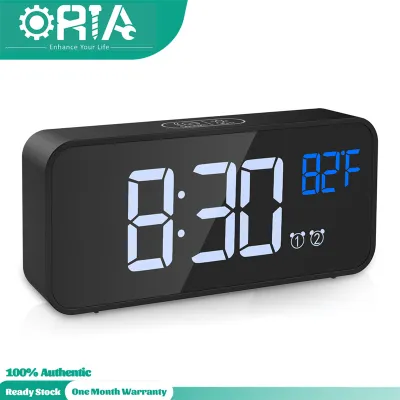
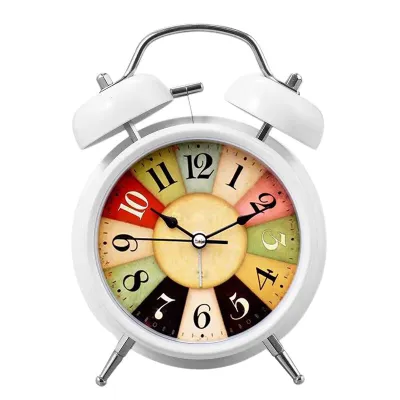
![🇸🇬[Ready Stock] Loud Alarm Clock for Heavy Sleepers Digital Clock With Light Bell Double Alarms for Work Home Dormitory Kid Battery Clock](https://img.lazcdn.com/g/p/42aad1977d9f295cbec6cbc70ab7c406.jpg_400x400q80.jpg_.webp)
Prices are valid at publication and may change. Please refer to the product page for the latest price.
When shopping for a digital model, it is essential to look closely at the manufacturer’s specifications to ensure the device supports a healthy sleep environment. Look for screens with adjustable brightness levels or auto-dimming features, as a display that is too bright can disrupt a child’s sleep cycle. Additionally, check for adjustable alarm volume limits to prevent startling a sleeping child, and verify that the button layout is intuitive enough for small hands to operate independently, especially when silencing the alarm or activating the snooze function.
These clocks are often well-suited for households with structured morning schedules where every minute counts. Many digital models include built-in visual countdown timers, which can help children pace themselves while brushing their teeth, getting dressed, or packing their schoolbags. For children who benefit from explicit numerical cues to understand transitions, the precise readout of a digital clock provides a concrete boundary that helps them manage their daily routines with confidence.
Analog Alarm Clocks: When to Choose a Traditional Dial
An analog alarm clock can serve as a practical hands-on educational tool, transforming a simple bedroom accessory into an active learning aid. Unlike digital screens that only show the current moment, the circular layout of an analog dial allows children to visualize the entire hour at a glance. This spatial representation makes it much easier for young minds to grasp abstract concepts like “quarter past,” “half past,” or how many minutes remain before they must leave the house.

Introducing an analog clock typically aligns with early primary school math curriculums, making it a highly relevant addition for children around the age of six to eight. At this developmental milestone, children are learning to count by fives and are beginning to understand fractions. Having a physical clock face in their personal space reinforces these classroom lessons daily, turning time-telling into a natural, integrated part of their home environment.
Before purchasing an analog clock, parents should verify several physical design specifications to ensure usability and comfort. Look for clock faces with large, clear number markings and highly distinct hour and minute hands, preferably color-coded to help beginners differentiate between them. Most importantly, check the product description for a non-ticking, silent sweep quartz movement; traditional ticking mechanisms can be highly distracting to light sleepers and may interfere with their ability to fall asleep peacefully.
Side-by-Side Comparison of Key Features
To help you evaluate how these two display styles perform in a real bedroom setting, it is helpful to compare their practical specifications side by side. The following matrix outlines how digital and analog clocks differ across key usability and environmental categories.
| Feature | Digital Alarm Clocks | Analog Alarm Clocks |
|---|---|---|
| Readability | Instant, exact numerical readout; easy to read in the dark with backlighting. | Requires cognitive decoding; requires ambient light or a manual backlight button to read at night. |
| Educational Value | Teaches number recognition and precise digital time formats (12/24 hour). | Teaches spatial awareness, fractions of an hour, and the physical passage of time. |
| Sleep Environment Impact | Potential screen glare; requires dimming controls to prevent sleep disruption. | Silent sweep models are designed to operate quietly; no continuous light emission unless a nightlight is active. |
| Ease of Use | Often features multi-step programming; may require parental setup for alarms. | Simple physical dials on the back for setting time and alarms; highly intuitive for kids. |
When reviewing specific models, always verify the power source requirements listed by the manufacturer. Plug-in digital clocks often require a nearby electrical outlet and may need a battery backup to preserve settings during power interruptions, so check the voltage compatibility and adapter requirements if you are importing a device. Battery-operated analog clocks offer greater placement flexibility, but you must ensure they feature a secure, child-proof battery compartment to keep small batteries out of reach.
Physical safety and durability are equally critical when selecting decor for a child’s room. Examine the product descriptions for shatter-resistant face covers, such as acrylic or tempered glass, rather than standard fragile glass. A stable, wide base is also highly desirable to prevent the clock from tipping over when a child reaches to press the snooze button or turn off the alarm in a sleepy state.
Final Decision Guide: Matching the Clock to Your Child
To make your final selection, consider your child’s current developmental stage, their learning goals, and the physical layout of their bedroom.
Choose a Digital Alarm Clock if:
- Your child is younger and needs immediate, stress-free time recognition to follow a morning routine.
- You want features like multiple alarm settings, customizable wake-up sounds, or built-in visual countdown timers.
- The bedroom layout allows for safe cable management near an electrical outlet, and the clock features a reliable screen-dimming function.
Choose an Analog Alarm Clock if:
- Your child is entering primary school and is actively learning to tell time as part of their school curriculum.
- You want to foster a screen-free bedroom environment that minimizes artificial light exposure before bedtime.
- You prefer a simple, highly durable device that operates on standard batteries and can be placed anywhere in the room.
Verify first if:
- The clock's power requirements match your available wall outlets or if you need to stock specific battery sizes.
- The screen brightness can be adjusted low enough to prevent glare, or if the analog clock is explicitly certified as a silent sweep model.
- The physical materials, such as the casing and dial cover, are durable enough to withstand accidental drops from a bedside table.
Frequently Asked Questions (FAQ)
At what age should a child start using an alarm clock?
Introducing an alarm clock is less about a strict age limit and more about your child’s developmental readiness and daily routine needs. Many parents introduce simple visual indicators or basic digital clocks around preschool age to help establish consistent sleep and wake boundaries. These early devices help children understand when it is time to stay in bed and when it is acceptable to get up.
As children transition into primary school, usually around six to eight years old, they develop the cognitive skills necessary to understand traditional time-telling. This is the ideal window to introduce an analog alarm clock, as it directly supports their academic learning. Ultimately, an appropriate time to start is when your child begins showing a desire for independence in their morning routine or when school schedules require a more structured wake-up time.
Do alarm clocks with nightlights affect sleep quality?
Built-in nightlights can be a comforting feature for children who dislike the dark, but continuous exposure to bright light during the night can negatively impact sleep quality. When evaluating clocks with integrated lighting, check the manufacturer’s specifications for adjustable brightness levels and customizable timers. A nightlight that automatically shuts off after thirty to sixty minutes is highly preferable, as it assists with falling asleep without emitting light all night.
If you choose a model with a continuous light option, look for warm-color light emissions, such as soft amber or red tones, which are less disruptive to natural sleep cycles than cool blue or white light. Observe your child’s sleeping patterns and the overall ambient light in their room; if you notice signs of sleep disruption or if the screen glare seems too intense, consider adjusting the settings, repositioning the clock away from the bed, or opting for a model with a manual, on-demand backlight button.
Community discussion
Share your experience or ask a question. Comments are reviewed before publication.