
Choosing between a digital and an analog bedside clock is a decision that directly impacts your sleep quality, morning routine, and bedroom aesthetic. While a digital clock offers precise timekeeping and high visibility in the dark, an analog clock provides a classic, distraction-free design that helps keep screens out of your sleeping sanctuary. The ideal choice depends on your personal sensitivity to light and sound, your daily waking habits, and the physical layout of your bedside table. By evaluating how each type of clock interacts with your sleep environment, you can select a timepiece that supports restful nights and reliable mornings.
Nighttime Readability and Light Sensitivity
Checking the time in the middle of the night should be effortless and should not disrupt your sleep cycle. Digital clocks with LED or LCD screens offer excellent legibility, but their constant light emission can be a significant drawback for light-sensitive sleepers. High-intensity blue or white light from digital displays can interfere with your body’s natural melatonin production, signaling to your brain that it is time to wake up. To mitigate this, look for digital models that feature adjustable brightness settings, stepped dimming, or continuous dimming dials. Some advanced digital clocks include built-in ambient light sensors that automatically lower the display’s brightness as the room darkens, which you can verify by reviewing the manufacturer’s product specifications.
Analog clocks handle nighttime visibility differently, relying either on passive illumination or manual backlights. Many analog models feature hands and hour markers coated with phosphorescent paint, which absorbs light during the day and glows softly in the dark. However, this luminous effect naturally fades over several hours, which may make the clock difficult to read in the early morning hours. Alternatively, some analog clocks include an integrated backlight button that illuminates the dial only when pressed. This design ensures your bedroom remains completely dark throughout the night while still allowing you to check the time on demand. When choosing an analog clock, consider the contrast of the dial face; bold, dark numbers on a light background are generally easier to read from a distance in low-light conditions.
Products mentioned in this guide
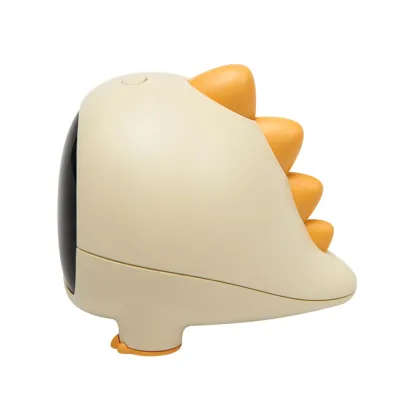
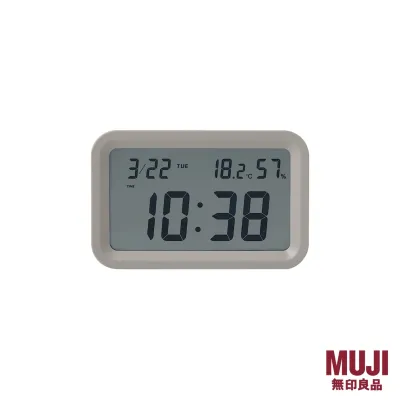
Prices are valid at publication and may change. Please refer to the product page for the latest price.
Noise Levels and Sleep Disruption
A quiet sleeping environment is essential for achieving deep, restorative sleep. The internal mechanism of a clock plays a major role in the ambient noise level of your bedroom. Standard quartz analog clocks utilize a stepping motor that moves the second hand forward once per second, creating a distinct, repetitive ticking sound. While some people find this rhythmic sound soothing, many light sleepers find it highly distracting, especially when trying to fall asleep. To avoid this issue, look for analog clocks specified as having a “silent sweep” or “non-ticking” quartz movement. These models use a continuous motor that glides the second hand smoothly around the dial, eliminating the audible tick entirely.

Digital clocks, having no moving parts, operate in complete silence. However, some plug-in digital models with internal transformers can emit a very faint, high-frequency electronic hum. While this hum is usually imperceptible, sensitive individuals may notice it if the clock is placed very close to their pillow. Beyond ambient noise, the sound of the alarm itself is a crucial consideration. Digital clocks offer greater flexibility, often allowing you to adjust the volume, select from various electronic tones, or set a progressive alarm that gradually increases in volume. Analog alarms, particularly traditional twin-bell models, produce a loud, mechanical clang that can be startling. If you prefer a gentler wake-up routine, verify the alarm type and volume adjustability in the product manual before making a purchase.
Bedroom Aesthetics and Bedside Styling
Your bedside table is a highly personal space, and the clock you choose should harmonize with your existing decor. Analog clocks are highly valued for their classic, timeless appeal. They fit naturally into traditional, rustic, mid-century modern, or Scandinavian minimalist bedrooms. Because they do not rely on digital screens, analog clocks often incorporate premium, tactile materials such as solid oak, walnut, brushed brass, copper, or polished glass. These materials add warmth, texture, and a sense of craftsmanship to your nightstand, helping to create a relaxing, screen-free environment that promotes wind-down time before sleep.
Digital clocks, on the other hand, are well-suited for modern, industrial, or tech-focused bedroom designs. Their clean lines, minimalist casings, and sleek glass or mirrored displays complement contemporary furniture and smart home setups. However, digital clocks often require a continuous power connection, which introduces cable management challenges. A dangling power cord can clutter your bedside table and detract from a clean aesthetic. When planning your bedside layout, consider the physical footprint of the clock, its base stability to ensure it will not tip over when you reach for the snooze button, and how you will route and conceal any power cables behind your furniture.
Power Sources and Daily Convenience
The power configuration of your bedside clock affects its reliability, portability, and maintenance requirements. Battery-operated clocks, which include most analog models and compact digital designs, offer excellent placement flexibility. They eliminate cord clutter entirely and continue to function during power outages. However, they require periodic battery replacements, typically every six to twelve months. When evaluating battery-powered models, check the design of the battery compartment on the back of the clock. It should be easy to access and open without requiring specialized tools, and the battery type (such as standard AA or AAA) should be widely available.
Plug-in digital clocks provide the convenience of continuous operation without the worry of battery depletion. To protect against power interruptions, many plug-in models feature a battery backup compartment that preserves your time and alarm settings during an outage, though the main display may turn off to conserve power. When choosing a plug-in clock, verify the length of the power cord in the product specifications to ensure it can safely reach your nearest wall outlet without being stretched taut. For safety and compatibility, ensure that any plug-in adapter matches your local voltage requirements and carries recognized electrical safety certifications, such as the Safety Mark in Singapore, to prevent overheating or electrical hazards.
Decision Framework: Which Bedside Clock Fits Your Routine?
To make the final decision, evaluate your daily habits, sleep sensitivities, and nightstand space against the unique characteristics of each clock type.
Choose a digital clock if you:
- Require precise, down-to-the-minute timekeeping that is instantly readable in total darkness.
- Prefer advanced alarm features, such as dual alarms for weekdays and weekends, customizable snooze intervals, or progressive volume.
- Have a convenient wall outlet near your bedside table and want a low-maintenance device that does not require regular battery changes.
- Enjoy multi-functional devices, such as clocks that display the indoor temperature or include a built-in USB port to charge your phone overnight.
Choose an analog clock if you:
- Are actively trying to reduce screen time, blue light exposure, and digital distractions in your bedroom.
- Appreciate classic design, natural materials like wood or metal, and want a clock that serves as a decorative accent.
- Prefer a simple, single-purpose device with intuitive manual controls that are easy to operate when half-awake.
- Have limited space on your nightstand and want to avoid the clutter of power cords and adapters.
Neither option may fully satisfy your needs if you require advanced smart home integration, voice-activated controls, or automatic synchronization with your smartphone’s calendar. In those scenarios, a dedicated smart display or smart speaker may be more appropriate, though these devices introduce additional connectivity and potential distractions into your sleeping space. Before purchasing any model, always verify its specific dimensions, dimming capabilities, and noise ratings to ensure it will integrate seamlessly into your personal sleep sanctuary.
Frequently Asked Questions (FAQ)
Are digital bedside clocks safe to keep near your head?
Yes, digital bedside clocks are safe to keep on your nightstand. To ensure safety, always verify that plug-in models carry recognized electrical safety certifications, such as the Safety Mark in Singapore, which indicates the device has been tested for electrical safety and thermal compliance. If you are concerned about light emission or minor electromagnetic fields, you can place the clock at arm’s length from your bed, use the lowest brightness setting, or angle the display slightly away from your pillow to create a more comfortable sleeping environment.
How can I reduce the ticking sound of an existing analog clock?
If your current analog clock has an audible tick, its placement can often amplify the sound. Hard, hollow surfaces like wooden nightstands can act as resonators, magnifying the vibrations of the clock’s internal gears. To reduce this effect, place a soft coaster, felt pad, or silicone mat underneath the clock to absorb the physical vibrations. If the ticking remains disruptive, the most effective solution is to upgrade to a model specifically designed with a silent sweep quartz movement, which operates without any audible stepping sounds.

Community discussion
Share your experience or ask a question. Comments are reviewed before publication.