
Selecting the right dining chair cushion is key to creating a comfortable, inviting dining space. The main differences between memory foam, latex, and polyester fill lie in their support profile, durability, and breathability. Memory foam contours to your body for pressure relief but can retain heat; latex offers a responsive, breathable bounce with excellent longevity; and polyester fill provides affordable, plush softness but tends to flatten quickly under daily use.
Quick Comparison: Memory Foam, Latex, and Polyester Fills
When selecting a dining chair cushion, understanding how each material responds to pressure helps narrow down your choices. Memory foam slowly compresses to match your body shape, offering a dense, cradling sensation. Latex reacts instantly, pushing back slightly to keep you sitting on top of the cushion rather than sinking into it. Polyester fiberfill provides a light, airy loft that feels immediately soft but compresses significantly under weight.
Durability varies widely among these materials. Latex typically maintains its original shape and thickness for years without sagging, making it a highly resilient option. Memory foam also offers good longevity, though lower-density versions can soften permanently over time. Polyester fill is the most prone to flattening, clumping, and shifting, often requiring regular replacement if used daily.
Products mentioned in this guide
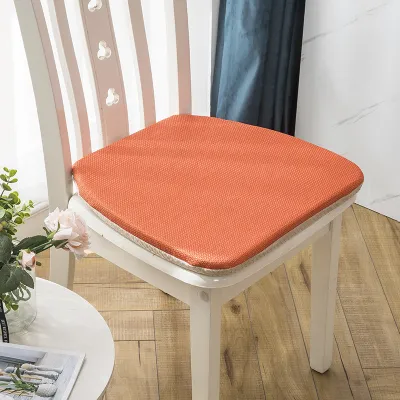
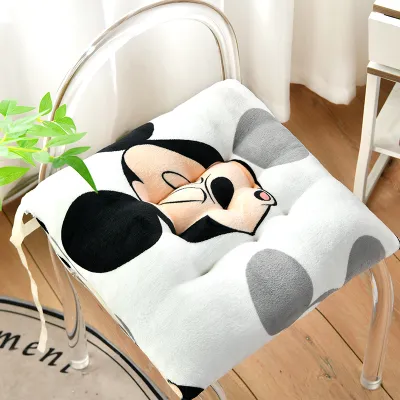
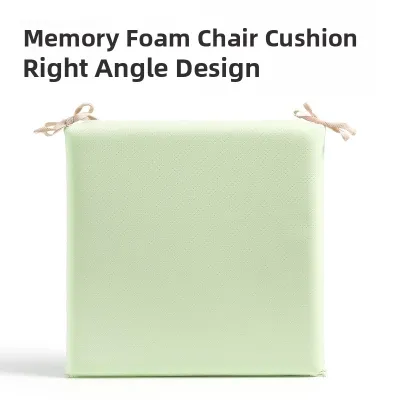
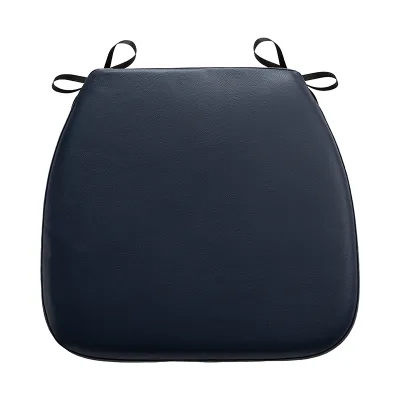
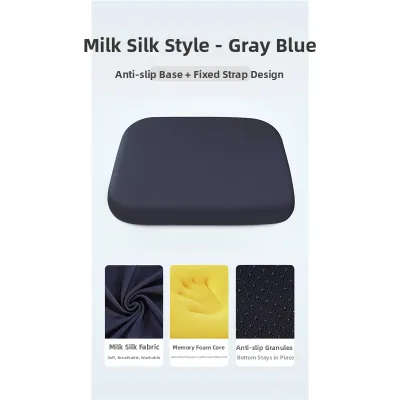
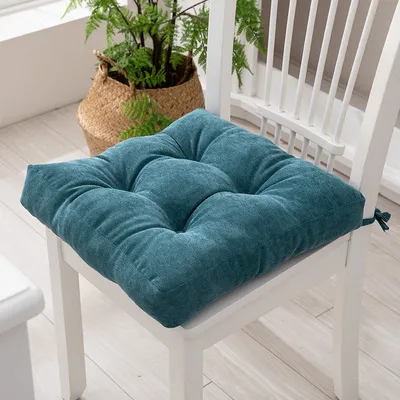
Prices are valid at publication and may change. Please refer to the product page for the latest price.
Maintenance needs are closely tied to the fill’s structure. Solid foam and latex inserts cannot be tossed into a washing machine and must rely on removable, washable covers or careful spot cleaning. In contrast, some polyester-filled cushions can be washed entirely, though you must verify the manufacturer’s care label to prevent the fibers from clumping during the cycle.
Memory Foam: Contouring Support for Longer Meals
Memory foam is highly regarded for its ability to distribute body weight evenly across the seating surface. As your body heat softens the material, it molds to your specific shape, reducing pressure points on the hips and tailbone. This contouring effect makes it an excellent choice for long, leisurely dinners or multi-course gatherings where guests remain seated for extended periods.

However, this heat-sensitive nature can introduce comfort challenges in certain environments. In warm or non-air-conditioned dining spaces, memory foam tends to trap body heat, which may lead to a warm, slightly sticky seating experience. The material also becomes noticeably firmer in cooler air-conditioned rooms and softer in humid, warm conditions, altering the initial feel of your dining chair cushion.
To ensure a supportive sit, it is essential to check the manufacturer’s density specifications on the product label. Low-density memory foam may bottom out quickly, leaving you feeling the hard wooden or metal chair frame underneath. Conversely, excessively high-density foam can feel overly rigid at first, requiring a longer break-in period before it contours comfortably to your posture.
Latex: Responsive Bounce and Breathability
Latex provides a distinctively buoyant seating experience that contrasts sharply with memory foam. Instead of slowly sinking into the material, you experience an immediate, springy pushback that supports your weight while keeping your posture upright. This responsive elasticity makes it easy to shift positions or stand up from the dining table without feeling stuck in a deep compression pocket.
The physical structure of latex inherently promotes a cooler seating environment. Featuring an open-cell matrix and often manufactured with ventilation pinholes, latex allows air to circulate freely through the cushion. This breathability is particularly beneficial during long meals in humid climates, as it helps prevent moisture and heat from building up within the core of the dining chair cushion.
When shopping for latex cushions, you should carefully inspect the manufacturer tags and care labels to identify the material composition. Latex inserts can be made from natural rubber sap, synthetic polymers, or a blend of both. Natural latex offers excellent elasticity and environmental appeal, while synthetic or blended options often provide a more uniform texture at a different price point, allowing you to choose based on your household preferences.
Polyester Fill: Plush Softness and Routine Upkeep
Polyester fiberfill, often referred to as poly-fill, is a widely accessible material known for its lightweight, cloud-like softness. When you first sit on a polyester-filled dining chair cushion, the loose fibers compress easily to offer a gentle, plush surface. This makes it a highly comfortable option for short-duration seating, such as quick breakfasts or occasional hosting.
Despite its initial comfort, polyester fill is highly susceptible to mechanical wear over time. Under the repetitive weight of daily dining, the individual synthetic fibers slide past one another, leading to clumping, shifting, and eventual flattening. This structural breakdown can leave the cushion looking uneven and feeling significantly thinner, offering minimal support after a few months of heavy use.
To maintain the appearance and comfort of polyester cushions, routine manual upkeep is necessary. You will need to regularly shake, pat, and fluff the cushions to redistribute the fibers and restore some of their original loft. On the positive side, many polyester cushions are fully machine-washable, but you must always verify the care instructions first to ensure the wash cycle does not cause permanent fiber clumping.
How to Choose the Right Fill for Your Dining Habits
Selecting the ideal dining chair cushion requires a clear assessment of how your household utilizes the dining space. If your dining table doubles as a home office or a homework station, prioritizing high-density support is crucial. In these scenarios, memory foam or high-quality latex cushions are highly recommended, as they maintain structural integrity and prevent physical fatigue during hours of continuous sitting.
Household dynamics, particularly the presence of young children or pets, should heavily influence your material and cover choices. Dining areas are high-risk zones for food spills, sticky fingers, and pet hair. If frequent spills are inevitable, choosing polyester-filled cushions that can be washed entirely, or pairing memory foam and latex inserts with liquid-resistant, removable, and machine-washable covers, will save significant cleaning effort.
Budget considerations must be balanced against the expected lifespan of the cushion. While polyester-filled options generally feature lower initial S$ price points, their tendency to flatten quickly means you may need to replace them frequently. Investing a higher initial S$ amount in durable latex or high-density memory foam cushions often proves more cost-effective over time, as these materials retain their shape and comfort for years under daily use.
Maintenance, Cleaning, and When to Replace
Proper care is essential to maximize the lifespan of any dining chair cushion. Always begin by checking the care labels sewn into the seams to understand the cleaning limits of both the cover and the inner fill. While many modern cushions feature removable, machine-washable covers, the inner foam or latex cores should never be submerged in water, as moisture can trap mold or degrade the material structure.
Implementing a routine maintenance schedule can significantly extend the usable life of your cushions. Regularly rotating and flipping the cushions helps distribute physical wear evenly across the surface, preventing localized sagging where you sit most often. For fiber-filled options, a quick manual fluffing session once a week helps keep the synthetic strands separated and lofty.
Eventually, all cushions reach the end of their functional lifespan and require replacement. You can identify this stage through clear visual and tactile signs, such as permanent compression dips that do not recover after rising, internal clumping that creates hard lumps, or a complete loss of cushioning support. Sitting on a worn-out cushion can compromise your posture, indicating it is time to explore new fill options.
Frequently Asked Questions (FAQ)
Can I mix different fills in the same dining set?
Mixing different cushion fills within a single dining set is entirely possible, though it requires careful planning to maintain a cohesive look and feel. Different materials compress at varying rates, which can lead to noticeable differences in seat height and firmness from chair to chair. If you choose to customize fills for individual family members—such as latex for someone needing firm support and polyester for someone preferring plushness—try to use identical outer covers to preserve visual uniformity around the table.
Are gel-infused memory foam cushions better for dining chairs?
Gel-infused memory foam can offer a slight advantage in temperature regulation compared to standard memory foam. The gel particles or layers are designed to absorb and dissipate initial body heat, delaying the warming sensation. While this cooling effect is highly noticeable during the first twenty to thirty minutes of a meal, its impact may diminish during extended sitting sessions as the gel eventually reaches thermal equilibrium with your body temperature.
How thick should a dining chair cushion be?
The ideal thickness of a dining chair cushion typically ranges between three to five centimeters, depending on the fill material and your chair design. High-density materials like latex and memory foam can be thinner while still providing excellent support, whereas lower-density polyester fills require more thickness to prevent bottoming out. Always measure the clearance between the chair seat and the underside of your dining table to ensure your legs have comfortable clearance once the cushion is in place.
Community discussion
Share your experience or ask a question. Comments are reviewed before publication.