
Finding the right donut pillow is essential for managing sitting discomfort, whether you are dealing with tailbone pressure, improving your sitting posture, or spending long hours at an office desk. The performance of a donut pillow depends almost entirely on two factors: the filling material inside and the cover fabric on the outside. The filling dictates how well the pillow supports your weight and redistributes pressure, while the cover determines how the pillow feels against your skin and how much heat it retains.
In a warm and humid environment like Singapore, choosing the wrong combination of materials can quickly lead to discomfort, heat buildup, and hygiene issues. Selecting the ideal cushion requires balancing structural support with breathability and ease of maintenance. By understanding the distinct physical characteristics of different fillings and covers, you can select a combination that matches your specific sitting habits, personal comfort preferences, and environmental conditions.
Understanding Donut Pillow Fillings: Memory Foam vs. Microbeads vs. Polyester Fibre
The core of any donut pillow is its filling, which serves as the primary engine for structural support and pressure redistribution. When you sit down, your body weight concentrates on specific contact points; a well-designed donut pillow works by suspending the sensitive tailbone or pelvic area over its central opening while distributing the surrounding weight across the remaining cushion surface. The physical properties of the filling material determine how effectively the pillow performs this task over extended periods.
Products mentioned in this guide
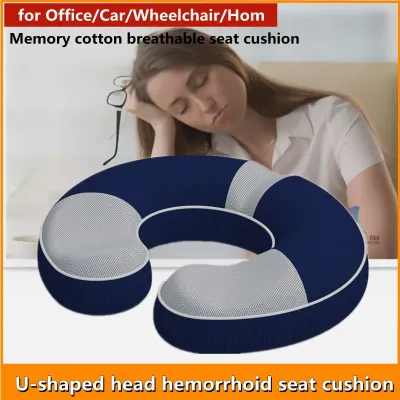
![[SG 🚚] Round Inflatable Seat Ring Donut Cushion Pillows Pad Pain Relief Hemorrhoid Treatment Seat Cushion For Home Office with](https://img.lazcdn.com/g/p/da6feff764a8cffba957be22ce49fa1c.jpg_400x400q80.jpg_.webp)
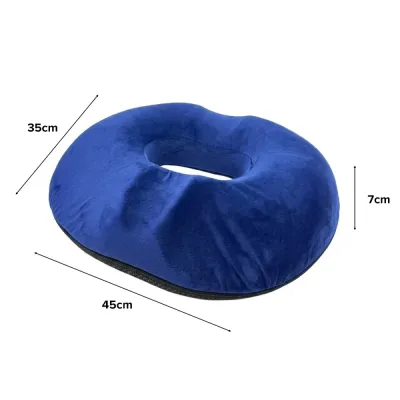
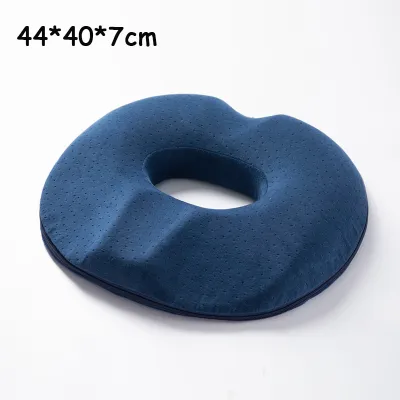
Prices are valid at publication and may change. Please refer to the product page for the latest price.
Different fillings respond uniquely to compression, body temperature, and continuous wear. Some materials offer firm, unyielding support that maintains its shape under heavy loads, while others provide a soft, mouldable surface that conforms dynamically to your movements. Before making a purchase, it is important to check the product specifications for density, weight limits, and dimensions, as material names alone do not guarantee a specific level of performance or durability.
Memory Foam: Contoured Support and Pressure Relief
Memory foam, or viscoelastic polyurethane foam, is highly regarded for its ability to respond to both body heat and weight. As you sit, the foam softens in response to your body temperature, allowing it to contour precisely to your lower body shape and distribute your weight evenly across the cushion. This customized contouring makes memory foam an exceptional choice for individuals who require firm, consistent support during long, uninterrupted sitting sessions.
When shopping for a memory foam donut pillow, paying attention to density is crucial. High-density memory foam offers superior durability and prevents the cushion from bottoming out under your weight, whereas low-density foam may flatten too quickly and fail to keep your sensitive areas elevated. While memory foam provides excellent pressure relief, it does have a natural tendency to retain heat, which can feel uncomfortably warm in non-air-conditioned spaces; additionally, some users may find it feels overly firm when first used in cooler, air-conditioned environments.
Microbeads: Mouldable Comfort and Adjustability
Microbead fillings consist of thousands of tiny, lightweight polystyrene beads packed inside a flexible inner casing. When pressure is applied, these tiny beads shift and slide against one another, allowing the pillow to mould dynamically to your body shape and movement. This shifting nature makes microbead donut pillows highly adjustable, as you can easily shake or massage the pillow to redistribute the filling to your preferred thickness.
The lightweight and highly flexible nature of microbeads makes them excellent for travel, casual lounging, or short-term use in various seating environments. However, these beads do have a tendency to flatten, compress, or shift away from high-pressure areas over time, which can gradually reduce the pillow’s overall height and support. Consequently, microbead fillings are generally less ideal for individuals who require strict, prolonged ergonomic support or those who need a consistent, unyielding elevation.
Polyester Fibre: Softness, Breathability, and Budget Appeal
Polyester fibre, often referred to as polyfill or hollowfibre, is a traditional cushioning material made from synthetic polyester strands. It offers a soft, plush, and springy feel that mimics the loft of natural down, providing an immediate sensation of gentle cushioning when you sit. Because the loose fibres allow air to circulate freely within the pillow, polyester fillings are highly breathable and resist heat retention much better than solid foam alternatives.
From a budget perspective, polyester fibre donut pillows are highly accessible, with prices typically falling into the lower range, often under S$20 in Singapore’s retail market. Despite their affordability and lightweight design, these pillows tend to compress rapidly under continuous weight and lose their original donut shape far quicker than memory foam. They require regular plumping and shaking to restore their loft, and they generally do not provide sufficient structural support or targeted pressure relief for heavy individuals or prolonged daily use.
Choosing the Right Cover Material for Your Climate and Needs
While the filling inside a donut pillow manages weight and support, the outer cover is responsible for tactile comfort, temperature regulation, and overall hygiene. Because your skin or clothing remains in direct contact with the cover for hours, the fabric’s weave and fiber composition directly influence how warm you feel and how easily moisture is managed. This is particularly important in tropical climates where high humidity can amplify heat retention and cause sweat to build up quickly.

A practical cover should not only feel pleasant against your skin but also simplify your cleaning routine. When evaluating different options, look for covers that feature durable, recessed zippers and are explicitly labeled as removable and machine-washable. Always check the material composition label on the product, as creative marketing terms do not always accurately reflect the exact fiber blend or the fabric’s long-term durability.
Velvet: Plush Warmth and Aesthetic Appeal
Velvet covers are popular for their incredibly soft, luxurious texture and their ability to add an elegant touch to your home or office decor. The dense, raised pile of velvet feels smooth and comforting against the skin, making it an appealing option for those who prioritize a cozy, high-end sensory experience. It also provides a non-slip surface that helps keep the donut pillow securely positioned on smooth wooden or plastic chairs.
However, the dense structure of velvet fibers naturally traps air and retains body heat, which can quickly become uncomfortable in warm, humid, or non-air-conditioned environments. If you plan to use your donut pillow in naturally ventilated spaces, a velvet cover may lead to noticeable sweating and skin irritation. Additionally, velvet requires careful maintenance, often needing gentle wash cycles or spot cleaning to prevent the pile from crushing, matting, or losing its soft texture over time.
Cotton: Breathable, Natural, and Easy to Clean
Cotton is a natural fiber widely celebrated for its exceptional breathability, softness, and moisture-wicking capabilities. A cotton cover (including durable cotton canvas or soft brushed cotton) allows air to flow freely through the fabric, helping to dissipate body heat and keep your skin dry. This natural temperature regulation makes cotton a highly versatile, all-season choice that performs exceptionally well in both air-conditioned offices and warm home environments.
In terms of practical maintenance, cotton is incredibly resilient and straightforward to clean. Most cotton covers can be easily zipped off, tossed into a standard washing machine with mild detergent, and either tumble-dried or hung out to dry without risk of shrinking or losing their shape. Its high durability ensures that the fabric can withstand frequent washing cycles, making it an excellent option for daily, long-term use where hygiene is a top priority.
Cooling Fabrics: Temperature Regulation for Warmer Environments
Cooling fabric covers are specifically engineered to manage heat buildup and enhance sitting comfort in warm climates. These covers are typically made from advanced fiber blends, such as bamboo-derived viscose, nylon-polyester synthetics, or materials treated with phase-change technologies that actively absorb and dissipate excess body heat. They are designed to feel instantly cool to the touch and to wick moisture away from the skin rapidly, preventing that sticky, humid feeling during long sitting sessions.
It is important to understand that “cooling” is a functional fabric characteristic rather than a magical cooling system; the actual performance of these covers depends heavily on the specific fiber blend, the tightness of the weave, and the ambient airflow in your room. While they perform exceptionally well in air-conditioned offices or rooms with active fan circulation, their cooling effect may feel less pronounced in stagnant, highly humid air. Additionally, some cooling fabrics require specific care, such as cold washing and air drying, to preserve their specialized temperature-regulating properties over time.
Matching Materials to Your Intended Use and Comfort Preferences
Selecting the ideal donut pillow is not about finding a single “perfect” material, but rather about matching the right combination of filling and cover to your specific lifestyle, environment, and physical needs. A person sitting at an office desk for eight hours a day requires a completely different setup than someone looking for a lightweight, packable cushion for occasional travel. By evaluating your daily routine and comfort priorities, you can create a personalized material pairing that delivers the best results.
While donut pillows are highly effective tools for improving sitting comfort and redistributing pressure, they are not universal medical cures. If you are dealing with chronic pain, recovering from major surgery, or managing a specific medical condition, it is essential to consult a healthcare professional for tailored advice. Use the following scenarios and comparison matrix as a practical guide to help narrow down your options based on common daily use cases.
Use-Case Scenarios and Material Pairings
Prolonged Office Sitting: If you spend long hours sitting at a desk, your primary needs are consistent structural support and effective heat management. The recommended pairing for this scenario is a high-density memory foam filling paired with a highly breathable cotton or specialized cooling fabric cover. This combination ensures that the cushion maintains its supportive shape throughout the workday, while the cover helps dissipate heat and prevent moisture buildup in air-conditioned or naturally ventilated office spaces.
Travel and Portability: For commuting, flights, or road trips, portability and flexibility are your top priorities. A donut pillow filled with microbeads or lightweight, high-loft polyester fibre, paired with a durable, washable cotton cover, is the ideal choice. This setup allows the pillow to be easily compressed, squeezed into a backpack, or attached to luggage, providing flexible comfort on the go without adding unnecessary weight to your travel gear.
Short-Term Comfort or Post-Procedure Relief: If you are using a donut pillow for temporary relief or post-procedure comfort, targeted pressure relief and skin sensitivity are the most critical factors. High-density memory foam is highly recommended to keep the sensitive area completely elevated and free from contact pressure. Pair this with a soft, non-irritating cover material such as a bamboo-viscose cooling fabric or brushed cotton to minimize skin friction, making sure to follow all specific care and positioning instructions provided by your medical professional.
Quick Comparison Matrix
| Intended Use | Recommended Filling | Recommended Cover | Key Benefit |
|---|---|---|---|
| Daily Office Work | High-Density Memory Foam | Cooling Fabric or Cotton | Consistent contouring support with excellent heat dissipation |
| Travel & Commuting | Microbeads or Polyester | Durable Cotton | Lightweight, highly compressible, and easy to pack |
| Post-Procedure Comfort | High-Density Memory Foam | Soft Cotton or Bamboo | Maximum pressure relief with gentle, non-irritating skin contact |
| Casual Home Lounging | Polyester Fibre or Memory Foam | Velvet or Cotton | Plush, comfortable feel that blends with home decor |
Care, Maintenance, and Longevity of Donut Pillow Materials
To ensure your donut pillow continues to provide reliable support and remains hygienic over time, establishing a proper care and maintenance routine is essential. Different fillings and cover fabrics react uniquely to water, heat, and cleaning agents, meaning a one-size-fits-all washing method can easily ruin your cushion. Before performing any cleaning or maintenance, always check the applied product’s label and the treated item’s manufacturer instructions first to avoid damaging the materials or voiding any product warranties. If instructions conflict, the item is unidentified, or the use is not covered, stop and consult the manufacturer or a qualified professional.
For removable outer covers, general maintenance is relatively straightforward. Most cotton and standard synthetic covers can be zipped off and washed in cold or warm water with a mild detergent, while delicate fabrics like velvet or specialized cooling covers should be air-dried to preserve their texture and technical properties. Avoid using harsh bleach or fabric softeners, as these chemical agents can break down the fibers and diminish the fabric’s natural breathability or cooling capabilities.
The inner fillings require much more cautious handling to prevent permanent structural damage:
- Memory Foam: Never submerge, machine wash, or wring out memory foam, as water will saturate the cellular structure, causing the foam to tear and encouraging mold growth. Instead, spot clean any stains using a damp cloth and a very small amount of mild soap, then allow the foam to air dry completely in a well-ventilated indoor space away from direct sunlight, which can degrade the polyurethane material.
- Microbeads: Microbead pillows should generally not be machine washed, as a tear in the casing can release thousands of tiny beads, damaging both your pillow and your washing machine. Spot clean the inner casing gently, and check the manufacturer's label to see if the entire pillow is rated for gentle hand-washing.
- Polyester Fibre: Many polyester fillings are resilient enough to be gently hand-washed or machine-washed on a delicate cycle, but you must ensure they are dried thoroughly to prevent the fibers from clumping together or developing musty odors.
When storing your donut pillow, keep it in a cool, dry place away from direct sunlight and high humidity. Avoid placing heavy boxes, luggage, or other compressed objects on top of a memory foam pillow for extended periods, as prolonged compression can permanently deform the foam’s cellular structure, preventing it from recovering its supportive shape when you need to use it again.
Frequently Asked Questions (FAQ)
Can I wash the memory foam filling of my donut pillow?
No, you should never submerge, machine wash, or wring out memory foam filling. Water easily damages the delicate cellular structure of the foam, leading to clumping, tearing, and potential mold growth. To clean memory foam, gently spot clean the surface with a damp cloth and mild soap, then let it air dry completely in a well-ventilated area away from direct sunlight.
Which donut pillow material is best for long hours of sitting?
High-density memory foam is the best filling material for long hours of sitting because it provides consistent, contoured support and prevents the cushion from flattening under your weight. To prevent discomfort from heat retention during extended use, pair the memory foam filling with a highly breathable cover made of cotton or specialized cooling fabric.
Do cooling fabric covers actually work in humid climates?
Cooling fabric covers are highly effective at wicking away moisture and feel noticeably cooler to the touch, which helps prevent sweat buildup in humid climates. However, they cannot actively lower the ambient room temperature. Their performance is most effective when used in air-conditioned spaces or rooms with good air circulation from fans, which helps carry away the dissipated heat.
Community discussion
Share your experience or ask a question. Comments are reviewed before publication.