
Choosing the right cushion insert is the single most important factor in determining how your decorative pillows look, feel, and hold up over time. While a beautiful cushion cover sets the style of a room, the insert hidden inside dictates whether that cushion provides comfortable support or quickly collapses into a flat, lifeless lump. Selecting the ideal fill material requires balancing physical comfort, aesthetic goals, and maintenance habits.
Your choice should align directly with how you intend to use the cushion and where it will be placed in your home.
- Down Alternative is the premier choice for achieving luxurious softness, plush aesthetics, and a relaxed, styled look. It is ideal for formal living rooms and bedrooms where visual appeal is paramount.
- Memory Foam is best suited for firm, ergonomic support, structural shape retention, and minimal daily maintenance. It is the perfect match for home offices, reading nooks, or deep sofas requiring lumbar relief.
- Polyester Fiber (Standard Poly-Fill) offers basic utility, lightweight loft, and budget-friendly practicality. It is highly resilient in high-traffic family areas, playrooms, and homes with pets where frequent washing is necessary.
There is no single superior material; instead, the right cushion insert depends entirely on your cover fabric, the placement of the cushion, and your personal comfort preferences.
Products mentioned in this guide
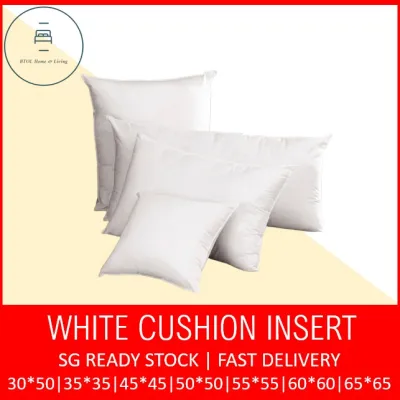
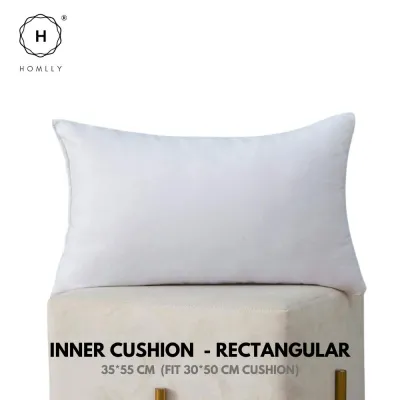
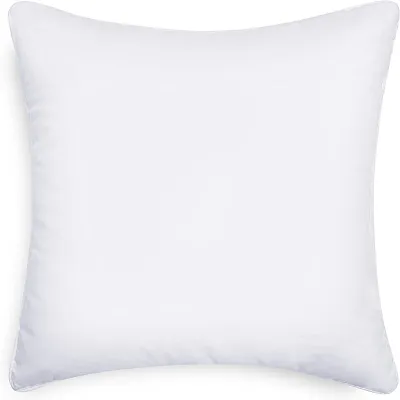
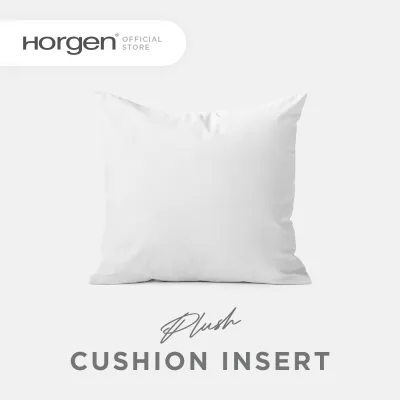
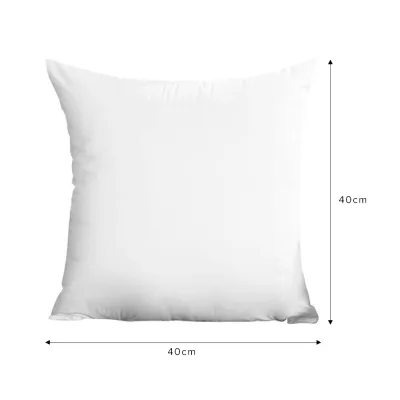
Prices are valid at publication and may change. Please refer to the product page for the latest price.
Understanding the Three Core Cushion Insert Materials
To make an informed decision, it is essential to understand the physical composition and structural characteristics of the three primary insert materials available on the market.
Down Alternative (Synthetic Down)
Down alternative inserts are engineered to replicate the loft, lightweight warmth, and cloud-like softness of natural goose or duck feathers. They are constructed from ultra-fine polyester microfibers, which are spun to a fraction of the denier of standard synthetic fibers. These tiny fibers trap air in microscopic pockets, creating a plush, compressible loft that mimics natural down clusters.
Because they use synthetic fibers, down alternative inserts are completely hypoallergenic and cruelty-free. They do not release fine feather dust or animal dander, making them an excellent choice for individuals with respiratory sensitivities. Visually, these inserts are highly malleable, allowing you to easily achieve the classic “karate chop” look—a styled crease along the top edge that is highly favored in professional interior design.
Memory Foam
Memory foam inserts utilize viscoelastic polyurethane, a material known for its high density and pressure-relieving properties. When pressure and body heat are applied, the foam contours precisely to the body, distributing weight evenly across its surface. Once the pressure is removed, the material slowly recovers its original shape, a characteristic known as slow-rebound behavior.
These inserts generally come in two distinct formats: solid block memory foam and shredded memory foam. Solid block inserts are molded as a single, continuous piece of foam, offering maximum firmness, structural integrity, and a clean, geometric silhouette. Shredded memory foam inserts consist of thousands of tiny foam clusters encased in an inner cover, providing a more malleable, adjustable feel while retaining the dense, supportive characteristics of polyurethane foam.
Polyester Fiber (Standard Poly-Fill)
Standard polyester fiberfill, often referred to simply as poly-fill, is the most common insert material found in mass-produced home furnishings. It consists of crimped synthetic polyester fibers that are blown into an inner casing to create a lightweight, springy loft. Unlike down alternative, standard poly-fill uses thicker, coarser fibers that are designed to bounce back quickly when compressed.
This material is highly valued for its cost-effectiveness and structural resilience. It provides a consistently plump, rounded appearance to cushion covers without requiring manual shaping. Because it is inexpensive to manufacture, standard polyester fiber is the default choice for budget-conscious decorating projects and everyday household use.
Key Comparison Dimensions for Comfort and Durability
Evaluating how these materials perform across daily use, climate conditions, and maintenance routines will help you select the insert that best fits your lifestyle.

Softness, Support, and Loft Retention
The physical sensation of resting against a cushion varies dramatically between these three fills. Down alternative offers a luxurious, sink-in softness with minimal resistance, making it feel incredibly cozy but offering little structural support. In contrast, memory foam provides a firm, supportive push-back that aligns the spine and cradles pressure points, making it highly functional for long periods of sitting. Standard polyester fiber sits in the middle, offering a bouncy, springy feel that is firmer than down alternative but lacks the contouring pressure relief of memory foam.
Loft retention—the ability of an insert to maintain its fullness over time—also differs. Memory foam excels at automatic shape recovery, bouncing back to its original dimensions without any manual intervention. Down alternative and standard polyester fiber inserts naturally compress and migrate with use, leading to flat spots. To maintain their plump appearance, down alternative inserts require regular manual fluffing and shaking, while standard poly-fill may eventually clump permanently over years of heavy use. When shopping, always check the fill weight or density specifications on the product label; a higher fill weight indicates a denser, firmer cushion that will resist flattening far longer than a sparse, lightweight equivalent.
Breathability and Temperature Regulation
Thermal comfort is a critical consideration, particularly in warm and humid tropical climates like Singapore’s. The way air circulates through a cushion insert directly impacts how hot it feels against your body during an afternoon of relaxation. Standard polyester fiber and down alternative inserts feature loose, open-fiber structures that allow air to flow relatively freely, helping to dissipate body heat and keep the surface cooler to the touch.
Solid block memory foam, due to its dense, closed-cell structure, tends to act as an insulator. It traps body heat and can become uncomfortably warm during prolonged use, especially in naturally ventilated, non-air-conditioned living spaces. Shredded memory foam inserts mitigate this issue slightly by creating open pathways between the individual foam pieces for air to circulate, but they still retain more ambient warmth than lightweight fiber fills. If you prefer a cooler seating experience, fiber-based inserts are generally more comfortable for year-round tropical living.
Maintenance, Washability, and Allergen Resistance
Keeping your cushion inserts clean is vital for maintaining a healthy indoor environment. Standard polyester fiber and down alternative inserts are highly practical because they are frequently machine washable. You can typically launder them on a gentle cycle with mild detergent to remove sweat, oils, and surface dust, though you must always verify the specific care instructions on the manufacturer’s label. Memory foam, however, is highly sensitive to moisture; solid and shredded memory foam inserts must never be submerged in water or machine washed, as water degrades the polyurethane structure and is incredibly difficult to dry out, leading to internal rot. Instead, memory foam requires careful spot cleaning with a damp cloth.
In humid climates, allergen resistance is another major factor. All three synthetic materials are inherently resistant to dust mites, mold, and mildew compared to natural feathers, which can harbor organic allergens. However, because high humidity can trap moisture inside any cushion, thorough drying is critical. If you wash a down alternative or polyester insert, it must be dried completely in a dryer or placed in a well-ventilated, sunny area to ensure no internal moisture remains, preventing musty odors and mold growth.
Matching the Material to Your Usage Needs
To choose the right cushion insert, consider the specific room setting, the primary function of the cushion, and the lifestyle of your household.
Living Room & Decorative Throw Pillows
For formal living rooms, main sofas, and bed styling, down alternative is the ideal choice. Its soft drape and ability to hold a gentle crease allow you to style your space with a relaxed, high-end aesthetic. These cushions are perfect for tossing onto a sectional sofa or layering against a headboard, where they provide a welcoming, plush look that invites you to lean back and relax.
Ergonomic & Lumbar Support
If you are styling a reading chair, a home office seat, a deep-seated sofa, or a floor seating arrangement, memory foam is the superior option. Its structural stability and pressure-relieving properties provide essential support for your lower back and hips. A solid block memory foam insert ensures that a lumbar cushion retains its exact shape and supportive thickness, preventing slouching and reducing physical fatigue during long hours of sitting.
High-Traffic, Kids' & Pet Areas
For family playrooms, high-use casual spaces, and homes with pets, standard polyester fiber is the most practical selection. Because these inserts are lightweight, highly resilient, and budget-friendly, they can withstand rough handling, frequent fort-building, and pet nesting. When they inevitably become soiled, their machine-washable nature makes cleanup straightforward, and they can be replaced affordably when they eventually wear out.
Quick Decision Framework
To finalize your choice, use this simple checklist based on your primary decorating and comfort priorities:
- Choose Down Alternative if: You want a luxurious, high-end look, prefer a cloud-like, sink-in feel, enjoy styling your pillows with a "karate chop," and do not mind occasionally fluffing your cushions to restore their loft.
- Choose Memory Foam if: You require firm, reliable physical support, need to relieve back or hip pressure, want a cushion that maintains its exact shape without any manual fluffing, and plan to use the cushion primarily in air-conditioned spaces.
- Choose Polyester Fiber if: You are working within a strict budget, need to fill a large number of decorative covers, require an insert that is easy to machine-wash, or are decorating a high-traffic family space prone to spills and heavy wear.
What to Check Before Buying a Cushion Insert Online
Shopping for cushion inserts on e-commerce platforms requires careful attention to product specifications to ensure a perfect fit and avoid the hassle of return shipping.
Sizing Rules
To achieve a professional, plump appearance, the standard interior design rule is to size up your insert. Choose an insert that is 1 to 2 inches (approximately 2.5 to 5 centimeters) larger than your cushion cover. For example, if you have a standard 45×45 cm cushion cover, pair it with a 50×50 cm down alternative or polyester fiber insert. This extra volume ensures that the insert completely fills out the corners of the cover, preventing saggy, empty fabric edges. For memory foam inserts, which do not compress as easily, stick closer to a 1:1 size ratio to avoid straining the cover seams.
Cover Compatibility
The weight and texture of your cushion cover fabric should influence your choice of insert. Heavy, structured fabrics like velvet, thick canvas, wool, or heavy linen require a firm, high-density insert—such as memory foam or a high-weight polyester fill—to support the heavy material and prevent the cushion from collapsing under its own weight. Conversely, delicate, lightweight fabrics like silk, satin, or fine cotton drape beautifully over the soft, fluid contours of a down alternative insert.
Label Verification
When browsing online listings, read the product descriptions carefully. Online retailers often use terms like “down-feel,” “feather-touch,” “microfiber,” and “poly-fill” interchangeably. To ensure you are getting a genuine down alternative insert, look for specifications detailing “ultra-fine microfiber” or “synthetic down.” Additionally, check the net fill weight listed in grams; a higher fill weight for a given size indicates a denser, higher-quality insert that will offer better support and longevity.
Return Policies
Always review the seller’s return policy before purchasing, especially for bulky or heavy items. Memory foam inserts are dense and heavy, and many fiber inserts are shipped vacuum-packed to save space. Once you open a vacuum-sealed package, the insert will expand to its full size, making it nearly impossible to repackage in its original shipping container. Because return shipping fees for bulky packages can be costly, double-checking your measurements and material choices before clicking buy is the best way to ensure a successful purchase.
Frequently Asked Questions (FAQ)
Can I mix different cushion insert materials on the same sofa?
Yes, mixing different cushion insert materials on the same sofa is an excellent styling technique frequently used by interior designers. You can place firm memory foam or high-density polyester inserts in the back or center of the sofa to provide structural support and clean lines, then layer soft down alternative cushions in the corners for a cozy, inviting feel. To maintain a cohesive look, ensure that the cushions have a balanced visual height and scale so the seating arrangement looks intentional rather than mismatched.
How often should I replace my cushion inserts?
The lifespan of a cushion insert depends on the quality of its construction, the frequency of use, and how well it is maintained. Generally, high-quality down alternative and dense memory foam inserts can last between 3 to 5 years with proper care. Standard, low-density polyester fiber inserts tend to flatten more quickly and may need replacement every 1 to 2 years in high-use areas. You should replace your inserts when they no longer recover their shape after fluffing, develop permanent clumps, fail to support your body, or begin to retain persistent odors or moisture.
Community discussion
Share your experience or ask a question. Comments are reviewed before publication.