
Choosing the right cushion insert is the secret to transforming a simple decorative cover into a functional, comfortable addition to your living space. The ideal fill material depends entirely on how you balance tactile plushness, physical support, and daily maintenance. Natural down offers a luxurious, sink-in feel that drapes beautifully but requires regular fluffing to maintain its loft. Polyester fiberfill provides an affordable, springy bounce that resists clumping and is exceptionally easy to clean. Memory foam delivers dense, contouring support that holds its shape rigidly, making it excellent for ergonomic relief. By understanding how these three common fills behave, you can select the perfect insert to match your seating habits, home climate, and aesthetic preferences.
How Down, Polyester, and Memory Foam Compare in Comfort and Support
The physical behavior of your cushion insert dictates both how it feels and how it looks on your furniture. A cushion is not merely decorative; it is an active touchpoint in your daily lounging routine. The choice of fill material determines whether a cushion invites you to sink deeply, offers a springy resistance, or holds your posture in a structured position. Furthermore, the fill directly influences how the outer fabric cover drapes and retains its visual volume. Whether styling a formal living room or setting up a cozy reading nook, matching the fill’s properties to your intended use is essential for long-term satisfaction.
Down and Feather Inserts
Natural down and feather inserts are highly regarded for their classic, luxurious feel and ability to contour gently to your body. When you lean back, the air escapes slowly, creating a soft, sink-in sensation that synthetic materials struggle to replicate. This moldability allows you to shape the cushion to your liking, though it requires regular manual fluffing to restore its original loft. The comfort profile is heavily influenced by the down-to-feather ratio: a higher down percentage increases softness and price, while more feathers add weight and structure but can introduce quill prickliness if the inner casing is thin. In warm, humid environments like Singapore, natural down is valued for its organic breathability, allowing air to circulate freely rather than trapping body heat.
Products mentioned in this guide

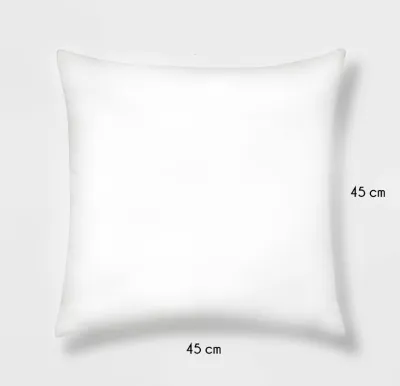
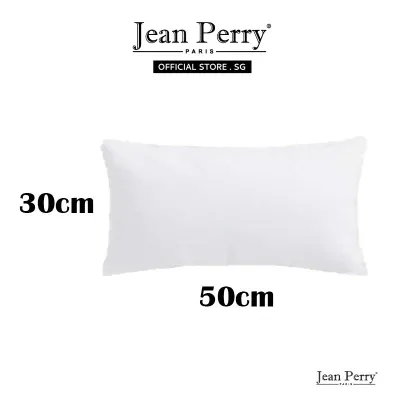
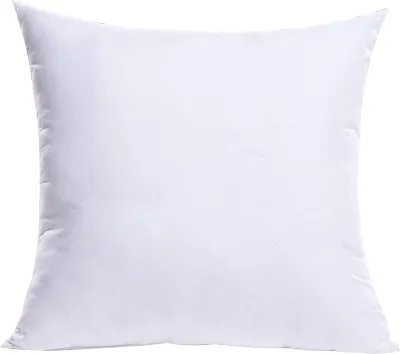
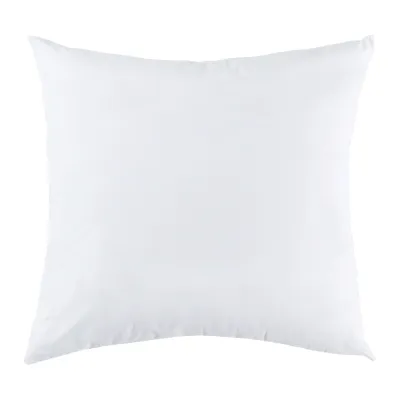
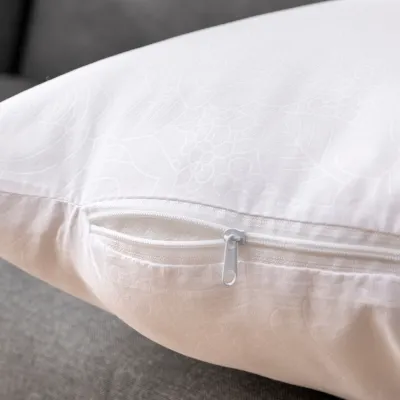
Prices are valid at publication and may change. Please refer to the product page for the latest price.
Polyester Fiberfill Inserts
Polyester fiberfill is a popular synthetic alternative, offering a reliable, springy bounce that provides consistent support. Unlike natural down, which compresses and holds shape, polyester fibers act like tiny springs, immediately returning to their original volume once pressure is released. This resilient behavior ensures cushions maintain a plump appearance without constant manual adjustment. Standard polyester consists of loose fibers, while premium cluster polyester features small, bundled spheres designed to mimic the loft of natural down. While polyester excels at providing lightweight, affordable volume, it can gradually compress and lose its springiness over extended periods of heavy use. Nevertheless, its naturally hypoallergenic properties make it an excellent, worry-free choice for busy households.
Memory Foam Inserts
Memory foam inserts represent the firmest option, utilizing dense polyurethane to deliver targeted pressure relief. Whether in a solid block or shredded clusters, this material reacts to weight by slowly molding to your shape, distributing weight evenly. This dense, contouring behavior makes memory foam exceptionally well-suited for functional lumbar support on office chairs or deep sofas. Visually, memory foam holds its shape with rigid precision, filling out covers completely and preventing the relaxed, slouchy look of loose fills. This structured aesthetic is ideal for modern, minimalist interiors. However, memory foam is significantly heavier than down or polyester, making cushions less convenient to move. Additionally, solid memory foam can retain body heat, though shredded variants mitigate this by allowing better internal airflow.
Evaluating Maintenance, Durability, and Allergy Considerations
Beyond initial comfort, the practicalities of long-term care, durability, and allergen management should heavily influence your choice of cushion insert. In humid climates, such as Singapore’s tropical environment, moisture management is critical to prevent mold, mildew, and unpleasant odors. Polyester fiberfill is generally the easiest to maintain, as most standard inserts are fully machine-washable and dry quickly, making them highly practical for busy households. In contrast, natural down and feather inserts require meticulous care; while some are washable, they demand extremely thorough drying on low heat with dryer balls to ensure no moisture remains trapped inside, which could otherwise lead to mildew growth. Memory foam inserts are the most restrictive, as they cannot be submerged in water or placed in a washing machine without risking permanent damage to their cellular structure, limiting maintenance to careful spot cleaning and periodic airing out.

Durability and compression rates also vary. High-quality down and feather blends can last for many years if fluffed regularly, as the natural fibers retain their structural elasticity far longer than standard synthetic fibers. Polyester inserts, while highly affordable, tend to flatten and clump over time under heavy daily use, meaning they may need to be replaced more frequently. Memory foam offers excellent longevity, resisting bottoming out and maintaining its supportive density for years, though low-grade foams may soften if exposed to direct sunlight or moisture.
For allergy sufferers, material selection is paramount. Synthetic fills like polyester and memory foam are naturally resistant to dust mites and do not harbor organic allergens. Natural down, while thoroughly cleaned during manufacturing, can still collect dust mites over time; sensitive users should look for inserts with tightly woven, allergen-proof casings or opt for high-quality synthetic down-alternative fills.
Which Cushion Insert Fill Should You Choose for Your Space?
Selecting the right cushion insert involves matching your daily lifestyle, aesthetic goals, and physical comfort needs to the unique strengths of each material.
Choose down or feather inserts if you prefer a relaxed, lived-in aesthetic with a soft, sink-in feel, and do not mind spending a few moments fluffing your cushions to restore their shape. This option is perfect for formal living rooms, decorative accent pillows, and cozy reading corners.
Choose polyester fiberfill if you want an affordable, low-maintenance solution that keeps its plump shape with minimal effort. This is the ideal choice for high-traffic family rooms, children’s play areas, and outdoor spaces where easy washing and quick drying are essential.
Choose memory foam if you require firm, ergonomic support to relieve lower back strain or prefer a highly structured, modern look with crisp edges. This material is best suited for dedicated workspace chairs, deep-seated lounge sofas, and structured bolster cushions.
Verify first if anyone in your household suffers from severe respiratory allergies, as this may necessitate hypoallergenic synthetic fills or specialized protective encasements. Additionally, check your washing machine’s capacity; large, heavy down or memory foam inserts may require professional cleaning or commercial-sized machines.
For a balanced and functional home, consider strategically mixing different insert fills within the same room. For instance, you can place firm memory foam inserts in the back cushions of your primary sofa to provide reliable lumbar support, while scattering soft down or springy polyester inserts in smaller, decorative accent cushions to add visual depth and inviting texture.
Sizing and Compatibility Checks Before You Buy
To achieve a professional, designer look, you must ensure your cushion insert is perfectly compatible with your chosen cover. A common mistake is purchasing an insert that matches the exact dimensions of the cover, which often results in a flat, loose appearance with empty, saggy corners. As a general rule of thumb, you should size up your insert by choosing one that is approximately 2 to 5 centimeters (or 1 to 2 inches) larger than the outer dimensions of your cushion cover. This slight over-sizing compresses the fill material slightly, forcing it into the corners and creating a plump, generously filled cushion that looks inviting and holds its shape better over time.
However, before sizing up, you must evaluate the physical limits of your cushion cover. Check the weight and thickness of the insert against the strength of the cover’s fabric, the integrity of its seams, and the durability of the zipper. Heavy materials like solid memory foam or dense feather blends can put significant strain on delicate fabrics like silk, linen, or thin cotton, potentially causing the seams to split or the zipper to fail during installation. Ensure the zipper opening is wide enough to accommodate a compressed insert without forcing it. Finally, always verify the insert’s care label and check for local safety compliance markings, ensuring the materials meet standard fire-retardant and quality benchmarks before finalizing your purchase.
Frequently Asked Questions (FAQ)
Can I put a memory foam cushion insert in the washing machine?
No, you should never put a memory foam cushion insert in a washing machine. The intense agitation, spinning, and water saturation can easily tear or break down the delicate cellular structure of the foam, rendering it useless. Additionally, memory foam acts like a giant sponge, absorbing massive amounts of water that are incredibly difficult to dry completely, which quickly leads to internal mold and mildew growth. Instead, clean your memory foam insert by spot treating stains with a damp cloth and mild detergent, then allowing it to air dry completely in a well-ventilated area away from direct sunlight.
How do I stop my down cushion insert from going flat?
To prevent your down cushion insert from going flat, establish a routine of regular manual fluffing. Grab the cushion by its corners and push them diagonally inward, then pat the sides to redistribute the down and feather clusters evenly. For a deeper refresh, place the insert in a tumble dryer on a low-heat or air-fluff setting with two or three clean tennis balls or wool dryer balls for about 10 to 15 minutes. The balls will physically beat against the cushion, breaking up clumps and restoring the natural loft of the down. Always ensure the insert is completely dry, as even slight humidity can cause the natural fibers to clump together.
Is it better to buy a cushion insert with or without a cover?
It is generally better to buy a cushion insert without a permanent decorative cover, as this gives you the flexibility to swap out outer covers to match changing seasons, decor trends, or holiday themes. Standard cushion inserts are sold as the inner core only, wrapped in a plain white or off-white protective ticking. This modular approach makes cleaning much easier, as you can simply unzip and wash the outer cover while keeping the insert intact. While some budget options come with non-removable covers, they are much harder to clean and offer no styling versatility.
Community discussion
Share your experience or ask a question. Comments are reviewed before publication.