
Dwinguler is widely recognized for manufacturing premium nursery essentials, specifically high-density foam play mats and soft children’s blankets. When selecting products that will remain in close, prolonged contact with an infant’s skin, understanding the exact material composition is a critical step for parents and caregivers. Dwinguler play mats are primarily constructed using a specialized, high-density formulation of polyvinyl chloride (PVC) or thermoplastic polyurethane (TPU) on the exterior, paired with a multi-layered, closed-cell foam core designed for shock absorption. Their blankets typically utilize high-quality natural fibers such as organic cotton or durable synthetic materials like polyester microfiber, depending on the specific product line. Because product lines, manufacturing processes, and material specifications can evolve or vary by region, it is essential to verify the exact material details on the physical product packaging or the manufacturer’s official documentation.
Why Material Transparency Matters for Nursery Essentials
In a nursery or dedicated play area, play mats and throw blankets serve distinct but equally vital roles in supporting an infant’s daily development. Play mats provide a cushioned barrier that absorbs impact during tummy time, rolling, and early steps, while blankets offer essential thermal regulation and comfort during sleep or rest. In Singapore’s warm and highly humid tropical climate, these materials are subjected to unique environmental stressors, including high ambient moisture levels and frequent temperature transitions between air-conditioned indoor spaces and outdoor environments. Consequently, selecting materials that resist mold, manage moisture effectively, and do not trap excessive heat is paramount for maintaining a healthy nursery environment.
Parents place a high priority on material transparency because infants have thinner, more permeable skin and developing respiratory systems that are highly sensitive to environmental toxins. Low-quality plastics and synthetic textiles can release volatile organic compounds (VOCs) through off-gassing, which can compromise indoor air quality and irritate sensitive airways. Furthermore, direct dermal contact with materials containing hidden chemical residues, harsh dyes, or plasticizers can trigger allergic reactions, contact dermatitis, or disrupt endocrine function. By demanding clear, verified material disclosures, caregivers can make informed decisions that protect their children from unnecessary chemical exposure. This guide provides a practical, systematic framework to help you evaluate Dwinguler’s material claims, assess structural construction quality, and verify safety certifications against recognized international standards.
Products mentioned in this guide
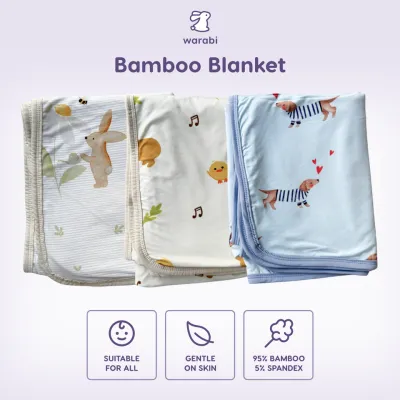
Prices are valid at publication and may change. Please refer to the product page for the latest price.
Evaluating Play Mat Construction and Safety Benchmarks
When analyzing premium play mats, caregivers must examine both the surface material and the internal cushioning core to ensure the product delivers on its promises of safety and longevity.

Assessing Core Cushioning and Surface Layers
The internal core of a high-quality play mat is engineered to distribute and dissipate impact forces, protecting infants from hard subfloors like concrete, tile, or hardwood. Dwinguler mats generally utilize a multi-layered, high-density, closed-cell foam structure. Unlike cheap open-cell foams that collapse completely under pressure, closed-cell polymer structures trap microscopic pockets of air within independent walls, providing consistent resistance and excellent shock absorption. This structural design ensures that when an infant falls, the kinetic energy is distributed laterally across the mat rather than being transmitted directly back to the child’s body.
The outer surface layer of the mat plays an equally important role in daily use, acting as the primary barrier against spills, dirt, and friction. This layer is typically constructed from a durable, non-toxic polymer like specialized PVC or TPU, which provides a completely waterproof and wipeable surface. The surface texture is often embossed with a fine, slip-resistant pattern that aids in sensory development and provides traction for crawling infants. To understand the exact composition of a specific model, you should check the product description, user manual, or physical packaging, as material formulations can vary between standard play mats, folding mats, and reversible designs.
Key Safety Markers to Verify on Product Specs
Because play mats are used intensively during an infant’s first years, verifying the chemical safety of the materials is of utmost importance. Caregivers should actively look for specifications confirming the absolute absence of harmful plasticizers, heavy metals, and industrial chemicals. Specifically, ensure the mat is certified free from endocrine-disrupting phthalates (such as DEHP, DBP, BBP, DINP, DIDP, and DNOP), bisphenol A (BPA), lead, mercury, cadmium, and antimony. These substances are restricted under international toy safety regulations because they can leach out of materials over time, especially when exposed to warmth, friction, or infant saliva.
In addition to chemical purity, low-VOC manufacturing is a critical benchmark for indoor air quality. High-quality manufacturers use physical foaming agents or advanced thermal bonding processes rather than chemical solvents to expand the foam core, significantly reducing or eliminating the chemical off-gassing common in lower-end foam products. When reviewing product specifications, look for compliance with rigorous international standards, such as the European Toy Safety Standard (EN71), the US Consumer Product Safety Improvement Act (CPSIA), or independent testing certifications from global laboratories like SGS. Always cross-reference the manufacturer’s claims by checking the product packaging, official website, or requesting the complete safety compliance certificate from the distributor.
Assessing Blanket Fabrics for Comfort and Skin Safety
Children’s blankets require a different set of material considerations, focusing primarily on breathability, moisture management, and direct skin compatibility.
Comparing Natural and Synthetic Textile Options
Natural fibers, such as organic cotton or bamboo-derived viscose, are highly regarded for nursery textiles due to their exceptional breathability and moisture-wicking capabilities. Cotton fibers possess a hollow structure that naturally allows air to circulate, helping to regulate the infant’s body temperature and prevent overheating—a crucial benefit in Singapore’s humid climate. Bamboo-derived viscose offers a silk-like softness and natural drape that is highly soothing to sensitive or eczema-prone skin. These natural fibers are also highly biodegradable and generally free from synthetic chemical residues, provided they are sourced from certified organic crops.
In contrast, synthetic fibers like polyester microfiber or fleece are engineered for maximum durability, stain resistance, and thermal retention. Microfiber blankets are composed of extremely fine synthetic threads woven tightly together, creating a plush, lightweight fabric that offers excellent warmth in air-conditioned rooms. Synthetic blankets are highly resistant to stretching, shrinking, and pilling, and they dry much faster than natural fibers after washing. However, synthetic materials do not breathe as freely as natural cotton, which can lead to heat trapping if used in uncooled environments. Caregivers should check the physical care tag or the official online product listing to identify the exact fiber composition and percentages of any Dwinguler blanket before purchasing.
Verifying Dye Safety and Breathability Standards
The safety of a blanket is determined not only by its base fiber but also by the chemical treatments, dyes, and finishes applied during manufacturing. Because infants frequently chew on or cuddle with their blankets, the dyes used must be completely non-toxic, lead-free, and highly colorfast to prevent chemical transfer via saliva or sweat. Look for products that utilize water-based, baby-safe pigments and avoid chemical flame retardants, formaldehyde finishes, or harsh fabric softeners, which are common culprits behind infant skin irritation and respiratory issues.
To verify these safety claims, look for independent textile certifications, with the Oeko-Tex Standard 100 being the global benchmark. Specifically, ensure the blanket meets “Product Class 1” requirements, which is the strictest certification level designed specifically for babies and toddlers up to three years old. This certification guarantees that every thread, dye, and accessory used in the blanket has been rigorously tested for over 300 harmful substances. When purchasing, look for the Oeko-Tex label on the product packaging or physical tag, and verify the unique certificate or license number on the official Oeko-Tex website to ensure the certification is active and genuine.
How to Cross-Check Material Claims and Certifications
In an industry where marketing terms like “organic,” “non-toxic,” and “eco-friendly” are frequently used without oversight, caregivers must know how to cross-check and verify a brand’s material claims.
The first step is to examine the physical product labels and care tags immediately upon receiving the item. In many jurisdictions, including Singapore, consumer protection laws require textile products and children’s goods to carry physical labels detailing their exact fiber or material composition, country of manufacture, and care instructions. If a product listing on an online marketplace or third-party retailer lacks a detailed material breakdown, do not rely on vague descriptions. Contact the manufacturer or local distributor’s customer support directly and request a Technical Data Sheet (TDS) or a copy of their safety testing reports.
When verifying third-party certifications, always look for specific license or certificate numbers rather than generic logos. For instance, if a product claims to be Oeko-Tex certified or compliant with European EN71 standards, the manufacturer should be able to provide the corresponding test report number or certificate ID. You can input these numbers directly into the public databases maintained by the certifying bodies (such as the Oeko-Tex Label Check or the SGS Certified Product database) to confirm that the certification is valid, currently active, and covers the specific model or material batch you are purchasing. If a brand refuses to provide these details or if the physical tags lack legally required material disclosures, treat the product with caution.
Material-Specific Care and Maintenance Frameworks
To preserve the integrity, safety, and lifespan of your nursery essentials, you must implement appropriate, material-specific cleaning routines. Using incorrect cleaning agents or methods can degrade the protective coatings of play mats or ruin the delicate fibers of blankets.
For play mats constructed from PVC or TPU, maintenance should focus on gentle, non-abrasive cleaning to protect the waterproof surface layer. For routine cleaning, wipe the surface with a soft microfiber cloth dampened with lukewarm water and a highly diluted, pH-neutral, baby-safe soap. Gently wipe away spills, drool, or dust, and then wipe again with a clean, damp cloth to remove any soap residue. Avoid using harsh chemical solvents, bleach, alcohol-based sanitizers, or abrasive scrubbing pads, as these substances can strip the protective UV coating, cause the polymer to dry out and crack, or lead to permanent discoloration. Additionally, ensure the subfloor beneath the mat is completely dry before laying the mat down; trapped moisture in humid environments can lead to mold and mildew growth on both the floor and the underside of the mat. Keep the mat away from direct heat sources, such as space heaters or direct, prolonged sunlight, which can warp the foam core.
For blankets, washing protocols must align with the specific fiber composition indicated on the care tag. Natural fiber blankets, such as those made from organic cotton, should be machine washed in cold water on a gentle or delicate cycle using a mild, fragrance-free baby detergent. To prevent shrinkage and preserve the natural softness of the fibers, air drying on a flat rack or clothesline in a well-ventilated area is highly recommended. If you must use a dryer, select a no-heat or low-heat air fluff cycle. For synthetic blankets, such as polyester microfiber, you may use a standard warm water wash, but avoid fabric softeners, which can coat the synthetic fibers and reduce their breathability. Tumble dry synthetic blankets on low heat; high heat must be avoided as it can melt or distort the microfibers, resulting in a rough, scratchy texture that can irritate an infant’s skin.
Always remember that any deep cleaning, machine washing, or stain removal must strictly follow the specific care label provided by Dwinguler on the physical product. If the care label is missing, faded, illegible, or conflicts with online descriptions, stop the cleaning process immediately and consult the manufacturer’s customer service department. Never attempt to use unapproved heat treatments, dry cleaning solvents, or harsh stain removers, as these can permanently damage the materials, void the product warranty, and introduce chemical residues that compromise your child’s safety.
Community discussion
Share your experience or ask a question. Comments are reviewed before publication.