
The “E27” label on a light bulb refers to its physical base type, specifically an Edison screw with a 27-millimeter diameter. While identifying the base is the first step in finding a replacement, ensuring it safely and correctly fits your existing fixture requires checking physical clearances, electrical limits, and functional compatibility. This guide breaks down what the specification means and how to verify your fixture before purchasing a new bulb.
What the E27 Base Specification Actually Means
The letter “E” in the E27 specification stands for Edison screw, named after Thomas Edison, who developed this threaded mounting system. The number “27” indicates the outer diameter of the screw thread in millimeters. Together, these identifiers designate a standard medium screw base, which is one of the most common light bulb connections found in residential properties globally.
Visually, an E27 base features a threaded metal cylinder that screws directly into a matching socket. The base has a single contact point at the bottom and uses the threaded metal sleeve as the second contact, providing a secure mechanical hold and a reliable electrical connection.
Products mentioned in this guide
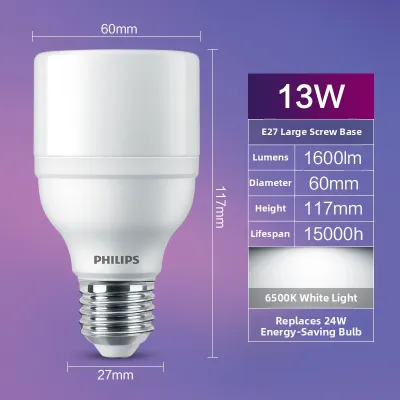
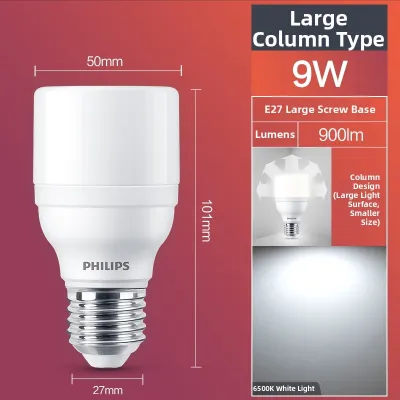
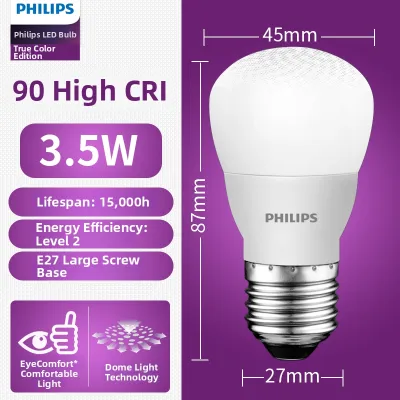
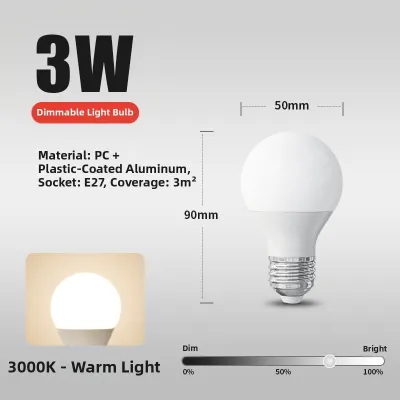
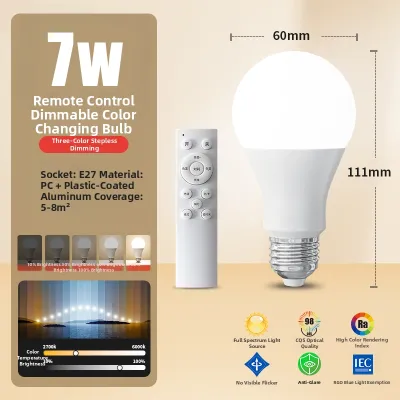
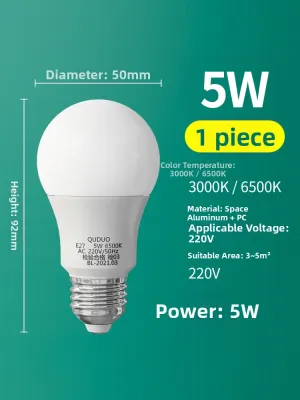
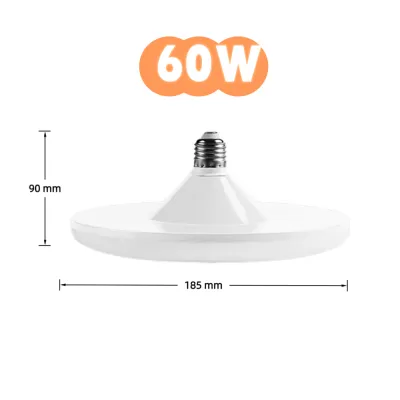
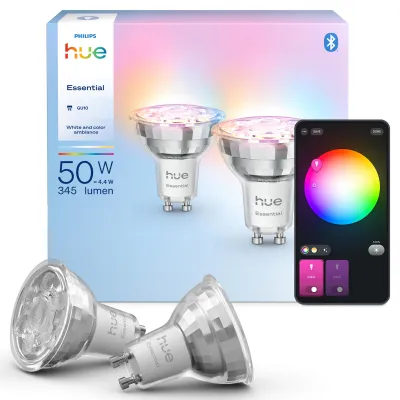
Prices are valid at publication and may change. Please refer to the product page for the latest price.
It is easy to confuse the E27 base with other common bases. For instance, the E14 base is a much smaller screw thread, measuring only 14 millimeters in diameter, typically used for decorative chandeliers or small bedside lamps. On the other hand, the B22 bayonet base does not use threads; instead, it features a smooth metal sleeve with two small pins on opposite sides that lock into place with a push-and-twist motion. Recognizing these differences prevents purchasing a bulb that cannot physically interface with your light fixture.
How to Verify E27 Compatibility With Your Existing Fixture
Before purchasing a replacement bulb, verifying that your fixture is designed for an E27 base is essential. The most direct way to confirm this is by inspecting the bulb you are replacing. Look closely at the metal base of the old bulb or the markings printed on the glass; manufacturers almost always print the base type, voltage, and wattage directly on the bulb’s surface.

If the old bulb is missing, examine the light fixture itself. Most fixtures feature a small safety label inside the socket cup or on the mounting bracket. This label typically lists the compatible socket type, such as “E27,” along with safety limits. If you cannot find any labels, you can measure the socket manually. Ensure the power is completely turned off at the wall switch, then use a ruler or caliper to measure the inner diameter of the socket opening. A measurement of approximately 27 millimeters indicates an E27 socket.
Physical compatibility extends beyond the screw thread itself. You must also consider the overall dimensions of the replacement bulb relative to the fixture’s design. Standard E27 bulbs come in various shapes, including classic pear-shaped A60 bulbs, large globe shapes, or slim stick designs. If your fixture features an enclosed glass globe, a narrow fabric shade, or a recessed downlight canister, measure the available clearance. A bulb with a matching E27 base might still fail to fit if its outer glass envelope is too wide or too long for the fixture’s housing.
Key Electrical and Safety Checks Before Installing
Ensuring physical fit is only half the battle; electrical compatibility is critical to prevent safety hazards and ensure the longevity of your lighting. First, check the maximum wattage rating of your light fixture, which is typically printed on the socket label. While modern LED bulbs draw significantly less power than traditional incandescent bulbs, you must still ensure the actual power draw (measured in watts) does not exceed the fixture’s limit. Exceeding this limit can cause excessive heat buildup, damaging the socket wiring or the fixture itself.
Next, verify that the bulb’s rated voltage matches your local mains supply. In Singapore, the standard residential electrical supply operates at 220-240V. When buying E27 bulbs, check the packaging or the bulb base to ensure it is rated for 220-240V or labeled as “universal voltage” (100-240V). Installing a bulb rated strictly for 110-120V systems into a local socket will cause the bulb to fail instantly and can create a serious electrical hazard.
Dimming compatibility is another crucial factor. If your fixture is connected to a wall dimmer switch, you must purchase an E27 bulb that is explicitly labeled as “dimmable.” Standard LED bulbs are not designed to handle the altered electrical signals from dimmer switches, leading to performance issues or permanent damage to the bulb’s internal driver.
Finally, consider the operating environment of the fixture. If you are installing the bulb in an enclosed fixture where air cannot circulate freely, look for bulbs rated for enclosed use. Heat buildup in unventilated spaces is the primary cause of premature LED failure. For any installations involving fixed wiring modifications, damp environments like bathrooms, or working at heights, always isolate the power at the main distribution board and follow the manufacturer’s instructions, or consult a qualified professional to ensure safety.
Choosing the Right E27 LED Bulb for Your Space
Once you have confirmed physical and electrical compatibility, you can focus on selecting the ideal E27 LED bulb to suit your functional and aesthetic needs. Because LEDs are highly energy-efficient, you should look at lumens rather than wattage to determine brightness. Lumens measure the actual amount of light emitted. For example, if you want to replace a traditional 60-watt incandescent bulb, look for an E27 LED bulb that delivers approximately 800 lumens.
Color temperature, measured in Kelvin (K), determines the warmth or coolness of the light and significantly impacts the mood of a room. For living rooms, bedrooms, and dining areas, a warm white light (around 2700K to 3000K) creates a cozy, inviting atmosphere. For task-oriented spaces such as home offices, kitchens, or study areas, a cool white light (around 4000K) or daylight (6000K to 6500K) provides crisp, clear illumination that aids concentration and visibility.
If you are interested in smart home integration, many E27 LED bulbs offer smart features, including wireless dimming, color-changing capabilities, and scheduling. Before purchasing, verify whether the smart bulb connects directly to your home Wi-Fi network or Bluetooth, or if it requires a dedicated smart hub. Checking app compatibility with your existing smartphone or smart home ecosystem ensures a seamless setup process.
Frequently Asked Questions (FAQ)
Can I use an E26 bulb in an E27 socket?
Physically, an E26 bulb (26mm diameter) can often screw into an E27 socket (27mm diameter) because the 1mm difference is minimal. However, they are designed for different electrical standards. E26 bulbs are typically manufactured for North American 120V electrical systems, while E27 bulbs are designed for 220-240V systems used in Singapore and other regions. Screwing a 120V E26 bulb into a 240V E27 socket will overload the bulb, causing it to burn out immediately and potentially creating a fire or shock hazard. Always verify the printed voltage rating on the bulb base before installation.
Why does my E27 LED bulb flicker or buzz?
Flickering or buzzing in an E27 LED bulb is usually caused by compatibility issues with a dimmer switch. Traditional wall dimmers designed for high-wattage incandescent bulbs often do not work correctly with the low power draw of modern LED bulbs. Other potential causes include loose connections within the socket or a failing internal driver inside the bulb. To resolve this, check the dimmer switch’s manufacturer guidelines for LED compatibility, or replace the older switch with a modern trailing-edge dimmer designed specifically for LED lighting.
Community discussion
Share your experience or ask a question. Comments are reviewed before publication.