
Selecting an effective mosquito coil for a Singapore HDB flat or condominium requires balancing pest control efficacy with the realities of high-rise, compact living. While traditional coils are highly effective at keeping mosquitoes at bay, their performance depends heavily on matching their active ingredients and smoke levels to the specific ventilation patterns of your home. In a dense residential environment, a coil that works perfectly on a breezy balcony might cause discomfort or soot buildup if used in an enclosed living room.
To find the right balance, you must look beyond brand names and evaluate the chemical formulations, smoke densities, and physical safety accessories of these products. Understanding how airflow interacts with active ingredients will help you maintain a mosquito-free home without compromising your indoor air quality or safety.
Understanding Mosquito Coil Effectiveness in Compact Spaces
Mosquito coils operate through a process of slow, smoldering combustion. The body of the coil, typically composed of organic binders like wood flour, coconut shell powder, or charcoal, burns at a controlled temperature of around 300°C to 400°C. This heat does not destroy the active ingredients; instead, it volatilizes them, allowing them to evaporate into the air alongside the rising smoke. Once airborne, these active agents create a protective zone that either repels or incapacitates flying insects.
Products mentioned in this guide
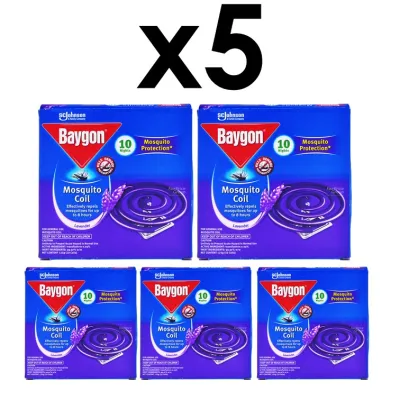
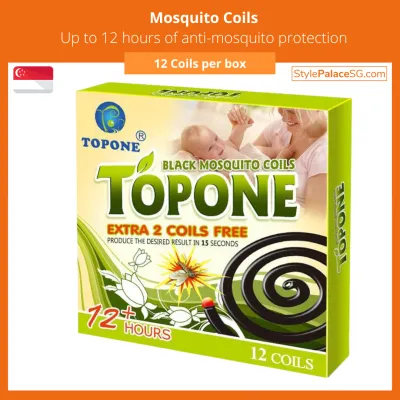
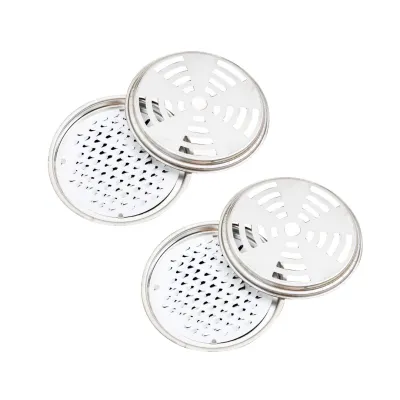

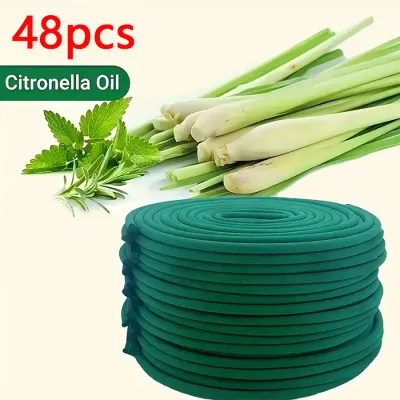
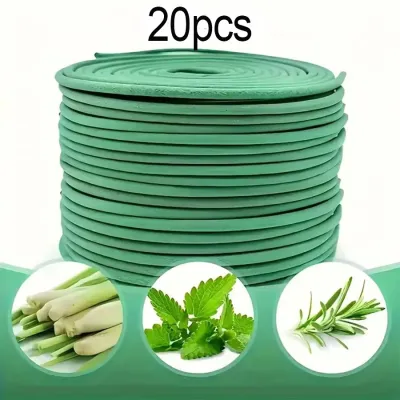
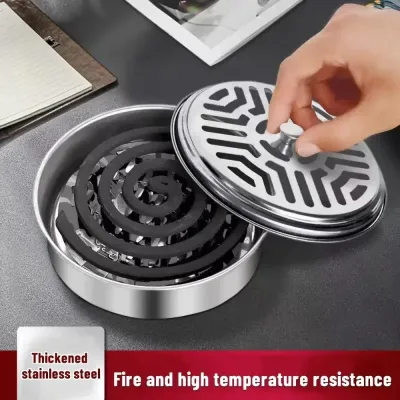
Prices are valid at publication and may change. Please refer to the product page for the latest price.
In Singapore’s high-rise HDB flats and condominiums, local wind dynamics play a massive role in how these active ingredients disperse. High-rise buildings create localized pressure differentials, often resulting in strong cross-ventilation or “wind tunnel” effects through living rooms and common corridors. While this breeze is excellent for cooling your home naturally, it can quickly sweep away the active ingredients of a mosquito coil before they can form a protective barrier. Conversely, on the leeward or sheltered side of a building, air can stagnate, causing smoke to pool and accumulate to uncomfortable levels.
To choose the right product, you must understand the distinction between “knockdown” power and “spatial repellency.” Knockdown refers to the rapid paralysis and elimination of mosquitoes upon contact with the active ingredient, which is crucial in high-density areas or active dengue clusters. Spatial repellency, on the other hand, focuses on creating an invisible chemical barrier that masks host cues—such as carbon dioxide and lactic acid—making the area unappealing or undetectable to mosquitoes. While synthetic chemical coils excel at rapid knockdown, natural or botanical formulations are primarily designed for spatial repellency.
Many homeowners mistakenly assume that a longer burn time equates to a wider coverage area. In reality, a standard 8-hour coil and an extended 12-hour coil of the same formulation release the same concentration of active ingredients per minute. The only difference is the physical length of the coil. In a breezy corridor or open balcony, a longer-burning coil will not expand your protective radius; it will simply maintain that localized barrier for a longer duration. Therefore, spatial coverage is determined by wind speed and placement, while burn time should be matched to how long you intend to occupy the space.
Matching Coil Types to Your Living Zones
Because different areas of an HDB flat or condo experience vastly different airflow rates, a single type of mosquito coil is rarely suitable for the entire home. Matching the formulation and smoke output of the coil to the specific ventilation profile of each living zone ensures maximum protection and comfort.

Micro-Smoke and Standard Coils for Balconies, Patios, and Corridors
Semi-outdoor areas like balconies, service yards, and HDB common corridors are highly vulnerable to mosquito intrusion, but they also benefit from constant fresh air. For these high-ventilation zones, standard and micro-smoke coils containing synthetic pyrethroids—such as transfluthrin, metofluthrin, or d-allethrin—are highly effective. These synthetic compounds target the nervous systems of insects, providing the rapid knockdown power needed to stop mosquitoes before they can slip through an open sliding door.
Standard green or black coils produce a visible stream of smoke, which serves as a practical visual indicator of wind direction. By observing the smoke path, you can easily determine where the active ingredients are drifting and adjust the coil’s position accordingly. Micro-smoke variants, which typically utilize a refined charcoal base, offer a middle ground by releasing the same synthetic active ingredients with significantly less visible soot and odor, making them ideal for smaller condo balconies where heavy smoke might drift into a neighbor’s living room.
Strategic placement is essential to maximize the effectiveness of these coils in windy semi-outdoor spaces. Never place a coil directly in the path of a strong draft, as the wind will instantly dilute and carry the active ingredients away. Instead, position the coil upwind of your seating area, tucked slightly behind a planter, a low wall, or a piece of outdoor furniture. This partial shielding creates a localized slipstream, allowing the active ingredients to pool gently around your feet and ankles—the primary target areas for mosquitoes—before dispersing.
Elevation also affects how well the protective barrier forms. Because mosquitoes typically fly low to the ground, placing a coil directly on the floor is highly effective, but it increases the risk of accidental kicks or tripping. Elevating the coil to a height of 30 to 50 centimeters on a low outdoor stool or side table keeps it safe from foot traffic while ensuring the volatilized active ingredients disperse at the optimal height to protect your lower limbs.
Low-Odor, Natural, and Herbal Coils for Indoor and Enclosed Spaces
When dealing with indoor areas like living rooms, dining spaces, or kitchens, heavy smoke and harsh chemical odors are highly undesirable. Standard wood-based coils can quickly degrade indoor air quality, leaving fine soot on white walls and causing respiratory irritation for sensitive individuals. For these enclosed environments, low-odor, natural, or herbal coils are the preferred choice.
These indoor-friendly variants often replace synthetic pyrethroids with plant-derived essential oils such as citronella, lemongrass, cedarwood, or eucalyptus. Instead of relying on a standard wood sawdust base, many use a refined carbon or charcoal base that burns with minimal visible smoke. These natural formulations prioritize spatial repellency and user comfort, creating a pleasant, aromatic barrier that deters mosquitoes from entering the room without releasing heavy chemical fumes.
However, using natural and low-smoke coils indoors requires a clear understanding of their performance trade-offs. Because botanical oils act primarily as repellents rather than fast-acting insecticides, they will not immediately kill mosquitoes that are already inside your home. Instead, they encourage the insects to seek an exit. Furthermore, even “low-smoke” or “smokeless” coils consume oxygen and release trace amounts of carbon monoxide and fine particulate matter during combustion.
To use these coils safely indoors, you must maintain baseline ventilation. Never burn any combustible coil in a completely sealed, unventilated room. Keep at least one window and an opposite door slightly ajar to facilitate a gentle cross-breeze. This continuous air exchange prevents the buildup of combustion byproducts while allowing the natural aromatic compounds to circulate effectively throughout the living space, doubling as a mild ambient home fragrance.
Safety, Ventilation, and Choosing the Right Burner
Burning any combustible material inside a dense residential building requires strict adherence to fire safety protocols and community guidelines. Selecting the right physical accessories and understanding how to manage a live ember are just as important as choosing the right coil formulation.
- Burner and Holder Selection: The basic, serrated metal stands included in most retail boxes are highly unstable and offer no protection against falling ash. For a safer experience, invest in a dedicated ceramic, terracotta, or heavy metal burner with a secure, vented lid. These specialized burners contain the hot ash, prevent pets or children from touching the hot ember, and shield the coil from sudden drafts that could accelerate the burn rate. Some modern burners utilize a non-combustible fiberglass mesh pad inside a tin container, allowing the coil to lie completely flat and burn safely without a central spindle.
- Fire Safety in Compact Spaces: HDB flats and condominiums often feature dense layouts with limited floor space. Always maintain a clear safety perimeter of at least 1 meter around a burning coil. Ensure the burner is placed on a flat, stable, heat-resistant surface such as ceramic tile, concrete, or a metal tray. Keep the burning coil far away from highly flammable household items, including curtains, tablecloths, newspapers, and laundry drying racks where synthetic fabrics could easily catch fire or melt.
- HDB Corridor Considerations: In Singapore, shared common corridors are vital escape routes during emergencies. The Singapore Civil Defence Force (SCDF) mandates a minimum clear escape passage of 1.2 meters along these corridors. If you choose to burn a mosquito coil outside your unit to create a barrier at your front door, ensure the burner does not obstruct the walkway, present a tripping hazard, or block access to fire hydrants and dry risers. Additionally, be mindful of your neighbors; position the coil so that drifting smoke does not flow directly into their open windows or louvered doors.
- Ventilation Best Practices: Cross-ventilation is the golden rule of indoor coil usage. Avoid burning any combustible coil in a sealed, air-conditioned bedroom while you are sleeping. If you wish to protect a bedroom before bedtime, burn the coil with the windows wide open for 1 to 2 hours early in the evening. Once the room is clear of pests, extinguish the coil completely, close the windows, and turn on your air conditioner or fan.
A Practical Buying Checklist for Compact Homes
Before purchasing a pack of mosquito coils, take a moment to evaluate the packaging and specifications to ensure the product matches your specific living environment and safety setup.
- Active Ingredient Verification: Check the active ingredients listed on the back of the box. If you live near an active dengue cluster or have a high mosquito population on a lower-floor balcony, look for synthetic pyrethroids like transfluthrin or metofluthrin for maximum knockdown power. If you are looking for mild, daily indoor protection and prefer a pleasant scent, opt for botanical formulations featuring citronella, eucalyptus, or lemongrass oil.
- Smoke and Odor Indicators: Look for clear labeling terms such as "micro-smoke," "low-smoke," "charcoal base," or "fragrance-free" if you plan to use the coils in semi-enclosed areas like service yards or kitchens. Standard wood-base coils should be reserved strictly for open, high-airflow balconies or outdoor patios.
- Burn Duration vs. Coil Size: Standard household coils typically measure 10 to 12 centimeters in diameter and offer a burn time of 8 hours, which is ideal for evening use. Avoid purchasing oversized, heavy-duty agricultural coils (often rated for 12 to 24 hours) for HDB or condo use. These larger coils release a much higher volume of smoke, are difficult to fit into standard household burners, and can quickly overwhelm compact residential spaces.
- Accessory Inclusion: For first-time buyers, check if the packaging includes a reusable safety tray or a basic burner. If you do not already own a heavy-duty ceramic or metal burner, budget an additional S$10 to S$25 to purchase a high-quality, lidded burner separately to ensure safe operation from day one.
Frequently Asked Questions (FAQ)
Are natural mosquito coils as effective as chemical ones?
Natural mosquito coils utilizing plant-derived essential oils like citronella or lemongrass are highly effective at repelling mosquitoes, but they operate differently than chemical ones. Natural formulations work primarily as spatial repellents by masking the scents that mosquitoes use to find hosts, encouraging them to fly away. They generally lack the rapid knockdown power of synthetic pyrethroids like transfluthrin, which physically incapacitate and kill the insects on contact. For low-density indoor areas or households with high chemical sensitivities, natural coils are an excellent choice, but synthetic coils remain more reliable for high-density outdoor zones or active dengue areas.
Is it safe to leave a mosquito coil burning overnight in an HDB bedroom?
It is strongly advised not to leave any combustible mosquito coil burning overnight in a closed HDB or condo bedroom while you sleep. Continuous combustion in an enclosed space leads to the accumulation of fine particulate matter (PM2.5) and carbon monoxide, which can cause respiratory discomfort, headaches, and long-term health risks. Additionally, an unattended burning coil poses a significant fire hazard if draft-blown curtains or bedding come into contact with the burner. For overnight protection in sleeping areas, it is much safer to use plug-in liquid vaporizers, install physical window screens, or burn a coil to clear the room earlier in the evening, ensuring it is completely extinguished before you go to bed.
Community discussion
Share your experience or ask a question. Comments are reviewed before publication.