
Selecting the right electric incense burner involves balancing aromatic performance, home safety, and convenience. Unlike traditional charcoal burners that rely on direct combustion, electric models use controlled heating elements to gently release fragrances without producing heavy smoke. This makes them highly suitable for modern apartments in Singapore, where minimizing indoor smoke and preventing fire hazards are top priorities. To find a model that fits your lifestyle, you must evaluate key specifications such as heating mechanisms, power configurations, and material safety.
By focusing on adjustable temperature settings, build quality, and ease of maintenance, you can enjoy a consistent scent experience while keeping your living space safe. Whether you prefer delicate agarwood chips, resins, or traditional powders, understanding these technical features will guide you to a reliable and durable appliance.
Understanding Heating Methods and Temperature Control
The heating mechanism of an electric incense burner directly dictates which types of incense you can use. Direct heating models feature an exposed metal or ceramic plate where the incense sits directly on the heat source. This design is highly efficient for rapid heat transfer, making it ideal for solid wood chips, bakhoor, and compressed tablets. Conversely, indirect or convection heating models utilize an air gap or a removable tray to diffuse heat more gently, which is preferable for delicate resins, essential oils, or specialized incense powders that scorch easily under direct heat.
Products mentioned in this guide
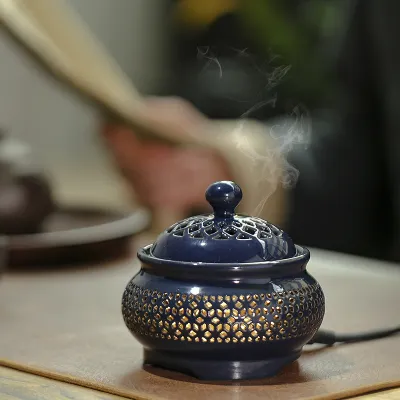
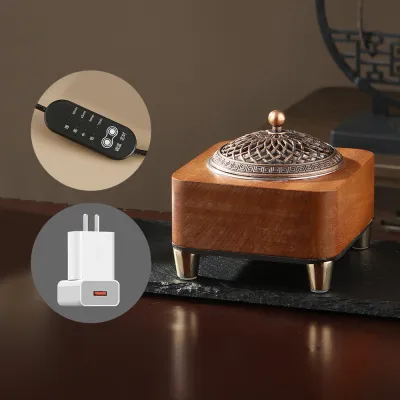
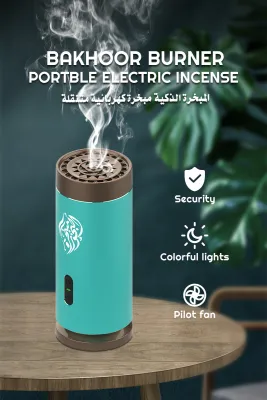
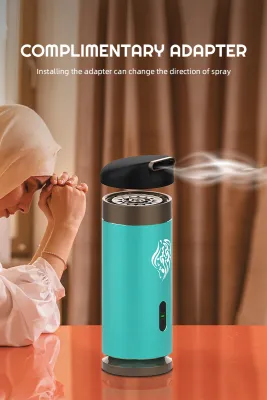
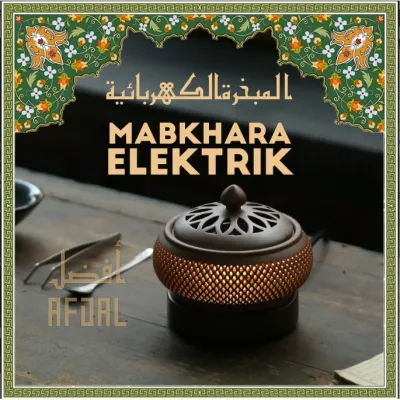
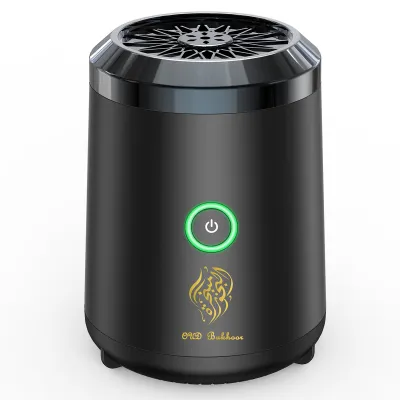
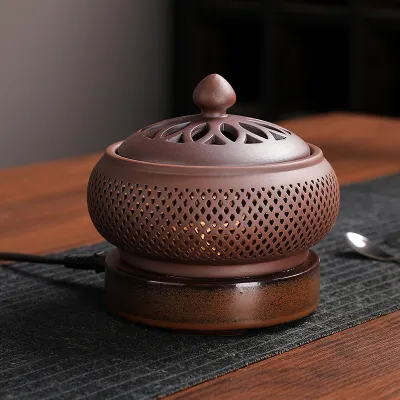
Prices are valid at publication and may change. Please refer to the product page for the latest price.
Adjustable temperature control is one of the most critical features to look for when purchasing. Different incense materials release their aromatic compounds at distinct temperature thresholds; for instance, delicate floral botanicals require much lower temperatures than dense, resinous wood chips. A burner with adjustable settings allows you to fine-tune the heat, preventing the incense from burning too quickly or producing a harsh, acrid smell. This control ensures a cleaner scent profile and extends the lifespan of your incense materials.
Before making a purchase, always check the manufacturer’s specifications for the maximum temperature limits and the explicitly supported incense types. Some entry-level burners operate at a single fixed temperature, which may limit you to only one type of incense or cause incompatible materials to melt and damage the heating element. Ensuring the burner’s temperature range matches your preferred incense format is essential for optimal performance.
Evaluating Power Sources and Placement Flexibility
Deciding between a corded and a cordless electric incense burner depends heavily on where and how often you plan to use the device. Corded, plug-in models offer continuous, uninterrupted runtime, making them excellent for fixed installations such as home altars, living room consoles, or dedicated meditation corners. Because they draw power directly from a wall outlet, you do not have to worry about battery degradation or recharging cycles during extended use.

On the other hand, cordless, rechargeable battery-operated models provide unmatched portability. They allow you to move the burner easily from room to room, which is highly convenient if you like to scent your bedroom before sleep or clear the air in the kitchen after cooking. However, cordless models require regular recharging, so it is important to consider battery capacity and overall runtime per charge.
When evaluating these options, pay close attention to the physical specifications of the power system. For corded models, verify the cord length and check if the plug matches your local outlet standards without requiring bulky adapters. For rechargeable models, look for modern charging interfaces like USB-C for maximum compatibility with your existing household cables, and check the product packaging for clear battery life indicators so you are never left with a dead device mid-session.
Assessing Build Materials, Safety, and Ash Management
The materials used to construct an electric incense burner affect both its durability and how safely it handles high temperatures. High-quality ceramic and metal exteriors, such as brass or anodized aluminum, offer excellent heat resistance and a classic aesthetic that blends well with home decor. However, because these materials conduct heat, look for double-walled construction or insulated handles that remain cool to the touch during operation. Heat-resistant plastics are lighter and often cooler on the exterior, but they must be rated for high-temperature use to prevent warping or off-gassing.
Safety certifications and built-in protection mechanisms are non-negotiable when choosing an electrical heating appliance. In Singapore, ensure the device complies with local electrical safety standards and carries recognized certification marks. Essential safety features to verify on the product label include an auto-shutoff timer—which automatically powers down the heating element after a set period—overheat protection, and a tip-over switch that cuts power instantly if the burner is accidentally knocked over.
Effective ash and residue management is another key factor for hassle-free ownership. Look for burners featuring removable metal trays or ash catchers, which make disposing of spent wood chips or resin crusts straightforward. Enclosed, windproof designs with perforated lids are highly recommended for households with ceiling fans or open windows, as they prevent drafts from scattering fine ash across your furniture. Finally, ensure the burner has a wide, stable, and slip-resistant base to prevent accidental spills on polished wood or fabric surfaces.
Frequently Asked Questions (FAQ)
Can I use traditional charcoal-heated incense in an electric burner?
No, you should not use raw charcoal or incense designed strictly for charcoal combustion in an electric burner unless the manufacturer explicitly states it is supported. Traditional charcoal burns at extremely high temperatures and relies on direct combustion, whereas electric burners are engineered for gentle, smokeless evaporation. Placing burning charcoal or incompatible raw resins directly onto an electric heating plate can cause permanent thermal damage, melt the internal electrical components, or create excessive, hazardous smoke that can damage your home’s indoor air quality.
How do I safely clean the heating plate without damaging it?
To clean the heating plate safely, always begin by isolating the power source: unplug the burner from the wall outlet or ensure the device is completely powered off, and allow it to cool down entirely. Once the heating element is cold, consult your user manual for approved cleaning methods. Typically, you can gently wipe the plate with a dry or slightly damp microfiber cloth to remove residue. Never use abrasive scrubbers, metal scrapers, or harsh chemical solvents, and avoid pouring water or liquid cleaners directly onto the heating element, as moisture can penetrate the housing and cause a dangerous electrical short circuit.
Community discussion
Share your experience or ask a question. Comments are reviewed before publication.