
Quick Answer: Which Smokeless Incense Option Should You Choose?
Deciding between an electric incense burner and smokeless incense sticks depends on how you define a smoke-free environment and how you prefer to interact with home fragrance. Electric incense burners utilize an internal heating element to gently warm raw materials like resins, wood chips, or powders. Because this process avoids combustion entirely, it delivers a true zero-smoke experience, preserving the purest scent profile of the raw material without producing ash, carbon monoxide, or soot.
In contrast, smokeless incense sticks are combustible products formulated with specialized charcoal bases and natural binders designed to minimize visible smoke. While they drastically reduce the typical plume associated with traditional incense, they still burn, meaning they produce a tiny amount of micro-smoke, fine ash, and combustion byproducts.
If your priority is absolute zero smoke, precise temperature control, and a clean environment free of falling ash, an electric burner is the superior choice. If you prefer quick, ritualistic setups, portability, and traditional aesthetics without being tethered to a wall outlet, smokeless incense sticks are the more practical option. Your final decision will rest on your access to power outlets, your maintenance tolerance, and any specific health or housing constraints within your living space.
Products mentioned in this guide
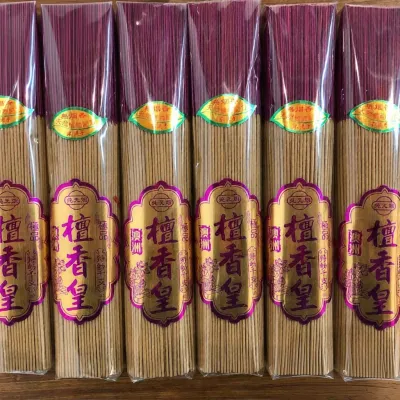
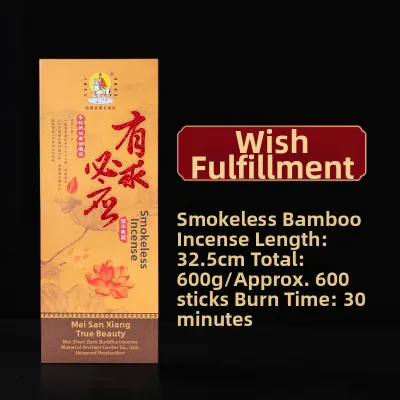
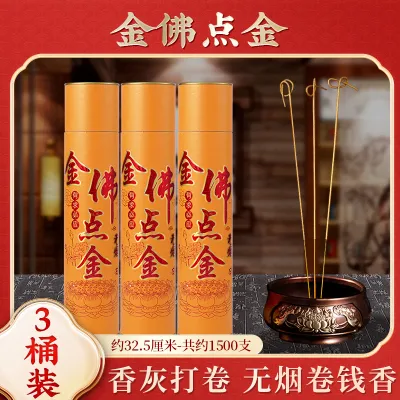
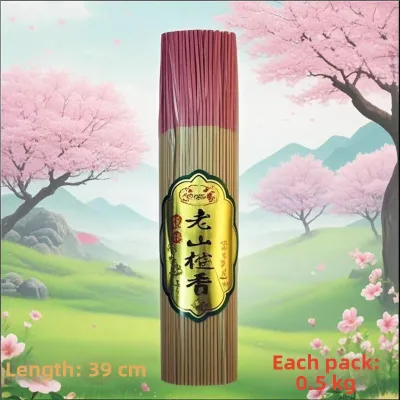
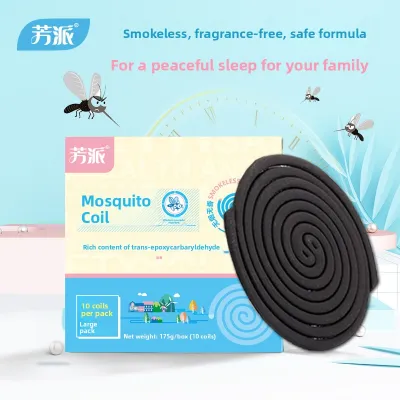
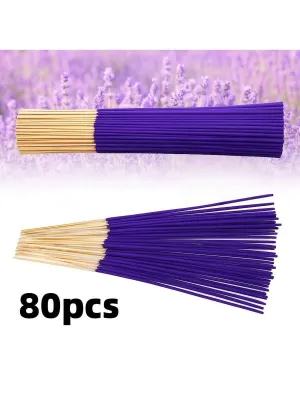
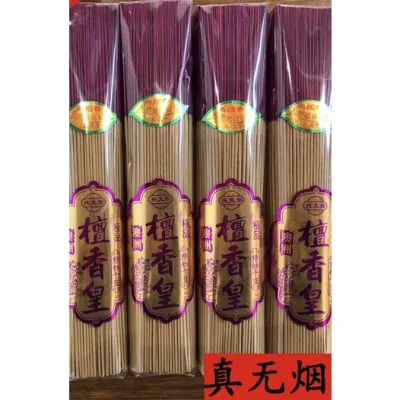
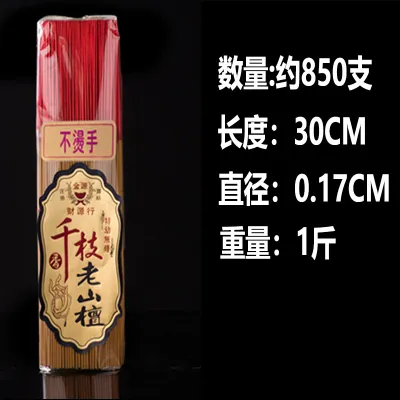
Prices are valid at publication and may change. Please refer to the product page for the latest price.
Understanding the Technology: Heating vs. Low-Smoke Combustion
To make an informed choice, it is essential to understand the physical and chemical differences between these two methods of scent dispersion. The two technologies operate on entirely different scientific principles, which directly impacts the air quality, scent purity, and safety of your home.

Electric Incense Burners
Electric incense burners function as miniature, specialized ovens. They feature a ceramic or metal heating plate powered by electricity, often accompanied by an adjustable thermostat dial that allows users to set temperatures ranging from 50°C to over 250°C.
When you place raw materials—such as agarwood (oud) chips, sandalwood powder, or frankincense resin—onto the heating plate, the device raises the temperature just enough to vaporize the essential oils locked within the material. Because the temperature remains below the ignition point of wood, no combustion occurs. This thermal extraction releases a highly pure, unburnt aroma, leaving the physical structure of the wood or resin intact but depleted of its aromatic oils.
Smokeless Incense Sticks
Smokeless incense sticks rely on traditional combustion but modify the fuel source to alter the physical output. Standard incense sticks use a wood-based paste that releases substantial smoke, particulate matter, and tar when burned. Smokeless varieties replace this smoky wood paste with a highly refined charcoal base, often bound together with natural, low-smoke binders like tabu-noki wood powder.
When ignited, the charcoal base burns at a highly controlled, consistent temperature. It sustains an active ember that vaporizes the infused fragrance oils while producing almost no visible smoke plumes. However, because a physical flame is required to start the process and the stick slowly consumes itself into ash, combustion is still taking place. This process inevitably releases trace amounts of carbon dioxide, microscopic particulates, and heat into the immediate surrounding air.
Key Comparison Dimensions for Modern Living
Living in high-density urban environments, such as apartments, HDB flats, or condominiums, introduces unique challenges for home scenting. Factors like ventilation, safety, maintenance, and cost play a significant role in determining which option fits into your daily routine.
Air Quality and the "Smokeless" Reality
For households prioritizing respiratory health, the distinction between “zero smoke” and “low smoke” is critical. Electric incense burners offer a genuine zero-smoke operation. Since there is no combustion, they do not release carbon monoxide, nitrogen dioxide, or heavy particulate matter into your living room. This makes electric burners highly suitable for individuals with asthma, allergies, or other respiratory sensitivities, as well as for small, enclosed study rooms or bedrooms where air circulation might be limited.
Smokeless incense sticks represent a massive improvement over traditional incense, reducing visible smoke by up to 90%. They eliminate the stinging eye irritation and heavy, lingering campfire smell often associated with temple-grade sticks. However, they are not completely emission-free. The burning charcoal still releases fine particulate matter (PM2.5) into the air. If you choose to burn smokeless sticks, maintaining a slight cross-breeze or keeping a window cracked open is still highly recommended to prevent localized indoor air stagnation.
Safety, Pets, and Apartment Constraints
Safety is a paramount consideration in modern high-density housing, where sensitive optical smoke detectors are increasingly common. Electric incense burners eliminate the risk of open flames and stray embers. There is no danger of a sudden draft blowing a glowing spark onto nearby curtains or paper documents. However, the heating plate of an electric burner does become extremely hot during operation. It must be placed on a stable, heat-resistant surface out of reach of curious pets and young children who could accidentally touch the hot metal or ceramic element.
Smokeless sticks carry the inherent risks of any combustible item. They require an active ember that burns down over 20 to 40 minutes, leaving behind hot ash. If a burning stick is knocked over by a pet or a sudden gust of wind from an open balcony, it poses a direct fire hazard. Additionally, while smokeless sticks are unlikely to trigger modern apartment smoke alarms when used individually in average-sized rooms, burning multiple sticks simultaneously in a small, unventilated space under a sensitive optical detector can still trigger an alarm due to the invisible particulate emissions.
Convenience, Maintenance, and Setup
Daily usability often dictates whether a home fragrance method becomes a lasting habit or sits forgotten in a cupboard. Smokeless incense sticks offer unmatched grab-and-go convenience. They require no electrical outlets, cords, or warm-up times. You simply place a stick in a holder, light the tip, blow out the flame, and enjoy the fragrance. The only maintenance required is occasionally emptying the accumulated ash from your burner plate or holder.
Electric burners require a more deliberate setup. They must be positioned near a safe power outlet, and users must manage cords, which can be an aesthetic drawback or a tripping hazard. Furthermore, cleaning an electric burner requires regular attention. As resins heat up, they melt into a sticky, tar-like residue on the heating plate. If this residue is not cleaned regularly, it can bake onto the surface, reducing heating efficiency and creating a bitter, burnt smell during subsequent uses. Many users bypass this by using disposable aluminum foil cups on the heating plate, which adds an extra step to the preparation process.
Scent Variety, Throw, and Long-Term Value
If you appreciate the complex, nuanced notes of raw aromatics, the electric burner is an exceptional tool. It allows you to experience the true, unadulterated scent of premium raw materials like wild agarwood chips, sandalwood powder, or natural frankincense tears. Because you control the temperature, you can gently coax out different scent notes over several hours. While the initial investment for a high-quality electric burner can range from S$40 to over S$150, the ongoing cost can be economical, as raw wood chips can be heated multiple times before their oils are fully exhausted.
Smokeless incense sticks offer pre-blended, highly consistent fragrance profiles. Manufacturers mix various natural and synthetic oils to create specific moods, from calming lavender to traditional woody blends. Because the heat of the burning ember creates a natural convection current, sticks generally offer a wider, faster immediate “scent throw” that can quickly fill a large open-plan living room. While a pack of quality smokeless sticks has a low entry price—often between S$15 and S$40—they are single-use items. Once a stick burns down, it is gone, meaning long-term heavy users may find themselves purchasing refills more frequently.
Side-by-Side Comparison Summary
To help consolidate these details, this table provides a direct comparison of how these two smokeless options perform across key household criteria.
| Feature | Electric Incense Burner | Smokeless Incense Stick |
|---|---|---|
| Smoke Output | Absolute Zero Smoke | Very Low / Minimal Micro-Smoke |
| Combustion Byproducts | None | Trace Particulates & Ash |
| Power Requirement | Yes (Electrical Outlet or USB) | No (Completely Cordless) |
| Open Flame / Ember | No | Yes (Active Burning Ember) |
| Maintenance Level | Moderate (Cleaning plate/using liners) | Low (Sweeping accumulated ash) |
| Scent Customization | High (Mix raw woods, resins, powders) | Low (Fixed pre-blended sticks) |
| Best Environment | Enclosed rooms, HDBs, offices | Well-ventilated spaces, quick rituals |
| Initial Setup Cost | Moderate to High (S$40 – S$150+) | Low (S$15 – S$40 for starter packs) |
The Decision Framework: Which One Fits Your Lifestyle?
Selecting the right option requires evaluating your physical living space, your daily schedule, and your personal health requirements.
Choose an Electric Incense Burner if:
- You require absolute zero smoke: You or your family members have respiratory sensitivities, asthma, or allergies that are easily triggered by any form of combustion or airborne particulate matter.
- You want to explore raw aromatics: You enjoy sourcing premium raw materials like agarwood chips, frankincense resins, or custom herbal powders, and want to experience their pure, unburnt scent profiles.
- You have a dedicated, safe space: You have a stable shelf, desk, or altar with easy access to a wall outlet, safely out of reach of pets and children.
- You want long-term cost efficiency: You prefer a reusable system where a single piece of raw wood can be heated slowly over several sessions rather than burned away in minutes.
Choose Smokeless Incense Sticks if:
- You prioritize simplicity and speed: You want a quick, fuss-free fragrance routine that takes less than ten seconds to set up and requires no cords or power access.
- You appreciate traditional rituals: You value the visual and meditative aspects of lighting a stick, watching the ember glow, and seeing the gentle, minimal rise of heat.
- You need a portable option: You want to move your incense holder freely around your home, from the living room to the bathroom, without worrying about plug locations.
- You want a wide, immediate scent throw: You need to quickly mask cooking odors or staleness across a larger, open-plan living area using convective heat.
Essential Verification Checks Before You Buy
Before finalizing your purchase, perform these practical checks to ensure compatibility and safety in your home:
- Check Tenancy Agreements: If you are renting an apartment, review your tenancy contract. Some strict landlords prohibit the burning of any combustible items indoors, which would rule out smokeless sticks but permit electric burners.
- Assess Smoke Detector Placement: Locate your home's optical smoke detectors. If you plan to burn smokeless sticks, ensure your designated burning spot is not directly beneath a detector unit to prevent false alarms.
- Consult Medical Professionals: If you have severe pre-existing respiratory conditions, consult a medical professional before introducing any heated or combustible products into your indoor air space.
Essential Safety and Usage Guidelines
To ensure a safe and enjoyable experience, always follow these practical operating guidelines for both electric and combustible incense formats.
Safe Operation of Electric Burners
- Verify Voltage and Certification: Before plugging in your device, verify that its voltage rating matches your local power supply (e.g., 230V for Singapore). Ensure the device carries recognized electrical safety certifications to prevent short circuits or overheating.
- Never Leave the Device Unattended: Always turn off and unplug your electric burner when you leave the room or go to sleep. Even models with automatic shut-off timers should not be left completely unattended while hot.
- Use Protective Liners: To minimize cleanup and protect the heating element, place a small, disposable aluminum foil cup or liner on the heating plate before adding resins or powders. This prevents melted materials from baking directly onto the ceramic or metal surface.
- Maintain Clearance: Keep the burner on a flat, non-flammable surface (such as stone, ceramic, or thick glass) and keep it at least 30 cm away from flammable fabrics, curtains, or loose papers.
Safe Operation of Smokeless Sticks
- Use a Wide-Base Ash Catcher: Always place your smokeless stick in a sturdy, fireproof holder equipped with a wide catcher base. The holder must be wide enough to catch all falling ash, preventing hot embers from contacting your furniture.
- Check Manufacturer Instructions: Always read the packaging and manufacturer instructions for both the incense sticks and the holder to ensure correct placement and burning times.
- Keep Away from Drafts: Position your incense holder away from open windows, air conditioning vents, fans, or high-traffic pathways where a sudden gust of wind could knock the stick over or blow hot ash onto flammable surfaces.
- Ensure Proper Cross-Ventilation: Even though these sticks are marketed as smokeless, always keep a door or window slightly open to encourage natural air exchange. This prevents the accumulation of invisible combustion particulates in your living space.
Frequently Asked Questions (FAQ)
Can I use regular incense sticks in an electric burner?
No, you should not place regular or smokeless incense sticks directly onto an electric burner’s heating plate. Incense sticks are designed specifically for combustion; they require an active flame to burn down the wood core and binders. Placing a stick on an electric heating plate will not reach the ignition temperature required to burn it properly, will fail to release the intended fragrance, and can leave a sticky, difficult-to-clean residue that may permanently damage the heating surface.
Do smokeless incense sticks trigger smoke alarms?
While smokeless incense sticks produce significantly less visible smoke than traditional varieties, they still undergo physical combustion and release microscopic particulate matter. If burned directly underneath a highly sensitive optical smoke detector, or used in a small, tightly sealed room without ventilation, they can accumulate enough fine particulate matter to trigger a false alarm. For alarm-prone areas or small apartments, an electric burner is the safer, non-combustible alternative.
How do I clean burnt residue from an electric incense burner?
To clean your electric burner safely, first unplug the device and allow the heating plate to cool down completely. For loose ash or powder, use a soft-bristled brush or a dry microfiber cloth to sweep the plate clean. For stubborn, melted resin residue, apply a few drops of isopropyl alcohol to a paper towel and gently wipe the surface. Avoid using harsh abrasive scouring pads, metal scrapers, or submerging the electrical base in water, as this can scratch the plate or ruin the internal electrical components.
Community discussion
Share your experience or ask a question. Comments are reviewed before publication.