
Choosing the right method to diffuse your favorite scents can transform your living space, but selecting between an electric essential oil burner and a traditional candle-heated model requires balancing safety, convenience, and performance. While both options effectively disperse aromatic oils into the air, they rely on fundamentally different heat sources that alter how they fit into your daily routine.
Electric burners offer consistent, flame-free heating that is highly suited for busy households, offices, or homes with pets and young children. These devices provide steady temperature control, allowing for a prolonged and uniform scent release without the risk of an open flame. On the other hand, candle-heated burners deliver a classic, cozy aesthetic with the gentle flicker of a tealight, making them highly portable and independent of electrical outlets.
Ultimately, the ideal choice depends on your household safety rules, how much attention you want to dedicate to the burner while it is active, and your preferred scent intensity. By evaluating how each type operates, you can select the burner that seamlessly integrates into your lifestyle.
Products mentioned in this guide
![[KIRONA SCENT] Aromatic Pond Electric Burner | Flameless | 100% Pure Essential Oil | For Home Office Aromatherapy Gifts](https://img.lazcdn.com/g/p/b0d150d955927baae87d85bd14710865.jpg_400x400q80.jpg_.webp)
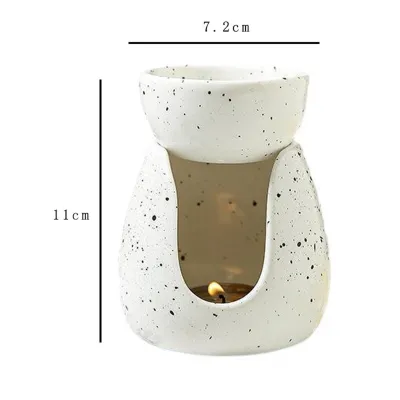
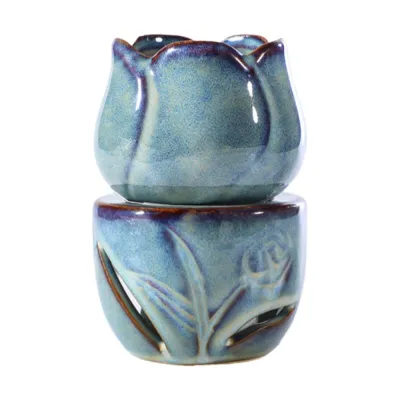
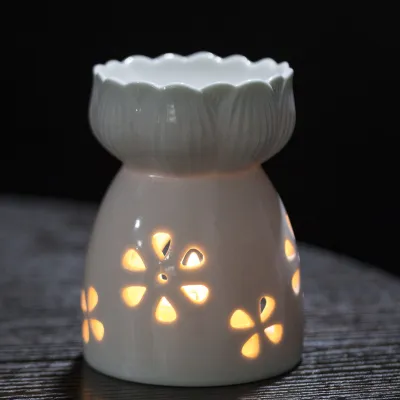
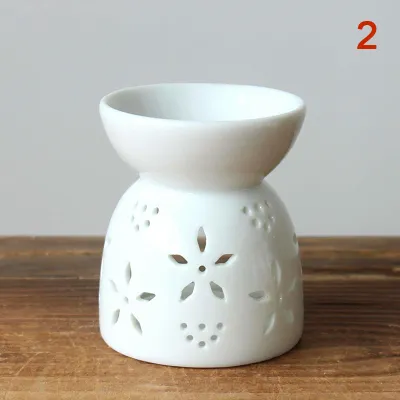
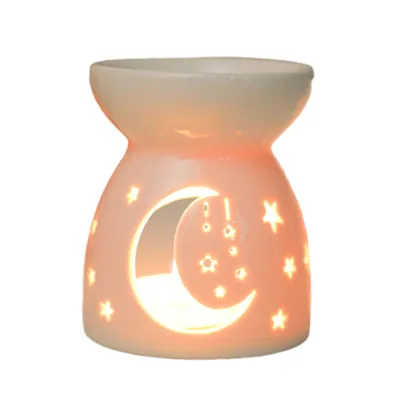
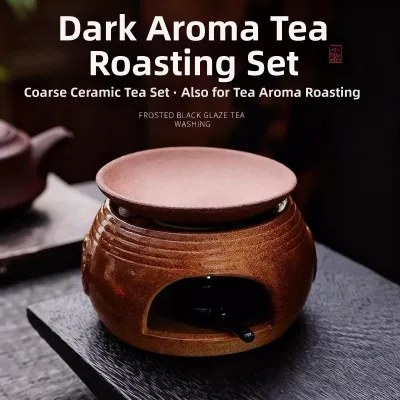
Prices are valid at publication and may change. Please refer to the product page for the latest price.
Comparing Heat Control and Scent Throw
The way a burner heats your essential oil directly impacts the quality and longevity of the fragrance. Candle-heated burners rely on the direct flame of a small tealight candle positioned beneath a ceramic or glass dish. Because a candle flame produces variable and often very high heat, it can cause the water and oil mixture to reach a rapid boil. This intense heat frequently causes the delicate top notes of essential oils, such as citrus or light florals, to evaporate too quickly, sometimes altering the subtle scent profile or leaving a slightly scorched aroma.
In contrast, electric essential oil burners utilize low-wattage heating elements to warm the dish. This design provides a highly consistent, moderate temperature that prevents the oil from overheating. Many electric models feature adjustable heat settings or built-in dimmers, allowing you to fine-tune the warming process. This steady, controlled evaporation ensures a more gradual and balanced scent throw, preserving the integrity of the oil’s aromatic compounds over several hours.
Before purchasing, it is highly beneficial to check the manufacturer specifications of your chosen essential oils. Some delicate, therapeutic-grade oils are highly sensitive to thermal degradation and perform best under the stable, low-temperature conditions provided by electric warming, while robust, resinous oils may tolerate the higher heat of a candle flame.
Evaluating Safety and Unattended Use
Safety is often the deciding factor when choosing between these two burner types, especially when considering where the device will be placed and whether it can be left unattended. Candle-heated burners present the inherent risks associated with an open flame. They require constant supervision and must be placed on stable, heat-resistant surfaces far away from window drafts, ceiling fans, air conditioning units, or flammable household items like curtains and books.

Electric burners eliminate open-flame hazards, making them a much safer alternative for high-traffic areas, bedrooms, or homes with active pets and curious children. However, they introduce electrical safety considerations. It is important to manage power cords carefully to prevent them from dangling over counter edges where they could be pulled. Many high-quality electric burners feature automatic shutoff mechanisms that turn the heating element off when the water reservoir runs dry, preventing overheating and potential electrical faults.
To determine which heat source minimizes risks in your home, consider this practical safety checklist:
- Supervision availability: Can you guarantee you will remain in the room while the burner is active? If not, an electric burner with an auto-shutoff feature is the safer choice.
- Household members: Are there pets or young children who could accidentally tip the burner over? Flame-free electric models significantly reduce the risk of accidental burns or fire.
- Placement location: Will the burner sit near drafty windows or on a crowded shelf? Candle burners require a clear, draft-free perimeter, whereas electric burners only require a stable surface near an outlet.
Assessing Setup, Maintenance, and Ongoing Costs
Operating an essential oil burner involves ongoing practical requirements, from initial placement limits to regular cleaning routines and recurring supply purchases. Electric burners require proximity to a wall outlet, which limits their placement to specific spots like desks, kitchen countertops, or bedside tables. Candle burners offer complete placement freedom, allowing you to set them up as a dining table centerpiece, on a bathroom ledge, or even outdoors on a balcony without worrying about cord lengths.
When evaluating long-term expenses, the recurring costs of these two systems diverge. Candle burners require a continuous supply of unscented tealight candles. While individual tealights are inexpensive, the cumulative cost of buying bulk packs over months and years can become a noticeable ongoing expense. Electric burners have a higher initial purchase price but incur negligible ongoing costs, drawing minimal power from low-wattage heating elements that typically run on 10 to 25 watts.
Cleaning routines also differ based on the residue each heating method leaves behind:
- Electric burners: Over time, essential oils can leave a sticky, baked-on residue in the dish. To clean, unplug the unit, allow it to cool completely, and wipe the dish with a soft cloth dipped in warm water and mild dish soap or rubbing alcohol. Never submerge the electrical base in water.
- Candle burners: The underside of the dish often accumulates black soot from the candle flame, which must be wiped away regularly to maintain efficient heat transfer. Additionally, you must occasionally clean up wax drips from melted tealights, which requires gently scraping the cold wax with a plastic tool to avoid scratching the ceramic or glass.
Decision Framework: Match the Burner to Your Lifestyle
To finalize your decision, align the characteristics of each burner type with your daily routines, spatial constraints, and personal preferences.
Choose an electric burner if:
- You prefer set-and-forget convenience: You want to turn the device on in the morning and enjoy a continuous scent throughout the day without monitoring a flame.
- You live in restricted housing: Your apartment, condominium, or rental property has strict fire safety regulations that prohibit open flames.
- You prioritize precise control: You want to utilize timers, adjustable heat settings, or integrated ambient lighting features that can be controlled independently of the heat.
Choose a candle-heated burner if:
- You value visual ambiance: You enjoy the warm, flickering glow of a candle flame, which enhances the relaxing atmosphere of evening wind-down rituals.
- You need cordless portability: You want to move the burner easily from room to room, including areas without nearby power outlets.
- You enjoy the sensory ritual: The physical act of striking a match and lighting a candle is an essential part of your relaxation routine.
Verify first if:
- Your oil collection has specific needs: Check if your preferred essential oil blends are highly sensitive to heat, as delicate botanical extracts perform much better with the gentle, regulated warmth of an electric element.
Crucial Specifications to Check Before Checkout
Before adding a specific burner to your cart on any online marketplace or specialty home decor store, verify several key physical and technical specifications to ensure safe and satisfactory operation.
First, examine the dish material and depth. The dish should be deep enough to hold a generous amount of water mixed with oil. Shallow dishes dry out quickly, which can cause the material to crack under thermal stress when the liquid evaporates completely. Look for high-quality, durable materials such as high-fired ceramic, thick borosilicate glass, or natural soapstone, which distribute heat evenly and resist cracking.
Second, verify electrical certifications and compatibility for electric models. Ensure the device carries recognized safety certifications, such as the local SAFETY Mark, which guarantees the plug, cord, and internal heating elements meet stringent safety standards. Confirm that the voltage matches the standard 230V electrical supply and that the plug type is compatible with your wall sockets without requiring loose or unsafe adapters.
Finally, check the physical footprint and base stability. A burner should have a wide, heavy base with slip-resistant feet to prevent it from sliding or tipping over easily. For electric models, measure the cord length to ensure it can comfortably reach your outlet without being stretched tight across a walkway, which creates a dangerous tripping hazard.
Frequently Asked Questions (FAQ)
Can I use wax melts in an essential oil burner?
You should always check the manufacturer’s instructions before using wax melts in an essential oil burner. Wax melts require a dish with sufficient depth to hold the entire volume of melted wax without overflowing. Because many essential oil burners feature shallow dishes designed only for a thin layer of water and a few drops of oil, adding a standard wax melt can cause the liquid wax to spill over the edges, creating a difficult cleanup job or a potential fire hazard if it contacts a candle flame or electrical components.
Do electric burners use a lot of electricity?
No, electric essential oil burners are highly energy-efficient. Most models utilize low-wattage heating elements that range between 10 and 25 watts, which is comparable to a small household LED light bulb. This low power draw means that even with daily use over several hours, the impact on your monthly utility bill remains extremely low. To find the exact power consumption, check the technical specifications label on the bottom of the burner or on the product packaging.
Community discussion
Share your experience or ask a question. Comments are reviewed before publication.