
Quick Answer: Which Emergency Torch Fits Your Home?
When a sudden power outage hits your Singapore home, having a reliable torch can mean the difference between a calm transition and a stressful search in the dark. Choosing the right emergency lighting depends on your specific household layout, storage habits, and family needs. Rather than searching for a single universal winner, you can select the ideal device by matching its core capabilities to your immediate environment.
To make an efficient decision, consider these primary household scenarios:
- High-lumen, multi-mode torches: Best for illuminating large open spaces or navigating safely during total blackouts.
- Compact, long-runtime LED torches: Ideal for basic navigation, easily stored in bedside drawers or kitchen cabinets.
- Rechargeable models with built-in power bank features: Essential if you need to keep communication devices charged during prolonged outages.
- Battery verification: Always check whether the torch relies on specialized rechargeable cells or standard replaceable batteries to ensure you can easily source replacements.
Key Specifications to Compare Across Torch Brands
Evaluating technical specifications is essential to ensure your chosen torch performs reliably when the power goes out. Understanding these metrics helps you look past marketing jargon and select a device built for actual emergency conditions.
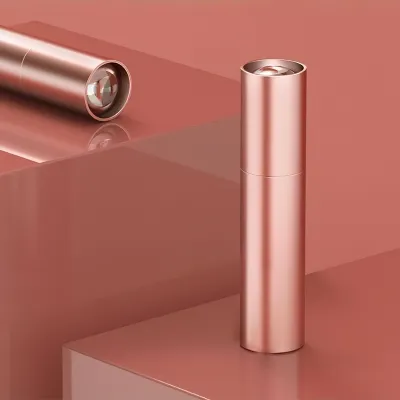
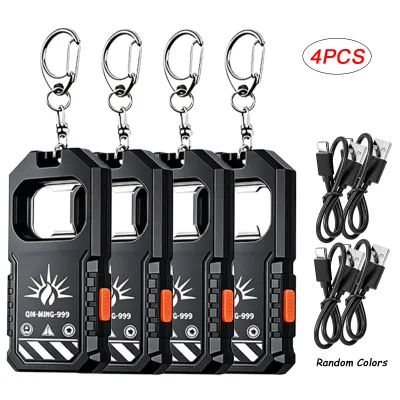
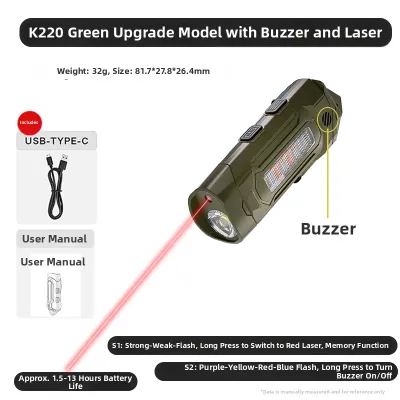
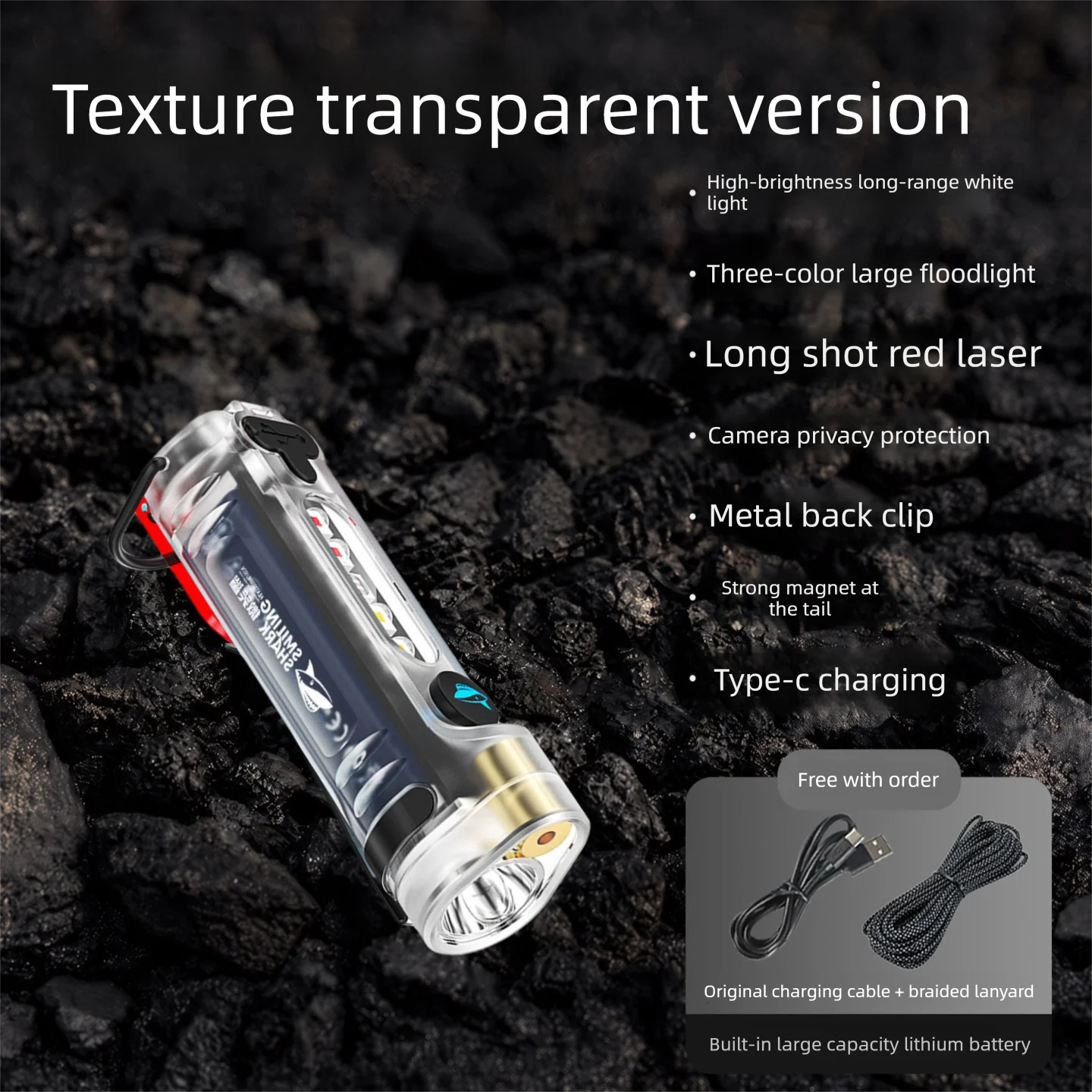
Products mentioned in this guide
![[SG SELLER] Battery operated and zoomable led torch very bright flashlights](https://img.lazcdn.com/g/p/0c95134993bd1402bc730063296c7168.jpg_400x400q80.jpg_.webp)
![[SG SELLER] Mini Cree Torchlight Super Bright Battery Operated Handy Multi-Mode Small LED Shockproof Durable Pocket Lamp](https://img.lazcdn.com/g/p/08516bb1f5cbccbb6e5325669b08996d.jpg_400x400q80.jpg_.webp)
![[SG SELLER] Led Torch Light Battery-Operated Flashlights Bottom Switch LED Rechargeable Handheld Flashlight Outdoor Camp](https://img.lazcdn.com/g/p/9508d3192de5843eabf83459a5171f5d.jpg_400x400q80.jpg_.webp)
Prices are valid at publication and may change. Please refer to the product page for the latest price.

Brightness and Beam Distance
Brightness is measured in lumens, which represents the total amount of light emitted by the source. For indoor HDB use, a wide flood beam with moderate brightness (typically 100 to 300 lumens) is often more useful than an extremely bright, highly focused beam that creates harsh glare against light-colored walls. Beam distance, measured in meters, is determined by candela (beam intensity). For outdoor perimeters or landed properties, an adjustable focus torch that can transition from a wide flood to a tight spotlight is highly beneficial. Color temperature is also a key preference; cool white light offers high contrast for searching, while warm white light reduces eye strain and glare in enclosed rooms.
Battery Life and Power Source
The choice between rechargeable lithium-ion (Li-ion) batteries and standard replaceable alkaline cells significantly impacts long-term readiness. Lithium-ion batteries offer higher energy density, consistent voltage output, and can be recharged hundreds of times, making them highly cost-effective. However, they can slowly lose charge over months of storage. Alkaline batteries have an excellent shelf life of up to five to ten years, making them highly reliable for standby storage, but they are prone to leaking corrosive chemicals if left inside a device for too long.
Build Quality and Durability
An emergency torch must survive accidental drops and exposure to the elements. Look for the Ingress Protection (IP) rating to understand water and dust resistance. An IPX4 rating protects against splashing water from any angle, while IPX7 or IPX8 ratings allow for temporary immersion, which is excellent for heavy tropical downpours. Impact resistance, typically measured in meters, indicates how well the torch’s casing—usually made of anodized aluminum or heavy-duty polymer—survives drops onto hard tiled floors.
User Interface and Modes
A simple, intuitive switch is critical when scrambling in the dark. Look for torches with physical tail switches or side buttons that are easy to locate by feel. Essential modes should include a low-light setting to preserve battery life, a medium or high setting for general navigation, and a strobe or SOS mode for signaling during critical emergencies.
Matching Torch Form Factors to Your Home Layout
The physical design of your torch should match the layout and size of your living space to ensure practical usability.
Compact and Pocket Torches
These lightweight, slim devices are perfect for HDB flats where storage space is carefully managed. They fit neatly into bedside tables, entryway drawers, or kitchen cabinets, providing instant access during minor localized power trips or circuit breaker resets. Their small size makes them easy for children or elderly family members to hold and operate safely.
Heavy-Duty and Tactical Torches
Larger, ruggedly built torches are better suited for landed properties or ground-floor homes. They offer the robust build and high-intensity beam needed to inspect external utility boxes, check perimeter gates, or navigate dark garden paths during stormy weather. Many tactical models also feature strike bezels and highly durable aluminum bodies designed to withstand rough handling.
Lantern-Style or Diffused Torches
Instead of casting a focused beam, these devices provide 360-degree ambient illumination. They are ideal for placing on a dining table or living room coffee table, allowing the entire family to gather, eat, or read comfortably until power is restored. Some hybrid torches feature a removable diffuser tip that easily converts a standard flashlight into a lantern.
Headlamps and Hands-Free Options
Wearing a light on your forehead keeps both hands free to inspect a distribution board, carry emergency supplies, or guide family members down dark stairwells safely. Headlamps are highly practical for performing basic household repairs or navigating tight utility closets where holding a traditional torch is inconvenient.
How to Verify Specifications Before You Buy
With numerous options available on online marketplaces, verifying product claims is crucial to avoid purchasing substandard or unsafe equipment.
Cross-Referencing Manufacturer Specifications
When shopping on online marketplaces or physical retail stores, cross-reference the listed specifications with the manufacturer’s official website. Third-party sellers sometimes copy-paste incorrect details or inflate performance metrics. Look for products that explicitly state compliance with standardized testing protocols, such as the ANSI/PLATO FL 1 standard, which ensures that claims regarding lumens, runtime, beam distance, and impact resistance have been verified through consistent, regulated testing methods.
Identifying Red Flags
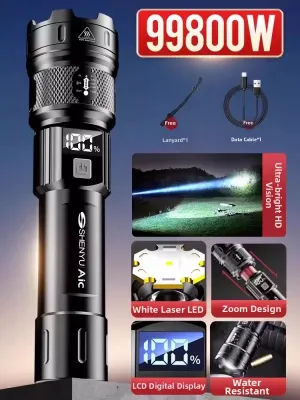
Be skeptical of torches claiming tens of thousands of lumens at unusually low prices, such as under S$10. Genuine high-lumen torches require sophisticated thermal management and high-quality LEDs, which cannot be manufactured at rock-bottom costs. Missing warranty details, vague brand origins, or a lack of clear contact information for customer support are also key warning signs of a low-quality product.
Charging Standards and Electrical Safety
Ensure that any included charging adapters or wall docks comply with local safety standards. For devices that plug directly into wall outlets, verify the voltage compatibility and look for recognized electrical safety certifications. For maximum convenience and safety, prioritize torches that utilize universal USB-C charging interfaces, allowing you to use your existing certified phone chargers and cables rather than relying on unbranded power adapters. If you plan to install a wall-mounted charging dock, ensure it is positioned away from damp areas and installed strictly according to the manufacturer’s instructions.
Maintenance and Battery Care for Long-Term Readiness
A torch is only useful if it works when you turn it on. Regular maintenance ensures your emergency lighting remains fully operational over years of standby storage.
Preventing Battery Leakage
For torches powered by alkaline batteries, never store them with the batteries installed if you do not plan to use them for several months. Singapore’s high humidity can accelerate the degradation of battery seals, leading to corrosive leaks that permanently ruin the torch’s internal contacts. Store spare batteries in their original packaging or a dedicated plastic organizer.
Lithium-Ion Battery Care
Rechargeable lithium-ion torches should not be left completely drained for long periods. To maximize battery lifespan, charge the device to around 50% to 80% before long-term storage, and top it up every three to six months. This prevents deep discharge, which can permanently reduce battery capacity or render the cell unable to hold a charge.
Physical Inspections and Cleaning
Periodically inspect the torch’s rubber O-rings and screw threads. Apply a thin layer of silicone grease to the threads to maintain a smooth action and preserve the water-resistant seal. Keep the lens clean using a soft microfiber cloth to ensure maximum light transmission, and check that the physical switch operates smoothly without sticking.
Safety Boundaries and Disposal
If you notice a swollen battery, physical cracks in the casing, flickering that cannot be resolved by tightening the cap, or excessive heat during charging, stop using the torch immediately. Do not attempt to open sealed battery compartments or repair damaged circuitry yourself. Consult the manufacturer or a qualified professional for repair options, or dispose of the device safely at a designated e-waste recycling point in Singapore.
Frequently Asked Questions (FAQ)
Can I use a standard everyday flashlight as an emergency torch?
While a basic flashlight can provide temporary light, a dedicated emergency torch is designed for high reliability. Emergency models typically feature longer runtimes, more durable impact-resistant bodies, and specialized signaling modes like SOS. They are also engineered to hold their charge longer during extended storage, ensuring they work when you need them most.
Are rechargeable torches reliable during extended power outages?
Yes, provided you plan ahead. Rechargeable torches offer excellent runtime and can often be topped up using portable power banks, car chargers, or small solar panels. However, for multi-day blackouts where recharging isn’t guaranteed, having a hybrid torch that accepts both rechargeable lithium batteries and standard alkaline cells offers the ultimate peace of mind.
What is the best way to store emergency torches in a humid climate?
Singapore’s high humidity can accelerate corrosion on electrical contacts and degrade rubber seals. Store your emergency torches in a cool, dry place away from direct sunlight, such as an airtight storage box with silica gel desiccant packets. Regularly inspect the battery compartment to ensure no moisture has accumulated inside.
Community discussion
Share your experience or ask a question. Comments are reviewed before publication.