
When planning lighting for a home in Singapore, choosing the right led light strip involves balancing energy efficiency with functional value. The ideal brand and setup for your space depend on whether you prioritize advanced smart automation or pure, high-efficacy illumination.
Basic, non-smart LED strips from established commercial lighting brands generally offer the highest raw energy efficiency, measured in lumens per watt, and draw zero standby power when turned off at the wall. In contrast, premium smart brands provide exceptional value if you require app control, automated scheduling, and integration with local smart home ecosystems, though they do introduce a minor, continuous standby power draw. To ensure safety and reliability in local properties, you must prioritize products that carry the Singapore Safety Mark and feature verified voltage compatibility for local electrical systems.
How to Evaluate Energy Efficiency and True Value
Assessing the efficiency and long-term cost-effectiveness of an LED light strip requires looking beyond the initial purchase price and the total wattage listed on the box. Understanding the technical specifications of these lighting systems allows you to make an informed decision that keeps your utility bills low.
Products mentioned in this guide
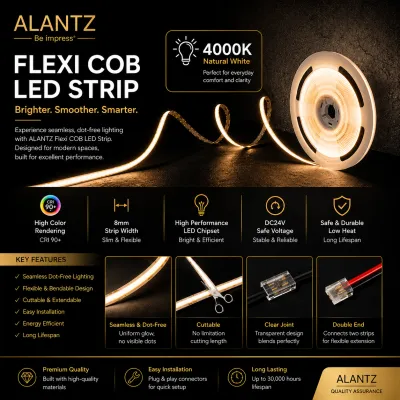
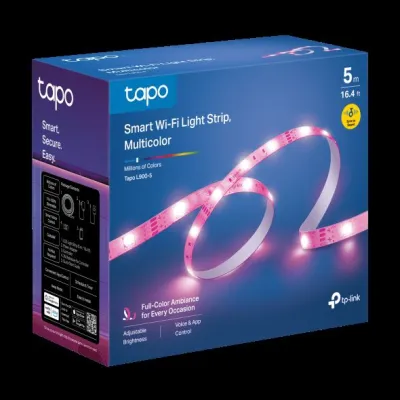
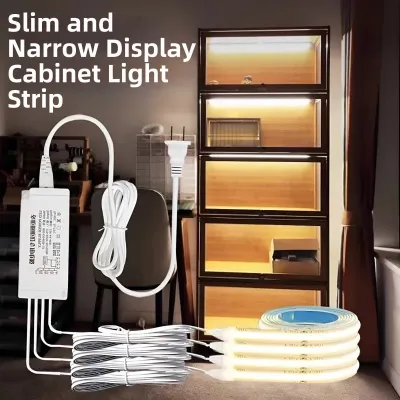
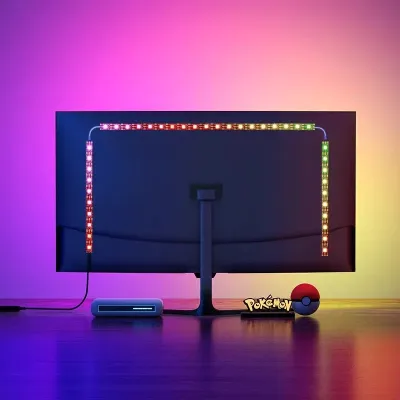
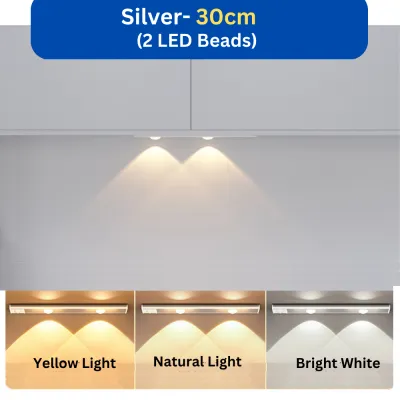
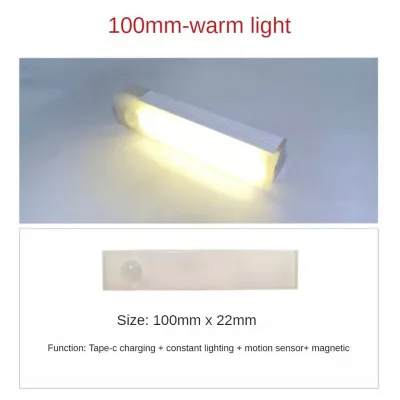
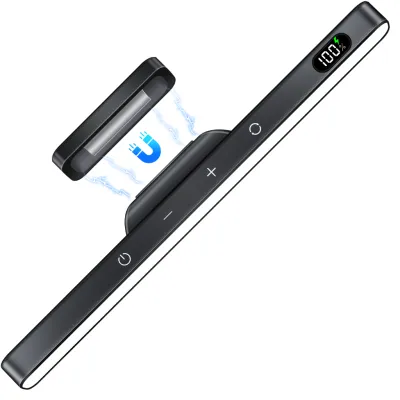
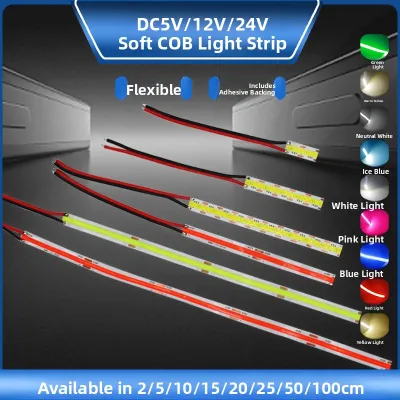
Prices are valid at publication and may change. Please refer to the product page for the latest price.
Lumens per Watt (lm/W)
Luminous efficacy, expressed in lumens per watt (lm/W), is the primary metric for measuring LED efficiency. This ratio tells you exactly how much light (lumens) the strip produces for every watt of electricity it consumes. High-efficiency LED strips typically deliver 100 lm/W or more, whereas lower-quality options may drop below 80 lm/W, consuming more electricity to produce the same level of brightness. When comparing brands, divide the total lumen output by the total wattage of the strip to verify its true efficacy rather than relying on generic marketing claims.
Power Supply and Standby Draw
Because LED strips operate on low-voltage direct current (typically 12V or 24V), they require an external driver or power adapter to convert the 230V alternating current from Singapore mains. The efficiency of this driver is critical; a low-quality power supply can waste up to 30% of incoming electricity as heat. Furthermore, smart LED strips contain wireless chips (Wi-Fi, Zigbee, or Bluetooth) that remain active even when the lights are turned off. This standby power draw, or phantom load, typically ranges from 0.3W to 1.5W per controller. While seemingly negligible, multiple smart strips running continuously in a home can accumulate noticeable energy consumption over a year.
Build Quality and Heat Dissipation
Excessive heat is the primary enemy of LED efficiency and longevity. As diodes heat up, their light output drops, and their rate of lumen depreciation accelerates. High-quality LED strips utilize thicker flexible printed circuit boards (FPCBs) with higher copper content, which helps conduct heat away from the individual diodes. Mounting your strips inside aluminum extrusion channels acts as a physical heat sink, drawing warmth away from the LEDs to maintain optimal operating temperatures, preserve energy efficiency, and extend the system’s operational lifespan.
Price per Meter vs. Feature Set
To calculate the true value of an LED strip, look at the price per meter in relation to its physical density and features. A cheap strip might have only 30 LEDs per meter, resulting in spotty, uneven lighting that requires you to run the strip at a higher brightness setting to illuminate a space. A higher-density strip with 60 or 120 LEDs per meter provides a seamless line of light. Additionally, factor in the flexibility of the cut points, the inclusion of a certified power driver, and the availability of local warranty support, which protect your investment over time.
Comparing LED Light Strip Brand Tiers in the Singapore Market
The Singapore market features a wide array of options categorized into three primary brand tiers. Each tier serves different user priorities, balancing smart features against raw electrical efficiency.

Premium Smart Ecosystem Brands
Premium smart brands, such as Philips Hue and Nanoleaf, are engineered for seamless integration into comprehensive smart home systems. These brands excel in color rendering index (CRI) ratings, color accuracy, and smooth dimming transitions without flickering. They are highly compatible with major smart home platforms, allowing you to establish automated schedules that dim the lights during off-peak hours to save energy.
However, these premium systems often require a dedicated bridge or hub to access their full range of features. While Zigbee-based hubs are highly energy-efficient compared to individual Wi-Fi connections, they still contribute to the home’s continuous standby power load. The primary value of these brands lies in their advanced software support, reliable hardware, and sophisticated lighting control rather than absolute minimal energy consumption.
Mid-Range App-Controlled Brands
Mid-tier brands like Govee and Yeelight offer a popular compromise by balancing smart features with affordability. These strips generally connect directly to your home network via Wi-Fi or Bluetooth, eliminating the need for an external hub and lowering the initial setup cost. They are particularly well-regarded for dynamic entertainment lighting, offering features like RGBIC, which allows multiple colors to display along a single strip simultaneously.
When purchasing mid-range brands from online marketplaces, you must exercise caution regarding regional compatibility. Ensure that the specific model you select comes with a power adapter certified for Singapore’s electrical standards and features a compatible plug. While these brands provide excellent interactive value, direct Wi-Fi controllers can draw slightly more standby power than hub-based Zigbee alternatives.
Basic and Commercial-Grade Lighting Brands
Traditional lighting brands, including OSRAM (Ledvance), core Philips commercial lines, and reputable local hardware brands, focus strictly on high-performance white task lighting. Because these strips do not power wireless receivers, color-changing chips, or complex microcontrollers, they offer the highest raw luminous efficacy and zero standby power when switched off.
These commercial-grade strips are designed for continuous, long-term use in architectural features like cove lighting, under-cabinet installations, and wardrobe interiors. They utilize standard, robust power drivers that are easily replaceable if a failure occurs. For homeowners who do not require color-changing effects or smartphone integration, these brands represent the most energy-efficient and durable choice.
Crucial Specifications to Verify for Singapore Homes
Before purchasing any LED lighting system, you must verify several key technical specifications to ensure compatibility with Singapore’s residential infrastructure and tropical climate.
Voltage and Safety Marks
Singapore’s residential mains electricity runs at 230V AC at 50Hz. Any LED light strip system you buy must utilize a power adapter or driver designed to handle this input safely. Under the Consumer Protection (Safety Requirements) Scheme in Singapore, power adapters are classified as Controlled Goods. You should always look for the blue Safety Mark on the power adapter to ensure it has been tested and certified safe for local use, minimizing the risk of short circuits or electrical fires.
IP Ratings for Local Climates
Singapore’s high relative humidity levels demand close attention to Ingress Protection (IP) ratings. For standard, dry indoor areas like living rooms and bedrooms, an IP20-rated strip is perfectly adequate. However, for installations in kitchens (especially near stoves or sinks), bathrooms, or semi-outdoor spaces like condominium balconies, you should select strips with a rating of at least IP65. These strips are encased in a protective silicone sleeve that prevents moisture and dust from corroding the copper circuitry and causing premature failure.
Length and Cuttable Limits
To avoid wasting material and energy, check the cutting intervals of the LED strip before purchasing. Some high-voltage strips can only be cut every one meter, which can lead to awkward installations or excess strip length hidden behind walls. Low-voltage DC strips (12V or 24V) typically offer much shorter cut intervals, often every 2.5cm to 10cm. Choosing a strip with shorter cut intervals allows you to tailor the length precisely to your cabinetry or coves, ensuring uniform light distribution without wasting electricity on unnecessary, hidden segments.
Color Temperature (CCT)
Correlated Color Temperature (CCT) is measured in Kelvin (K) and represents a conditional preference that defines the visual atmosphere of your home. Selecting the correct color temperature can also influence how you use your lighting:
- 3000K (Warm White): Creates a cozy, relaxing environment suitable for bedrooms and living rooms.
- 4000K (Cool White): Provides a neutral, clean light that enhances focus, making it ideal for study desks, kitchen countertops, and vanity mirrors.
- 6500K (Daylight): Delivers a bright, energizing light suitable for utility rooms, home offices, or deep storage areas.
Matching the color temperature to the specific function of each room ensures you achieve adequate visibility without needing to install excessively high-wattage fixtures.
Decision Framework: Which Brand Tier Should You Choose?
To determine the best LED light strip tier for your home, evaluate your primary lighting goals against these practical scenarios:
- Choose Premium Smart Brands if: You want to integrate your lighting with an existing smart home ecosystem, require highly precise color rendering for design aesthetics, and value automated routines over absolute minimum standby power consumption.
- Choose Mid-Range App-Controlled Brands if: You want dynamic color-changing capabilities, sync-to-music features, and smartphone control for entertainment spaces without paying a premium for a dedicated smart hub.
- Choose Basic Commercial Brands if: Your goal is to maximize energy efficiency, eliminate standby power entirely, and establish reliable, high-output task or architectural lighting that will last for years.
- Verify First if: You plan to install LED strips in high-moisture zones, route wiring through solid concrete walls, or connect multiple runs to a single control point. For any fixed wiring, installations in damp environments, or work at heights, always isolate the electrical power at your home's main distribution board before starting. Follow the manufacturer's instructions explicitly. If you are dealing with complex electrical loads or feel unsure about the installation process, consult a licensed electrical worker (LEW) or a qualified professional in Singapore.
Maximizing Efficiency Through Proper Installation
How you install and maintain your LED light strips directly impacts their operational efficiency and overall lifespan. Adhering to proper installation techniques prevents common performance issues.
First, always mount your LED strips onto a clean, thermally conductive surface, preferably an aluminum extrusion channel. The aluminum channel acts as an effective heat sink, dissipating the thermal energy generated by the diodes. Keeping the operating temperature low prevents the LEDs from losing efficiency and shifting in color over time.
Second, observe the 80% rule for your power supplies. Never load an LED driver to its absolute maximum wattage capacity. For example, if your LED strip draws a total of 40W, use a driver rated for at least 50W (40W divided by 0.8). Operating the driver within this safety margin prevents overheating, maintains high electrical conversion efficiency, and protects the driver from premature burnouts.
Finally, establish a basic maintenance routine. Dust and airborne grease can accumulate on the surface of the LED diodes or the plastic diffusers of your aluminum channels, reducing light output by up to 20%. To maintain optimal brightness without needing to increase the power settings, gently dust the strips or wipe the diffusers with a dry, lint-free microfiber cloth after ensuring the power supply is completely isolated.
Frequently Asked Questions (FAQ)
Do smart LED light strips consume electricity when turned off?
Yes, smart LED light strips consume a small amount of electricity even when they are turned off via an app or voice command. This is known as standby power or phantom load. The internal wireless controller (Wi-Fi, Zigbee, or Bluetooth) must remain powered continuously to listen for the signal to turn back on. While a single strip’s standby draw is typically low—often between 0.3W and 1.5W—homeowners looking to eliminate all phantom loads should connect their power adapters to a physical wall switch that completely cuts the 230V AC supply when the lights are not in use.
Can I connect multiple LED light strip segments to one power adapter?
Yes, you can connect multiple segments to a single power adapter, provided the total wattage of all connected strips does not exceed 80% of the adapter’s rated capacity. However, you must account for voltage drop, which occurs when electrical resistance causes the voltage to decrease as it travels down a long run of wire. This results in the far end of the strip appearing dimmer and less color-accurate than the end closest to the power source, reducing overall efficiency. To prevent voltage drop on runs longer than five meters, you should wire the segments in parallel directly from the power supply, or use additional power injection points along the run rather than daisy-chaining the strips in a single continuous line.
Community discussion
Share your experience or ask a question. Comments are reviewed before publication.