
Selecting the right outdoor solar light for a Singapore home requires moving beyond basic aesthetics to focus on engineered efficiency. Our tropical climate—characterized by intense midday heat, high humidity, and prolonged overcast periods during monsoon seasons—presents a demanding environment for solar technology. Standard solar lights often underperform or fail prematurely here because they cannot harvest enough energy from diffused sunlight or withstand the relentless thermal stress.
To secure reliable illumination that lasts throughout the night, homeowners must prioritize brands that leverage advanced component technology. High-efficiency systems utilize monocrystalline solar panels to maximize electricity generation under cloudy skies, paired with robust Lithium Iron Phosphate (LiFePO4) batteries that resist heat degradation. Combined with smart power-saving microprocessors, these features allow energy-efficient outdoor solar lights to deliver consistent, sustainable performance across various residential settings, from high-rise balconies to landed gardens.
Why Energy Efficiency is Critical for Singapore's Climate
Singapore’s geographical location near the equator brings consistent warmth, but it also brings high humidity, heavy cloud cover, and sudden torrential downpours. The Northeast Monsoon (typically from December to March) and the Southwest Monsoon (from June to September) introduce prolonged overcast periods where direct sunlight is scarce. For an outdoor solar light, these weather patterns present a significant operational challenge. Standard solar lights rely on continuous, direct sunlight to fully charge their batteries. When skies remain grey for days, low-efficiency systems quickly deplete their stored energy, leaving walkways and gardens in darkness.
Products mentioned in this guide
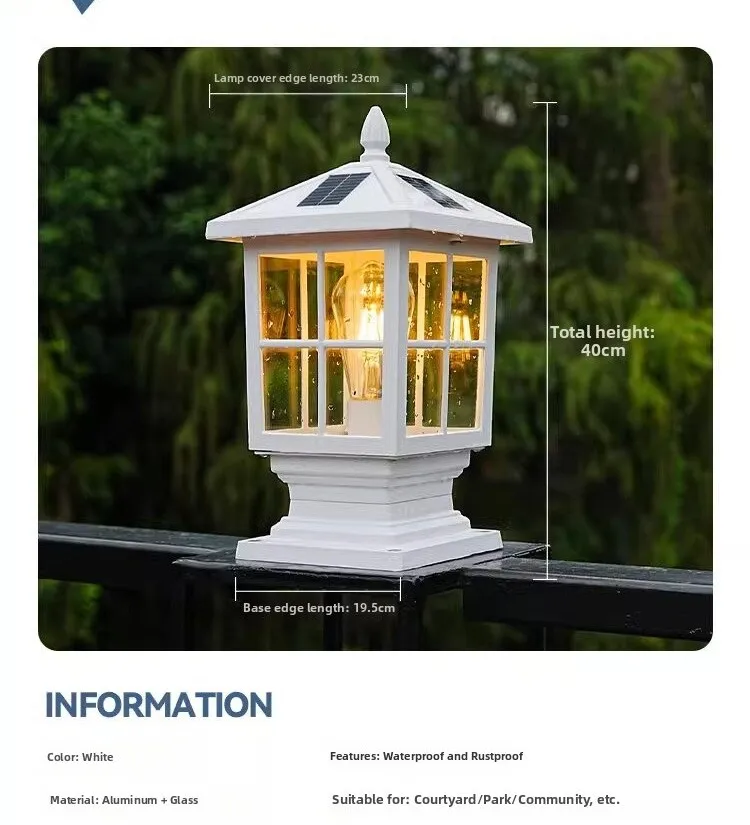
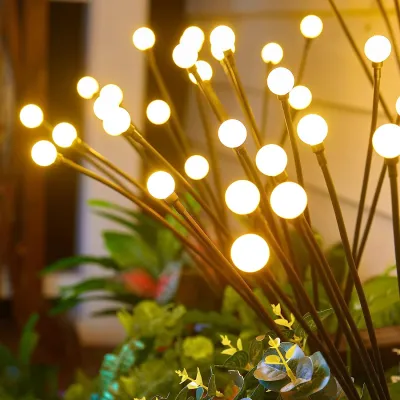
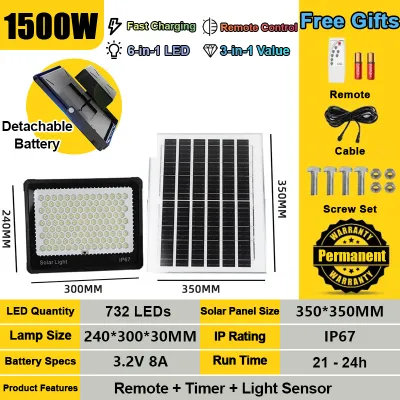
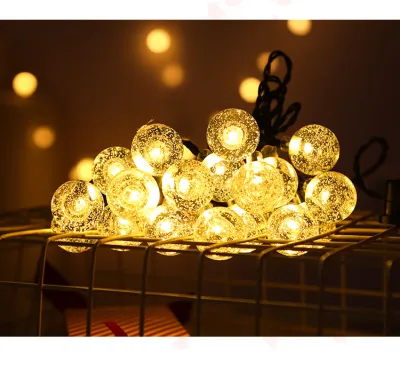
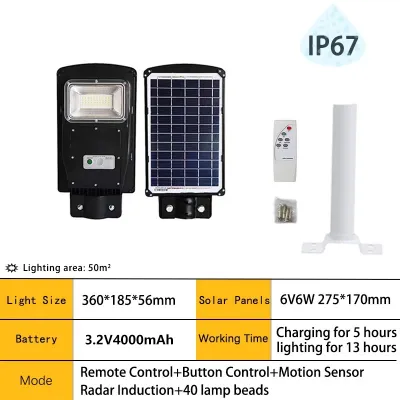
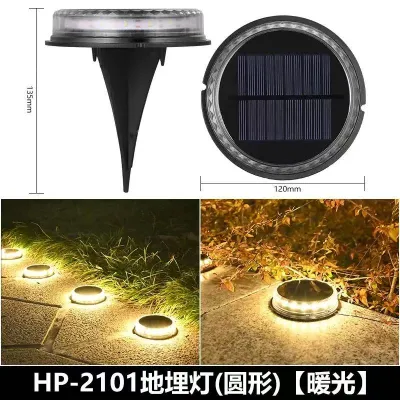
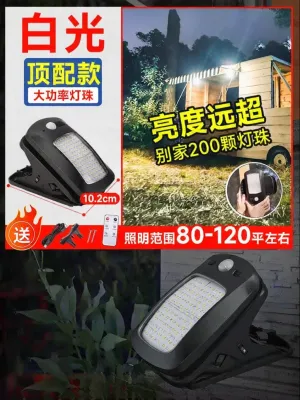
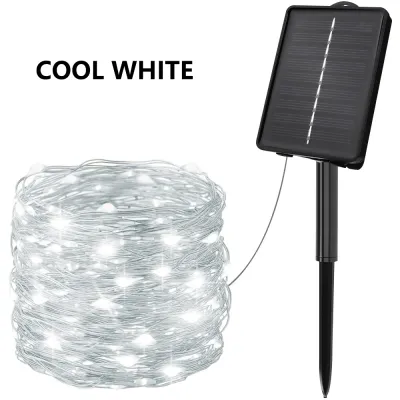
Prices are valid at publication and may change. Please refer to the product page for the latest price.
Furthermore, high ambient humidity and temperature levels accelerate the degradation of internal electronic components. Moisture ingress can cause short circuits, while persistent heat reduces the efficiency of solar cells and shortens battery lifespans. This makes energy efficiency not just a matter of saving power, but a prerequisite for basic reliability. High-efficiency outdoor solar lights are engineered to maximize power generation even under diffused, indirect sunlight and to manage that stored energy intelligently throughout the night.
There is a vast difference between basic decorative solar lights and high-efficiency functional lighting. Decorative models, often sold at low price points on online marketplaces, typically use small, low-grade solar panels and basic batteries. While they may provide a faint glow for a few hours after a perfectly sunny day, they lack the capacity and efficiency required for functional illumination, such as securing a driveway or lighting a dark pathway. Reliable, high-efficiency brands prioritize advanced component engineering to ensure consistent performance, regardless of seasonal weather shifts.
Key Specifications to Identify High-Efficiency Brands
To select a truly efficient outdoor solar light brand, homeowners must look past marketing buzzwords and evaluate the technical specifications of the components. Understanding these specifications allows you to verify compatibility, safety, and performance before making a purchase. When reviewing product spec sheets, always verify the operating voltage, base or mounting interface, wattage limits, physical dimensions, dimming methods, and electrical certifications (such as CE, RoHS, or regional safety marks) to ensure compatibility with your installation environment.

Solar Panel Efficiency: Monocrystalline vs. Polycrystalline
The solar panel is the primary engine of the lighting system, converting sunlight into electrical energy. Monocrystalline silicon panels represent the gold standard for efficiency, typically achieving conversion rates between 18% and 22%. This high efficiency is due to the high-purity silicon used in their construction, which allows electrons to move more freely. In contrast, polycrystalline panels, identifiable by their speckled blue appearance, generally offer lower conversion efficiencies of 13% to 16%, while amorphous panels (thin-film) fall even lower.
For Singapore homes, monocrystalline panels are highly recommended. Their superior low-light performance means they can still generate a practical amount of electricity on overcast days or when partially shaded by nearby buildings or foliage. When comparing brands, verify that the product specifications explicitly state the use of monocrystalline solar panels, as this directly impacts how quickly and effectively the battery charges during shorter daylight windows.
Battery Longevity: LiFePO4 vs. Standard Lithium-Ion
The battery acts as the reservoir for the energy collected during the day. Traditional outdoor solar lights often utilize Nickel-Metal Hydride (NiMH) or standard Lithium-Ion (Li-ion) batteries. While these chemistries are functional, they struggle under Singapore’s persistent heat. High ambient temperatures accelerate the chemical degradation inside standard Li-ion batteries, leading to a rapid loss of capacity and, in extreme cases, thermal runaway risks.
Premium energy-efficient brands utilize Lithium Iron Phosphate (LiFePO4) batteries. LiFePO4 chemistry offers exceptional thermal stability, safely operating at elevated temperatures without degrading. Additionally, these batteries support a much deeper depth of discharge (often up to 90%) without damaging the cells, and they boast a significantly longer lifespan—typically lasting over 2,000 charge-discharge cycles compared to the 300 to 500 cycles of standard batteries. This longevity ensures that the light maintains its runtime year after year.
LED Efficacy and Smart Power Management
Generating and storing power efficiently is only half the battle; the light must also consume that power intelligently. LED efficacy is measured in lumens per watt (lm/W), indicating how much visible light is produced for every watt of electrical power consumed. High-efficiency brands utilize advanced LED chips that deliver high efficacy (often exceeding 130 lm/W), ensuring bright illumination without draining the battery prematurely.
Furthermore, look for brands that integrate smart microprocessors and Maximum Power Point Tracking (MPPT) charge controllers. MPPT technology dynamically adjusts the electrical operating point of the modules to extract the maximum available power from the solar panel, especially during fluctuating weather conditions. Combined with adaptive dimming profiles—such as running at a low ambient brightness level and ramping up to full power only when a passive infrared (PIR) motion sensor is triggered—these smart systems conserve battery reserves, allowing the light to operate reliably even after consecutive days of rain.
Technological Hallmarks of Reliable Solar Lighting Brands
Evaluating brand portfolios requires looking at structural engineering and design details that ensure long-term durability in tropical environments.
Modular vs. Integrated Designs When selecting an outdoor solar light, you will encounter both integrated (all-in-one) and modular (split) designs. Integrated designs house the solar panel, battery, sensor, and LED array in a single fixture. While easy to install, they require the entire unit to be positioned in direct sunlight. This is rarely practical for shaded areas, under eaves, or covered walkways. Modular designs separate the solar panel from the light fixture, connecting them via a weather-resistant low-voltage cable. This layout allows you to mount the solar panel on an unshaded rooftop, awning, or parapet where it can receive maximum daily sun exposure, while the light fixture itself is installed exactly where illumination is needed, such as a dark corridor or a covered patio. High-efficiency brands offer robust modular options with secure, waterproof connection couplers.
Thermal Management Heat is the enemy of electronic efficiency. Solar panels become less efficient as their temperature rises, and internal driver circuits can fail prematurely if heat is trapped. Reliable brands design their fixtures with passive thermal management systems. This includes the use of cast aluminum housings that act as natural heat sinks, dedicated air vents or gaps that promote convective cooling, and thermal barrier materials that isolate the battery compartment from the heat generated by the solar panel and LEDs.
Weatherproofing Standards Singapore’s heavy downpours require high levels of ingress protection. An IP (Ingress Protection) rating of at least IP65 is essential for outdoor solar lights, indicating that the fixture is completely dust-tight and protected against water jets from any angle. For highly exposed areas like garden borders or open driveways, look for brands offering IP66 or IP67 ratings. The materials used in the housing also determine longevity. Cheap plastics degrade, crack, and yellow under intense tropical UV exposure, which can cloud the lens and reduce light output. Premium brands utilize UV-stabilized polycarbonate or powder-coated, marine-grade aluminum. These materials resist corrosion, maintain structural integrity, and prevent moisture from seeping into the delicate electronic housing.
Warranty and Support A brand’s confidence in its energy-efficient components is reflected in its warranty terms. While generic, low-cost solar lights rarely offer more than a basic return window, reputable brands provide multi-year warranties (typically ranging from 2 to 5 years) covering both the solar panel and the battery system. This long-term support is a crucial indicator of product reliability and ensures that you can obtain replacement parts or support if a component fails prematurely.
Matching Efficient Solar Lights to Singapore Housing Types
Different residential properties in Singapore present unique spatial and structural lighting requirements. Selecting the right form factor ensures optimal energy harvesting and functional utility.
HDB Corridors and Sheltered Walkways
High-rise public housing estates feature shared corridors that are often heavily shaded by upper floors and neighboring blocks. In these environments, integrated solar lights rarely receive enough direct sunlight to function effectively. A modular motion-sensor wall light is the ideal solution here. By mounting the micro-solar panel on the outer parapet wall using non-destructive clamps or approved brackets, you can capture sufficient daylight while routing the cable to the light fixture mounted near your entrance.
When installing lights in HDB corridors, it is critical to prioritize low-glare designs with downward-directed light distribution. This respects your neighbors’ privacy and prevents light from spilling into adjacent windows. Additionally, ensure that the installation complies with your local Town Council guidelines regarding corridor obstructions and safety clearances.
Landed Property Gardens and Driveways
Landed homes offer the most flexibility for solar lighting but also require higher-output systems to cover larger areas. For pathways, driveways, and garden perimeters, high-lumen solar floodlights, path lights, and adjustable spotlights are highly effective. Because these fixtures are fully exposed to the elements, secure mounting is essential.
Path lights should feature robust, corrosion-resistant ground spikes that can be deeply anchored into the soil to withstand heavy tropical downpours and strong winds. For driveways and perimeter walls, heavy-duty screw-mounting into concrete or brickwork is recommended. Ensure that all mounting hardware is made of stainless steel to prevent rust stains on your property’s exterior walls.
Condo Balconies and Shaded Patios
Condominium balconies and shaded patios offer a blend of outdoor access and structural constraints. For these spaces, low-profile, high-efficiency ambient lights, wall sconces, or decorative string lights are popular choices. Because drilling into exterior walls is often restricted in strata-titled developments, look for brands that offer versatile mounting options, such as heavy-duty suction cups, zip-tie brackets, or tension mounts that can attach securely to balcony railings.
Before purchasing or installing any exterior lighting, always consult your condominium’s Management Corporation Strata Title (MCST) by-laws. Many developments have strict guidelines regarding the visual consistency of the building’s facade, light color temperatures, and exterior modifications. Opting for warm, low-profile fixtures that blend seamlessly with the building’s architecture is usually the safest approach. Note that decorative style, perceived color temperature, and spatial lighting effects are highly subjective, conditional preferences; they do not dictate the core energy efficiency or physical safety of the lighting system.
Installation and Maintenance for Peak Tropical Performance
Proper installation and regular upkeep are vital to maintaining the rated efficiency and maximizing the lifespan of your outdoor solar lights.
Panel Placement and Angling Because Singapore is situated very close to the equator (approximately 1.3 degrees north), solar panels receive relatively consistent sunlight year-round. While a completely flat, horizontal placement might seem ideal for catching overhead sun, manufacturers generally recommend angling the panel at a slight tilt of 10 to 15 degrees, facing either north or south depending on seasonal sun paths. This slight tilt serves a practical purpose: it prevents rainwater from pooling on the surface of the glass. Standing water can leave behind mineral deposits, dust, and pollen as it evaporates, creating a cloudy film that severely blocks light transmission and reduces charging efficiency. The tilt allows gravity and heavy tropical downpours to naturally wash away accumulated debris, keeping the panel clean.
Routine Maintenance Despite the self-cleaning effect of rain, a manual cleaning schedule is necessary to maintain peak performance. Over time, a fine layer of tropical grime, airborne dust, organic debris, and bird droppings can accumulate on the panel’s surface. Wiping the solar panels with a soft, damp microfiber cloth every two to three months is usually sufficient to restore full UV absorption. Always clean the panels early in the morning or late in the evening when they are cool to the touch. Cleaning a hot solar panel with cold water can cause thermal shock, potentially cracking the protective tempered glass. Avoid using abrasive scrubbing pads, harsh detergents, or chemical solvents, as these can scratch the glass or degrade the protective anti-reflective coatings.
Safety Boundaries While outdoor solar lights operate on low-voltage direct current (DC) and are generally safe for DIY installation, certain scenarios require professional expertise. If your lighting setup involves fixed wiring (such as hybrid solar-grid systems), installation in highly damp or submerged areas, work at significant heights (such as mounting floodlights on two-story exterior walls), or managing suspended loads, safety must be your primary concern. For any installation that involves work at height, always use proper, stable ladders, wear appropriate personal protective equipment, and employ fall-prevention measures. If your installation requires tapping into the home’s main electrical grid (such as hybrid solar-grid systems), mounting fixtures at significant heights (above two meters), or running cables through damp structural cavities, always isolate the power at the main distribution board, follow the manufacturer’s installation instructions precisely, and consult a licensed electrical worker (LEW) or qualified professional to ensure safety and compliance. Never attempt to modify the internal wiring of a solar light or bypass its integrated charge controller, as this can void the warranty and create electrical hazards.
Battery Care Over several years of continuous use, even high-quality LiFePO4 batteries will eventually exhibit signs of degradation. The most common symptom is a drastically reduced runtime—for example, the light turning off after only one or two hours of operation despite a full day of clear sunlight. When replacing batteries, always check the manufacturer’s instruction manual to determine if the cells are user-replaceable. If they are, use only manufacturer-approved replacement cells that match the exact voltage, capacity, and chemistry of the original battery (e.g., replacing a 3.2V LiFePO4 cell with an identical 3.2V LiFePO4 cell). Using incompatible battery types, such as substituting a standard lithium-ion battery into a system designed for LiFePO4, can damage the internal charge controller, reduce efficiency, and present a safety risk.
Frequently Asked Questions (FAQ)
Do solar lights work during Singapore's monsoon season?
Yes, high-efficiency solar lights can operate during the monsoon season, but their performance depends heavily on their components. Brands equipped with high-efficiency monocrystalline panels and large-capacity LiFePO4 batteries can harvest sufficient energy even from diffused, overcast daylight to keep the lights running. Additionally, smart power management systems that automatically dim the light or rely on motion sensors help conserve energy, allowing the system to bridge multiple consecutive rainy days. In contrast, basic decorative models with low-efficiency panels may fail to illuminate after a single overcast day.
Can I replace the battery in my outdoor solar light?
Whether you can replace the battery depends on the design of the specific fixture. Many premium outdoor solar light brands design their products with accessible battery compartments, allowing users to easily swap out degraded cells (such as standard 18650 or 32700 rechargeable lithium cells) using basic tools. However, some compact or highly sealed waterproof models feature integrated, non-replaceable battery packs. When purchasing, check the manufacturer’s specifications regarding battery serviceability. When replacing, always match the exact chemistry, voltage, and capacity of the original cell to ensure safe and efficient operation.
Are solar lights bright enough for home security?
High-end, energy-efficient solar floodlights equipped with advanced LEDs and motion sensors are bright enough to serve as effective security deterrents. However, because they rely entirely on stored battery power, they are generally designed to run at a lower ambient brightness and burst to full power only when motion is detected. They may not match the sustained, high-lumen, continuous output of a hardwired, grid-connected LED security light. For optimal home security, solar motion-sensor lights are best used as supplementary lighting to eliminate blind spots in areas where running electrical wiring is impractical.
Community discussion
Share your experience or ask a question. Comments are reviewed before publication.