
Selecting the most energy-efficient solar garden light outdoor fixtures in Singapore requires looking past basic marketing claims and focusing on brands that utilize high-efficiency monocrystalline panels, robust lithium iron phosphate (LiFePO4) batteries, and intelligent power management features. Because Singapore experiences intense equatorial heat, high humidity, and frequent heavy rain during monsoon seasons, a solar light’s real-world efficiency is directly tied to its environmental resilience. Cheap, generic models often fail within months due to water ingress or rapid battery degradation, making the choice of a reputable brand with verified technical specifications essential for long-term outdoor performance.
To find a solar garden light outdoor system that reliably illuminates your pathways, gardens, or patios night after night, you must evaluate how the components interact under local weather conditions. High-efficiency solar lighting minimizes energy waste during both the generation and storage phases, ensuring that even limited daylight during overcast periods is successfully converted into hours of night-time illumination.
Evaluating Energy Efficiency and Reliability for Singapore's Tropical Climate
Singapore’s equatorial climate presents unique challenges for solar energy harvesting and storage. High ambient temperatures, frequent cloud cover, and intense humidity levels directly impact how efficiently a solar garden light operates. Understanding how different materials and technologies handle these conditions is the first step in identifying a high-performing brand.
Products mentioned in this guide
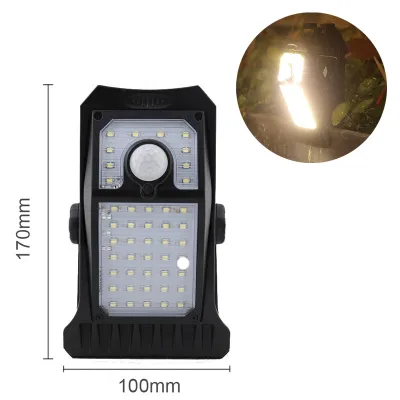
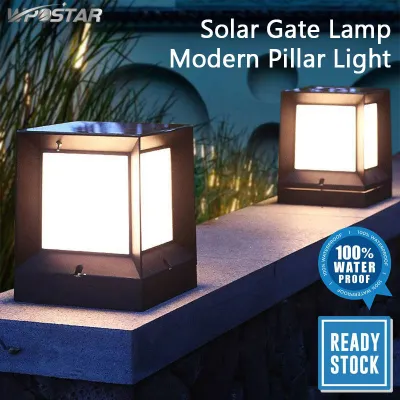
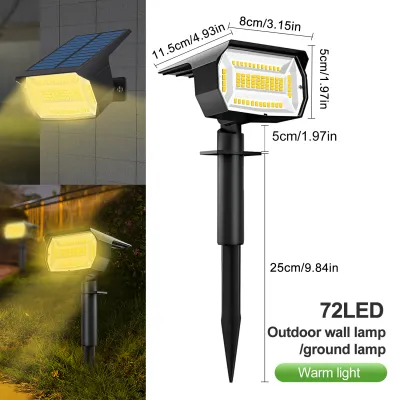
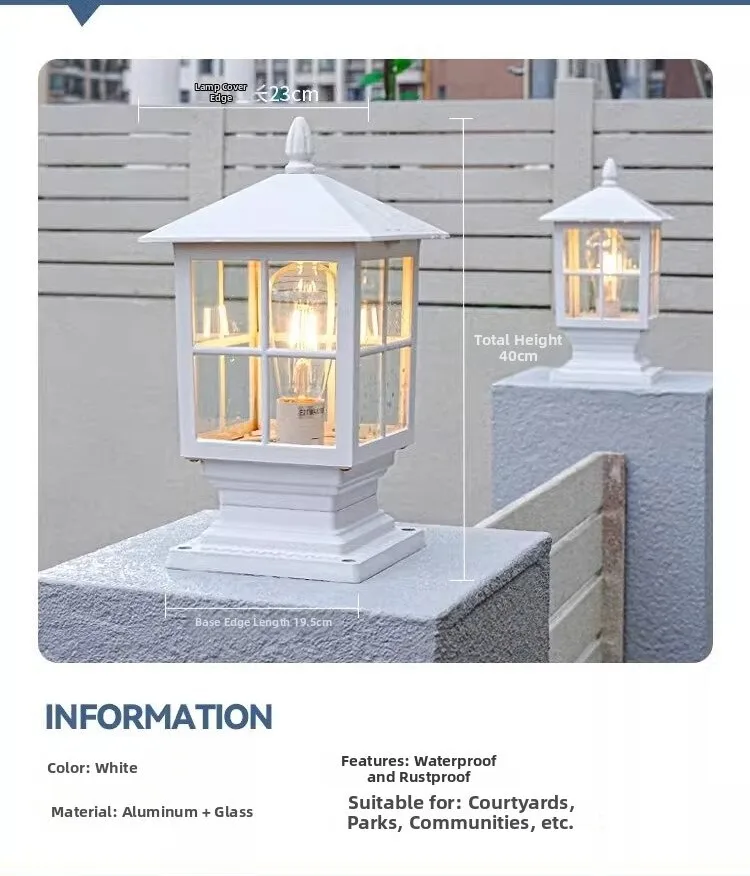
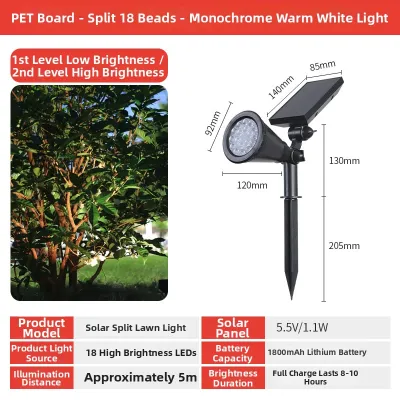
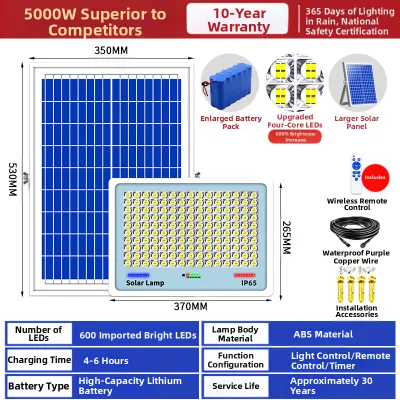
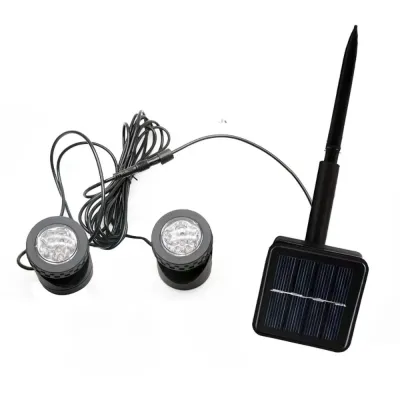
Prices are valid at publication and may change. Please refer to the product page for the latest price.
Solar Panel Efficiency: Monocrystalline vs. Polycrystalline
The solar panel is the primary engine of any outdoor solar light, and its material composition determines how effectively it converts sunlight into electrical energy. Monocrystalline silicon panels represent the gold standard for efficiency, typically converting 15% to 22% of sunlight into usable power. Because they are constructed from a single pure crystal structure, they perform significantly better under diffuse light conditions, such as the overcast skies common during Singapore’s monsoon seasons.
In contrast, polycrystalline panels are made by melting multiple silicon fragments together, resulting in a lower conversion efficiency of around 13% to 16%. While polycrystalline panels are cheaper to manufacture, they require a much larger surface area to produce the same amount of power as a monocrystalline panel. For compact garden fixtures with limited panel space, choosing a brand that utilizes monocrystalline technology is essential to ensure the battery fully charges during daylight hours.
Battery Chemistry and Thermal Degradation
Storing the harvested energy requires a reliable battery that can withstand Singapore’s constant high temperatures, which frequently hover between 25°C and 33°C. High ambient heat accelerates the chemical degradation inside rechargeable batteries, drastically reducing their lifespan and capacity over time.
- Lithium Iron Phosphate (LiFePO4): This is the most durable and heat-tolerant battery chemistry available for solar lighting. LiFePO4 batteries can withstand high operating temperatures without swelling or losing capacity rapidly, and they typically support over 2,000 charge-discharge cycles. This longevity translates to several years of reliable daily use.
- Lithium-Ion (Li-ion): While highly efficient and energy-dense, standard Li-ion batteries are more sensitive to extreme heat than LiFePO4. They generally offer around 500 to 1,000 charge cycles before their capacity begins to drop noticeably.
- Nickel-Metal Hydride (NiMH): Frequently found in budget-friendly solar lights, NiMH batteries have a low heat tolerance and a high rate of self-discharge. Under Singapore's relentless heat, NiMH batteries often degrade within a year, leading to lights that only stay illuminated for an hour or two after sunset.
Weather Resistance and Corrosion Prevention
With relative humidity levels in Singapore regularly exceeding 80%, moisture ingress is a constant threat to outdoor electronics. When humid air enters a light fixture, temperature fluctuations cause condensation to form on the internal circuitry, leading to rapid corrosion and electrical failure.
High-performance brands protect their components by applying a conformal coating to the printed circuit boards (PCBs) and using high-grade silicone gaskets to seal all entry points. Housings made from UV-stabilized ABS plastic, powder-coated die-cast aluminum, or marine-grade stainless steel are highly recommended to resist both intense solar radiation and heavy rainfall without degrading or rusting.
Essential Technical Specifications to Verify Before Purchase
To avoid misleading marketing claims and ensure you are purchasing a genuinely energy-efficient product, you must verify specific technical details on the product label or manufacturer datasheet. Relying solely on descriptive packaging can lead to purchasing underpowered or fragile fixtures.

Deciphering IP Ratings for Outdoor Longevity
The Ingress Protection (IP) rating indicates how well a fixture’s housing prevents solid particles and liquids from reaching the sensitive internal electronics. The rating consists of two digits: the first represents dust protection (ranging from 0 to 6), and the second represents water protection (ranging from 0 to 9).
For outdoor garden lights in Singapore, an IP65 rating is the absolute baseline. An IP65 rating means the fixture is completely dust-tight and protected against water jets from any angle, which is sufficient for wall-mounted lights or fixtures sheltered under eaves. For ground-level pathway lights or spike lights that may experience temporary pooling during heavy downpours, look for IP66 or IP67 ratings, which provide protection against powerful water jets and temporary immersion, respectively.
Lumens vs. Wattage Equivalence
Many generic solar lights are marketed using “wattage equivalence” (e.g., “100W equivalent”) to suggest high brightness. However, wattage measures electrical power consumption, not light output. Because LED efficiency varies wildly between brands, wattage is a poor indicator of actual brightness.
Instead, always look for the lumen (lm) rating, which measures the total amount of visible light emitted by the fixture. To evaluate energy efficiency, calculate the luminous efficacy by dividing the lumen output by the wattage draw of the LED chip (lumens per watt, or lm/W). High-quality brands use premium LED chips that deliver high luminous efficacy, producing bright, crisp light while drawing minimal power from the battery.
Battery Capacity and Runtime Calculations
To ensure a solar light can operate throughout the 12-hour tropical night, you must compare the battery’s capacity with the power draw of the LED. Battery capacity is typically listed in milliampere-hours (mAh) or watt-hours (Wh).
To convert mAh to Wh, multiply the capacity by the battery’s nominal voltage and divide by 1,000. For example, a 3.2V 2000mAh LiFePO4 battery holds 6.4 Wh of energy. If the fixture’s LED draws 0.5W of power, the battery can theoretically support up to 12.8 hours of continuous runtime on a full charge. If a manufacturer claims a 12-hour runtime but provides a low-capacity battery (such as a 1.2V 600mAh NiMH battery, which holds only 0.72 Wh), the light will inevitably fade after just a few hours.
Sensor Efficiency and Smart Power Management
Continuous high-brightness lighting is highly inefficient and quickly drains battery reserves. High-performance solar lights utilize smart sensors and power-saving modes to manage energy consumption dynamically throughout the night.
- Passive Infrared (PIR) Motion Sensors: These sensors detect changes in infrared radiation caused by movement. Lights equipped with PIR sensors can remain in a low-power standby mode (emitting 10% to 20% brightness) or stay completely off until motion is detected, at which point they switch to 100% brightness for a set duration (usually 20 to 30 seconds). This drastically reduces overall energy consumption.
- Dusk-to-Dawn Photocells: These sensors detect ambient light levels to automatically turn the fixture on at sunset and off at sunrise, preventing energy from being wasted during daylight hours.
- Timed Dimming Profiles: Some advanced fixtures are pre-programmed to deliver maximum brightness during the early evening hours (e.g., from 7:00 PM to 10:00 PM) when foot traffic is highest, and then automatically dim to a lower standby level for the remainder of the night to conserve battery power.
Identifying High-Performance Solar Lighting Brands and Profiles
Navigating the outdoor solar lighting market requires distinguishing between reputable manufacturers that provide verifiable technical specifications and generic brands that rely on exaggerated claims. High-quality brands can generally be grouped into two distinct profiles, each offering unique advantages depending on your specific installation needs.
Key Traits of Reputable Brands
Before focusing on specific brand profiles, look for these universal indicators of quality and reliability:
- Transparent Specification Sheets: The manufacturer clearly lists the solar panel type (monocrystalline), battery chemistry (e.g., LiFePO4), exact battery capacity, lumen output, and IP rating.
- Verifiable Warranties: The brand offers a clear warranty of at least 1 to 2 years, with accessible terms and contact information.
- Local Customer Support: Having a local distributor or customer service presence in Singapore makes resolving warranty claims or purchasing replacement parts significantly easier.
- Safety and Compliance Certifications: The products carry recognized international safety and environmental certifications, such as CE, RoHS, or FCC compliance markings.
Brand Profile 1: Established Global Lighting Manufacturers
Established global lighting giants, such as Philips and Osram, offer highly engineered solar outdoor lighting solutions designed for longevity and consistent performance. These brands focus heavily on build quality, optical precision, and strict compliance with international standards.
- Typical Features: These fixtures often feature heavy-duty die-cast aluminum housings, high-efficiency monocrystalline panels integrated seamlessly into the design, and premium LED chips that maintain their color temperature and brightness over years of use. They also feature highly accurate photocells and optimized power-saving algorithms.
- Pros: Exceptional reliability, local warranty support in Singapore, consistent color rendering, and highly durable construction that resists tropical weathering.
- Cons: Higher initial cost, with individual fixtures often priced from S$40 to over S$150, making large-scale garden installations a significant investment.
Brand Profile 2: Specialized Solar and Outdoor Brands
Specialized solar brands, such as Solpex, GIGALUMEN, or private labels carried by reputable local Singaporean hardware retailers (such as Selffix or Home-Fix partners), focus exclusively on off-grid solar technology. These brands are often quicker to integrate the latest advancements in battery chemistry and motion-sensing technology.
- Typical Features: These brands prioritize high lumen output, modular designs that allow for easy battery replacement, and advanced multi-mode PIR sensors. Their product lines often include specialized pathway spike lights, wall-mounted security lights, and decorative step lights.
- Pros: Highly cost-effective, with prices typically ranging from S$15 to S$60 per fixture. They offer excellent brightness-to-cost ratios and highly functional motion-sensing modes.
- Cons: Housing materials may feature more high-impact ABS plastic than die-cast metal, and warranty support may vary depending on the specific importer or retail channel.
Red Flags to Avoid When Shopping
Be cautious of brands that display unrealistic performance claims, such as advertising “10,000 lumens” for a small, budget-friendly plastic fixture. Other major red flags include missing IP ratings, vague battery specifications (such as listing “high-capacity battery” without specifying chemistry or mAh), and a complete lack of local manufacturer contact details or warranty information. Purchasing these products often results in premature failure due to water ingress or battery degradation, leading to unnecessary waste and additional replacement costs.
Maximizing Solar Charging Efficiency Through Placement and Maintenance
Even the most energy-efficient solar garden light will underperform if it is poorly installed or neglected. Proper placement and routine maintenance are essential to ensure the solar panels receive maximum sunlight and convert it efficiently.
Strategic Placement for the Equatorial Sun
Because Singapore is located just 1.3 degrees north of the equator, the sun passes almost directly overhead year-round. However, its path shifts slightly north from June to August and south from December to February. To maximize solar energy absorption, solar panels should be installed horizontally or at a very shallow angle of approximately 5 to 15 degrees, facing either north or south to allow rainwater to run off naturally.
Avoid placing solar fixtures directly under dense tropical tree canopies, high boundary walls, or building overhangs of HDB flats and condominiums. Even partial shading on a small portion of a solar panel can drastically reduce its charging efficiency, as the shaded cells block the flow of electricity generated by the illuminated cells. Ensure the panels have an unobstructed view of the sky, particularly during the peak sunlight hours of 10:00 AM to 2:00 PM.
Routine Cleaning and Maintenance
Singapore’s urban environment can cause a fine layer of dust, atmospheric haze residue, and hard water spots from rain to accumulate on the surface of solar panels. This residue acts as a physical barrier, blocking sunlight and reducing charging efficiency by up to 20% or more over time.
To maintain optimal performance, wipe the solar panels with a soft, damp microfiber cloth every few months. Use clean water or a mild, non-abrasive soap solution if necessary. Never use harsh chemical detergents, solvent-based cleaners, or abrasive scrubbing pads, as these can scratch the protective tempered glass or plastic coating, permanently reducing light transmission.
Safety and Professional Installation Boundaries
Low-voltage solar garden lights, such as ground-spike path lights, deck step lights, and low-wall accent lights, operate on safe DC voltages (typically 1.2V to 12V) and are perfectly suited for DIY installation. They pose no risk of electrical shock and do not require complex wiring.
However, if you are installing high-mounted solar floodlights that require working at height, or hybrid solar systems that connect to your home’s fixed 230V AC electrical grid for backup power, safety must be your top priority. For these systems, you must follow the manufacturer’s installation instructions precisely, isolate the power supply before handling any electrical connections, and hire a Licensed Electrical Worker (LEW) in Singapore to perform the installation. This ensures compliance with local electrical safety standards (such as SS 638) and protects your home’s electrical system.
Battery Care and Safe Disposal
Rechargeable batteries naturally lose their capacity over time. If your solar lights begin to turn off after only two or three hours of operation despite receiving a full day of unobstructed sunlight, the battery has likely reached the end of its useful life. Check the manufacturer’s instructions to verify if the battery is user-replaceable.
If the battery can be replaced, open the compartment carefully, ensure you match the exact voltage and chemistry of the original battery, and verify that the waterproof rubber gasket is perfectly seated and clean when reassembling the housing. If the battery is integrated and non-replaceable, do not attempt to force the housing open. Instead, dispose of the entire fixture safely by taking it to a designated e-waste recycling bin, such as those managed by ALBA under the National Environment Agency’s (NEA) e-waste management program in Singapore.
Frequently Asked Questions (FAQ)
Do solar garden lights work well during Singapore's monsoon season?
Yes, high-quality solar garden lights can perform reliably during monsoon seasons, provided they are designed for high efficiency and energy conservation. During prolonged overcast periods, the total amount of sunlight reaching the solar panel is significantly reduced. To ensure consistent performance, choose fixtures equipped with high-efficiency monocrystalline solar panels, which convert diffuse light more effectively than polycrystalline panels. Additionally, utilize motion-sensor (PIR) modes or dimmable standby settings rather than continuous dusk-to-dawn lighting, as this dramatically reduces energy consumption and preserves battery power for when illumination is actually needed.
Can I replace the built-in battery in a solar garden light?
Whether you can replace the battery depends entirely on the design of the specific fixture. Many budget-friendly solar lights feature sealed, integrated batteries that cannot be replaced, meaning the entire unit must be recycled once the battery fails. However, premium brands often design their fixtures with accessible, user-replaceable battery compartments. Before attempting a replacement, consult the manufacturer’s instructions to confirm the battery is replaceable. Always use a replacement cell that matches the exact chemistry (e.g., replacing a LiFePO4 battery with another LiFePO4 battery), voltage, and physical dimensions of the original, and ensure the waterproof rubber gasket is properly seated during reassembly to maintain the fixture’s weather seal.
Are higher-priced solar brands always more energy-efficient?
Not necessarily. A higher price tag often reflects premium housing materials (such as marine-grade stainless steel or die-cast aluminum instead of standard ABS plastic), superior heat dissipation, advanced optical lenses, and longer warranty periods. While these build quality factors directly contribute to the fixture’s overall durability and lifespan in Singapore’s harsh tropical climate, they do not automatically guarantee higher energy efficiency. Actual energy efficiency is determined by the quality of the solar panel, the luminous efficacy of the LED chip, and the intelligence of the internal charging circuitry. Always verify these technical specifications on the product datasheet rather than relying on price alone as an indicator of performance.
Community discussion
Share your experience or ask a question. Comments are reviewed before publication.