
In Singapore’s tropical climate, finding the most energy-efficient solar lantern lamp requires looking past generic brand names and focusing on specific engineering categories. Brands that prioritize monocrystalline panels, Lithium Iron Phosphate (LiFePO4) batteries, and intelligent power management systems deliver the highest and most reliable efficiency. These features ensure the fixture can harvest maximum energy from Singapore’s intense equatorial sun and sustain illumination through overcast monsoon periods.
By understanding the core technology behind solar power harvesting and storage, you can make an informed decision that balances initial cost with long-term performance. This guide breaks down the essential technical specifications to look for, recommends the best brand categories for outdoor use, and provides practical installation advice tailored to Singapore’s unique environmental conditions.
How to Evaluate Energy Efficiency in Solar Lantern Lamps
To identify a truly energy-efficient solar lantern lamp, you must look beyond basic brightness ratings and examine how effectively the fixture manages power. True efficiency is a combination of optical performance, solar conversion, battery chemistry, and smart power management.
Products mentioned in this guide
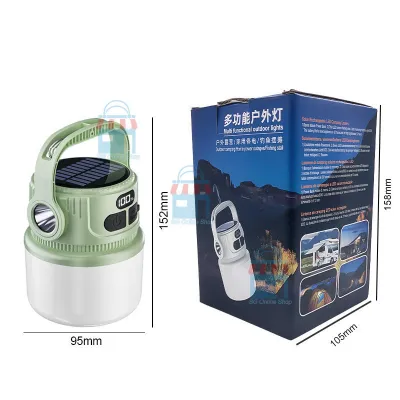
Prices are valid at publication and may change. Please refer to the product page for the latest price.
Luminous Efficacy: Lumens vs. Wattage
Luminous efficacy, measured in lumens per watt (lm/W), is the true indicator of how well a solar lantern converts stored electrical energy into visible light. A higher lm/W ratio means the LED chip requires less battery power to produce the same level of brightness, directly extending the lantern’s nightly runtime. When shopping, check the manufacturer’s technical specifications for this ratio or compare the total lumen output against the rated battery draw. High-quality LED chips can deliver over 100 lm/W, whereas cheaper, less efficient alternatives may draw excessive power and drain the battery prematurely.
Solar Panel Conversion Rates
Solar panels are responsible for converting sunlight into electrical energy, and their efficiency varies significantly by material type. Monocrystalline silicon panels are constructed from a single pure crystal structure, allowing electrons more room to flow. This design typically yields a solar conversion efficiency of 15% to 22%, making them highly suitable for space-constrained installations like HDB balconies or small garden patios. Polycrystalline panels, recognizable by their speckled blue appearance, generally operate at lower efficiencies (around 13% to 16%) and require a larger surface area to generate the same wattage, making them less ideal for compact solar lanterns.
Battery Chemistry and Thermal Stability
The battery is the heart of the solar lantern’s energy storage system, and its chemistry determines both performance and safety. Standard Lithium-ion (Li-ion) and Nickel-Metal Hydride (NiMH) batteries are common but suffer from faster degradation under high ambient temperatures. In contrast, Lithium Iron Phosphate (LiFePO4) batteries offer superior thermal stability, which is vital for Singapore’s year-round hot climate. LiFePO4 batteries also boast a significantly longer cycle life—often lasting over 2,000 charge-discharge cycles compared to the 300 to 500 cycles of standard Li-ion batteries—maintaining high storage efficiency for years.
Smart Power Management
True energy efficiency relies heavily on how the lantern manages its stored power throughout the night. Smart power management systems include integrated dusk-to-dawn sensors that automatically deactivate the light during daylight hours to prioritize charging. Some advanced models feature multi-stage dimming, motion-activated brightness boosts, or micro-USB/USB-C backup charging ports. These hybrid charging options allow you to manually top up the battery from a wall outlet during prolonged rainy spells, preventing deep battery discharge which can permanently damage the cells.
Recommended Brand Categories for Reliable Outdoor Performance
Rather than relying on volatile online marketplace brands, it is best to group your options into three highly reliable categories based on your specific outdoor lighting needs.

Established Global Lighting Brands
Legacy lighting manufacturers bring decades of optical engineering and rigorous quality control to their solar product lines. These brands prioritize high-efficiency LED chips, robust heat sinks, and certified weatherproofing. When you purchase from an established global brand, you generally receive accurate lumen ratings and verifiable Ingress Protection (IP) certifications rather than inflated marketing claims. This reliability reduces the risk of premature driver or battery failure in Singapore’s highly humid outdoor environments, making them a safe choice for long-term installations.
Specialized Solar and Outdoor Lighting Brands
These brands focus exclusively on off-grid lighting solutions, designing systems that maximize solar harvest and battery longevity. A key advantage of these specialists is their frequent use of split-design solar lanterns. In a split design, the solar panel is connected to the lantern via a weather-resistant cable, allowing you to position the panel in direct, unobstructed sunlight on a roof or pergola while hanging the lantern itself in a shaded patio, HDB balcony, or garden gazebo. They also tend to supply heavy-duty mounting hardware made of corrosion-resistant materials like stainless steel or UV-stabilized polymers.
Smart and Tech-Focused Brands
For homeowners looking to integrate outdoor lighting into a broader smart home ecosystem, tech-focused brands offer advanced control options. These lanterns utilize wireless protocols like Zigbee, Bluetooth, or Wi-Fi to connect to mobile applications. Through these apps, you can configure precise motion-sensing zones, set custom dimming schedules, and adjust light output based on real-time battery levels. By automatically dimming the light to a low ambient glow and only ramping up to full brightness when motion is detected, these smart fixtures dramatically extend their nightly operational hours.
Maximizing Energy Savings in Singapore's Tropical Climate
Singapore’s unique equatorial climate poses specific environmental challenges that directly affect solar charging efficiency and the physical durability of outdoor fixtures.
High Humidity and Rain
Singapore’s high relative humidity and frequent heavy downpours can easily cause moisture ingress in poorly sealed fixtures. Water penetration leads to internal condensation, short circuits, and rapid battery degradation. To prevent these issues, ensure your solar lantern lamp has a minimum rating of IP65, which indicates protection against dust ingress and low-pressure water jets. For completely exposed garden areas, an IP67 rating is preferred to withstand temporary submersion during severe flash floods.
Equatorial Sun and UV Exposure
The intense ultraviolet (UV) radiation near the equator can quickly degrade low-quality plastics. Cheap plastic covers over solar panels and LED lenses tend to yellow, cloud, or become brittle within a few months of exposure. This clouding acts as a physical barrier, significantly reducing the amount of sunlight reaching the solar cells and lowering the lantern’s charging efficiency. Prioritize brands that use UV-resistant polycarbonate or tempered glass covers, which retain their clarity and protect the internal components from solar degradation.
Shade Management
Urban architecture in Singapore, such as high-rise HDB estates, deep building eaves, and dense tropical foliage, can create substantial shade zones. A solar panel shaded for even a small portion of the day will experience a disproportionate drop in power output. Before mounting a fixed solar lantern, map the sunlight exposure of your desired spot throughout the day. If the area receives less than four to six hours of direct sunlight, opt for a split-design model so the solar panel can be mounted in an unshaded location.
Temperature Management
Solar panels and batteries actually operate less efficiently when they become excessively hot. High ambient temperatures accelerate the chemical degradation inside battery cells, reducing their overall capacity and lifespan. While solar panels must be placed in direct sunlight, try to position the battery compartment—if the design allows—in a slightly shaded or well-ventilated area. Ensuring adequate airflow around the fixture helps dissipate heat and preserves the battery’s health over time.
Specification Checklist: Comparing Solar Lantern Lamps
When comparing different solar lantern models on online platforms or in physical stores, use this structured checklist to verify their technical specifications. Always check the manufacturer’s official technical datasheet or manual rather than relying solely on e-commerce listing titles, which often feature exaggerated or unverified figures.
| Specification | Target Level for Singapore | Why It Matters |
|---|---|---|
| Panel Type & Wattage | Monocrystalline, 1.5W to 5W+ | Faster charging in limited space and overcast conditions. |
| Battery Type & Capacity | LiFePO4, 1,200mAh to 4,000mAh+ | Longer lifespan, high thermal stability in tropical heat. |
| Luminous Efficacy | 100+ lm/W (or high-quality LED chips) | Minimizes power draw while maintaining bright illumination. |
| IP Rating | IP65 (sheltered) or IP67 (fully exposed) | Prevents moisture ingress and internal short-circuiting. |
| Control Features | Dusk-to-dawn sensor, PIR motion sensor | Optimizes energy usage by dimming when no motion is detected. |
| Backup Charging | USB-C or Micro-USB port | Allows manual charging during prolonged monsoon seasons. |
Installation and Maintenance for Peak Efficiency
Proper installation and routine maintenance are essential to ensure your solar lantern lamp maintains its energy efficiency and structural safety over its lifespan.
Optimal Tilt and Orientation
Because Singapore is located near the equator, the sun’s path is almost directly overhead year-round. To maximize solar energy collection, solar panels should be mounted horizontally or at a very slight tilt of 5 to 15 degrees. This slight angle is crucial; it prevents rainwater from pooling on the surface and allows natural precipitation to wash away accumulated dust and debris, keeping the panel clear for maximum solar absorption.
Routine Cleaning
Over time, a thin layer of dust, pollen, soot from traffic, and bird droppings will accumulate on the solar panel’s surface. This debris blocks sunlight and can reduce charging efficiency by 20% or more. Make it a habit to wipe the solar panel weekly with a soft, damp microfiber cloth. Avoid using abrasive sponges or harsh chemical cleaners, as these can scratch the protective glass or plastic cover and permanently scatter incoming sunlight.
Safety and Mounting
When installing wall-mounted or heavy hanging solar lanterns, structural safety is paramount. Ensure you use appropriate wall plugs, anchors, and stainless steel screws suitable for the specific surface material, whether it is concrete, brick, or timber. For installations at significant heights, near electrical wiring, or in damp areas, always consult a qualified professional to ensure secure mounting and prevent electrical hazards. Always isolate any backup mains power sources before performing installation or maintenance.
Battery Care
If you notice your solar lantern’s runtime has significantly decreased despite sunny weather, the battery may be reaching the end of its operational lifespan. Always refer to the manufacturer’s instructions for safe battery replacement procedures. Ensure you use a replacement battery with the exact voltage, chemistry, and capacity specifications recommended by the manufacturer. Never attempt to force open a sealed, non-replaceable battery compartment, as this will destroy the waterproof seals, void the warranty, and create safety risks.
Frequently Asked Questions (FAQ)
Do solar lanterns charge effectively during the monsoon season?
Yes, but at a reduced rate. During Singapore’s monsoon seasons, prolonged cloud cover and heavy rain significantly lower the amount of solar radiation reaching the panel. However, high-efficiency monocrystalline panels can still harvest diffuse sunlight on overcast days, generating enough power for basic, low-intensity lighting. To ensure reliable performance during these periods, look for solar lantern lamps that feature large-capacity batteries and smart energy-saving modes, such as motion sensors or low-power dimming settings. Additionally, choosing a model with an integrated USB-C or micro-USB backup port allows you to manually charge the lantern indoors when consecutive days of heavy rain prevent adequate solar charging.
Can I replace the built-in battery if it stops holding a charge?
Whether you can replace the battery depends entirely on the design of the specific solar lantern lamp. Many high-quality, specialized outdoor brands design their fixtures with accessible, gasket-sealed battery compartments, allowing you to easily swap out degraded cells using standard rechargeable batteries of the same chemistry and voltage. Conversely, some decorative or budget-friendly models are built as completely sealed, single-use units to simplify manufacturing and guarantee water resistance. Attempting to pry open a sealed unit will permanently damage its waterproof integrity, void the manufacturer’s warranty, and expose the internal electronics to moisture. Always check the product specifications or user manual for battery replaceability before purchasing.
Community discussion
Share your experience or ask a question. Comments are reviewed before publication.