
Selecting the right ergonomic chair cover for a Singapore home office requires balancing personal style with the practical demands of a tropical climate. A well-chosen cover protects your investment from daily wear, sweat, and dust while allowing the chair’s built-in support systems to function as intended. By focusing on breathable fabrics, secure attachment methods, and cohesive design aesthetics, you can elevate your workspace without sacrificing physical comfort.
Because ergonomic chairs are engineered with precise contours, adding an aftermarket cover can alter how the seat and backrest interact with your body. The ideal cover should fit snugly, stretching over the curves of the chair rather than sagging or creating tight, rigid tension points. Understanding how different materials and styles perform in a home environment is the first step toward creating a comfortable, visually appealing workspace.
Key Factors for Choosing an Ergonomic Chair Cover
Before browsing colors and patterns, establish the functional criteria your chair cover must meet. The primary purpose of a cover is to shield the original upholstery from friction, spills, and body oils without flattening the ergonomic contours of the seat. If a cover is too thick or rigid, it can render adjustable lumbar supports and specialized seat pans ineffective.
Products mentioned in this guide
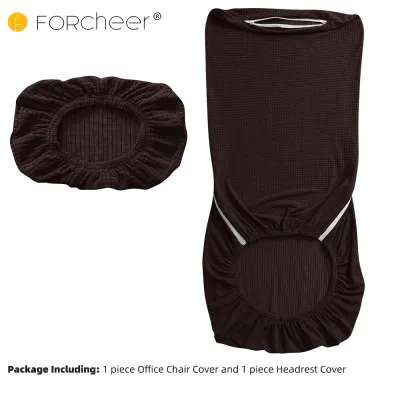
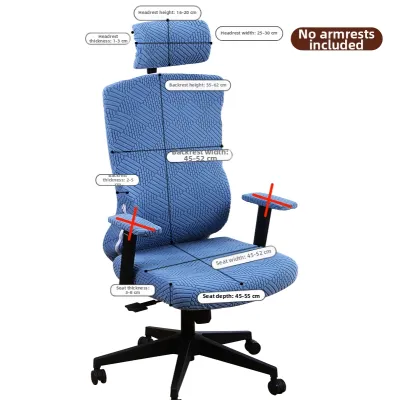
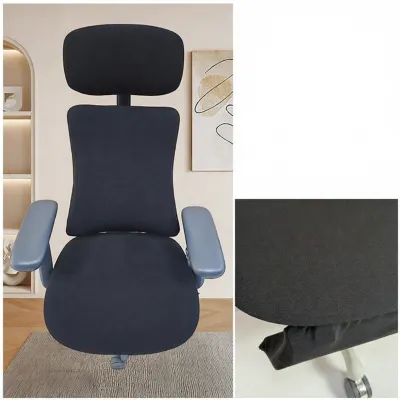
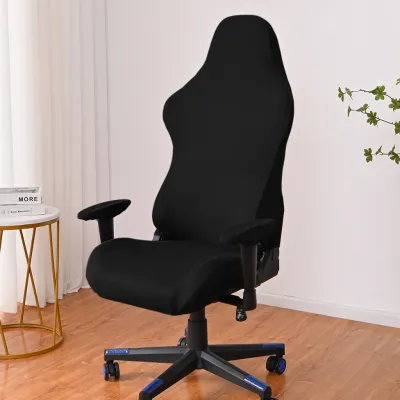
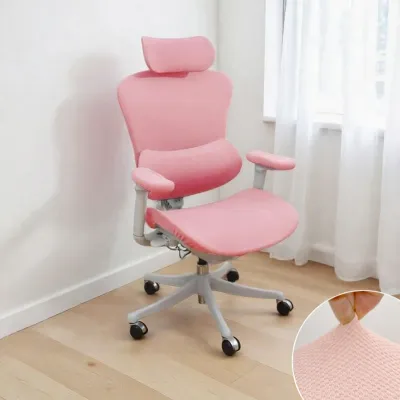
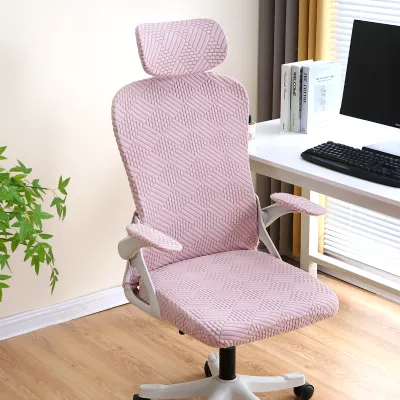
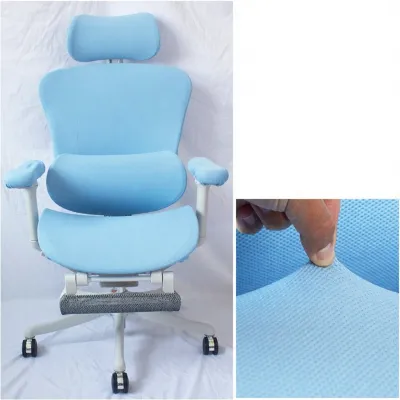
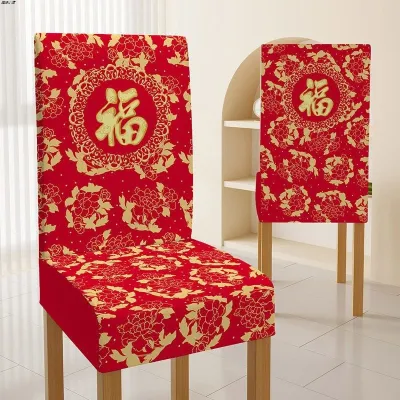
Prices are valid at publication and may change. Please refer to the product page for the latest price.
Material stretch and breathability are critical for maintaining comfort. High-stretch fabrics, such as polyester-spandex blends, conform closely to the chair’s shape, ensuring that the dynamic movement of the backrest is not restricted. In Singapore’s warm and humid climate, choosing a fabric with an open weave or moisture-wicking properties prevents heat from trapping against your back during long working hours.
Attachment mechanisms dictate how well the cover stays in place during daily use. Look for covers featuring robust elastic edges, adjustable under-seat straps, or heavy-duty zippers. Loose covers tend to slide, which can cause you to slip out of a neutral posture and strain your lower back. Ensure these fasteners do not scratch the plastic or metal components of your chair frame.
Compatibility with adjustable features must be verified before purchase. Many ergonomic chairs feature independent headrests, 4D armrests, and external lumbar pads. A universal full-body cover may block these adjustment points, so you may need to opt for a multi-piece cover set that wraps the seat and backrest separately.
Colorfastness and resistance to friction are essential for home offices that receive direct sunlight. UV rays coming through study windows can quickly fade cheap dyes, while constant shifting during the workday can cause thin fabrics to pill or tear. Checking the material specifications for high abrasion resistance ensures the cover remains presentable over years of use.
Ergonomic Chair Cover Styles for Different Home Office Aesthetics
Integrating an ergonomic chair into your home decor can be challenging, as industrial office designs often clash with residential warmth. A stylish cover acts as a bridge, softening the technical appearance of plastic frames and mesh backrests. By selecting specific textures and tones, you can align your seating with the broader design theme of your room.

Whether your home office is a dedicated room or a corner of your living space, the chair is often the largest visual element. Transitioning from standard office black to a curated palette can make the entire room feel more cohesive and inviting.
Minimalist and Modern Styles
Minimalist workspaces rely on clean lines, uncluttered surfaces, and a restricted color palette to foster focus. For this aesthetic, choose sleek, low-profile covers in solid neutral tones such as slate grey, soft taupe, off-white, or charcoal. These shades blend into the background, reducing the visual weight of a bulky ergonomic chair.
Smooth, tightly woven fabrics with matte finishes work best in modern interiors. Avoid bulky textures, prominent ribbing, or loud geometric patterns, as these elements disrupt the clean architectural lines of minimalist furniture. The goal is to make the cover look like the chair’s original upholstery rather than an obvious add-on.
To achieve this seamless look, prioritize a tailored fit. Covers designed specifically for your chair model, or high-stretch universal covers that can be tucked tightly into the crevices of the seat frame, preserve the streamlined silhouette of modern ergonomic designs.
Warm and Textured Styles
If your home office follows a Scandinavian, bohemian, or rustic design theme, adding tactile warmth can make the space feel cozy and grounded. Earthy tones like sage green, terracotta, warm beige, and muted mustard complement natural wood desks and indoor plants beautifully.
Linen-look polyester blends and subtle waffle-weave fabrics introduce depth and texture without looking messy. These materials soften the cold, mechanical feel of ergonomic chairs, making them feel more appropriate for a residential setting. However, heavy textures can sometimes restrict airflow, so it is important to balance visual warmth with physical comfort.
If you are concerned about heat buildup on a mesh chair, consider using a lightweight, textured seat-only cover. You can then layer the look with a small, breathable throw pillow in a complementary accent color, which provides a touch of style without covering the breathable mesh backrest entirely.
Professional and Executive Styles
For traditional study rooms, home libraries, or dedicated corporate workspaces, a professional and executive style projects authority and refinement. Dark, structured fabrics in classic colors like navy blue, deep forest green, or rich burgundy hide daily wear while maintaining a formal appearance during video calls.
Faux leather and premium velvet covers offer a sophisticated look, but they require careful consideration. In a non-air-conditioned room, faux leather can feel sticky against the skin, while low-quality velvet may trap heat. If you prefer these materials, ensure your workspace is consistently climate-controlled and verify that the fabric has a breathable backing.
Durability is paramount for executive styles, as heavy fabrics are prone to peeling, cracking, or crushing under daily use. Look for heavy-duty commercial-grade polyester weaves that mimic the look of wool or tweed, offering a high-end corporate aesthetic with superior breathability and wear resistance.
How to Ensure Comfort and Functionality
An attractive cover is of little use if it compromises the physical support your chair is designed to provide. When installing a cover, check that all adjustable parts—such as armrest height sliders, seat depth adjusters, and tilt tension knobs—remain fully accessible and easy to operate. If a cover wraps too tightly around the armrest supports, it may prevent them from lowering or pivoting.
Pay close attention to how the cover affects ventilation. Mesh chairs are highly valued in Singapore for their ability to keep the body cool. Covering a mesh backrest with a thick, non-breathable polyester fabric can lead to discomfort and sweating during long afternoon sessions. If you notice heat building up, switch to a highly breathable open-knit cover or a seat-only cushion protector.
Test the anti-slip properties of the cover immediately after installation. Sit down, shift your weight, and stand up several times to see if the fabric bunches or slides forward. A cover that slips forces your body to constantly compensate, leading to poor posture, muscle fatigue, and lower back discomfort. If the cover moves, secure it with additional non-slip matting underneath or adjust the tension straps.
Establish a clear stopping condition for cover usage. If you experience unusual back pain, neck strain, or increased body heat after installing a cover, remove it to determine if the fabric is altering the chair’s ergonomic geometry. Additionally, check your chair’s warranty terms, as some manufacturers specify that using unapproved aftermarket modifications or tight covers that stress the frame can void your coverage.
Quick Comparison of Cover Materials and Styles
To help you decide which option best suits your home office, the table below compares common cover materials based on style, comfort, and maintenance requirements.
| Material Type | Best-Suited Decor Style | Breathability Level | Stretchability | Care Instructions | Recommended Coverage |
|---|---|---|---|---|---|
| Spandex-Polyester Blend | Minimalist / Modern | Moderate to High | Very High | Machine washable, quick-drying | Full-chair or two-piece sets |
| Linen-Look Polyester | Scandinavian / Cozy | High | Low to Moderate | Machine washable, air dry | Seat-only or loose-fit backrests |
| Faux Leather | Executive / Traditional | Low | Low | Wipe clean with a damp cloth | Seat-only cushion covers |
| Heavy Cotton Canvas | Rustic / Industrial | Moderate | Low | Machine washable, prone to shrinking | Heavy-duty seat protection |
Frequently Asked Questions (FAQ)
Can I use a fabric cover on a mesh ergonomic chair?
Yes, you can use a fabric cover on a mesh ergonomic chair, but doing so will reduce the chair’s natural airflow. In a warm environment, wrapping a mesh backrest in a standard fabric cover can trap body heat, leading to discomfort. If you want to protect the chair or change its color, opt for a highly stretchable, thin mesh cover or a seat-only cushion cover. This keeps the backrest open to room ventilation while protecting the areas most vulnerable to spills and wear. Always check if the cover fabric is rated for high breathability before installing it over mesh.
How do I measure my ergonomic chair for a universal cover?
To ensure a proper fit, use a flexible measuring tape to record three key dimensions: the backrest height (from the seat seam to the top edge), the backrest width (at the widest point), and the seat cushion dimensions (depth from front to back, and width from side to side). If your chair has a prominent, non-removable lumbar support pad or a built-in headrest, measure the circumference around these areas as well. Compare these numbers against the maximum stretch limits provided by the cover manufacturer. If your measurements are near the upper limit of a size range, choose the larger size to prevent the fabric from over-stretching and flattening the chair’s ergonomic curves.
Community discussion
Share your experience or ask a question. Comments are reviewed before publication.