
Setting up a sacred space at home brings peace, clarity, and spiritual focus to your daily life. A complete, functional home altar relies on a carefully selected set of core brass pooja utensils that balance ritual utility with aesthetic harmony. Brass is traditionally favored for its durability, acoustic resonance, and spiritual significance. To set up a standard home altar, you will need a stable diya (oil lamp), a water vessel (Panchapatra) with a spoon (Uddharani), an incense or camphor burner, a ringing bell (Ghanti), and a central organizing tray (Puja Thali). Selecting high-quality brass pooja items ensures your altar remains a beautiful, durable, and safe focal point for generations.
Assessing Your Space and Daily Ritual Needs
Before purchasing any brass pooja items, evaluate the physical dimensions of your home altar and the frequency of your worship. Modern housing options, such as compact HDB flats and condominiums, often feature limited space, requiring wall-mounted shelves, small niches, or dedicated corner cabinets. In contrast, landed properties may accommodate larger, standalone mandir rooms. Your spatial constraints will directly dictate the size and number of brass items you can safely display.
Daily prayers generally require a streamlined, minimal setup to avoid clutter and keep maintenance manageable. If your routine consists of a quick morning prayer, a single small diya, a water vessel, and an incense holder are sufficient. For elaborate festive rituals, weekly prayers, or family gatherings, you may want to introduce larger pedestal lamps, multiple offering bowls, and decorative accents.
Products mentioned in this guide
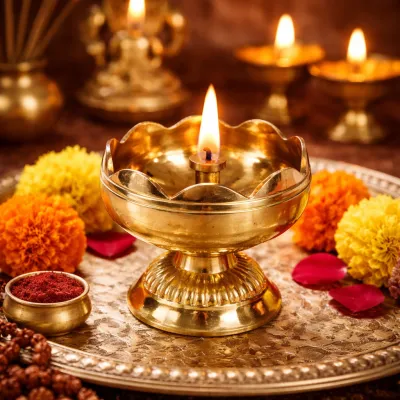
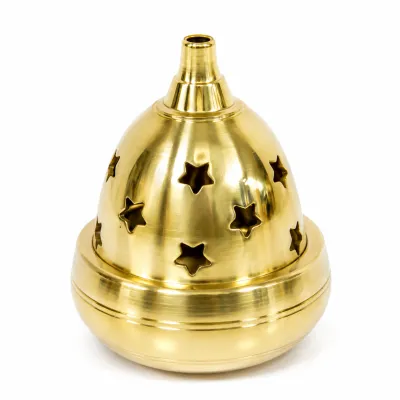
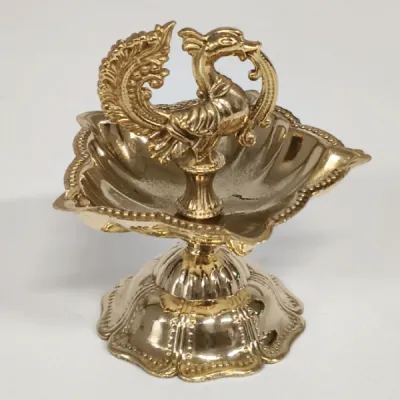
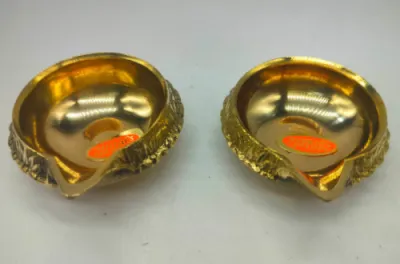
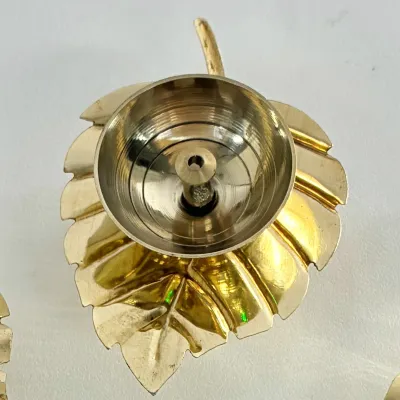
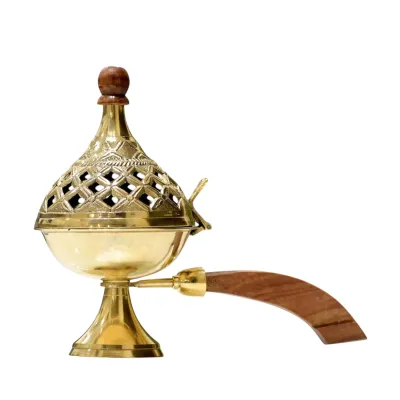
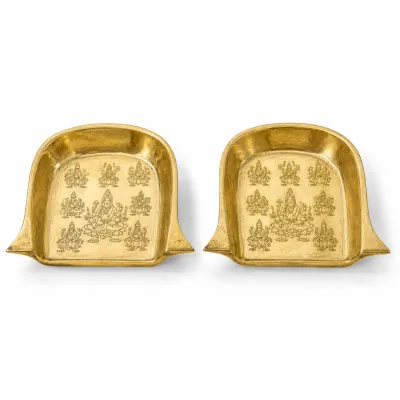
Prices are valid at publication and may change. Please refer to the product page for the latest price.
Establish a clear decision framework before shopping. Measure the depth, width, and height clearance of your altar shelf. Ensure there is enough clearance for safe movement and fire safety. A crowded altar increases the risk of accidental spills or fire hazards. For budget planning, basic brass items can range from affordable pieces under S$20 to heavy, hand-cast heritage collections that exceed S$150. Choosing the right size and quantity of items ensures a balanced, beautiful, and safe worship environment.
The Core Brass Pooja Items for Every Home Altar
A functional daily prayer setup relies on a few essential brass pooja items. These pieces serve specific ritual purposes while contributing to the overall aesthetic of your sacred space.

Diyas and Oil Lamps
The diya, or oil lamp, is the heart of any home altar. Lighting the lamp represents the removal of darkness and invites positive energy into the home. For daily use, a small, single-wick brass diya is highly practical, as it is easy to clean and requires less oil. For special occasions or larger altars, you might choose a multi-wick lamp or a tall pedestal lamp (Kuthu Vilakku) to create a striking visual balance.
When selecting a diya, check the base width and the bowl depth. A wide, heavy base ensures the lamp remains stable and does not tip over easily. The bowl should be deep enough to hold sufficient oil or ghee for your intended prayer duration, preventing overflow and ensuring the flame burns steadily without drying out too quickly.
Water and Offering Vessels (Panchapatra, Uddharani, Kalash)
Water plays a vital role in daily purification rituals. The Panchapatra (a small cylindrical water vessel) and the Uddharani (a small brass spoon) are paired essentials used for offering water (Arghyam) and performing daily ablutions. These items should be placed within easy reach on your altar.
The Kalash is a sacred brass pot with a wide base and a narrow neck, often used to seat deities or hold holy water during auspicious ceremonies. When choosing these vessels, select capacities that match your daily offering volume. A small or medium Panchapatra is ideal for daily use, preventing stagnant water accumulation and minimizing waste.
Aarti Essentials (Incense Holders and Camphor Burners)
Fragrance and flame are key sensory elements in Hindu worship, helping to focus the mind and purify the air. A dedicated dhoop or incense holder is necessary to keep incense sticks or cones upright. Ensure the holder features a broad, integrated ash catcher to protect your altar surface from hot ash, which can cause permanent scorch marks on wood or stone.
The camphor burner, or aarti diya, is used to perform the ceremonial waving of the flame. Because camphor burns at a high temperature, choose a burner with a sturdy, heat-resistant base and an insulated handle. Handles wrapped in brass wire, wood, or designed with a thick, elongated grip will remain cool to the touch, ensuring safety during the circular motion of the aarti.
The Puja Thali and Bell (Ghanti)
The Puja Thali is a central organizing plate that keeps your altar tidy. It holds smaller items like kumkum (vermilion), haldi (turmeric), flowers, and offering sweets in one place, preventing stains on the altar platform. A medium-sized thali with raised edges is highly practical for keeping items secure.
The Ghanti, or prayer bell, is rung to begin and end prayers, signaling the start of worship and clearing the mind. When buying a bell, test the resonance and check the handle grip. Heavier, solid brass bells cast with traditional metal compositions produce a clearer, deeper, and longer-lasting chime compared to thin, lightweight alternatives.
Optional Brass Additions for Festivals and Larger Altars
If you have a larger altar or wish to expand your setup for festive occasions, several supplementary brass items can enhance your worship space without creating unnecessary clutter.
- Shankh (Conch Shell) and Stand: The Shankh is a symbol of purity and auspiciousness. If you include a conch shell on your altar, pair it with a dedicated brass stand to keep it stable, elevated, and safely positioned.
- Hanging Brass Lamps: Hanging diyas or chain-linked lamps add beautiful vertical interest to a home mandir. However, safety is paramount. For suspended loads, verify the ceiling's load-bearing capacity and use secure, heavy-duty anchors. If you are unsure about the ceiling material or structural integrity, consult a qualified professional installer. Ensure hanging lamps do not swing near curtains, backdrops, or other flammable materials.
- Deity Murtis and Mukhalingam: Solid brass statues or a Mukhalingam can serve as beautiful focal points. Before purchasing heavy brass statues, ensure your altar shelf or cabinet is structurally rated to support their weight, especially for larger pieces that can weigh several kilograms.
- Decorative Accents: Brass lotus flowers, peacock figurines, or small urli bowls filled with water and floating petals can be placed around the altar. These items enhance the aesthetic appeal of your space without requiring specific daily ritual actions.
Evaluating Brass Quality, Weight, and Finish
To ensure your brass pooja items are durable, safe, and easy to maintain, it is important to evaluate their quality, weight, and finish before making a purchase.
First, learn to distinguish solid brass from brass-plated items. Solid brass is heavy, non-magnetic, and has a consistent golden hue. You can check this by testing the item with a small magnet; if the magnet sticks, the item is brass-plated steel or iron. Lightweight items with visible seams or silver-colored metal showing through scratches are likely plated and will degrade quickly over time.
Wall thickness is another key quality indicator. Thicker brass vessels and lamps offer superior heat resistance, do not warp under high temperatures, and resist denting if accidentally dropped.
Consider which finish best suits your home decor and lifestyle:
- High-Polish: This finish offers a bright, reflective, traditional golden look. It is highly striking but requires regular polishing to maintain its shine and prevent tarnishing.
- Antique or Oxidized: Featuring a darker, weathered appearance, this finish is excellent for a heritage look. It is very low-maintenance, as it naturally hides tarnish and fingerprint marks.
- Matte: A modern, understated option, a matte finish fits seamlessly into contemporary, minimalist home interiors while retaining the warmth of brass.
Safe Placement and Humid-Climate Maintenance
Using fire elements on a home altar requires strict safety precautions, while Singapore’s tropical climate demands specific maintenance routines to keep brass looking its best.
Always maintain a safe clearance of at least 30 to 50 cm between open flames (diyas, camphor burners) and flammable decor, backdrops, paper garlands, or wooden shelves. Ensure the room is well-ventilated to prevent smoke buildup. Place hot brass items on heat-resistant mats, such as marble, slate, or ceramic tiles, to protect wooden altar surfaces.
Singapore’s high relative humidity accelerates the oxidation process, causing brass to tarnish and develop dark spots quickly. To keep your brass pooja items clean, establish a regular, reversible cleaning routine using mild, natural household acids. First, check the manufacturer’s care instructions for your specific items.
- Remove Oil and Wax: Wash the items with warm water and mild dish soap to remove oil residue and leftover wax.
- Apply a Natural Cleaner: Create a paste of fresh lemon juice mixed with baking soda, or use natural tamarind paste. Apply the paste gently to the brass surface to dissolve light tarnish without scratching the metal.
- Rinse Thoroughly: Rinse the items with clean, warm water to remove all traces of the cleaning paste.
- Dry Completely: This is the most critical step. Dry each piece immediately and thoroughly using a clean, soft microfiber cloth. Any remaining water droplets will leave stubborn water spots and accelerate oxidation in a humid environment.
For heavily corroded, antique, or structurally compromised heirloom brass pieces, stop and consult a professional restorer. Do not use abrasive scrubbers, steel wool, or harsh chemical cleaners, as these can strip away protective coatings or damage delicate engravings.
Frequently Asked Questions (FAQ)
Can I mix brass with other metals on my puja altar?
Yes, mixing metals is highly common and acceptable in modern home altars. You can easily pair brass lamps with silver-plated idols or copper vessels to create a beautiful, layered aesthetic. While traditional guidelines sometimes prefer keeping metals consistent for specific ritual vessels (such as using pure copper or brass for water offerings), decorative mixing is widely practiced. If you wish to adhere to strict ritual rules, check your specific family or regional traditions.
How do I safely store brass pooja items when not in use?
Before storing seasonal or festive brass items, clean them thoroughly to remove all oil, wax, and ash residues, and ensure they are 100% dry. Wrap each piece individually in soft, acid-free tissue paper, cotton cloth, or velvet pouches. This prevents scratching and minimizes exposure to air, slowing down the oxidation process. Avoid using plastic bags or bubble wrap directly against the metal, as they can trap moisture and cause uneven tarnishing or dark spots.
Community discussion
Share your experience or ask a question. Comments are reviewed before publication.