
Setting up a home pooja altar is a deeply personal and spiritually significant journey that transforms a corner of your living space into a sanctuary of peace, mindfulness, and devotion. At the heart of this sacred setup are the deity figurines, which serve as focal points for daily prayers, meditation, and rituals. Selecting the right Indian pooja items requires balancing family traditions, spiritual goals, and the physical constraints of your home environment.
Creating a dedicated prayer space helps establish a daily routine of gratitude and reflection. Whether you are setting up a large, hand-carved wooden mandir or a compact wall-mounted shelf, the figurines you choose will shape the energy and focus of your daily worship. By understanding the traditional significance, material durability, and proper placement of these sacred sculptures, you can curate an altar that brings harmony and spiritual comfort to your household.
Identifying Core Deities Based on Family Traditions
Hindu worship is highly personalized and diverse, meaning there is no single mandatory list of deities that applies to every household. Instead, the foundation of your home altar should reflect your family’s ancestral lineage and your personal spiritual path. Understanding the roles of different deities helps you make intentional choices that align with your heritage.
Products mentioned in this guide
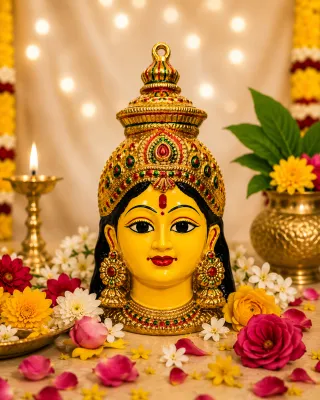
Prices are valid at publication and may change. Please refer to the product page for the latest price.
Your family deity, known as the Kuladevata, is the foundational deity whose worship is passed down through generations. Honoring your Kuladevata maintains a vital link to your ancestral roots and ensures the continuity of family blessings within your home. Even if you reside far from your ancestral home, keeping a representation of this deity on your altar is considered highly auspicious.
Your personal deity, or Ishta Devata, is the form of the divine that resonates most deeply with your individual heart and spiritual aspirations. This choice is entirely personal and guides your daily chanting, meditation, or quiet contemplation. Many households naturally include both the family deity and the personal deities of individual family members to create a harmonious shared worship space.
In addition to these, some families choose to honor their Gramadevata, which is the guardian deity of their ancestral village or region. While less common in modern urban apartments, keeping a small representation of a regional deity can be a meaningful way to preserve cultural connections. These choices reflect the beautiful adaptability of traditional worship to modern living situations.
Before purchasing any figurines, it is highly recommended to consult family elders or a knowledgeable priest. They can provide invaluable guidance on specific lineage requirements, traditional rituals, and any sectarian customs unique to your family. This step ensures that your altar setup is both personally meaningful and culturally respectful.
Commonly Revered Deities and Their Symbolic Roles
When selecting figurines for your home altar, it is helpful to understand the specific blessings and aspects of life that different deities represent. Choosing figurines with clear symbolic roles can help you focus your intentions during daily prayers and rituals.

Lord Ganesha is traditionally considered the foundation of any new altar or prayer space. Known as the remover of obstacles and the patron of new beginnings, Ganesha is always worshipped first in any ritual. Placing a Ganesha figurine on your altar helps invite positive energy and ensures that your spiritual practices and daily endeavors proceed smoothly.
For households focusing on prosperity, wisdom, and well-being, the combination of Goddess Lakshmi and Goddess Saraswati is highly favored. Lakshmi represents wealth, abundance, and spiritual prosperity, while Saraswati embodies knowledge, wisdom, and the arts. Together, they bring a balanced flow of material and intellectual growth to the household, reminding us to pursue both wealth and wisdom.
Depending on your family’s sectarian devotion, you may also choose to include figurines of Lord Shiva, Lord Vishnu, or His popular avatars like Lord Krishna. Shiva represents inner peace, meditation, and the transformation of consciousness, making Him ideal for those focused on yoga and contemplation. Vishnu and Krishna represent love, duty, and cosmic order, offering a path of deep devotion and daily chanting.
While it can be tempting to collect many beautiful figurines when browsing local specialty shops or online marketplaces, it is important to avoid overcrowding your altar. A crowded space can dilute your focus and make daily maintenance and cleaning difficult. It is far better to select a few highly meaningful figurines that you can worship with full attention and care every day, rather than accumulating pieces that sit neglected.
Evaluating Material, Size, and Craftsmanship
Selecting the right material, size, and craftsmanship for your deity figurines ensures that they are durable, easy to maintain, and visually suited to your prayer space. Since these items are meant to be kept for many years, investing time in evaluating these factors is essential.
Brass is one of the most popular and traditional materials for Indian pooja items due to its durability and classic golden appearance. Solid brass figurines can withstand daily bathing rituals, known as Abhishekam, and develop a beautiful, rich patina over time. They are also relatively easy to clean and polish, making them a practical choice for busy households.
Marble and stone figurines offer a serene, classic look that is excellent for larger, permanent altars. While highly durable, marble requires careful handling to avoid staining from oils, turmeric, or saffron used during rituals. Wood, such as sandalwood or rosewood, brings a warm, organic feel to the altar, but must be protected from excessive moisture and direct contact with water to prevent warping.
Resin and polyresin figurines have become popular in modern homes because they are lightweight, affordable, and allow for highly detailed, colorful painting. While they are practical for small shelves or temporary setups, they may not withstand traditional bathing rituals as well as metal or stone. If you plan to perform daily water or milk offerings, solid metal or stone is generally preferred.
Matching the size of the figurines to the physical dimensions of your pooja mandir or shelf is crucial for maintaining visual balance. In modern urban homes, where space is often limited, compact figurines ranging from three to six inches in height are usually ideal. A figurine that is too large can overwhelm a small shelf, while tiny figurines might get lost on a spacious altar.
When evaluating craftsmanship, inspect the details of the figurine closely before making a purchase. Look for facial symmetry, as the expression of the deity should evoke a sense of peace, compassion, and devotion. Check for clear iconography, ensuring that traditional symbols, weapons, and hand gestures are accurately represented and that the finishes are smooth and free from sharp edges.
Placement Guidelines and Vastu Principles
Arranging your deity figurines according to traditional Vastu principles helps create a balanced, respectful, and spiritually vibrant environment. These guidelines ensure that the energy of the prayer space flows harmoniously throughout your entire home.
According to traditional guidelines, deity figurines should always be placed at a height where their feet are at the worshipper’s chest level when standing or sitting. Avoid placing deities directly on the floor, as this is considered disrespectful. Using a small wooden pedestal, a raised platform, or a dedicated pooja mandir helps elevate the figurines appropriately.
The ideal direction for a home pooja altar is the North-East corner of the house, often referred to as the Ishanya corner. When praying, the worshipper should ideally face East or North, which means the deity figurines themselves will face West or South. If the North-East corner is not available due to your home’s layout, the East or North walls are excellent alternative locations.
When arranging multiple deities on a single altar, specific grouping rules should be followed to maintain traditional order. Lord Ganesha is typically placed to the left of Goddess Lakshmi, while Goddess Saraswati is placed to the right of Lakshmi. If you have a family deity, they should occupy the central or most prominent position on the altar.
Ensure that the figurines do not face each other directly, and leave a small gap between each piece to allow for easy cleaning and to maintain a sense of respectful space. The altar area must remain clean, well-ventilated, and free from clutter. Avoid storing non-sacred items, such as household keys, bills, or general storage boxes, inside or directly underneath the pooja mandir.
Proper lighting is also essential for creating a welcoming and peaceful ambiance. You can use traditional oil lamps, brass diyas, or soft, warm LED lights to illuminate the altar. If you live in a modern apartment with smoke detectors, consider using smokeless tea light candles or low-wattage electric lamps to keep the space bright and safe without triggering alarms.
Caring for and Maintaining Deity Figurines
Regular care and respectful maintenance of your deity figurines preserve their physical beauty and extend their lifespan. Establishing a gentle cleaning routine ensures that your sacred items remain bright and free from dust and ritual residue.
Different materials require specific cleaning methods to avoid damage. For brass figurines, a gentle polish using a natural paste made of tamarind and water, or a specialized brass cleaning powder, will effectively restore their golden shine. Avoid using highly abrasive scrubbers or steel wool, as these can scratch the metal surface and dull the fine details of the carving.
For marble, stone, or wooden figurines, use a soft, dry microfiber cloth to wipe away dust, incense ash, and oil residue daily. If a deeper clean is needed, wipe the surface with a slightly damp cloth and dry it immediately with a soft towel. Avoid soaking wooden figurines in water or using acidic cleaning agents on marble, as these can cause warping or etching.
Always handle sacred figurines with clean, washed hands as a mark of respect and to prevent the transfer of oils and dirt from your skin. Avoid using harsh chemical household cleaners, bleach, or strong detergents, especially on painted or delicate resin pieces, as these chemicals can strip away colors and damage protective finishes.
If you inherit an antique family heirloom or possess a highly delicate, hand-painted sculpture that has sustained damage, do not attempt complex DIY repairs. Consult a professional restorer who specializes in sacred art or metalwork to preserve the piece’s integrity. Taking proper care of your figurines ensures they can be cherished and passed down through generations.
Frequently Asked Questions (FAQ)
Can I keep multiple forms of the same deity on one altar?
It is generally recommended to avoid keeping duplicate identical idols of the same deity on a single altar, as this can clutter the space and distract from focused worship. However, keeping different forms or avatars of a deity—such as Lord Krishna as a baby alongside a standing form of Radha-Krishna—is perfectly acceptable if it aligns with your specific daily worship practices and family traditions. The key is to ensure that each figurine has a clear, distinct purpose in your daily prayers.
What should I do with a damaged or broken deity figurine?
In Hindu tradition, a chipped, cracked, or damaged deity figurine is generally not kept on the altar for active worship, as it is believed to no longer hold the sacred energy of the deity. Instead of discarding it in regular household trash, which is considered highly disrespectful, follow traditional disposal methods. The most common practice is immersion in a clean, flowing body of water, or burying the figurine in a clean, undisturbed spot in nature where it will not be stepped on.
Are there specific days considered auspicious for bringing new figurines home?
Yes, bringing a new deity figurine home is often timed with auspicious festivals and days to invite positive energy into the household. Occasions like Diwali, Navratri, Ganesh Chaturthi, or Akshaya Tritiya are highly favored for purchasing and installing new pooja items. Many families also prefer bringing new items home on Thursdays or Fridays, which are traditionally associated with spiritual learning and prosperity. To find the most suitable date for your household, consult a local Hindu calendar or speak with a temple priest.
Community discussion
Share your experience or ask a question. Comments are reviewed before publication.