
When selecting a cob led light for emergency use in a Housing & Development Board (HDB) flat, homeowners must look beyond basic illumination. Because Singapore’s residential environments feature distinct spatial layouts, concrete walls, and strict housing regulations, a generic emergency light may not perform safely or effectively. The ideal fixture must combine reliable battery backup, glare-controlled illumination, and non-invasive mounting solutions that comply with HDB Household Shelter guidelines.
Evaluating these features systematically ensures that your household remains safe and compliant. By understanding the technology, electrical requirements, and structural constraints of your flat, you can select a high-quality brand that delivers reliable performance during a power outage or localized circuit trip.
Why a COB LED Light is the Ideal Choice for HDB Emergency Needs
Chip on Board (COB) technology represents a significant advancement over older Surface Mounted Device (SMD) light-emitting diodes. In a COB module, multiple individual LED silicon chips are packaged tightly together on a single ceramic or copper substrate. This dense arrangement allows the chips to function as a single, highly concentrated light source rather than a series of scattered, individual points of light.
Products mentioned in this guide
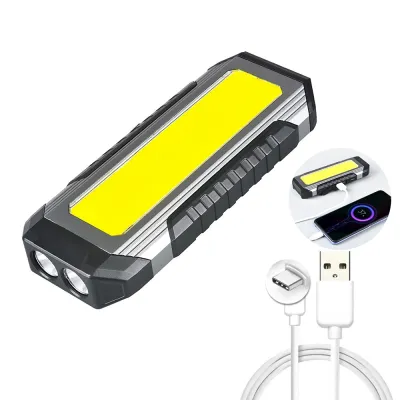
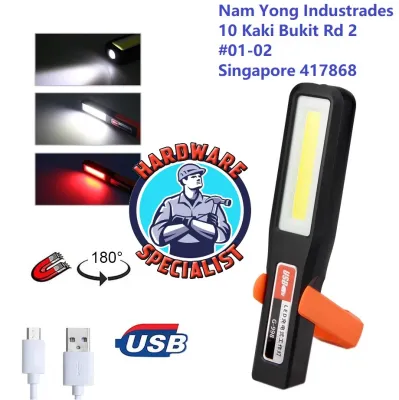
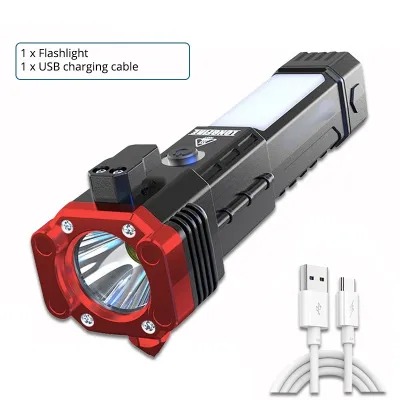
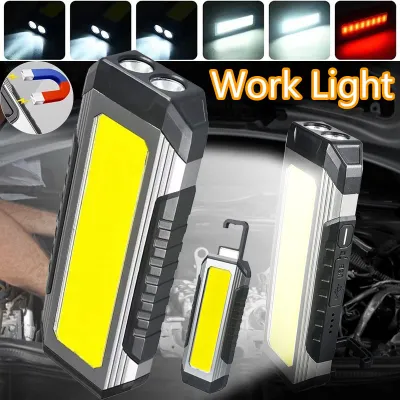
Prices are valid at publication and may change. Please refer to the product page for the latest price.
This uniform light distribution is highly beneficial within the compact confines of an HDB flat. Traditional SMD emergency lights often produce a harsh “multi-shadow” effect and intense point-source glare. In narrow HDB corridors, small bedrooms, or utility yards, this pixelated glare can bounce off polished homogeneous tiles or glossy painted walls, causing temporary visual impairment when your eyes are adjusting to sudden darkness. A COB module emits a smooth, wide-angle flood of light that minimizes harsh shadows, making it much easier to navigate tight spaces safely.
Furthermore, COB designs offer superior thermal management and energy efficiency. Because the individual chips are mounted directly to the substrate, heat is dissipated much more effectively than in traditional setups. Lower operating temperatures extend the operational life of the LED module and protect the sensitive rechargeable batteries housed within the same fixture. This efficiency allows manufacturers to build incredibly slim, low-profile emergency lights. Instead of installing bulky, industrial “twin-spot” fixtures that clash with your home decor, you can choose sleek, minimalist panels that blend seamlessly with modern Japandi, Scandinavian, or industrial HDB interior themes.
Critical Features to Evaluate Before Buying
Selecting the right emergency light requires a careful look at the technical specifications. You must verify that the fixture’s power, brightness, and mounting capabilities align with both your safety expectations and the physical structure of your flat.

Battery Capacity and Backup Duration
- Battery Chemistry: Most modern emergency lights utilize either Lithium-ion (Li-ion), Lithium Iron Phosphate (LiFePO4), or Nickel-Cadmium (Ni-Cd) batteries. Li-ion and LiFePO4 batteries are highly recommended for residential use due to their superior energy density, lighter weight, and low self-discharge rates. Ni-Cd batteries, while durable in high-temperature commercial environments, are bulkier, suffer from the "memory effect" where partial discharges reduce overall capacity, and contain toxic heavy metals.
- Rated Backup Duration: In Singapore, standard emergency lighting guidelines for commercial and common areas require a minimum backup duration of 90 minutes. For your private HDB flat, you should seek brands that guarantee at least 90 to 120 minutes of continuous operation at full brightness. This duration provides an ample buffer to locate emergency tools, assist family members, or wait for SP Group technicians to resolve localized power grid issues.
- Automatic Switch-On Mechanism: The core purpose of an emergency light is to provide immediate illumination when the main power supply fails. Ensure the brand utilizes a highly sensitive automatic transfer switch (ATS) within its circuitry. This system constantly monitors the incoming AC voltage. The moment the voltage drops below a specific threshold (indicating a power trip or blackout), the ATS must route power from the internal battery to the COB module in less than 0.5 seconds, preventing prolonged periods of total darkness.
Brightness, Color Temperature, and Glare Control
- Lumen Output: While high-powered commercial fixtures require thousands of lumens, excessive brightness in a typical HDB flat can be blinding. A light output of 150 to 300 lumens is generally optimal for residential hallways, kitchens, and living areas. This range provides sufficient visibility to identify obstacles and doors without causing visual discomfort.
- Color Temperature: Perceived color temperature and spatial effects are highly subjective preferences rather than universal performance indicators. Cool white light (5000K to 6500K) offers high contrast and is excellent for maximizing visibility in utility areas and narrow corridors, promoting alertness during an emergency. Conversely, neutral white light (around 4000K) provides a softer, less clinical illumination that is more comfortable for living rooms and bedrooms.
- Diffuser Design: To maximize the benefits of a COB LED light source, select brands that pair the module with a high-quality frosted or opal polycarbonate diffuser. This cover scatters the concentrated light rays, softening the beam and ensuring that if the fixture is mounted at eye level along a corridor, it will not cause direct glare when looked at.
Mounting Options and HDB Household Shelter Rules
- The Household Shelter Rule: The Household Shelter (HS) in an HDB flat is a vital structural feature constructed with reinforced concrete walls, a steel door, and specialized ventilation sleeves designed to protect occupants. Under the Building Control Regulations of Singapore, drilling, hacking, nailing, or making any structural modifications to the reinforced concrete walls, ceiling, or steel door of the Household Shelter is strictly prohibited. Doing so can compromise the blast-protection capabilities of the shelter and lead to regulatory penalties.
- Non-Invasive HS Mounting Solutions: If you plan to install an emergency light inside the Household Shelter, you must select non-invasive mounting options. Look for lightweight COB emergency lights that can be secured using heavy-duty, double-sided acrylic foam tape (such as 3M VHB) designed for painted concrete surfaces. Alternatively, choose models with integrated magnetic bases that can cling securely to the steel door frame or pre-existing metal shelving units inside the shelter. Freestanding, table-top models or plug-in units that sit directly in existing electrical sockets are also excellent, compliant alternatives.
- Standard Mounting Outside the HS: For areas outside the Household Shelter, traditional drilling and screw mounting are permissible on normal concrete walls or drywall partitions. Before drilling, always use a reliable stud and wire detector to ensure you do not puncture concealed electrical conduits, water pipes, or gas lines. Always check the weight of the emergency light fixture against the load-bearing capacity of your chosen adhesive or mounting hardware. If using adhesive tape, ensure the surface is thoroughly cleaned with isopropyl alcohol to remove dust and grease before application, ensuring a permanent, secure bond.
How to Assess COB LED Emergency Light Brands
With numerous lighting brands available on online marketplaces, distinguishing high-quality safety equipment from substandard duplicates is essential. Use the following criteria to evaluate brand reliability:
- Verify Electrical Specifications: Ensure the device is rated for Singapore's standard electrical grid of 230V AC at 50Hz. Verify the wattage limits, dimensions, and whether the unit supports dimming. Note that dimming is rarely standard on emergency lights, as they are designed to run at a fixed, optimized brightness to conserve battery power. Ensure the base or plug interface matches your home's socket type (typically BS 1363 Type G plugs).
- Local Warranty and After-Sales Support: A reliable emergency light is a safety-critical device that may sit on standby for years. Avoid purchasing unbranded or direct-from-overseas products that lack local representation in Singapore. Opt for established brands with authorized local distributors, physical retail partners, or dedicated service centers. A local warranty (ideally 1 to 3 years) guarantees that if the internal charging circuit fails or the battery degrades prematurely, you can easily obtain a replacement or professional servicing without shipping the unit overseas.
- Safety and Electrical Certifications: Electrical safety is paramount. If the emergency light is designed to plug directly into a wall socket or utilizes an external AC-to-DC power adapter, the plug and adapter must carry the Singapore Safety Mark. This mark, issued by the Consumer Product Safety Office, proves the device has undergone rigorous testing to prevent short circuits, electrical fires, and shocks under Singapore's standard electrical supply. For hardwired units or professional-grade emergency lights, verify that the brand complies with international standards such as IEC 60598-2-22 (the international standard for emergency lighting luminaires) or the equivalent local standard SS 563.
- Build Quality and IP Ratings: The physical casing of the emergency light must be constructed from durable, high-impact, and fire-retardant materials. Look for brands that specify the use of fire-retardant polycarbonate (such as UL94 V-0 rated plastics) which will not support combustion in the event of an internal electrical fault. Furthermore, consider the installation environment. While standard indoor areas only require basic protection, units installed near the kitchen, service yard, or bathroom entrance are exposed to elevated humidity, steam, and airborne grease. In these locations, select a brand that offers an Ingress Protection (IP) rating of at least IP44, which protects the internal electronics from splashing water and solid particles larger than 1mm.
- Transparent Specifications: Trustworthy brands do not hide behind vague marketing buzzwords. They provide detailed, publicly accessible specification sheets. Ensure the brand clearly discloses the battery chemistry, nominal voltage, battery capacity (expressed in mAh or Wh), exact lumen output, color rendering index (CRI), standby power consumption (which should be as low as possible to save energy), and the estimated time required to fully charge the battery from a completely discharged state (typically between 16 and 24 hours).
Installation and Maintenance Best Practices
To ensure your emergency lights remain fully operational and safe over the long term, adhere to proper installation, testing, and maintenance protocols.
- Strategic Placement: To maximize safety, place emergency lights in strategic transition zones within your HDB flat. The primary location should be directly adjacent to your main distribution board (DB box), ensuring you can see clearly to reset a tripped circuit breaker. A second unit should be placed along windowless internal hallways that connect the bedrooms to the living areas. Finally, place a portable or easily detachable unit inside the Household Shelter so it can double as a handheld flashlight if you need to move around.
- Routine Testing Protocol: Emergency light batteries can lose their capacity if they remain fully charged indefinitely without ever being discharged. Implement a simple monthly maintenance routine. Most reputable emergency lights feature a manual "test" button on the casing; press and hold this button for a few seconds to verify that the automatic switch-on circuit is functioning and the COB LED illuminates brightly. Every six months, perform a more comprehensive test by unplugging the unit from the wall socket (or switching off the corresponding lighting circuit breaker at the DB box) and allowing the light to run on battery power for 15 to 20 minutes. This helps exercise the battery chemistry and verifies that the unit can sustain its charge over an extended period.
- End-of-Life Indicators: Be vigilant for signs of hardware degradation. If the standby charging indicator light (usually a green or red LED) flashes erratically or fails to illuminate when plugged in, the charging circuit may be damaged. If the light output during a manual test appears significantly dimmer than usual, or if the backup duration drops below 60 minutes, the battery has likely degraded and requires replacement. Most importantly, inspect the physical casing annually. If you notice any warping, cracking, or swelling of the plastic—which indicates battery expansion—disconnect the device from the power supply immediately and replace either the battery pack or the entire unit.
- Professional Help Boundary: Installing plug-in, battery-operated, or adhesive-mounted emergency lights is a safe DIY task. However, if you decide to install hardwired emergency lights that connect directly to your flat's electrical wiring, you must prioritize safety. Always isolate the electrical supply by switching off the corresponding circuit breaker at the main DB box and use a reliable voltage tester to confirm the wires are dead before touching them. If you are unfamiliar with electrical wiring, do not attempt a DIY installation. Engage a Licensed Electrical Worker (LEW) registered with the Energy Market Authority (EMA) of Singapore to carry out the installation, ensuring compliance with the SS 638 electrical code.
Frequently Asked Questions (FAQ)
Can I install a hardwired COB emergency light in my HDB household shelter?
No, you cannot install a standard hardwired emergency light that requires hacking, drilling, or embedding new electrical conduits into the reinforced concrete walls or ceiling of the HDB Household Shelter. HDB regulations strictly prohibit any modifications that compromise the structural integrity or blast-resistance of the shelter. If you require emergency lighting inside the shelter, you must use non-invasive alternatives. These include plug-in emergency lights that utilize existing electrical sockets (if provided in your shelter layout), surface-mounted conduit installations executed by an HDB-licensed contractor using approved non-drilling adhesives, or battery-operated portable COB lights.
How do I know if the COB LED battery needs replacing?
You can diagnose battery degradation through several observable signs. First, perform a manual test using the integrated test button; if the light fails to illuminate or turns off immediately after releasing the button, the battery is likely dead. Second, monitor the backup duration during your semi-annual discharge tests; if the light cannot remain illuminated for at least 60 minutes, the battery capacity has degraded significantly. Third, look for diagnostic indicators on advanced models, such as a flashing yellow or red LED indicating a battery fault. Finally, perform a visual check; any swelling, leaking, or heat generation from the battery compartment during charging is a critical warning sign that the battery must be replaced immediately with a manufacturer-approved replacement part.
Community discussion
Share your experience or ask a question. Comments are reviewed before publication.