
Setting up a home altar, or mandir, from scratch brings a profound sense of peace, focus, and positive energy to your living space. To establish a functional and spiritually uplifting worship area in a modern home, you must balance traditional Vedic principles with the practical realities of contemporary apartment living. By focusing on a few core, high-quality items—such as a sacred image, a reliable diya, and dedicated offering vessels—you can create a serene space for daily reflection and prayer.
Whether you are moving into a new flat or dedicated to creating your first sacred corner, this guide outlines the essential Indian pooja items required to build your altar from the ground up. You will learn how to plan your layout, select durable materials, and maintain a safe, clean environment that respects both tradition and modern building guidelines.
Planning Your Sacred Space: Placement and Dimensions
Before purchasing any ritual items, you must identify the optimal location and physical dimensions for your home altar. According to traditional Vastu Shastra guidelines, the ideal direction for a mandir is the northeast corner of the home, as this direction is associated with morning sunlight and spiritual growth. If a northeast placement is not feasible, placing the altar facing East or North is a highly respected alternative that ensures you face an auspicious direction during your prayers.
Products mentioned in this guide
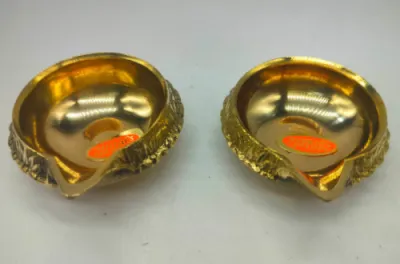
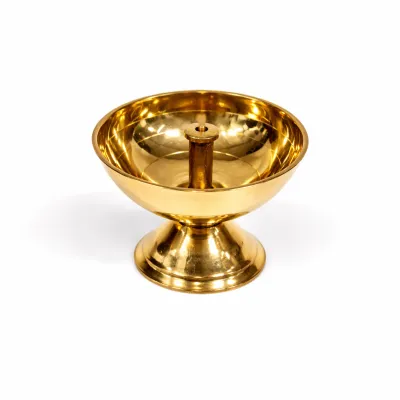

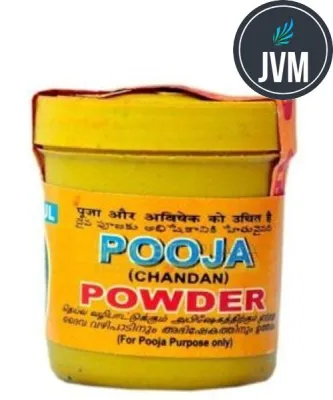
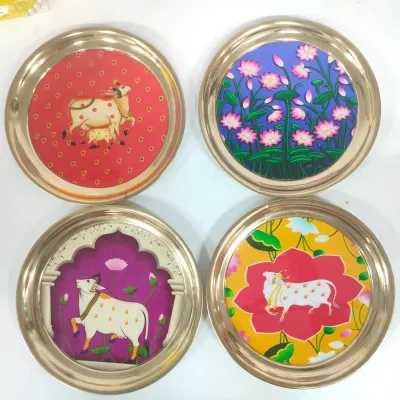

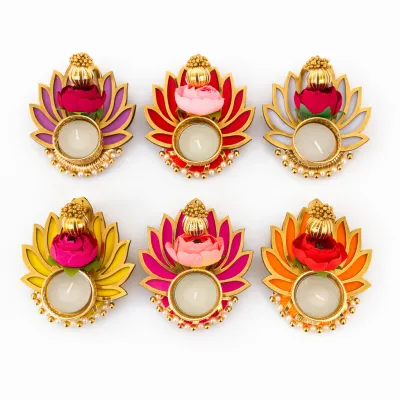
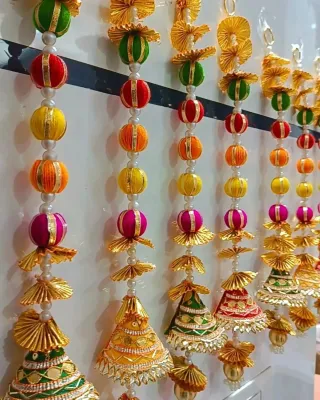
Prices are valid at publication and may change. Please refer to the product page for the latest price.
When measuring your available space, consider the footprint and height of the setup. Modern apartments, such as high-rise condominiums or HDB flats, often require creative space planning. You can choose between three main structural styles:
- Wall-Mounted Shelves: These are excellent for compact spaces, keeping the floor clear while elevating the deities to an appropriate eye-level height.
- Tabletop Mandirs: These medium-sized wooden or marble structures sit comfortably on top of existing sideboards or consoles, providing a sturdy, dedicated boundary for your items.
- Freestanding Floor Units: Larger, dedicated cabinets or temple structures that sit on the floor, suitable for spacious living rooms or dedicated prayer rooms.
Regardless of the style you choose, ensure the base of the altar is elevated so that the deities reside above waist level when you are standing or sitting. Avoid placing your altar directly on the floor, in high-traffic walkways where it might be bumped, or sharing a common wall with a bathroom, utility closet, or toilet, as these areas compromise the cleanliness and meditative quiet of the space.
Essential Indian Pooja Items for Your Daily Worship Setup
A complete daily worship setup relies on specific items that engage the senses and facilitate traditional rituals. Each item serves a distinct practical and symbolic purpose, forming a cohesive environment for daily devotion.

Deities and Sacred Images (Murtis and Pictures)
The central focus of your altar is the representation of the divine. You can choose between physical idols (murtis) and framed pictures, depending on your space and maintenance preferences. Framed pictures are lightweight, highly portable, and ideal for smaller wall-mounted shelves or temporary setups. If you prefer murtis, ensure they are proportioned appropriately for your mandir; large, heavy statues can overwhelm a small shelf and pose a structural hazard.
When selecting murtis, prioritize high-quality, durable materials such as solid brass, white marble, or high-grade copper. Avoid using idols made of cheap plastics or easily chipped synthetic resins. Traditional guidelines advise against keeping chipped, cracked, or damaged images on the altar, as they are no longer considered suitable vessels for worship. If an item becomes damaged, it should be respectfully retired and replaced.
Pooja Lamps (Diyas) and Lighting Safety
Light represents knowledge and the dispersal of darkness. Traditional oil or ghee diyas made of brass or clay offer an authentic, flickering glow that is central to Hindu rituals. However, open flames require constant vigilance. If you prefer the traditional route, always place a fire-retardant tray or a thick stone tile underneath the diya to catch hot oil drips and prevent heat transfer to the wooden surfaces of your mandir. Keep all open flames well away from drafty windows, air conditioning vents, and flammable materials like curtains or decorative paper backdrops.
For homes with busy schedules, pets, or young children, modern LED or electric diyas are an excellent, highly practical alternative. When purchasing electric diyas or integrated mandir lighting, safety must be your top priority. Verify that the voltage matches your home electricity supply (230V in Singapore) and ensure the power adapter carries a recognized safety certification, such as the Safety Mark. Inspect all cords to confirm they do not touch hot surfaces, bend at sharp angles, or create tripping hazards across your living space.
Incense Holders and Dhoop Stands
Incense sticks (agarbatti) and incense cones (dhoop) are used to purify the air and create a calming aroma. To manage the resulting ash and smoke safely in an enclosed apartment, you need a stable incense holder. Standard open-stick holders often allow fine ash to scatter onto the altar, creating a mess and posing a minor burn risk to nearby fabrics.
Consider using covered, box-style incense burners or horizontal ash catchers. These designs contain the ash within a designated tray, making cleanup effortless while allowing the scented smoke to rise gently through decorative perforations. Look for holders with wide, heavy bases made of brass, ceramic, or stone to prevent the holder from tipping over if accidentally bumped.
Offering Bowls, Plates, and Spoons
Daily prayers involve offering water, fresh flowers, and food (prasad) such as fruits, nuts, or sweets to the deities. A standard pooja thali (a large, flat plate) acts as the organizing base for these offerings. Within or alongside the thali, you will need small bowls (katoris) to hold water, milk, and food offerings, as well as a small spoon for distributing holy water.
These vessels must be kept strictly separate from your everyday kitchen dining ware. Dedicating a specific set of bowls and plates solely to the altar preserves the ritual purity of the offerings. Select materials that are easy to clean and resistant to staining from turmeric, kumkum (vermilion), and sandalwood paste. High-quality stainless steel, brass, and copper are the most practical choices for daily washing.
Ritual Bells (Ghanti) and Conch Shells (Shankh)
Sound plays a vital role in waking the senses and marking the transition into a meditative state. A small hand-held ritual bell (ghanti) is rung at the beginning of prayers and during the aarti ceremony. When choosing a bell, look for a solid brass or bronze construction with a comfortable, ergonomic handle. A high-quality metal alloy produces a clear, resonant, and soothing ring, whereas cheap, thin metals often emit a flat, harsh tone.
An optional but traditional addition is the conch shell (shankh). There are two primary types: the Vamavarti shankh (left-handed opening), which is blown to produce a powerful, purifying sound, and the Dakshinavarti shankh (right-handed opening), which is kept stationary on a stand as an auspicious decorative piece to hold holy water. If you purchase a shankh for blowing, inspect it thoroughly for any hairline cracks or structural flaws, as even minor damage will prevent the shell from producing a proper acoustic tone.
Material Guide: Choosing Durable and Auspicious Pooja Items
Selecting the right material for your pooja items involves balancing traditional significance, budget, and the amount of time you can dedicate to cleaning and maintenance. The table below summarizes the most common materials used for home altars.
| Material | Durability | Maintenance Level | Traditional Significance | Best Use Case |
|---|---|---|---|---|
| Brass | Exceptionally high; resistant to cracking and breaking. | Moderate; requires regular polishing to remove tarnish. | Highly auspicious; represents strength and purity. | Daily-use diyas, bells, incense holders, and primary murtis. |
| Silver | High, though softer than brass; prone to scratching. | High; oxidizes quickly in humid climates and needs gentle care. | Extremely pure and cooling; associated with prosperity. | Offering bowls, small deity frames, and special festival utensils. |
| Copper | High; highly durable but reactive to moisture. | High; tarnishes rapidly and requires frequent acidic cleaning. | Highly valued for its purifying and water-structuring properties. | Water vessels (Panchapatra), kalash, and offering spoons. |
| Clay / Terracotta | Low; highly fragile and prone to chipping. | Very low; generally disposable or replaced seasonally. | Earthy and natural; represents humility and connection to nature. | Festival diyas (Diwali) and temporary ritual vessels. |
While silver is highly prized for its spiritual purity, brass remains the most popular and practical material for a starting setup. It offers the classic golden aesthetic of gold at a fraction of the cost, and its weight provides excellent physical stability for items like lamps and incense holders.
Space Planning and Safety for HDB and Condo Altars
Setting up an altar in a modern apartment requires careful consideration of local housing layouts, ventilation, and fire safety regulations. High-rise living presents unique environmental conditions that require proactive management.
Fire Prevention
Never leave an open flame unattended under any circumstances. If you must leave the room or go to sleep, extinguish the oil diya or transition to an electric alternative. Always place your diyas on non-combustible surfaces such as marble, granite, or metal trays. Ensure that no decorative paper, artificial garlands, or loose clothing can come into contact with the flame, especially when ceiling fans are operating at high speeds.
Smoke and Ventilation
Modern apartments are often tightly sealed to maximize air conditioning efficiency, which can cause incense smoke to accumulate quickly. Excessive smoke can irritate the eyes and respiratory system, and it may trigger sensitive home smoke detectors (such as the mandatory Home Fire Alarm Devices in Singapore flats). To manage this:
- Use low-smoke or charcoal-free incense sticks.
- Position your altar near a window and open it during prayers to facilitate natural cross-ventilation.
- Keep incense burners at least two meters away from ceiling-mounted smoke detectors to prevent false alarms.
- Consider using electronic essential oil diffusers with sandalwood or jasmine oil as a smoke-free alternative to traditional incense.
Electrical Safety for Integrated Lighting
Many modern home altars feature custom, built-in LED strip lights or spotlighting to highlight the deities. If you are installing custom lighting, always check the manufacturer instructions and verify the wattage limits of your LED driver. For any fixed electrical wiring, modifications to your home’s main distribution board, or high-load installations, always isolate the main power before beginning work and hire a licensed electrical worker to ensure the installation complies with local safety standards.
Meaningful Additions to Expand Your Pooja Collection
Once you have established your basic setup, you can gradually introduce supplementary items that allow you to perform more elaborate weekend prayers, festival rituals, or deeper meditative practices.
- Panchapatra and Uddharani: This is a dedicated copper or brass water pot (panchapatra) paired with a small spoon (uddharani). It is used to hold and distribute holy water during purification rituals before the main prayers begin.
- Kalash: A metal pot (usually brass or copper) with a large base and a narrow neck. During major festivals, it is filled with water, adorned with mango leaves, and topped with a coconut to represent abundance, life, and divine energy.
- Aasan (Seating Mat): To maintain focus and respect, avoid sitting directly on the bare, cold floor during extended prayers or meditation. A dedicated, comfortable seating mat made of natural fibers like wool, cotton, or grass should be kept near the altar and used exclusively for worship.
- Chowri (Flywhisk): Used during the concluding aarti ceremony, a chowri is waved gently in front of the deities as a gesture of royal respect and devotion. While traditional versions used yak hair, high-quality synthetic fiber alternatives are now widely available, easier to clean, and highly durable.
Frequently Asked Questions (FAQ)
Can I keep my pooja altar in the bedroom or kitchen?
Traditional guidelines generally discourage placing a pooja altar in the bedroom or the kitchen. Bedrooms are spaces of rest, privacy, and intimacy, which conflict with the meditative focus required for a sacred space. Kitchens, while central to the home, involve cooking heat, food waste, and oils that can compromise the cleanliness of the altar. If space is limited, look for a quiet, clean corner in your living room, a study room, or an elevated hallway alcove where you can close a small cabinet door when the altar is not in use.
How do I clean and maintain brass pooja items?
To keep your brass items shining without stripping their finish, avoid harsh chemical abrasives or steel wool, which can leave deep scratches. Instead, use a natural cleaning paste made of tamarind pulp and a pinch of salt, or a mixture of lemon juice and baking soda. Apply the paste gently over the brass surface, let it sit for a few minutes to break down the tarnish, and scrub gently with a soft sponge. Rinse the items thoroughly with warm water and dry them immediately with a clean microfiber cloth to prevent water spots and oxidation.
Are electric diyas acceptable for daily pooja?
Yes, electric and LED diyas are widely accepted for daily worship. While traditional oil lamps hold deep symbolic value, spiritual leaders and scholars emphasize that your inner devotion (bhakti) and pure intentions are far more important than the physical medium of light. Electric diyas provide a highly practical, safe, and smoke-free alternative that eliminates fire hazards, making them ideal for high-rise apartments, rental homes, or families with young children and pets.
Community discussion
Share your experience or ask a question. Comments are reviewed before publication.