
Setting up a Hungry Ghost Festival altar requires careful planning to balance traditional customs, spatial constraints, and safety requirements. Observed during the seventh month of the lunar calendar, this festival involves making offerings to wandering spirits to ensure peace, prosperity, and protection for the household. Whether you are setting up a temporary prayer station outside your home or maintaining a dedicated space, understanding the specific hardware, lighting, and placement rules is essential.
In Singapore’s high-density housing environment, creating a proper worship space involves selecting the right base furniture, sourcing appropriate ritual vessels, arranging food offerings in a precise order, and implementing modern, fire-safe lighting solutions. This guide outlines every essential item you need to prepare a complete, respectful, and compliant setup for the Hungry Ghost Festival.
Selecting the Altar Location and Base Setup
The first step in preparing for the festival is determining where the altar will stand. In Singapore, the choice of location is highly dependent on your housing type. Private landed property owners often have the flexibility to set up temporary altars within their gated compounds or front yards. However, for the majority of residents living in Housing & Development Board (HDB) flats or condominiums, space is shared. Outdoor prayers are traditionally conducted on the ground floor at designated burning areas or in open, well-ventilated outdoor spaces. If you choose to set up a small prayer table along an HDB corridor, you must ensure it does not obstruct the common walkway or block escape routes in the event of an emergency.
Products mentioned in this guide
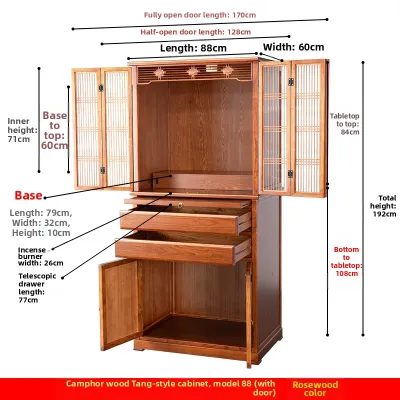
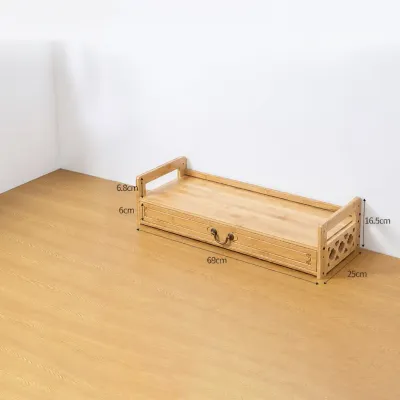
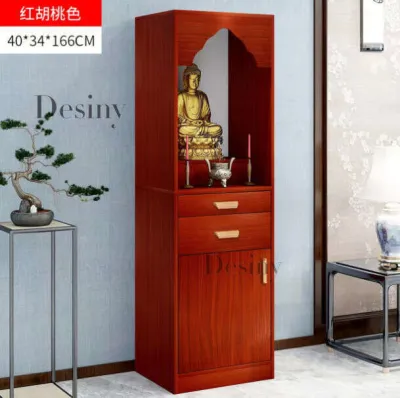
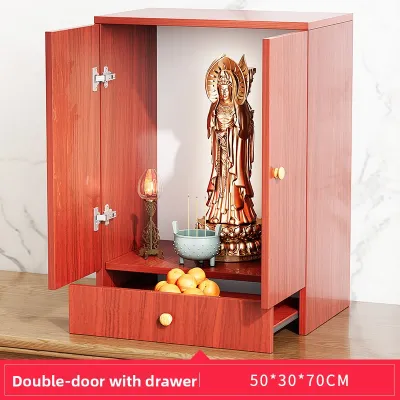
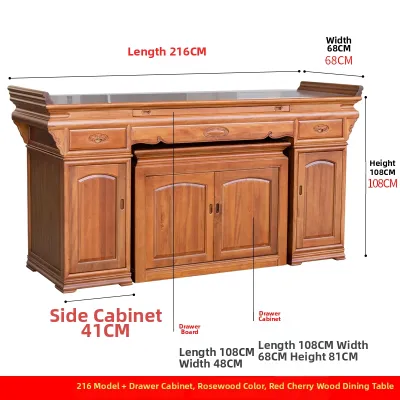
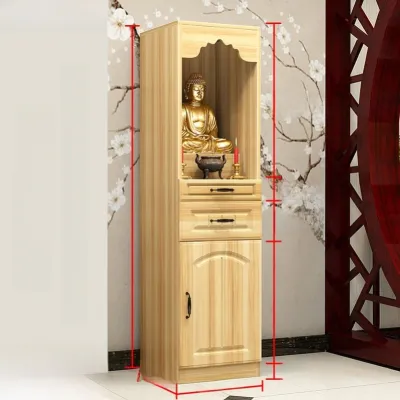
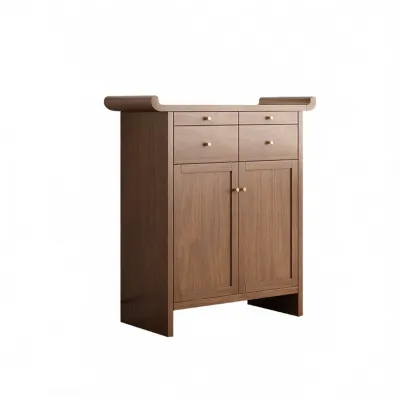
Prices are valid at publication and may change. Please refer to the product page for the latest price.
The foundation of your setup is the altar table itself. This table must be exceptionally stable, level, and capable of supporting significant weight. A standard setup includes heavy brass or ceramic incense burners, multiple plates of food, bowls of rice, and liquid-filled cups. A flimsy folding table or a lightweight plastic stand poses a severe tipping hazard, especially when holding hot incense and open flames. The table should stand at a respectful height—typically waist-high or higher—to keep the offerings elevated off the ground.
To prepare the table surface, cover it with a traditional red altar cloth. Red is a highly auspicious color in Chinese culture, symbolizing vitality, protection, and respect. When choosing a cloth, prioritize materials that are easy to clean and resistant to minor ash spills or wax drips. Heavy-duty cotton, fire-retardant fabrics, or specialized plastic-lined red coverings are excellent choices. The cloth should drape neatly over the edges, creating a clean, dedicated space for the ritual.
Finally, place chairs or benches directly behind the altar table, facing outward away from your home. According to traditional beliefs, these seats are reserved for the visiting spirits to sit and comfortably partake in the feast you have prepared. Because these seats are symbolically occupied by the “guests of honor,” family members and observers should avoid sitting on or moving them once the prayers have commenced.
Essential Lighting and Decorative Elements
Lighting plays a pivotal role in Hungry Ghost Festival rituals, serving both a symbolic and practical purpose. Traditional belief dictates that spirits are drawn to the warmth and light of the altar, which guides them to the offerings. Historically, red wax candles and traditional glass oil lamps fueled by kerosene or paraffin oil have been the primary light sources. If you choose traditional flame-based lighting, select candle sizes that match your intended burning duration. Short, slim candles are suitable for quick 30-minute prayer sessions, while thick, heavy-duty pillar candles or glass-encased jar candles are better for longer observances.

However, modern residential environments demand a shift toward safer alternatives. LED candles and electric oil lamps have become highly popular and culturally accepted substitutes. These electronic options eliminate the risk of accidental fires, produce no soot or smoke, and can remain illuminated safely overnight without constant supervision. When selecting LED candles, look for models that mimic the natural flicker of a real flame to maintain the traditional aesthetic of the altar.
For those opting for electric altar lamps—such as the iconic red pineapple lamps or crystal lotus lights—it is crucial to verify their technical specifications before installation. Ensure the operating voltage is compatible with Singapore’s standard electrical grid (220V–240V). Always check for valid safety certifications, such as the Singapore Safety Mark, which ensures the device has been tested for electrical safety. Check the base interface, wattage limits, and physical dimensions to ensure they fit your table setup without overcrowding. If you plan to install permanent lighting in damp outdoor areas or at height, always isolate the power supply first, follow the manufacturer’s installation instructions, and consult a qualified professional electrician to prevent electrical hazards.
Decorative elements such as traditional paper lanterns, hanging banners, and auspicious paper cutouts add visual structure to the setup. When hanging these decorations, safety must remain your top priority. Ensure all paper, fabric, and plastic decorations are securely fastened and positioned far away from open flames, hot incense burners, or heat-emitting light bulbs. If your altar is located outdoors or in a semi-outdoor corridor where wind drafts are common, use heavy-duty tape, zip ties, or weights to prevent lightweight decorations from blowing into candles or hot embers.
Ritual Hardware: Incense Burners and Offering Vessels
A complete altar requires specific ritual hardware designed to hold incense and present offerings cleanly and respectfully. The central piece of any altar is the incense burner, or censer (xiang lu). When selecting an incense burner, prioritize material durability and physical stability. Heavy brass, stone, or thick ceramic burners are ideal because their weight prevents them from tipping over when loaded with multiple incense sticks. The base of the burner should be wide, and the bowl must be deep enough to hold a generous amount of incense ash or sand, which stabilizes the standing joss sticks. Avoid lightweight metal or plastic containers, as they can melt or tip over easily.
If you plan to burn joss paper or paper effigies directly at your temporary altar site, you must use a dedicated, fireproof joss paper burner. These are typically heavy-duty, double-walled metal bins equipped with ventilation holes to facilitate clean burning and minimize flying ash. Never burn paper offerings directly on the bare ground, on plastic trays, or in makeshift cardboard boxes, as wind currents can easily carry burning embers onto nearby flammable materials or dry vegetation.
For liquid offerings, you will need dedicated offering vessels. A standard setup requires small, matching cups specifically designated for tea and rice wine. Traditionally, these cups are arranged in odd numbers—typically three or five cups in a straight line. Choose small ceramic or brass cups that sit firmly on the table and are not easily knocked over by wind or accidental contact.
In addition to cups, you must provide clean, dedicated utensils for the food offerings. Place pairs of chopsticks and small spoons neatly beside the plates of food. A critical cultural taboo to remember: never stick chopsticks vertically into a bowl of rice. This arrangement closely resembles incense sticks standing in a censer, which is a symbol associated directly with death and funerals. Instead, lay the chopsticks flat across the rim of the bowl or place them neatly on a small utensil rest beside the plate.
Traditional Offerings and Proper Table Arrangement
The selection and arrangement of food offerings on the altar follow specific cultural guidelines to show respect to the visiting spirits. Food offerings generally fall into three main categories: auspicious fruits, cooked dishes, and staple grains. When selecting fruits, choose varieties that symbolize good fortune and safety, such as mandarins, oranges, and red apples. Many families avoid using pears or bananas for specific ancestral prayers due to linguistic homophones that sound inauspicious in certain Chinese dialects, though practices can vary. Ensure all fruits are thoroughly washed and dried before being placed on the table.
Cooked offerings typically include staple dishes such as roast pork (sio bak), boiled chicken, steamed fish, and bowls of freshly cooked plain white rice. Beverages are equally important; prepare freshly brewed Chinese tea and traditional rice wine. These liquids should be poured into their respective offering cups at the start of the prayers. Some practitioners choose to top up or refresh the liquids midway through the ritual as a sign of continuous hospitality.
Arranging these items on the altar table requires a logical, layered approach. The table should be organized from the front (the edge facing outward toward the street or corridor) to the back (the side closest to the interior of the home or wall):
- The Front Row: Place the main incense burner directly in the center of the front edge. Position your red candles or LED altar lamps on either side of the burner. This ensures the primary light sources and the focal point of prayer are immediately accessible.
- The Middle Row: Directly behind the incense burner, align the small cups for tea and wine in a neat, horizontal row.
- The Back Row: Place the main food offerings, including the plates of cooked meats, bowls of rice, and baskets of auspicious fruits, behind the beverage cups. Lay the clean chopsticks and spoons flat beside their corresponding dishes.
Because Singapore’s tropical climate is hot and highly humid, food left outdoors can spoil rapidly or attract pests. Monitor the altar throughout the prayer session. Once the incense has completely burned down—which typically signals the end of the ritual—promptly pack the food offerings. Depending on your family’s specific traditions and dialect group customs, you may choose to consume the food after reheating it thoroughly, or dispose of it respectfully if it has been exposed to outdoor dust and ash.
Fire Safety and Space Management in Apartments
Operating an altar within or directly outside a high-density apartment building requires strict adherence to fire safety protocols. The combination of dry paper offerings, hot incense embers, and open candle flames presents a real fire hazard if left unmanaged. To mitigate these risks, always place a large, non-combustible, fireproof mat or a heavy metal tray directly under your incense burners, candle holders, and any temporary burning receptacles. This tray will catch falling hot ash, stray sparks, and dripping wax, protecting your furniture and flooring from heat damage and ignition.
Maintain a strict safety clearance zone around the altar. Flammable decorations, paper banners, dry floral arrangements, and plastic packaging must be kept at least one meter away from open flames or hot incense sticks. Wind drafts in corridor areas can easily blow lightweight paper decorations into contact with a burning candle, leading to a rapid fire.
Ventilation is another crucial consideration, especially for indoor setups. Burning incense and traditional candles indoors can quickly fill an apartment with dense smoke, which can irritate the lungs and trigger residential smoke detectors. If praying indoors, keep windows open to facilitate airflow, but position the altar away from direct cross-drafts that could blow hot ash off the burner or extinguish the candles prematurely. Utilizing LED candles and electric altar lamps significantly reduces indoor air pollution and eliminates fire risks.
Lastly, always respect your neighbors and comply with local estate management regulations. In Singapore, Town Councils manage common areas in HDB estates. It is illegal and highly hazardous to burn joss paper in common corridors, stairwells, or lift lobbies. Always use the designated red or silver metal burning bins provided at the ground level of your block. If you are using a portable burner on your own property, ensure it is fully enclosed, placed on a stable, non-combustible surface, and positioned where the smoke will not blow directly into your neighbors’ open windows.
Frequently Asked Questions (FAQ)
Can I use LED alternatives for altar candles and lamps?
Yes, LED candles and electric altar lamps are widely accepted and highly recommended for modern residential setups. In high-density apartments with strict fire safety regulations or limited ventilation, electronic alternatives offer a safe way to maintain traditions. They eliminate the hazards of open flames, prevent smoke accumulation, and do not produce messy wax drips. Many modern LED candles feature realistic flickering effects and can be left illuminated safely overnight, ensuring your altar remains bright without requiring constant supervision.
What are the rules for burning joss paper in shared residential areas?
In Singapore, burning joss paper directly in shared corridors, stairways, void decks, or near common facilities is strictly prohibited due to fire hazards and the nuisance caused by smoke and flying ash. Residents should always use the designated metal burning bins or eco-burners provided by the local Town Council at the ground level of HDB estates. If you reside in a private condominium or landed estate, check with your managing agent or estate guidelines regarding designated burning areas and permissible hours for rituals.
Community discussion
Share your experience or ask a question. Comments are reviewed before publication.