
Finding the right essential oil diffuser refill depends entirely on whether your device uses an open-tank system or a closed, proprietary cartridge. Open-tank diffusers, such as standard ultrasonic and nebulizing models, are highly versatile and generally accept any brand of 100% pure essential oil. In contrast, smart diffusers and pod-based systems are physically or digitally locked, requiring proprietary cartridges or specific wick assemblies designed by the manufacturer. To avoid damaging your device, always check the user manual for terms like “water-based only,” “nebulizer-safe,” or “proprietary cartridge” before introducing third-party oils.
Step 1: Identify Your Diffuser's Mechanism
To determine which refills are safe for your device, you must first identify its diffusion technology. Diffusers are not universal appliances; they use distinct mechanical methods to disperse scent into your living space. Using the wrong oil consistency in a specialized mechanism can lead to immediate mechanical failure or poor scent performance.
Ultrasonic diffusers are the most common type found in modern homes. These devices use a small, vibrating ceramic disc at the bottom of a water tank to break down a mixture of water and oil into a fine, cool mist. Because they rely on water to suspend the oil, they require thin, pure essential oils that disperse easily. Thick carrier oils or heavy synthetic mixtures will settle on the vibrating plate, dampening the vibrations and eventually burning out the transducer.
Products mentioned in this guide

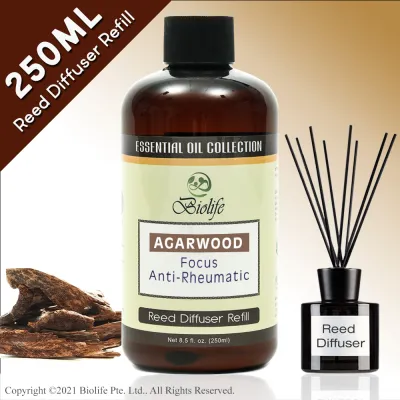
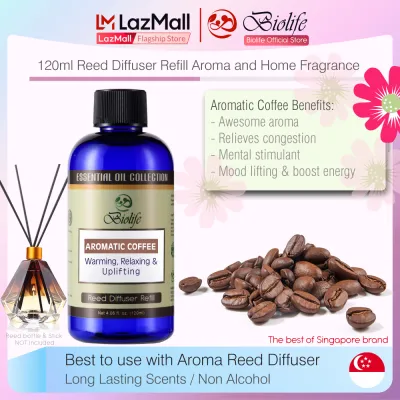
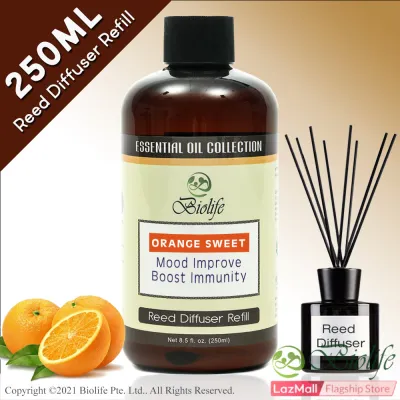
![Biolife Lemongrass scent Reed Diffuser Refill (250ml) with glass reed diffuser and reed stick Essential Oil Aromatherapy Long Lasting Scent [BD]](https://img.lazcdn.com/g/p/39b5ad99bebbaadbc6a2cf487a966f1e.jpg_400x400q80.jpg_.webp)
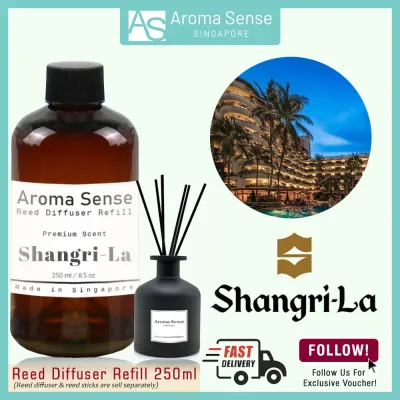
![[KIRONA SCENT] 250ML Aroma Reed Refill | Premium Quality Essential Oil | For Aroma Reed Diffusers Clay Diffusers | More than 60 Scents Available | Luxurious Hotel & Mall Fragrances](https://img.lazcdn.com/g/p/4685932625987bb431ec03fe164da9f7.jpg_400x400q80.jpg_.webp)
![Hooga Black Series Diffuser [Refill 500ml]](https://img.lazcdn.com/g/p/c936e4601a3ff0a78cd151d1b5138b4c.jpg_400x400q80.jpg_.webp)
Prices are valid at publication and may change. Please refer to the product page for the latest price.
Nebulizing diffusers operate without water, using pressurized air to pull pure oil through a tiny nozzle and atomize it directly into the air. This process requires highly fluid, pure essential oils. If you attempt to use thick, viscous oils or blends diluted with heavy carrier oils like jojoba or sweet almond oil, the narrow glass or metal tubes inside the nebulizer will clog instantly, rendering the pump useless.
Heat and evaporative diffusers use a gentle heat source or a fan to evaporate oil from a pad or small tray. While these systems are physically more forgiving of oil viscosity because they lack delicate nozzles or vibrating plates, using low-quality or highly diluted oils will result in uneven evaporation, leaving behind a sticky, hard-to-clean residue that can ruin the heating element over time.
Pod or cartridge diffusers, often marketed as smart home scenting systems, rely on pre-packaged refills. These devices are physically restricted, featuring custom-molded plastic housings, specific capillary wicks, or electronic connectors. They do not allow you to pour loose oil into an open reservoir, meaning you are generally locked into the brand’s official refill catalog.
Open-System Brands: Pure Essential Oils vs. Fragrance Oils
If your diffuser features an open water tank or a direct-screw bottle attachment, you have the freedom to choose from a wide variety of universal essential oils. However, this open compatibility does not mean every liquid labeled “scent” or “oil” is safe for your machine. Understanding the chemical and physical differences between pure essential oils and synthetic fragrance oils is crucial for maintaining your device.

For open-system ultrasonic and nebulizing diffusers, 100% pure essential oils are the gold standard. These oils are extracted directly from plants via steam distillation or cold pressing, leaving behind no synthetic binders or heavy chemical residues. Because they are highly volatile, they vaporize completely without leaving a gummy buildup on the internal components of your diffuser. In Singapore’s warm, humid climate, or within air-conditioned rooms where diffusers are frequently run to maintain a fresh indoor environment, choosing pure oils ensures the mist disperses cleanly without leaving a heavy, sticky residue on nearby furniture or decor.
Synthetic fragrance oils, often sold in craft stores or online marketplaces for candle making, should generally be avoided in delicate diffusers. These products are formulated with synthetic aromatic compounds and are frequently diluted with carrier solvents or heavy oils to make them shelf-stable and affordable. These heavy additives do not vaporize cleanly; instead, they cling to the plastic walls of the water tank and form a stubborn, greasy film over the ultrasonic transducer, reducing mist output.
Before purchasing any third-party refill oil, verify its purity by inspecting the ingredient label. A compatible oil should list only one ingredient—the botanical name of the plant (such as Lavandula angustifolia for lavender). Avoid products that list “fragrance,” “perfume,” “dipropylene glycol (DPG),” or generic “carrier oils” unless your specific diffuser manual explicitly states that synthetic fragrance formulations are supported.
Proprietary Systems: When Brands Require Specific Refills
Closed-system diffusers offer convenience and smart home integration, but they severely limit your refill options. These devices are engineered to work exclusively with proprietary cartridges, pods, or specialized wick assemblies. Attempting to bypass these physical barriers can cause leaks, electrical shorts, or permanent damage to the device’s internal sensors.
The primary restriction in these systems is physical design. Proprietary pods are molded to fit precise internal slots, often incorporating custom seals to prevent oil from leaking onto the internal circuit boards. Some brands also utilize custom-length cotton or synthetic wicks that draw oil at a specific rate calibrated to the device’s heating or atomizing element. Using a non-standard bottle or trying to force a third-party pod into the chamber can break the alignment pins or cause oil to pool inside the electronics.
In addition to physical barriers, many modern smart diffusers employ digital restrictions. These devices may use radio-frequency identification (RFID) chips embedded in the cartridge base or app-based verification to confirm that an official refill is installed. If the machine does not detect the authentic chip, it may refuse to run or lock the diffusion settings in the accompanying smartphone app.
If you wish to use third-party oils in a proprietary system, you must verify compatibility with extreme care. Only purchase third-party pods if the manufacturer explicitly lists your exact diffuser model as compatible, or if you can verify that the physical dimensions, seal placements, and wick materials are identical to the original equipment. Never attempt to puncture, refill, or syringe new oil into a sealed, single-use cartridge unless the brand provides a designated, reusable refill kit.
Compatibility Decision Matrix
To help you quickly determine which refill types are safe for your specific setup, refer to the decision matrix below. Always cross-reference these general guidelines with your product’s specific instruction manual.
| Diffuser Mechanism | Compatible Refill Type | Refills to Avoid | Verification Check |
|---|---|---|---|
| Ultrasonic | 100% pure essential oils, water-soluble fragrance oils | Thick carrier oils, heavy synthetic perfumes, undiluted absolute oils | Check for "100% Pure" on the label; ensure the oil drops disperse easily in water. |
| Nebulizing | Thin, pure essential oils (e.g., citrus, lavender) | Thick oils (e.g., vetiver, patchouli, sandalwood), carrier oils, water | Verify the oil is highly fluid; check that no water or carrier oil is added to the reservoir. |
| Heat / Evaporative | Pure essential oils, standard aromatherapy oils | Highly viscous resins, synthetic wax melts (unless designed for the tray) | Ensure the oil does not leave a sticky, non-evaporating residue on the heating pad. |
| Proprietary Pod | Official brand cartridges, certified compatible third-party pods | Loose oils, unapproved third-party cartridges, self-refilled pods | Inspect the cartridge base for RFID chips; match physical dimensions and wick alignment. |
Risks of Incompatible Refills and When to Stop
Using an incompatible essential oil diffuser refill can lead to immediate performance issues and may permanently damage your device. Because diffusers rely on precise mechanical vibrations, heat, or air pressure, introducing a liquid with the wrong viscosity or chemical composition can stress the internal components beyond their design limits.
One of the most common consequences of using incompatible refills is a clogged ultrasonic plate. When heavy carrier oils or synthetic fragrance binders settle on the ceramic disc, they form a barrier that prevents the disc from vibrating at its ultrasonic frequency. This causes the motor to overheat as it attempts to force vibration through the blockage, eventually leading to complete electrical failure. In nebulizers, thick oils can permanently block the micro-nozzles, rendering the pump unable to draw liquid.
Furthermore, certain essential oils—particularly cold-pressed citrus oils—contain high concentrations of natural terpenes, which can act as mild solvents. If your diffuser’s water tank is made of cheap, non-medical-grade plastic, these oils can chemically degrade the reservoir, causing it to craze, crack, or leak. This chemical reaction can also release unwanted plastic byproducts into the air.
You should stop using your diffuser immediately if you observe any of the following warning signs:
- A sudden, significant decrease in mist output despite a full water tank.
- Unusual grinding, buzzing, or high-pitched whining noises coming from the motor.
- A thick, sticky, or discolored film forming on the water surface or the bottom of the tank.
- The device becoming unusually warm to the touch during operation.
If you notice these signs, unplug the device from the wall outlet immediately. Discard any remaining liquid and consult the manufacturer’s manual for specific cleaning instructions. Avoid using harsh chemical solvents, rubbing alcohol, or abrasive scrubbing pads unless explicitly recommended by the brand, as these can further damage delicate seals and vibrating plates.
Frequently Asked Questions (FAQ)
Can I mix different essential oil brands in one diffuser?
Yes, you can generally mix different brands of essential oils in an open-system diffuser, provided that all the oils you are blending are 100% pure and free of heavy carrier oils or synthetic additives. Mixing a pure lavender oil from one brand with a pure sweet orange oil from another is perfectly safe for the machine’s mechanism. Always ensure the total volume of oil does not exceed the manufacturer’s recommended drop count for your tank size.
How do I clean my diffuser if I used the wrong oil?
If you accidentally used a thick carrier oil or a synthetic fragrance oil, first unplug the device and empty the reservoir completely. Wipe down the interior of the tank with a soft, damp microfiber cloth to remove the oily residue. If the manufacturer’s instructions permit, you can use a cotton swab dipped in a mild mixture of water and a few drops of white vinegar to gently clean the ultrasonic plate. Rinse thoroughly with clean water, dry the unit completely, and perform a test run with pure water before adding new, compatible oils.
Community discussion
Share your experience or ask a question. Comments are reviewed before publication.