
Choosing the right essential oil diffuser requires balancing three core specifications: tank capacity, run time, and mist output. While it is tempting to simply buy the largest or most visually appealing model, matching these technical specifications to your specific room size and daily habits ensures a consistent aromatic experience without wasting precious oils or creating excess humidity. Understanding how these features interact allows you to select a device that fits seamlessly into your home environment, whether you need a subtle background scent for a compact home office or long-lasting diffusion for a spacious living area.
Understanding Tank Size and Room Coverage
Tank capacity, measured in milliliters (ml), directly dictates the physical footprint of the diffuser and how often you will need to refill it. Common tabletop models typically range from compact 100ml reservoirs to larger 500ml tanks. A larger tank naturally takes up more space on a side table or shelf, which is an important consideration if you have limited surface area in your home.
However, a larger tank does not automatically guarantee a wider scent throw or greater room coverage. Room coverage is determined by a combination of the water volume and the efficiency of the diffusion technology in dispersing the mixture into the air. A small 100ml diffuser with a powerful transducer can sometimes cover the same square footage as a larger 300ml model, though it will deplete its water supply much faster.
Products mentioned in this guide
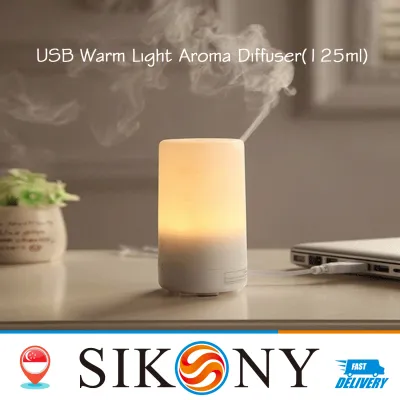

Prices are valid at publication and may change. Please refer to the product page for the latest price.
When choosing a capacity, balance the convenience of fewer refills against the physical space and cleaning effort required. Larger tanks hold more water, but they also require more frequent, thorough cleaning to prevent mineral buildup and mold. Stagnant water left in a large reservoir can become a breeding ground for bacteria, which is then dispersed into your living space. For most standard rooms, a medium-sized tank of 200ml to 300ml offers a practical balance between manageable cleaning routines and reasonable operating intervals.
Decoding Run Time and Intermittent Modes
Manufacturers often advertise impressive run times, sometimes reaching 10 to 12 hours. It is crucial to differentiate between continuous run time and maximum run time achieved through intermittent settings. Continuous mode runs the mist constantly until the tank is empty, whereas intermittent modes cycle the diffusion on and off—such as 30 seconds of mist followed by 30 seconds of rest—effectively doubling the advertised operating duration.

For overnight use in a bedroom, intermittent modes are highly beneficial. They prevent the air from becoming overly saturated with scent while you sleep, which can lead to sensory habituation or mild headaches. This cycling also conserves your essential oils, allowing a few drops to last through the entire night rather than being rapidly depleted in the first few hours.
Regardless of the mode you choose, verify that the diffuser includes an automatic shut-off feature. This safety mechanism detects when the water level drops below a safe threshold and immediately cuts power to the ultrasonic plate or heating element. This prevents the device from running dry, protecting the internal components from overheating and extending the overall lifespan of your investment.
Evaluating Mist Output and Diffusion Technology
Mist output is typically measured in milliliters per hour (ml/h) and dictates how quickly the water and oil mixture is vaporized. A higher mist output rate results in a more visible plume of vapor and a faster, more intense release of fragrance. If you are trying to neutralize odors quickly or fill a high-ceilinged room, a higher ml/h rating is advantageous.
The method used to create this mist also matters. Ultrasonic diffusers use high-frequency sound waves to vibrate a small metal plate, breaking the water and essential oils down into an extremely fine, cool mist. Because this process does not use heat, it preserves the delicate chemical structure of the essential oils, ensuring you receive their full aromatic benefits. In contrast, basic heat or fan-based diffusers can alter the scent profile of more volatile oils by warming them.
In humid climates or heavily air-conditioned rooms, high-output ultrasonic diffusers require careful placement. Because they release cool moisture into the air, operating a high-output model close to walls, wooden furniture, or electronic devices can lead to localized condensation. To prevent moisture damage or mold growth on nearby surfaces, ensure the room is adequately ventilated and place the diffuser on a water-resistant coaster or tray.
Secondary Specs That Influence Daily Convenience
Beyond the core diffusion metrics, several secondary specifications affect how comfortably a diffuser integrates into your daily routine. Noise level is a primary consideration, especially for quiet environments like home offices or bedrooms. Look for manufacturer specifications indicating a noise level below 30 decibels (dB), which is roughly equivalent to a soft whisper, ensuring the gentle hum of the ultrasonic plate or internal fan does not disrupt your sleep or concentration.
Control interfaces and timer presets also dictate daily ease of use. Basic models feature simple physical buttons, while advanced units offer touch-sensitive panels, remote controls, or smart home integration. Built-in timers—allowing you to select one, three, or six hours of continuous operation—provide peace of mind, letting you set the device and go about your day without worrying about manually turning it off.
Additionally, consider the aesthetic and lighting features of the device. Many diffusers incorporate LED lights that can cycle through colors, stay fixed on a single hue, or be turned off completely. If you plan to use the diffuser on a bedside table, verify that the light can be fully extinguished while the mist continues to run, or choose a model with warm, dimmable color temperatures that can double as a gentle nightlight without disrupting your natural sleep cycles.
Finally, always verify the electrical specifications before purchasing. Ensure the device’s voltage is compatible with your local power outlets and check for recognized electrical safety certifications. Since these devices combine water and electricity, inspect the power cord regularly for wear, keep the power interface dry, and always isolate the power source before cleaning or refilling the reservoir.
Frequently Asked Questions (FAQ)
Does a larger tank size always mean a stronger scent?
No, a larger tank size does not inherently produce a stronger scent. Scent intensity is determined by the mist output rate (ml/h) and the concentration of essential oils you add to the water. A larger tank simply holds a greater volume of water and oil mixture, allowing the diffuser to maintain your chosen scent level for a longer period before requiring a refill.
Is a higher mist output always better for essential oil diffusion?
A higher mist output is not always better and should be matched to your room size. In small or enclosed spaces, an excessively high mist output can quickly saturate the air, leading to olfactory fatigue and uncomfortable humidity levels. It is best to choose a diffuser with adjustable output settings so you can customize the vapor flow based on the room’s square footage and your personal sensitivity to the fragrance.
Community discussion
Share your experience or ask a question. Comments are reviewed before publication.