
Choosing between an essential oil diffuser and a traditional air freshener for your Singapore home depends on your specific living environment, daily routine, and willingness to maintain the device. There is no single superior option; instead, the ideal choice hinges on balancing scent customization, ambient humidity, maintenance effort, and safety considerations for your household. While an essential oil diffuser offers a customizable, natural scent profile, it introduces moisture and requires regular cleaning. Conversely, a traditional air freshener provides low-maintenance, continuous fragrance but relies on synthetic compounds and offers less control over scent intensity. By evaluating your home’s layout, ventilation, and family needs, you can select a freshening solution that enhances your indoor environment without compromising air quality or safety.
Assess Your Home Environment and Scent Goals
Before purchasing any home fragrance product, it is essential to evaluate the physical characteristics of your living space. Singapore’s residential landscape consists primarily of high-density housing, such as Housing & Development Board (HDB) flats and condominiums, which often feature specific layout challenges. Consider the size of the room you intend to scent, as well as its natural ventilation and airflow patterns. A small, enclosed bedroom with closed windows will retain fragrance much longer than an open-concept living and dining area with active cross-ventilation.
Singapore’s tropical climate brings consistently high ambient humidity, which plays a critical role in how scenting methods perform. Water-based scenting devices, such as ultrasonic diffusers, disperse a fine mist that can elevate local moisture levels. In a poorly ventilated room, this added moisture can settle on sensitive furnishings, wooden flooring, or wallpaper, potentially encouraging mold growth. Therefore, assessing the existing humidity and airflow of your target room is a vital first step.
Products mentioned in this guide
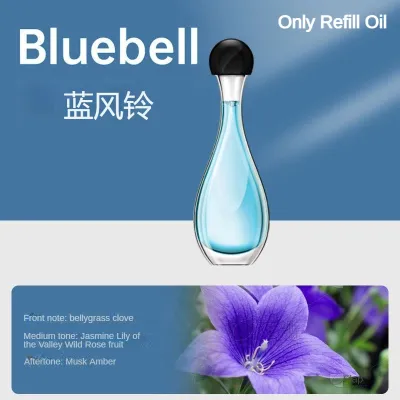
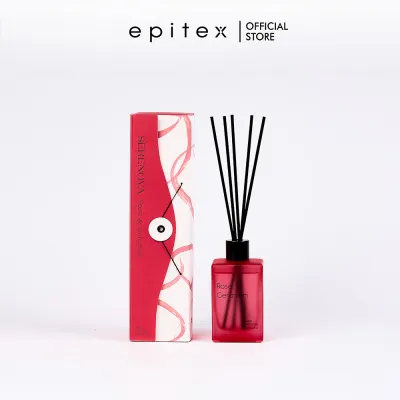
Prices are valid at publication and may change. Please refer to the product page for the latest price.
Household demographics and health sensitivities must also guide your decision. If your household includes infants, elderly family members, or individuals with respiratory conditions like asthma or allergies, certain fragrance formulations may trigger discomfort. Pets, particularly cats and dogs, have highly sensitive olfactory systems and metabolic pathways that make them vulnerable to specific airborne compounds.
Finally, define your primary scenting goal clearly. Are you looking to mask strong, localized odors from cooking or plumbing, or do you want to establish a subtle, continuous background aroma? Perhaps your goal is to create a relaxing, spa-like ambiance for evening wind-down routines. Identifying whether you need immediate, targeted odor elimination or long-term ambient scenting will narrow down your options significantly.
Understanding Essential Oil Diffusers
Essential oil diffusers are active devices designed to disperse natural plant extracts into the air. The most common type is the ultrasonic diffuser, which uses a small electronic transducer to vibrate water at an ultrasonic frequency, turning the water and added essential oils into a cool, fine mist. Another option is the nebulizing diffuser, which uses pressurized air to atomize pure essential oil directly into the air without using water. Both methods allow you to customize your scent profile by mixing different pure essential oils to suit your mood.

Operating an essential oil diffuser requires a consistent maintenance commitment to ensure safe and efficient performance. Because ultrasonic models rely on a standing water tank, they are highly susceptible to mineral buildup, descaling issues, and mold growth if left uncleaned. You must commit to emptying the tank, wiping it down, and performing regular descaling according to the manufacturer’s instructions to prevent dispersing mold spores into your living space.
The ongoing cost of ownership is another factor to consider. Pure essential oils are premium consumables, and their prices vary widely depending on the plant source and extraction method. While synthetic fragrance oils are sometimes cheaper, they do not offer the same botanical properties as pure essential oils. You will need to budget for regular oil purchases to keep your diffuser running.
Additionally, the secondary humidifying effect of ultrasonic diffusers must be monitored carefully. In Singapore’s already humid climate, adding water vapor to an air-conditioned room can sometimes feel damp or clammy. If you choose an ultrasonic model, you should monitor the room’s moisture levels and limit the device’s run time to prevent condensation on nearby surfaces.
Evaluating Traditional Air Fresheners
Traditional air fresheners encompass a wide range of passive and active products, including aerosol sprays, gel blocks, liquid plug-ins, and reed diffusers. These products typically rely on synthetic fragrance formulations designed to deliver a consistent, predictable scent over an extended period. Aerosol and pump sprays offer immediate, high-intensity odor-masking power, making them highly effective for sudden, localized odors in kitchens or bathrooms.
In contrast, passive options like gel blocks, solids, and reed diffusers release scent continuously through natural evaporation. Plug-in devices use a small heating element to warm a liquid fragrance cartridge, accelerating the scent dispersion throughout the room. While these methods require virtually zero daily maintenance, they offer limited control over scent intensity, which can sometimes result in an overwhelming fragrance in smaller, enclosed spaces.
The chemical composition of traditional fresheners is an important consideration for indoor air quality. Many conventional products contain synthetic compounds, volatile organic compounds (VOCs), and chemical propellants that can act as respiratory irritants. For households with sensitive individuals, these synthetic ingredients may cause headaches, sneezing, or respiratory discomfort, making it necessary to review product labels carefully.
From a financial and environmental perspective, traditional fresheners involve ongoing consumable costs. While the initial purchase price of a gel or reed diffuser is often low, the recurring cost of disposable plastic cartridges, aerosol cans, and refills can accumulate over time. Additionally, the disposal of single-use plastic components and aerosol containers contributes to household waste, which may conflict with eco-conscious living goals.
Placement flexibility is a key advantage of passive traditional fresheners, as they do not require electrical outlets or water. However, Singapore’s warm ambient temperatures can accelerate the evaporation rate of gel and liquid refills in rooms without air conditioning. This faster evaporation can shorten the lifespan of the product, requiring more frequent replacements than indicated by the manufacturer.
Decision Matrix: Matching Your Needs to the Right Freshener
To determine the best fit for your home, you can match your specific household conditions and preferences to the characteristics of each fragrance method. If your priority is using natural ingredients, customizing your scent blends, and enjoying the therapeutic qualities of aromatherapy, an essential oil diffuser is the ideal choice. This option works best in well-ventilated living rooms or study areas where you can actively manage the device’s water tank and monitor local humidity levels.
If you prefer a low-maintenance, set-and-forget solution that provides a continuous background fragrance, traditional plug-ins or reed diffusers are highly suitable. These options are excellent for entryways, hallways, or air-conditioned bedrooms where you want a consistent scent without the hassle of daily cleaning or the risk of adding extra moisture to the air. They require no water refills and operate silently in the background.
For targeted, immediate odor elimination, aerosol or pump sprays should be reserved strictly for short-term use in bathrooms or kitchens. These sprays are designed to neutralize or mask sudden odors quickly rather than provide continuous ambient scenting. Relying on aerosol sprays for continuous fragrance is inefficient and can lead to an excessive buildup of chemical propellants in your indoor air.
In some scenarios, neither a diffuser nor a traditional freshener is the appropriate solution. If your home suffers from persistent, musty odors caused by poor ventilation, rising dampness, or mold, adding fragrance will only mask the underlying issue. In these cases, the most effective approach is to improve mechanical ventilation, use dehumidifiers to manage moisture, or install an air purifier equipped with an activated carbon filter to physically remove odor-causing molecules from the air.
Safe Usage and Maintenance Guidelines
Operating any scenting device safely requires adhering to basic electrical and chemical safety practices. For plug-in air fresheners and electric diffusers, always verify that the device’s voltage is compatible with Singapore’s standard 230V supply and that it carries appropriate electrical safety certifications. Keep these electrical devices away from water sources, damp areas like sink countertops, and flammable materials such as curtains or bedding to prevent short circuits or fire hazards.
If you share your home with pets, you must exercise extreme caution when selecting essential oils. Several common essential oils, including tea tree, eucalyptus, peppermint, and citrus oils, contain compounds that are highly toxic to cats and dogs. These animals lack the liver enzymes necessary to metabolize these substances, and inhaling the diffused mist or coming into contact with oil droplets can lead to serious health complications. Always consult veterinary guidelines and choose pet-safe oils before diffusing in a home with animals.
To maintain your essential oil diffuser’s performance and prevent health risks, strictly follow the manufacturer’s cleaning schedule. Empty any remaining water after each use to prevent bacterial growth, and use a soft cloth with diluted white vinegar to descale the ultrasonic plate regularly. Never exceed the recommended maximum run-time limits, as running a diffuser continuously can overheat the motor and degrade the plastic components.
Finally, ensure that all concentrated essential oils, chemical refills, and aerosol cans are stored securely out of reach of children and pets. Concentrated oils can cause chemical burns if applied directly to the skin or accidental poisoning if ingested. Keeping these products in a cool, dark, and locked cabinet preserves their shelf life while preventing accidental exposure or ingestion.
Frequently Asked Questions (FAQ)
Can I use an ultrasonic essential oil diffuser in a high-humidity room?
Yes, but you must take specific precautions to prevent moisture-related issues. Because ultrasonic diffusers disperse a fine water mist, they naturally increase the local humidity of the room. In a small, unventilated bathroom or a room already prone to condensation, this extra moisture can encourage mold and mildew growth on walls and fabrics. If you choose to use an ultrasonic diffuser in these spaces, limit the run time to short intervals, ensure adequate ventilation, or monitor the room’s humidity levels. Alternatively, consider using a waterless nebulizing diffuser or a traditional reed diffuser to avoid adding moisture.
Are traditional air fresheners safe for pets and infants?
Many traditional air fresheners contain synthetic fragrances, volatile organic compounds (VOCs), and phthalates that can irritate the sensitive respiratory systems of pets and infants. Aerosol propellants can also linger in the air and settle on surfaces where infants crawl or pets groom themselves. To ensure safety, look for products with clear labels indicating they are free from phthalates and synthetic dyes, or opt for fragrance-free air purification methods. When using any scented product, always ensure excellent cross-ventilation to prevent the buildup of airborne chemical concentrations in your shared living spaces.
Community discussion
Share your experience or ask a question. Comments are reviewed before publication.